
So, how often should golfers regrip their clubs? A good rule is to change your golf grips at least once a year. Many golfers should actually do it more often, especially if they play or practice a lot. This keeps your clubs feeling fresh and helps your game.
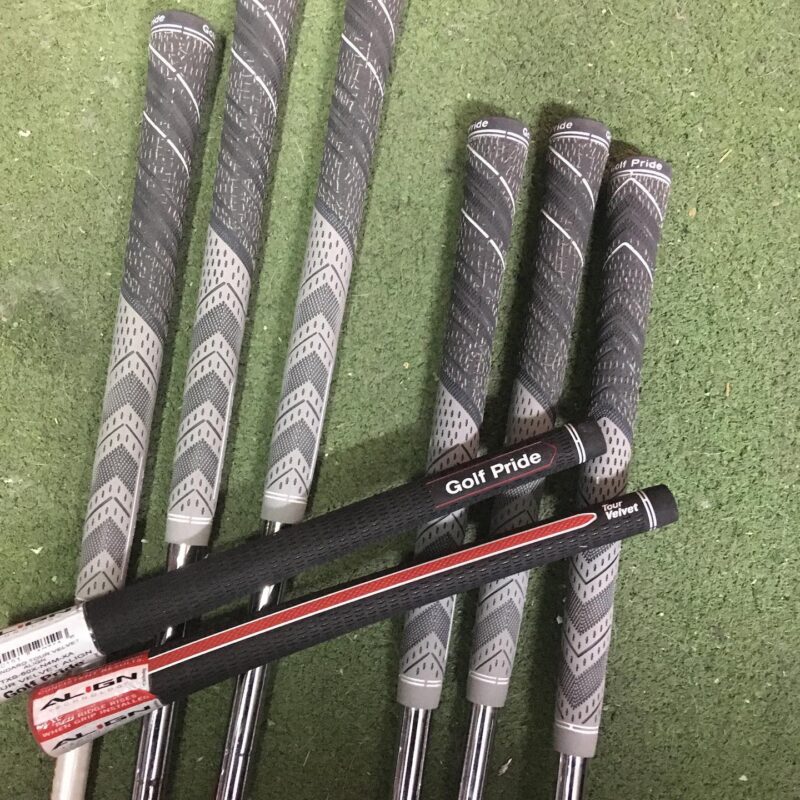
Image Source: highperformancegolf.com
Why Your Grips Matter A Lot
Your golf grips are the only thing connecting you to the club. They are super important. Good grips help you hold the club right. They let you swing with speed and control. Bad grips can make you hold the club too tight. This kills speed and makes shots go wrong.
Think of your grips like the tires on your car. Worn tires don’t grip the road well. Worn grips don’t grip the club well. It makes sense to keep them in good shape. Changing them often is a smart move for any golfer. It doesn’t cost too much compared to new clubs. But it can really help your scores.
Signs Your Golf Grips Are Worn
How can you tell it’s time for new grips? Your grips will tell you. You just need to know what to look for. There are clear signs your golf grips are worn out. Don’t wait until they are falling apart. Check them now and then.
Here are some main signs:
- Smooth, Shiny Spots: New grips feel soft and a bit sticky or rough. This gives you good hold. Worn grips lose this feel. They get smooth and shiny where you hold them. This means the texture is gone. Your hands might slip, especially in rain or sweat.
- Hard Feel: Grips start soft and flexible. Over time, the material gets hard. This happens from use, sweat, dirt, and sunlight. Hard grips don’t absorb shock well. Your hands might feel more vibration. They also offer less feel for the clubhead.
- Cracks or Tears: Look closely at the grip surface. Do you see small cracks? Are there any tears or splits? Any damage means the grip is breaking down. These spots can hurt your hands. They also mess up how you hold the club evenly.
- Faded Color: Grips come in different colors. If your grips look faded, it means they have been exposed to sun and elements. This is a sign the material might be breaking down, even if you don’t see cracks yet.
- Loss of Original Pattern: Many grips have a pattern or texture. This helps with grip. If the pattern is rubbed down and smooth, the grip is worn. You lose the helpful texture that grips your glove or hand.
- You’re Squeezing Too Hard: Are you finding yourself holding the club much tighter than before? Worn grips make you do this. You squeeze harder to stop the club from slipping. This extra tension hurts your swing. It makes muscles tight. It stops the club from releasing properly. This is a major impact of worn golf grips on performance.
- Dirt and Grime That Won’t Come Off: Grips get dirty. You can wash them. But if they still feel slick or caked with dirt after cleaning, they might be too worn. The dirt gets deep into the material.
Paying attention to these signs tells you when to change golf grips. Don’t ignore them. They hurt your game more than you think. Golf grip wear and tear is normal. It happens with every grip.
Impact of Worn Golf Grips on Performance
Bad grips hurt your golf game in many ways. They don’t just feel bad. They mess up your swing and your scores. The impact of worn golf grips on performance is real and often overlooked.
Here’s how old grips can cost you strokes:
- Loss of Control: This is the biggest problem. If your grip slips even a little, you lose control of the clubface. A tiny slip can send the ball far off target. You can’t hit it straight or control the shot shape.
- Reduced Swing Speed: When you worry about the club slipping, you naturally slow down your swing. You can’t swing free and fast. This means less power and less distance on your shots. You squeeze the club instead of swinging it.
- Added Tension: As mentioned, worn grips make you grip tighter. This tension travels up your arms, shoulders, and even back. Tension is the enemy of a good golf swing. It makes your swing stiff and jerky. You lose fluid motion.
- Inconsistent Shots: Because your grip might slip differently each time, your shots become inconsistent. One shot might be okay, the next a hook, the next a slice. You can’t trust your hold on the club.
- Poor Feel: Worn grips lose their ability to transfer feel from the clubhead to your hands. Feel is crucial for distance control, especially on chips and putts. Hard, old grips make it harder to judge how hard to hit the ball.
- Blisters and Hand Pain: Holding a slippery, hard grip too tightly can cause blisters. It can make your hands sore. Playing in pain is no fun and makes golf harder.
Thinking about the impact of worn golf grips on performance should make you check yours often. It’s a simple fix for potentially big problems in your game.
The Lifespan of Golf Club Grips
How long do golf grips really last? The lifespan of golf club grips is not set in stone. It changes a lot based on several things.
The general rule you hear is change them every year. This is a good minimum. But for many golfers, a year is too long.
Here’s what makes a grip wear out faster or slower:
- How Often You Play: This is the main factor. Someone who plays golf once a month will wear out grips much slower than someone who plays three times a week. Practice time counts too! Hitting balls on the range wears grips just like playing rounds.
- A golfer playing once a week might need new grips every 1-2 years.
- A golfer playing 2-3 times a week, plus practice, might need new grips every 6-12 months.
- Golf pros or serious amateurs playing every day might change grips every 3-6 months, or even more often on favorite clubs.
- Think about how many rounds before regripping. 40 rounds is a common number where grips start showing significant wear for many players. But heavy practice adds up too.
- Practice Habits: Do you hit 100 balls at the range several times a week? That’s like playing multiple rounds. Range time puts a lot of wear on grips, especially the grips on your most used clubs (like irons and wedges).
- Weather Conditions: Heat, humidity, rain, and sun all affect grip material.
- Heat and Sun: Can make rubber harder and brittle faster.
- Humidity and Sweat: Make grips slippery. If you play in hot, humid places and sweat a lot, your grips get more wear. Salt from sweat can also affect the material.
- Rain: Playing in the rain requires a good grip. Worn grips are useless in the wet.
- How You Grip the Club: A golfer with a very strong, tight grip will put more pressure and friction on the grip material. This causes faster wear than a golfer with a lighter grip pressure.
- Your Hands: Do you sweat a lot? Are your hands rough? This can affect how quickly grips wear down. Using a glove helps protect both your hand and the grip, but friction still happens.
- Grip Material and Type:
- Rubber Grips: Very common, durable, good feel. Lifespan varies by quality.
- Cord Grips: Have cord fibers mixed in. Offer a firmer feel and great wet-weather grip. Tend to be very durable but can be harder on hands or gloves initially.
- Synthetic/Polyurethane Grips: Often softer, sometimes used on putters. Wear out faster than rubber or cord in some cases.
- Wrap Grips: Can offer a classic feel, but the wrap can start to peel or loosen over time.
- How You Store Your Clubs: Leaving clubs in a hot car trunk damages grips fast. Heat breaks down the rubber. Store your clubs in a cool, dry place indoors.
So, when to change golf grips really depends on your personal situation. Don’t just follow the one-year rule blindly. Check your grips based on how much you play and the conditions. Golf grip wear and tear is constant.
How Often Should Golfers Regrip? A Closer Look
Okay, let’s dig deeper into the frequency. How often should golfers regrip their clubs for best results?
As we said, once a year is the minimum for most casual players. But if you are serious about your game, you likely need to do it more often.
Think about these levels of play:
- Beginner/Casual Golfer (Plays less than 10 rounds a year, little practice): Changing grips yearly is probably fine. Check for signs of wear anyway.
- Weekend Golfer (Plays 1-2 times a month, some practice): Still aiming for yearly is okay. But start checking grips more often, maybe every few months. You might find your favorite iron grip needs changing sooner.
- Regular Golfer (Plays 1-2 times a week, regular practice): You are putting serious wear on your grips. You should think about changing grips every 6 to 9 months. Pay close attention to your most used clubs.
- Dedicated Golfer/Club Champion (Plays multiple times a week, practices a lot): You might need to change grips every 3 to 6 months. Pros often change them even more frequently to ensure perfect feel.
Looking at how many rounds before regripping is also a good way to judge.
- Many fitters and grip makers suggest changing grips after 30-40 rounds.
- If you practice a lot, add roughly one “round” of wear for every 3-4 range sessions where you hit 50-100 balls.
- So, if you play 30 rounds and have 40 range sessions a year (about 10 rounds worth of wear), that’s like 40 rounds of wear in total. It’s likely time to regrip.
Don’t wait for a grip to fail completely. Change it when it starts losing its feel or showing clear signs of wear. Being proactive keeps your connection to the club consistent.
Benefits of Replacing Golf Grips
Why go through the trouble and cost of changing grips? The benefits of replacing golf grips are significant and can truly help your game feel better and perform better.
Here are the main advantages:
- Improved Feel: New grips feel great! They have the right texture and softness. This fresh feel gives you confidence. It makes holding the club a pleasure, not a chore.
- Better Control: With a non-slip surface, you can hold the club securely without squeezing too hard. This lets you control the clubface better through impact. Straight shots are easier to hit.
- Increased Swing Speed: When you don’t have to worry about the club slipping, you can swing more freely and faster. You can put your energy into speed, not into gripping tight. More speed means more distance.
- Reduced Tension: A good grip means you can use less hand pressure. Less tension in your hands and arms leads to a smoother, more natural swing motion. This helps with consistency and prevents fatigue.
- More Consistency: By providing a reliable connection to the club, new grips help you make the same swing more often. This consistency is key to lowering scores.
- Greater Comfort: New grips absorb shock better than old, hard ones. This can reduce vibration and make hitting shots more comfortable, especially on mis-hits. It can help if you have issues like arthritis.
- Confidence Boost: Knowing your grips are in top shape gives you one less thing to worry about on the course. You step up to the ball feeling more confident in your equipment.
- Preventing Injuries: Holding a club too tightly for a long time can lead to hand, wrist, or arm problems. Good grips let you hold the club lighter, reducing strain.
The benefits of replacing golf grips make it a worthwhile investment in your game. It’s like getting a tune-up for your most important piece of equipment – the connection point between you and the club.
The Regripping Process: DIY or Pro?
Once you decide your grips need changing, you have options. You can replace them yourself (DIY) or have a pro shop do it. Both have pros and cons. Thinking about DIY golf grip replacement frequency or using a shop affects your approach.
DIY Golf Grip Replacement
Replacing grips yourself can save money. It’s not super hard, but it takes some basic tools and knowing the steps.
Steps for DIY Grip Change
- Gather Supplies: You need new grips, grip tape (double-sided), grip solvent (or mineral spirits/odorless mineral spirits), a sharp utility knife with a fresh blade, a vise, and a rubber vise clamp.
- Remove Old Grip: Secure the club in the vise using the rubber clamp. Be careful not to crush the shaft. Cut down the length of the old grip with the knife, away from your body. Peel off the old grip and the old tape underneath. Clean any sticky residue off the shaft.
- Apply New Tape: Apply a strip of double-sided grip tape down the length of the shaft where the grip will go. Make sure it’s straight and covers the area. For extra security, add a few wraps of tape at the very end of the shaft (the butt end).
- Prepare Grip and Shaft: Cover the vent hole at the butt end of the new grip with your finger or a tee. Pour grip solvent inside the new grip, slosh it around, and pour it over the tape on the shaft. Be generous with the solvent – it acts as a lubricant.
- Install New Grip: Quickly slide the new grip onto the wet, taped shaft. Make sure it goes on straight. Push it all the way down until the butt end is flush with the end of the shaft.
- Align and Dry: Align the grip logo or pattern straight with the clubface. Make any small adjustments needed quickly before the solvent dries. Let the grip dry for several hours (check solvent instructions, often 12-24 hours) before using the club.
DIY Frequency Considerations
If you do it yourself, the DIY golf grip replacement frequency depends on your willingness and time. You can change one grip whenever it feels bad, instead of doing the whole set at once. This can be convenient but also means you might have clubs with grips in different stages of wear.
Using a Pro Shop or Club Fitter
Most golf shops, driving ranges, or club fitters offer regripping services. This is easier but costs more because you pay for labor.
Benefits of Pro Regripping:
- Expertise: They know how to do it right. They have the right tools and experience.
- Convenience: You just drop off your clubs and pick them up later.
- Access to Grips: They have a wide selection of grips to choose from. They can help you pick the right size and type.
- Proper Installation: They ensure the grip is installed straight and securely.
Cost to Regrip Golf Clubs
The cost to regrip golf clubs varies. It depends on the grips you choose and whether you do it yourself or pay someone.
- Grip Cost: Golf grips themselves range in price.
- Basic rubber grips can be $5 – $8 each.
- Mid-range grips (better quality rubber, different textures) are often $8 – $12 each.
- Premium grips (cord, multi-compound, special materials) can be $12 – $20+ each.
- Putter grips often cost more, from $15 to $40 or even higher for very specialized ones.
- DIY Supplies Cost: If you do it yourself, you buy tape and solvent.
- A roll of grip tape might cost $10 – $20 and last for a few sets.
- Grip solvent is similar, $10 – $20 for a can that lasts for many clubs.
- You might need a knife, vise, and rubber clamp if you don’t have them. These are one-time costs.
- Labor Cost (Pro Shop): If a shop installs them, they charge for labor.
- Labor is typically $2 – $5 per club. Some shops might include labor if you buy the grips from them.
- So, labor for a full set of 13 clubs (minus putter) might be $25 – $65.
Total Cost Examples:
- DIY with Basic Grips (13 clubs): (13 grips x ~$7) + ~$5 tape + ~$5 solvent = ~$91 + one-time tool costs.
- Pro Shop with Mid-Range Grips (13 clubs): (13 grips x ~$10) + (13 clubs x ~$3 labor) = ~$130 + ~$39 = ~$169.
- Pro Shop with Premium Grips (13 clubs): (13 grips x ~$15) + (13 clubs x ~$4 labor) = ~$195 + ~$52 = ~$247.
These are just examples. Prices vary by location and the specific products chosen. When you look at the cost to regrip golf clubs, think of it as an investment in better play and comfort. Compared to buying new clubs, it’s very affordable.
Pro Tips for Grip Longevity
Want your grips to last longer? Follow these tips. Taking care of your grips slows down golf grip wear and tear.
- Clean Your Grips Often: Dirt, sweat, and oils from your hands build up. This makes grips slick and causes them to break down faster.
- Use mild soap and water. Dish soap or basic hand soap works.
- Use a soft brush or cloth. Gently scrub the grip.
- Rinse thoroughly with clean water.
- Dry them completely before putting them away. Do this every few rounds or whenever they feel a bit slick.
- Use a Golf Glove: A glove provides a better connection and reduces friction between your hand and the grip. This protects both.
- Store Clubs Properly: Never leave clubs in a hot car trunk for long periods. The heat degrades the grip material quickly. Store them indoors in a cool, dry place.
- Avoid Harsh Chemicals: Don’t use strong cleaners, bug spray, or sunscreen on your grips. These chemicals can damage the rubber or synthetic materials.
- Rotate Club Use (if possible): If you practice a lot, try to rotate which irons you use for chipping practice, etc., so one or two grips don’t get all the wear.
- Check Them Regularly: Make it a habit to look at your grips. Feel them. If you spot a sign of wear early, you can plan to replace it soon.
By following these tips, you can extend the lifespan of golf club grips. But remember, they won’t last forever.
Interpreting Your Grip Needs
Putting all this together, how do you really know when it’s time? Interpreting your grip needs comes down to checking them often and thinking about your game.
Don’t just wait for the one-year mark. Feel your grips before each round. Look at them. Ask yourself:
- Do they feel smooth or hard?
- Do I have to grip tighter than I want to?
- Do my hands feel okay after a round, or are they sore?
- Are my shots inconsistent, maybe due to a slipping feel?
These questions help you decide when to change golf grips. It’s a personal choice based on how much you play, how you play, and how your grips look and feel. Signs your golf grips are worn are your cue.
Regripping isn’t just maintenance. It’s a way to improve your game. New grips give you confidence and control. They let you swing freely and powerfully. The benefits of replacing golf grips are clear.
Whether you choose DIY golf grip replacement frequency based on your own time, or rely on a pro shop for ease, make regripping a regular part of your golf routine. Don’t let old, worn grips hold back your game. The cost to regrip golf clubs is small for the potential gain.
Frequently Asked Questions (FAQ)
Q: How many rounds before regripping is needed?
A: Many golfers find their grips need changing after about 30-40 rounds. But this number goes down if you practice a lot or play in harsh conditions. Think about your total time holding the club under stress.
Q: Can I just change one grip?
A: Yes! If only one or two grips are worn (like your favorite driver or a wedge you use a lot), you can change just those. This is easy if you do DIY. If a shop does it, they might still charge a small per-club labor fee. It’s often best to change a set of clubs (like all irons) at the same time for a consistent feel.
Q: How long do golf grips last if stored properly?
A: If stored in a cool, dry place away from sun and heat, unused golf grips can last several years in their packaging. Once installed and exposed to air and use, the aging process starts.
Q: Does washing golf grips really help?
A: Yes, washing your grips helps a lot! It removes dirt, sweat, and oils that make grips slippery. It can restore some of the original feel and tackiness. It also helps them last longer by cleaning away harsh substances. Do it regularly.
Q: What’s the difference between rubber and cord grips?
A: Rubber grips are the most common. They offer a comfortable, slightly softer feel. Cord grips have cotton fibers mixed into the rubber. This gives them a firmer feel and much better traction, especially when wet. Cord grips can be rougher on your hands or glove.
Q: How do I know what size grip I need?
A: Most adults use standard size grips. Players with larger hands might need midsize or jumbo grips. Grip size affects how your hands fit on the club and where your fingertips rest on your palm. The right size lets you grip the club lightly. A local pro shop or club fitter can help you figure out your correct size.
Q: Is it worth it to pay extra for premium grips?
A: It depends on your feel preference and budget. Premium grips often use advanced materials or designs that offer specific feels, better shock absorption, or improved wet-weather performance. If you notice a big difference and it helps your confidence and game, the extra cost can be worth it.
Final Thoughts
Your golf grips are small parts of your equipment, but they play a huge role. Don’t let worn-out grips hurt your game. Pay attention to the signs your golf grips are worn. Think about the lifespan of golf club grips based on how much you play. When to change golf grips is less about a strict calendar date and more about the grip’s condition and how it feels to you.
Changing grips is a simple way to see real benefits of replacing golf grips in your control, power, and comfort. Whether you check how many rounds before regripping, tackle the DIY golf grip replacement frequency yourself, or rely on a pro shop for the cost to regrip golf clubs, make it a priority. Keeping your grips fresh is a pro tip everyone can follow for better golf.