
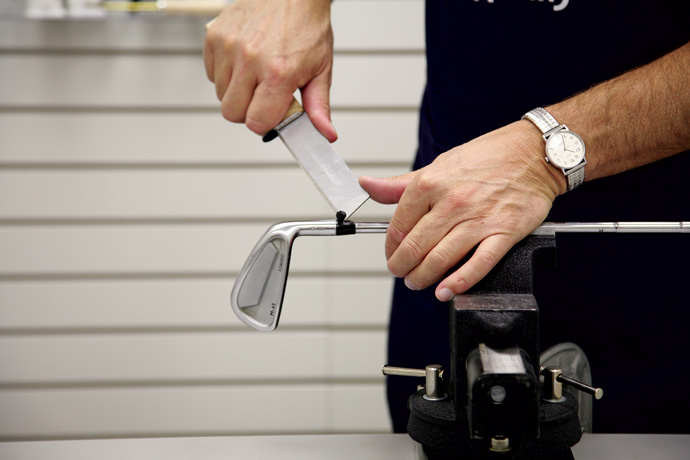
Image Source: ralphmaltby.com
Comprehensive Guide: How Much To Reshaft A Golf Club
Reshafting a golf club usually costs between $20 and $100 per club. This price changes based on the type of shaft, labor, and where you get the work done. The average price to reshaft golf clubs for one club is around $50 to $75 for a new shaft and labor. A driver shaft can cost more. Often, the cost to replace driver shaft is $75 to $150. High-end options can be even more. Iron reshafting labor cost is typically lower than the shaft cost itself, around $20-$40 per club.
Your golf clubs are important tools. They help you play your best game. Sometimes, a shaft breaks. Or maybe you need a better fit. Reshafting is a good choice. It can save you money. It can also make your clubs feel new again. This guide will help you understand all the costs. You will learn what affects the price. You will also see if doing it yourself makes sense.
What Affects Golf Club Reshafting Costs?
Many things change the price of reshafting a golf club. The shaft itself is the biggest part of the cost. Labor charges also play a big role. Where you get the work done matters too. Let’s look at these parts.
Shaft Material: Steel vs Graphite Shaft Replacement Price
The material of your golf shaft greatly affects its cost. Golf shafts mostly come in two types: steel and graphite. Each has different features. Each also has a different price.
- Steel Shafts: These are heavy and strong. They offer good control. Many irons, wedges, and putters use steel shafts. They are usually less costly to buy. They are also easier to work with. This means a lower steel vs graphite shaft replacement price.
- Cost Range: Steel shafts typically cost $10 to $40 per shaft.
- Best For: Golfers who want control and feel. They are good for faster swing speeds.
- Graphite Shafts: These shafts are light. They help golfers swing faster. This often means more distance. Drivers, fairway woods, and hybrids almost always use graphite. Some irons now use graphite too. Graphite shafts cost more than steel shafts. They can also be harder to work with.
- Cost Range: Graphite shafts typically cost $20 to $100 per shaft. High-end models can go up to $200 or even $400.
- Best For: Golfers who need more swing speed. They are good for those who want a lighter feel. Also good for golfers with slower swing speeds.
Here is a quick look at cost differences:
| Shaft Type | Typical Price Range (Shaft Only) |
|---|---|
| Steel | $10 – $40 |
| Graphite | $20 – $100+ (up to $400 for premium) |
Shaft Brand and Quality
Just like cars, golf shafts come from many brands. Some brands are well-known. They cost more. Some shafts are made for specific clubs. They are also more costly.
- Standard Shafts: These are good quality shafts. They come from reliable makers. They do the job well. These are often used for general repairs. Their price is usually in the middle.
- Premium or Aftermarket Shafts: These shafts are designed for top performance. They use special materials. They have unique designs. Brands like Fujikura, Accra, Project X, and True Temper Dynamic Gold are examples. These shafts can cost a lot more. They are often chosen for upgrading golf club shafts price. They give golfers specific swing feels or ball flight.
- OEM (Original Equipment Manufacturer) Shafts: These are shafts that come with new clubs. If you need a direct replacement, it might be an OEM shaft. These can be hard to find alone. Their price varies widely.
A better quality shaft can change your game. But it will also raise the golf club reshafting cost.
Labor Costs and Golf Club Repair Shop Rates
The cost of someone doing the work is labor. This is a key part of the total price. Golf club repair shop rates differ greatly. They depend on where you go and who does the work.
- Big Box Stores: Places like Golf Galaxy or Dick’s Sporting Goods often have lower labor rates. They do many reshafting jobs. They might charge $15 to $30 per club for labor.
- Local Pro Shops: Your club’s pro shop may offer reshafting. Their labor rates might be similar or a bit higher. They often give more personal service. They might charge $20 to $40 per club.
- Golf Club Repair Specialists: These shops focus only on club repair. They have special tools. They have deep knowledge. They might charge more for labor. But their work is often top-notch. They can handle complex jobs. Their labor can be $25 to $50 per club.
- Mobile Club Repair Services: Some services come to you. They offer convenience. Their labor rates might be higher to cover travel.
What Labor Includes: Labor cost covers many steps. These steps make sure your club is fixed right.
1. Shaft Removal: The old shaft must be taken out. This needs heat to melt the epoxy glue.
2. Cleaning: The hosel (where the shaft goes in) must be clean. Old glue must be removed.
3. Shaft Prep: The new shaft’s tip is prepared. It might be sanded down. It might be cut to the right length.
4. Epoxy Application: Special glue is used to join the shaft and clubhead.
5. Curing: The club must sit still. The glue needs time to dry and harden. This can take 12-24 hours.
6. Grip Installation: A new grip is put on. This is usually part of the reshafting job.
The iron reshafting labor cost is typically about the same as a driver. But if you reshaft a full set of irons, shops might give you a small discount on the per-club labor rate. This is good to ask about.
The Grip: How Much for a New Golf Shaft and Grip?
When you reshaft a club, you almost always need a new grip. The old grip often gets cut off. Even if it doesn’t, it might get damaged when the shaft is removed. A new grip is key for good feel and control.
- Grip Costs: Grips come in many styles and prices.
- Basic Grips: These are simple rubber grips. They are often found on entry-level clubs. They might cost $5 to $10 each.
- Mid-Range Grips: These offer better feel and lasting power. Brands like Golf Pride, Lamkin, and Winn are popular. They usually cost $10 to $15 each.
- Premium Grips: These are for specific feels or looks. They might have special materials. They can cost $15 to $25 or more.
- Installation: Most shops include grip installation in the labor charge for reshafting. So, when you ask how much for a new golf shaft and grip, the grip cost is extra. The total cost will be the shaft price plus labor plus the grip price.
Club Type: Driver, Irons, Woods, Wedges, Putters
The type of golf club also changes the reshafting cost. This is mostly because of the shaft type it uses.
- Drivers and Fairway Woods: These clubs almost always use graphite shafts. As we saw, graphite shafts are more expensive. So, the cost to replace driver shaft will be higher. A new driver shaft can cost $50 to $200 for the shaft alone. Add labor and a grip, and the total can be $75 to $250.
- Hybrids: Hybrids can use either graphite or steel shafts. If they use graphite, the cost is similar to woods. If they use steel, it’s closer to irons.
- Irons: Most irons use steel shafts. Some golfers choose graphite for irons. Steel shafts are cheaper. So, reshafting an iron is often less costly per club. An iron shaft might be $10 to $40. With labor and grip, the total could be $35 to $80 per iron. If you do a full set of irons (8 clubs), the total can add up quickly.
- Wedges: Wedges nearly always use steel shafts. Their cost is similar to irons.
- Putters: Putter shafts are unique. They are usually steel. Reshafting a putter is less common. But it is possible. The cost is often similar to irons, maybe $30 to $70 total.
Breaking Down the Broken Golf Club Shaft Repair Cost
When a golf club shaft breaks, it’s a common problem. The broken golf club shaft repair cost depends on how badly it broke. It also depends on what parts need replacing.
Simple Break vs. Complex Issues
- Simple Break: If only the shaft is broken, it’s a straightforward repair. The clubhead is usually fine. The repair shop will remove the broken shaft. Then they will put in a new one. This is the most common and easiest type of reshafting. The cost will be a new shaft plus labor and grip. This is often the situation when you need to replace a driver shaft due to a break.
- Complex Issues: Sometimes, the break is not clean.
- Shaft Stuck in Hosel: Part of the old shaft might be stuck inside the clubhead. This makes removal harder. It can add to the labor time.
- Damaged Hosel: The hosel is the part of the clubhead where the shaft goes. If it’s cracked or bent, the clubhead might be ruined. Repairing a damaged hosel is often not possible. Or it costs too much. In this case, you might need a new club.
- Ferrule Damage: The ferrule is the small black ring where the shaft meets the clubhead. It’s mostly for looks. It can get damaged. Replacing it is cheap. But it adds a small part to the labor.
Always let a professional look at the club first. They can tell you if it’s worth fixing. They can give you an accurate broken golf club shaft repair cost.
Does Insurance Cover It?
Generally, no. Most home or golf-specific insurance policies do not cover normal wear and tear. A shaft breaking from regular use is usually seen as wear and tear.
However, if your club breaks due to a sudden accident, like being hit by a car, or stolen, your insurance might cover it. Check your policy. This is rare for a broken shaft.
Upgrading Golf Club Shafts Price: Is It Worth It?
Reshafting is not just for broken clubs. Many golfers choose to upgrade their shafts. This is to improve performance. Upgrading golf club shafts price can be higher than a simple replacement. But it can be worth it for serious golfers.
Why Upgrade?
- Better Performance: A shaft that fits your swing can make a big difference. It can change how high the ball flies. It can change how much the ball spins. It can give you a better feel.
- Matching Swing Speed and Tempo: Not all shafts are right for all swings. A professional fitter can match a shaft to your swing speed. They can match it to your tempo (how smooth your swing is). This helps you get more distance and accuracy.
- Custom Fitting Benefits: A custom fitting finds the perfect shaft for you. It considers your unique swing data. This is how pros get their clubs just right. Upgrading a shaft is a key part of custom fitting.
The Cost of Upgrading
When you upgrade, you often choose a premium shaft. These shafts use advanced materials. They have special designs. They can be very costly.
- Premium Shafts: These can range from $100 to $400 or more just for the shaft.
- Labor and Grip: Add another $30 to $60 for labor and a grip.
- Total Cost: So, upgrading golf club shafts price can be $130 to $460+ per club. This is a big jump from a basic reshaft.
It’s a big investment. But for many golfers, the performance gains are worth it. A good shaft can add yards to your drive. It can make your iron shots more accurate.
Finding the Right Shaft
- Importance of Professional Fitting: This is the best way to choose an upgrade shaft. A fitter will use launch monitors. They will watch your swing. They will recommend shafts that fit you. This takes out the guesswork.
- Trial and Error (If DIY): If you try to upgrade yourself, it’s harder. You might buy a shaft. It might not be right for you. This can waste money. It’s best to get help from an expert for upgrades.
DIY Golf Club Reshafting Cost Savings: Can You Do It Yourself?
Many people wonder if they can reshaft a golf club at home. The answer is yes. You can do it yourself. This can lead to big diy golf club reshafting cost savings. But it needs the right tools and some skill.
Tools and Materials Needed
To reshaft a club at home, you need several items:
- Shaft Puller: A tool to remove the old shaft without damaging the clubhead. Some use a heat gun and a vice.
- Heat Gun: Used to heat the hosel. This melts the epoxy.
- Vice with Rubber Clamps: To hold the clubhead still. It also protects it.
- Shaft Cutter: A special tool to cut the new shaft to the right length. A hacksaw can work, but a shaft cutter is better.
- Epoxy Glue: Two-part epoxy made for golf clubs. This is very strong.
- Sandpaper or Abrasion Tool: To clean and prepare the shaft tip.
- Ferrules: Small plastic rings that sit at the top of the hosel. They give a clean look.
- Grip Supplies: New grips, grip tape, and grip solvent.
- Masking Tape: To protect the clubhead during work.
- Safety Glasses and Gloves: Always wear safety gear.
The initial cost of these tools can be $100 to $300. This is a one-time cost. If you plan to reshaft many clubs, it might be worth it.
The Process (Simplified)
Here are the basic steps for DIY reshafting:
- Remove Old Grip: Cut off the old grip.
- Remove Old Shaft: Heat the hosel with a heat gun. This melts the old epoxy. Carefully pull out the shaft. Use a shaft puller if you have one.
- Clean Hosel: Remove all old epoxy from inside the clubhead’s hosel. Use a drill bit or a wire brush. Make sure it is very clean.
- Prepare New Shaft: Lightly sand the tip of the new shaft. This helps the epoxy stick. Cut the shaft to the right length.
- Mix Epoxy: Mix the two parts of the golf epoxy. Do it right.
- Apply Epoxy: Put epoxy on the shaft tip and inside the hosel.
- Insert Shaft: Push the new shaft firmly into the clubhead. Turn it to spread the glue.
- Add Ferrule: Slide the ferrule down the shaft. Push it onto the hosel.
- Cure Time: Let the club sit. The epoxy needs 12-24 hours to fully dry and harden. Do not use the club during this time.
- Install New Grip: Once the epoxy is hard, put on the new grip.
DIY Savings Explained
The main saving from DIY is the labor cost. You pay only for the shaft and grip.
- Cost Breakdown:
- Shaft: $10 – $200+ (depending on type)
- Grip: $5 – $25+
- Epoxy, ferrules, tape: $5 – $10 (per club, if buying in bulk)
- Total DIY Cost: $20 – $235+ per club (after initial tool investment)
Compare this to a professional job. A professional job adds $20-$50 for labor. So, diy golf club reshafting cost savings can be significant. You might save $20 to $50 per club. If you do many clubs, the savings add up fast. You could save 50% or more per club on labor costs.
However, consider these points:
- Time and Effort: It takes time to learn and do it right.
- Risk of Error: If you make a mistake, you could ruin the shaft or clubhead. This means more cost.
- No Warranty: Your work won’t have a shop’s guarantee.
- Skill Level: Do you feel good about doing precise work?
When to DIY vs. Professional
- DIY if: You have the tools. You are good with your hands. You want to save money. You are fixing a spare club. Or you like tinkering.
- Professional if: It’s your main club. You want a perfect job. You don’t have the tools. You are worried about doing it wrong. Or you need a custom fitting.
For a simple broken shaft and a basic replacement, DIY can be great. For an expensive upgrade, a professional is usually better.
Saving Money on Golf Club Reshafting
Even if you don’t DIY, there are ways to lower your golf club reshafting cost.
Shop Around for Golf Club Repair Shop Rates
Don’t go to the first place you see. Call different shops. Ask about their golf club repair shop rates.
* Get Quotes: Ask for a total price. Make sure it includes the shaft, labor, and a grip.
* Check Online Retailers: You can often buy shafts online for less. Then, take the shaft to a local shop. They might charge you just for labor and the grip. Make sure the shop will install a shaft you bought elsewhere. Some shops might not.
Buying Used or Discounted Shafts
- Used Shafts: Websites like eBay or golf forums sell used shafts. These can be much cheaper. But be careful. Check for damage. Make sure it’s the right shaft for you.
- Sales and Clearances: Look for sales. Golf stores often clear out old stock shafts. You can find good deals on new shafts.
Bulk Reshafting
If you need to reshaft more than one club, ask about a discount. Many golf club repair shops offer a lower per-club labor rate if you do a full set of irons. Or if you do multiple clubs at once.
Basic vs. Premium Grips
As discussed, grips vary in price. A basic rubber grip will save you money. It will work just as well as a more expensive one for many golfers. Choose a grip that fits your needs and budget. You don’t always need the priciest grip.
Final Thoughts on Your Golf Club Reshafting Investment
Reshafting a golf club is a smart choice. It can bring life back to a broken club. It can also fine-tune your performance. The golf club reshafting cost varies. It depends on the shaft, labor, and where you go. From a simple repair to a full upgrade, you have many choices.
Remember, the average price to reshaft golf clubs is between $50 and $75 for a typical job. This covers the shaft, labor, and a new grip. A broken golf club shaft repair cost usually falls in this range too. Upgrading golf club shafts price can be much higher. It depends on the shaft you choose. Diy golf club reshafting cost savings are possible. But they require tools and skill.
Consider the value. A reshafted club can feel new again. It can help your game. This is often cheaper than buying a whole new club. Make an informed choice. It will lead to better golf for you.
Frequently Asked Questions (FAQ)
How long does it take to reshaft a golf club?
The actual work of reshafting a club takes a short time. A skilled club builder can do it in 15-30 minutes per club. However, the epoxy glue needs time to dry. This is called “curing time.” Most shops will ask you to wait 12-24 hours before using the club. This makes sure the glue is fully strong. So, expect to leave your club for 1-2 days.
Can any shaft be put on any clubhead?
No, not any shaft. Golf shafts and clubheads have different tip sizes. The shaft tip must fit the clubhead’s hosel opening. Common tip sizes are .335″ for drivers, .370″ for parallel irons, and .355″ for taper-tip irons. Weight, flex, and bend profile also matter. A professional can help you choose the right shaft for your clubhead and swing.
Is it better to reshaft or buy a new club?
This depends on a few things.
* Clubhead Condition: If your clubhead is in good shape, reshafting is usually cheaper. It is also good for clubs you really like.
* Cost: Reshafting is often less costly than a new club. Especially if you have a premium clubhead.
* Upgrade Desired: If you want a better-performing shaft, reshafting is perfect. It allows you to keep your favorite clubhead.
* Outdated Technology: If your clubhead is very old, buying a new club might be better. Newer clubheads have new tech. They might give you more distance or forgiveness.
How do I know if I need a new shaft?
You might need a new shaft if:
* It’s broken or cracked: This is clear.
* The flex is wrong: Your swing speed might have changed. Or the shaft does not feel right.
* You get bad results: Shots go too high, too low, or off line often. This could be due to a poor shaft fit.
* It feels dead: The club just doesn’t feel right anymore.
Does reshafting affect club warranty?
Yes, usually. Reshafting your club almost always voids the original manufacturer’s warranty. The maker only covers defects in their original product. When you change the shaft, you change the product. If your club is new and still under warranty, think carefully before reshafting.