
Perfect PSI: How Much Air In A Golf Cart Tire Guide
How much air should be in a golf cart tire? Most golf cart tires need between 15 and 25 pounds per square inch (PSI) of air. The exact golf cart tire PSI depends on your specific cart, its weight, and how you use it. Always check your tire’s sidewall or your cart’s owner’s manual for the recommended golf cart tire pressure. This simple step keeps your cart safe and running well.
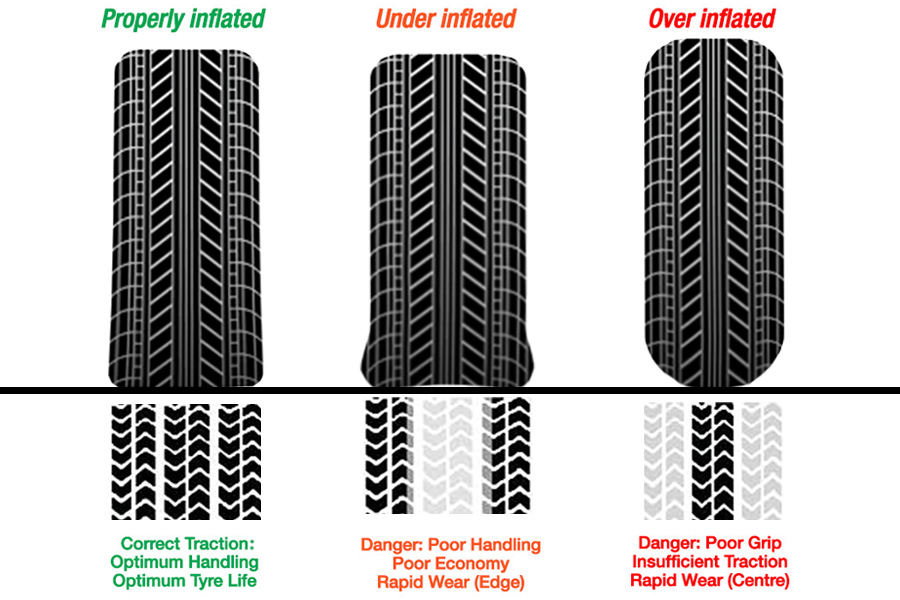
Image Source: jsgolfcarts.com
The Crucial Role of Correct Tire Pressure
Your golf cart’s tires are the only parts touching the ground. They carry all the weight. The air inside them does a lot of work. Proper air pressure helps your cart ride smooth. It makes sure your cart handles well. It also keeps you safe. When tires have the right golf cart tire PSI, they last longer. They also help your cart use less power, whether it runs on gas or electricity.
Think of tire pressure like a spring. Too much air makes it hard. Too little air makes it squishy. Just right gives you the best bounce. This means a better ride. It also means fewer problems with your tires.
Correct optimal golf cart tire inflation is not just about comfort. It impacts how much control you have. It changes how far an electric cart can go. It also affects how much gas a gas cart uses. Ignoring tire pressure can lead to big problems. These include flat tires, blowouts, and uneven wear. These issues can cost you money and time. Always pay attention to your tires. They are key to a good golf cart experience.
Pinpointing the Right PSI for Your Cart
Finding the right golf cart tire PSI is easy. Look at the tire itself. On the sidewall of every tire, you will see numbers. One set of numbers tells you the maximum PSI. This is the most air the tire can hold safely. Your cart’s recommended golf cart tire pressure might be lower than this maximum.
Most golf cart tires work best between 15 and 25 PSI. For many standard golf carts, 20-22 PSI is a good starting point. But always check what your cart maker says. This information is often in your owner’s manual. It might also be on a sticker. Look on the cart’s frame or in the glove box.
The weight your cart carries also plays a role. If you often carry many people or heavy gear, you might need a bit more air. This extra air helps the tires support the load. But do not go over the maximum PSI. Too much air can be just as bad as too little. Aim for the optimal golf cart tire inflation for your specific use.
Here is a general guide for common golf cart tires:
| Tire Type/Size (Common) | Recommended PSI Range (General) | Notes |
|---|---|---|
| Standard (e.g., 18×8.5-8) | 18-22 PSI | Most common for golf course use. |
| Low Profile (e.g., 205/50-10) | 20-25 PSI | Often found on custom carts, more road use. |
| All-Terrain (e.g., 22×10-10) | 15-20 PSI | For off-road use, lower PSI for grip. |
| Heavy-Duty/Utility | 25-30 PSI (Check Sidewall) | For carts carrying heavy loads. |
Remember, these are general numbers. Your cart’s specific needs might be different. Always check your tire’s sidewall first. Then, check your cart’s manual. These are the most accurate sources.
Different Carts, Different Needs
Not all golf carts are exactly alike. They come in different sizes. They have different engines or motors. These differences can change the ideal tire pressure. Thinking about your specific cart helps.
Electric Golf Cart Tire Pressure
Electric golf carts carry heavy batteries. These batteries add a lot of weight. This weight sits low in the cart. Because of this extra weight, electric golf cart tire pressure is very important.
Often, electric carts need tire pressure at the higher end of the recommended range. If your standard cart tires say 15-25 PSI, an electric cart might do best at 20-22 PSI. This helps the tires support the battery weight. It also helps the cart roll easily. Easy rolling means less power needed. This can make your battery last longer between charges.
Always keep the pressure consistent in all four tires. Uneven pressure can make the cart pull to one side. It can also make the ride rough. For electric golf cart tire pressure, consistency is key. It helps with battery life and ride comfort.
Gas Golf Cart Tire Pressure
Gas golf carts do not have heavy batteries. They are generally lighter than electric carts. Because they are lighter, gas golf cart tire pressure might be at the lower end of the recommended range. For example, 18-20 PSI might be fine for a standard gas cart.
However, the general rule still applies. Check the tire’s sidewall. Look in your owner’s manual. Your cart’s maker knows best. If you use your gas cart for heavy work, like hauling things, you might need more air. This helps the tires handle the extra load.
The goal for both electric golf cart tire pressure and gas golf cart tire pressure is the same. You want enough air to support the cart. You want to make sure the tires last long. You want a smooth, safe ride. Always adjust pressure based on your specific cart and how you use it. Regular checking golf cart tire air is essential for both types.
The Dangers of Incorrect Inflation
Having the wrong amount of air in your golf cart tires can cause many problems. These problems range from small annoyances to serious safety risks. Both too little air and too much air are bad. Knowing the risks helps you keep your tires at the right golf cart tire PSI.
Underinflated Golf Cart Tires: The Hidden Costs
When your tires do not have enough air, they look squishy. This might seem harmless, but it causes many issues. Underinflated golf cart tires flex too much. This creates more friction with the ground.
Here’s what happens:
* Poor Handling: The cart feels mushy. It is harder to steer. It might pull to one side. You have less control.
* Increased Wear: The edges of the tire touch the ground more. This wears out the tire quickly and unevenly. Your tires will not last as long. You will need to buy new tires sooner.
* Reduced Range/Fuel Economy: For electric carts, low tire pressure means the motor works harder. This uses up battery power faster. Your cart will not go as far. For gas carts, the engine uses more fuel. This costs you more money.
* Higher Risk of Flats or Blowouts: The excessive flexing causes heat to build up inside the tire. This heat can weaken the tire’s structure. It makes the tire more likely to blow out, especially at speed. It also makes flats more common.
* Less Stable Ride: The cart might feel unstable. This is especially true when turning. It can be a safety concern for you and your passengers.
All these issues mean more money spent and less safe rides. Always check your golf cart tire PSI regularly to avoid these hidden costs.
Overinflated Golf Cart Tires: A Bumpy Ride
While some people think more air is better, overinflated golf cart tires also cause big problems. When a tire has too much air, it becomes very hard. Only the very center of the tire touches the ground.
Here’s why too much air is bad:
* Harsh Ride: The tires act like hard bouncing balls. You feel every bump and crack in the path. This makes the ride uncomfortable.
* Reduced Traction: Only a small part of the tire touches the ground. This means less grip. Your cart might slide or slip, especially on wet or loose surfaces. It makes stopping harder.
* Wear in the Center of the Tire: Because only the middle touches the ground, that part wears out much faster. The tire will look worn down the middle. This means you need new tires sooner.
* Increased Risk of Sudden Blowouts: A very hard tire is more likely to burst if it hits a sharp object or a big pothole. The pressure inside makes it less flexible. It cannot absorb impacts well. This can be dangerous.
* Damage to Suspension: The hard tires transmit more shock to the cart’s suspension parts. Over time, this can lead to wear and tear on these parts.
Neither underinflated golf cart tires nor overinflated golf cart tires are good. The best path is the middle path: optimal golf cart tire inflation. This balance gives you the best ride, safety, and tire life.
How to Check Your Golf Cart Tire Air (and When)
Checking golf cart tire air is simple. You only need a few tools. Doing it often keeps your cart safe and performing well.
Tools You Need:
1. Tire Pressure Gauge: Get a good quality one. Digital gauges are easy to read. Pencil-style gauges are also fine. Make sure it reads PSI.
2. Air Compressor or Bike Pump: You will need a way to add air if your tires are low. A small portable air compressor that plugs into your cart’s accessory port (if it has one) or a standard wall outlet is very handy. A strong bicycle pump can also work.
Steps to Check Tire Pressure:
1. Check When Tires Are Cold: This is important. Tires heat up when you drive. Hot tires show higher pressure. For an accurate reading, check the tires before driving your cart. Or, wait at least three hours after a short drive. Wait even longer after a long drive.
2. Remove the Valve Cap: Take off the small cap on the valve stem of one tire. Keep it somewhere safe so you do not lose it.
3. Press the Gauge On: Push the tire pressure gauge firmly onto the valve stem. You will hear a short hiss of air. Make sure the gauge is straight and presses down hard. This stops air from leaking out.
4. Read the PSI: The gauge will show a number. This is your current golf cart tire PSI. If you are using a digital gauge, it will light up. If it is a pencil-style, the small stick will pop out.
5. Compare to Recommended PSI: Check this number against what your cart’s manual or tire sidewall says.
6. Add or Release Air as Needed:
* If too low: Connect your air compressor or pump to the valve stem. Add a little air. Re-check the pressure. Repeat until you reach the correct PSI. Add air slowly. It is easier to add more than to let air out.
* If too high: Use the small knob or lever on your gauge (or carefully push the small pin in the center of the valve stem with a tiny tool) to let out a little air. Do this slowly. Re-check the pressure. Repeat until you reach the correct PSI.
7. Replace the Valve Cap: Put the valve cap back on tightly. It keeps dirt and moisture out of the valve stem.
8. Repeat for All Tires: Do this for every tire on your golf cart, including the spare if you have one.
How Often to Check:
Aim to check your golf cart tire PSI at least once a month. If you use your cart often, or if the weather changes a lot, check more often. Big temperature changes can cause tire pressure to go up or down. A drop of 10 degrees Fahrenheit can mean a drop of 1 PSI.
Making checking golf cart tire air a regular habit saves you trouble. It helps your tires last. It keeps your cart safe. It makes your ride smooth.
Deciphering Your Golf Cart Tire Pressure Chart
Many golf carts, especially newer models, come with a specific golf cart tire pressure chart or sticker. This chart tells you the exact PSI your cart needs. It is like a special instruction guide just for your cart’s tires.
Where to Find It:
* Owner’s Manual: This is the best place to start. Your cart’s manual will have a section on tire care. It will clearly state the recommended golf cart tire pressure.
* Sticker on the Cart: Look for a sticker on the cart itself. Common spots include:
* Inside the glove compartment.
* On the door jamb (if your cart has doors).
* Under the seat.
* On the frame near the front wheels.
* Inside the battery compartment (for electric carts).
This sticker or chart is put there by the cart maker. They know the cart’s weight and design best. Following their advice ensures optimal golf cart tire inflation for your specific model.
What the Chart Looks Like and How to Read It:
A golf cart tire pressure chart usually looks like a small table or a simple list. It might state one specific PSI number, or it might give a small range.
Example of a Golf Cart Tire Pressure Chart (Hypothetical):
| Location/Axle | Tire Size | Recommended PSI | Notes |
|---|---|---|---|
| Front | 18×8.5-8, 4-ply | 20 PSI | For standard usage. |
| Rear | 18×8.5-8, 4-ply | 20 PSI | Max passengers: 4. |
| All Tires | For Heavy Loads | 25 PSI | When carrying over 500 lbs of cargo. |
| Spare Tire | (If applicable) | 22 PSI | Check regularly. |
This chart gives clear instructions. For most golf course driving, this cart would need 20 PSI in all tires. But if you loaded it up with heavy bags or utility items, you would raise the pressure to 25 PSI. This is why reading the chart is important. It helps you adjust for different uses.
Some charts might just list a single number. For example, “All Tires: 22 PSI.” This means 22 PSI is the target for normal use.
Always refer to your cart’s specific chart. Do not guess. This chart is your best guide for getting the golf cart tire PSI just right. It helps avoid underinflated golf cart tires and overinflated golf cart tires.
Golf Cart Tire Maintenance Tips for Longevity
Proper golf cart tire PSI is just one part of good tire care. A few simple golf cart tire maintenance tips can make your tires last much longer. They also keep your cart safe and running at its best.
Here are key tips for keeping your golf cart tires in top shape:
-
Check Pressure Regularly: We have talked about this a lot. It is the most important tip. Check your tires at least once a month. Do it more often if the weather changes a lot. Also, check before any long rides or if you are carrying extra weight. This helps maintain
optimal golf cart tire inflation. -
Inspect for Damage: Look at your tires closely. Do this every time you check the pressure. Search for:
- Cuts or Cracks: Small cuts can grow larger. Cracks often appear on older tires.
- Bulges or Bumps: These mean the inner structure of the tire is damaged. This is very dangerous. Replace such a tire immediately.
- Punctures: Look for nails, screws, or sharp objects stuck in the tread.
- Uneven Wear: If one part of the tire is wearing faster than another, it can mean wrong pressure or a problem with the cart’s alignment or suspension.
-
Keep Tires Clean: Mud, dirt, and chemicals can harm tire rubber over time. Wash your tires when you wash your cart. Use mild soap and water. Rinse them well.
-
Rotate Your Tires: Just like car tires, golf cart tires can benefit from rotation. The front tires wear differently than the rear tires. Moving them around helps them wear more evenly. This makes them last longer. Ask a professional or check your manual for how often to rotate. For many golf carts, rotating every 6-12 months or every 100-200 hours of use is a good idea.
-
Store Properly: If you store your golf cart for a long time (like over winter), do these things:
- Inflate to Max PSI: Inflate tires to their maximum recommended PSI (found on the sidewall). This helps prevent flat spots.
- Lift the Cart: If possible, lift the cart off the ground using jack stands. This takes the weight off the tires completely.
- Cover Tires: Protect tires from direct sunlight. UV rays can dry out and crack the rubber.
- Avoid Harsh Chemicals: Keep tires away from oil, grease, and other strong chemicals.
-
Avoid Overloading: Do not carry more weight than your golf cart is designed for. Overloading puts too much stress on the tires. It can cause them to fail.
-
Drive Carefully: Avoid hitting curbs, potholes, or sharp objects. These can damage tires and wheels. Drive at safe speeds. Do not make sharp turns at high speeds.
Following these golf cart tire maintenance tips helps you get the most life out of your tires. It also keeps your cart safer and performing well for years to come.
Common Misconceptions About Tire Pressure
There are many wrong ideas about tire pressure. Believing these can lead to problems with your golf cart. Let’s clear up some common myths.
-
“More air is better for speed or mileage.”
- Truth: While slightly higher pressure might seem to reduce rolling resistance, going over the
recommended golf cart tire pressurecausesoverinflated golf cart tires. This makes your ride harsh. It also reduces traction. It wears out the center of the tire too fast. It does not truly make your cart faster or save much fuel in a beneficial way. It is far more likely to cause dangerous blowouts or accidents.
- Truth: While slightly higher pressure might seem to reduce rolling resistance, going over the
-
“You can tell if a tire is low by looking at it.”
- Truth: This is a big myth. Tires can be significantly
underinflated golf cart tireswithout looking flat. A tire can be 10-20% low on air and still look okay. You might not notice it until it is dangerously low. The only way to know the correctgolf cart tire PSIis to use a tire pressure gauge. Always use a gauge. Your eyes cannot tell you the exact pressure.
- Truth: This is a big myth. Tires can be significantly
-
“Temperature doesn’t matter for tire pressure.”
- Truth: Temperature matters a lot. For every 10-degree Fahrenheit change in air temperature, your tire pressure changes by about 1 PSI. When it gets colder, your tire pressure goes down. When it gets hotter, it goes up. This is why you should check your tires when they are cold. It is also why you might need to add or release air as seasons change.
-
“New tires come with the right amount of air.”
- Truth: New tires often come with extra air in them from the factory or shop. This is for shipping and storage. You must check and adjust the
golf cart tire PSIto your cart’s recommended level before using them. Never assume new tires are ready to go.
- Truth: New tires often come with extra air in them from the factory or shop. This is for shipping and storage. You must check and adjust the
-
“All golf cart tires use the same PSI.”
- Truth: This is false. As we discussed, different types of tires (standard, low profile, all-terrain) and different cart types (electric, gas, utility) have different ideal pressures. Always consult your specific tire’s sidewall and your cart’s
golf cart tire pressure chartor manual. There is no one-size-fits-all number.
- Truth: This is false. As we discussed, different types of tires (standard, low profile, all-terrain) and different cart types (electric, gas, utility) have different ideal pressures. Always consult your specific tire’s sidewall and your cart’s
Dismissing these myths helps you better care for your golf cart tires. Always rely on facts, not assumptions, when it comes to optimal golf cart tire inflation.
Frequently Asked Questions (FAQ)
Q1: What is the best PSI for golf cart tires?
A1: The best PSI for golf cart tires is typically between 15 and 25 PSI. However, the most accurate pressure is found on the tire’s sidewall (maximum PSI) or in your golf cart’s owner’s manual or golf cart tire pressure chart. Most standard carts will do well around 20-22 PSI.
Q2: Can I put regular car tires on a golf cart?
A2: No, you should not put regular car tires on a golf cart. Car tires are designed for much higher speeds, heavier loads, and different suspension systems. Golf cart tires are built for lower speeds, lighter weights, and specific turning needs. Using car tires can lead to poor handling, uneven wear, and safety issues. Always use tires made specifically for golf carts.
Q3: How often should I check my golf cart tire pressure?
A3: You should check your golf cart tire PSI at least once a month. If you use your cart very often, or if the temperature changes a lot where you live, check them more frequently, such as every two weeks. Always check tires when they are cold for the most accurate reading.
Q4: Does tire pressure affect golf cart speed?
A4: Yes, tire pressure can affect golf cart speed and overall performance. Underinflated golf cart tires create more rolling resistance. This makes the motor work harder. It can slightly reduce top speed and greatly reduce battery range (for electric carts) or fuel economy (for gas carts). Overinflated golf cart tires can reduce traction. This might make the cart feel faster but makes it unsafe and wears out the tires quickly. Optimal golf cart tire inflation ensures peak performance and efficiency.
Q5: Why do my golf cart tires lose air so fast?
A5: Golf cart tires can lose air for several reasons. Small leaks can come from the valve stem, the tire bead (where the tire seals against the wheel), or a tiny puncture in the tread. Old or cracked tires can also lose air more quickly. Sometimes, large temperature drops cause a noticeable drop in pressure. If you are constantly adding air, have a professional check your tires and wheels for leaks.
Maintaining the correct golf cart tire PSI is a small effort with big rewards. It keeps your golf cart safe. It ensures a smooth ride. It helps your tires last longer. Make checking your tires a regular part of your golf cart routine. Your cart, and your wallet, will thank you.