
A standard golf set usually has a group of irons. The number of irons can change. Most golfers carry between 6 to 9 irons in their bag. This is part of a full set of 14 clubs. The rules say you cannot have more than 14 clubs. This means the number of irons you carry will depend on what other clubs you have. These other clubs include the driver, fairway woods, wedges, and putter. The exact mix of clubs helps you play your best.
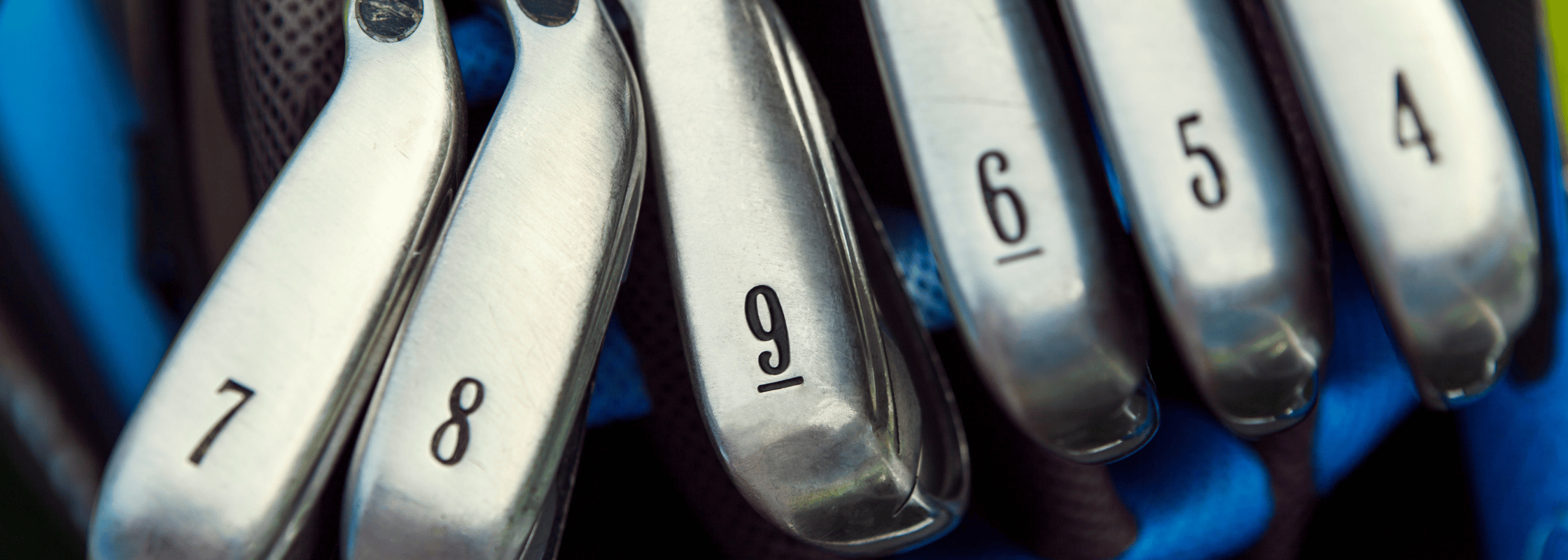
Image Source: ucarecdn.com
Grasping the Basics of a Golf Set
Golf is a game of skill. It needs different clubs. Each club does a special job. A full set helps a player hit shots of all kinds. The rules of golf say how many clubs you can carry. This is important for all golfers to know.
The 14-Club Limit: Golf Bag Club Limit Rules
The main rule about clubs is simple. You can carry no more than 14 clubs. This rule is set by golf’s main bodies. These are the R&A and the USGA. Most golfers follow this rule. It stops players from having too many choices. It makes the game fair for everyone.
If you have more than 14 clubs, you get a penalty. This penalty means you add strokes to your score. So, it is very important to count your clubs. Count them before you start your round. Make sure you have 14 or fewer clubs. This maximum clubs allowed in golf bag rule is a core part of the game.
Standard Golf Set Composition: What’s In a Typical Bag?
A typical golf bag has a mix of clubs. Each club type has a special use. Knowing what each club does helps you play better. Let’s look at the main golf club types full set.
Drivers
The driver is a very long club. It has a big head. You use it to hit the ball far. This is usually from the tee box. The tee box is where you start each hole. The driver helps you get a good start on long holes. It sends the ball a long way down the fairway.
Fairway Woods
Fairway woods are like drivers. But they are a bit shorter. Their heads are also smaller. You can hit these clubs from the tee. You can also hit them from the fairway. The fairway is the short grass on the course. Fairway woods help you hit the ball far. But they also give you more control than a driver. They are good for long shots when you need to be accurate.
Irons: The Heart of the Bag
Irons are very important. They are the main focus of this post. They help you hit the ball different distances. They also help you hit the ball high or low. Irons are made of metal. Their faces are flat. They have grooves on them. These grooves help spin the ball. Irons are numbered. The lower the number, the longer the club. A lower number means the ball will go farther. We will look at irons more deeply soon.
Wedges: Special Irons for Short Shots
Wedges are a type of iron. They have more “loft.” Loft means the club face is angled back more. This makes the ball fly very high. It also makes the ball stop quickly. Wedges are used for short shots. They are good for shots around the green. They also help you get out of sand traps. Wedges are crucial for good scores.
Putters: For the Green
The putter is a special club. It is only used on the green. The green is the area of very short grass around the hole. You use the putter to roll the ball into the hole. It does not lift the ball high. It just makes it roll smoothly. Having a good putter is key to finishing strong.
Diving Deeper into Irons: Numbered Irons in a Golf Bag
Irons make up a big part of any golf set. They are numbered from 1 to 9. But most golfers do not carry all of them. Each number means a different club. Each club helps you hit the ball a different distance.
What Are Irons For?
Irons are used for many types of shots. You use them when you are not on the tee. Or when you are too close for a driver or wood. They help you get the ball onto the green. They are good for shots from the fairway. They are also good for shots from the rough. The rough is the longer grass beside the fairway.
Irons are called “irons” because they used to be made only of iron. Now, they are made from different metals. But the name stuck.
The Loft of Irons
Each iron has a different “loft.” Loft is the angle of the club face. A lower-numbered iron has less loft. This means its face is more upright. It hits the ball farther. A higher-numbered iron has more loft. Its face points up more. It hits the ball higher. It also makes the ball travel a shorter distance. This change in loft helps you choose the right club for each shot.
Different Groups of Irons
Irons can be put into three groups. These groups help you choose.
h5 Long Irons (2-iron, 3-iron, 4-iron)
- 2-iron: Very low loft. It hits the ball very far. It is hard to hit well. Many golfers do not use a 2-iron. Some players use a hybrid club instead. A hybrid club is easier to hit than a long iron.
- 3-iron: Also has low loft. It hits the ball far. It is still hard for many to hit. It is often replaced by a hybrid club. Or it might be left out of the bag.
- 4-iron: Has more loft than a 3-iron. It is easier to hit. It still hits the ball a good distance. Many golfers start their iron set with a 4-iron.
Long irons are for long shots. They are good when you need to reach a distant green. But they are hard to hit straight.
h5 Mid Irons (5-iron, 6-iron, 7-iron)
- 5-iron: A good middle-distance iron. It is easier to hit than long irons. It gives you a good mix of distance and control.
- 6-iron: Another mid-distance iron. It offers more control than a 5-iron. It is a popular club for many shots.
- 7-iron: This is often a favorite club. It is very versatile. Many golfers use it for shots that need good aim. It is easier to hit high and straight. It is a key club for many players.
Mid irons are often the core of a golf set. They give a good balance of distance and accuracy. They are used for many shots on the course.
h5 Short Irons (8-iron, 9-iron)
- 8-iron: This iron hits the ball higher. It goes a shorter distance. It is good for shots into the green. It helps the ball stop quickly.
- 9-iron: This iron hits the ball even higher. It goes the shortest distance of the numbered irons. It is good for approach shots. It helps the ball land softly on the green.
Short irons help you hit the ball close to the hole. They are great for aiming for the flag. They give you good control over the ball’s flight.
Here is a simple table showing typical distances for irons. Keep in mind these are just averages. Your own distances will vary.
| Iron Number | Typical Distance (Yards) | Main Use |
|---|---|---|
| 2-iron | 190-220 | Very long shots, hard to hit |
| 3-iron | 180-210 | Long shots, often replaced by hybrids |
| 4-iron | 170-200 | Long approach shots, many sets start here |
| 5-iron | 160-190 | Mid-range approach shots, versatile |
| 6-iron | 150-180 | Mid-range approach shots, good control |
| 7-iron | 140-170 | Common approach shots, high accuracy |
| 8-iron | 130-160 | Shorter approach shots, good for stopping ball |
| 9-iron | 120-150 | Shortest approach shots, high trajectory |
Wedges Included in Golf Set: Special Short-Game Tools
Wedges are very important for the short game. They are like special irons. They have even more loft than a 9-iron. This extra loft helps the ball fly high. It also helps the ball stop quickly on the green. A full set often includes several wedges.
Pitching Wedge (PW)
- Loft: Usually around 44-48 degrees.
- Use: This wedge is for pitching shots. These are full swings from about 100-120 yards. It is also good for chipping shots. Chipping is a short, low shot around the green. The pitching wedge often comes as part of a set of irons.
Gap Wedge (GW) or Approach Wedge (AW)
- Loft: Usually around 48-52 degrees.
- Use: This wedge fills the “gap” in distance. It sits between the pitching wedge and the sand wedge. It is for shots that are too short for a pitching wedge. But too long for a sand wedge. Many golfers buy this wedge separately.
Sand Wedge (SW)
- Loft: Usually around 54-58 degrees.
- Use: This wedge is designed for sand traps. It has a special bottom part called “bounce.” This helps it glide through the sand. It also works well for short shots from the rough. It is great for shots that need to get up fast.
Lob Wedge (LW)
- Loft: Usually around 58-64 degrees.
- Use: This wedge has the most loft. It makes the ball go very high. It lands very softly. It is good for shots over obstacles. You use it when you need to stop the ball quickly. It is also great when you have little green to work with.
Most golfers carry 3 or 4 wedges. They pick them based on their playing style. They also pick them based on the courses they play.
Driver and Putter in Golf Set: The Essentials
Beyond the irons and wedges, two clubs are always in a golf bag. These are the driver and the putter. They are key for starting and finishing each hole.
The Driver
As noted before, the driver is for maximum distance. It is usually the first club you hit on long holes. It is critical for getting a good position on the fairway. A good drive sets up the rest of the hole.
The Putter
The putter is for getting the ball in the hole. It is used on the green. Good putting can save many strokes. Many golfers say “drive for show, putt for dough.” This means putting is key to scoring well. You will always have one putter in your bag.
Fairway Woods vs Irons in Set: Making Choices
When you build your set, you choose between different clubs. Fairway woods and long irons often do similar jobs. They both hit the ball far. But they do it in different ways.
Fairway Woods
- Pros: Easy to hit high. Good from the fairway. Often go farther than long irons. More forgiving of bad hits.
- Cons: Less precise control. Can be harder to hit from the rough.
Long Irons (e.g., 3-iron, 4-iron)
- Pros: Offer more control. Good for lower shots. Can be used from different lies.
- Cons: Harder to hit well. Not as forgiving. Can be hard to get the ball up in the air.
Many golfers now choose to carry fewer long irons. Instead, they use fairway woods or hybrid clubs. Hybrid clubs mix features of irons and woods. They are easier to hit than long irons. They also offer good distance. They are a popular choice for many players.
When choosing, think about how you hit the ball. Do you struggle with long irons? Then fairway woods or hybrids might be better for you. Do you like to hit the ball lower? Then long irons might be a good fit.
Crafting Your Ideal Set: Beyond the Standard
Remember the 14-club limit. This means you must choose wisely. You cannot have every club. Most golfers create a set that fits their game.
A typical set might look like this:
* 1 Driver
* 2-3 Fairway Woods/Hybrids
* 6-7 Irons (e.g., 4-iron through 9-iron)
* 3-4 Wedges (PW, GW, SW, LW)
* 1 Putter
This adds up to 13-14 clubs. This mix covers most shots you will face. It allows for a good range of distances. It also lets you play short shots around the green.
Filling the Gaps
Look at the distances you hit each club. You want to avoid big “gaps.” A gap is a distance where you do not have a club that fits. For example, if your 9-iron goes 120 yards. And your pitching wedge goes 90 yards. You have a 30-yard gap. A gap wedge would fill that space. This helps you hit the ball the right distance more often.
Beginner Golf Club Set: Essential Golf Clubs for Beginners
If you are new to golf, you do not need a full set of 14 clubs. In fact, fewer clubs can be better. It makes the game simpler. It helps you learn each club well. Essential golf clubs for beginners usually include:
- Driver: For long shots from the tee.
- Fairway Wood (e.g., a 5-wood): Easier to hit than a driver. Good for long shots from the tee or fairway.
- Hybrids (e.g., a 4-hybrid or 5-hybrid): These are great for beginners. They are easier to hit than long irons. They still give good distance.
- Mid-Irons (e.g., 6-iron, 7-iron, 8-iron, 9-iron): These are core clubs. They cover many distances. They are easier to hit than long irons.
- Pitching Wedge (PW): For approach shots and chips.
- Sand Wedge (SW): For getting out of sand traps and short chips.
- Putter: For finishing on the green.
A beginner golf club set might have only 7-10 clubs. This is often enough to learn the game. It is also cheaper. You can add more clubs later. Add them as your skills grow.
Why Fewer Clubs for Beginners?
- Simpler Choices: Too many clubs can be confusing. Fewer clubs mean fewer choices. This lets you focus on your swing.
- Mastery: You learn how to hit each club better. You get to know its distance. This builds confidence.
- Cost-Effective: Beginner sets are often sold with fewer clubs. This saves money.
Factors Affecting Your Iron Count
The number of irons in a golf set is not fixed. It changes based on many things.
Skill Level
- Beginners: Often use fewer irons. They may start with 6-9 irons (e.g., 6-PW and a few mid-irons). They might replace long irons with hybrids.
- Advanced Players: May carry more irons. They might use 3-irons or 4-irons. They can hit these harder clubs well. They may also carry specific wedges.
Course Type
- Long Courses: Might need more long-hitting clubs. This means more fairway woods or low-numbered irons.
- Short Courses: Might need more control clubs. This means more mid-irons and wedges.
Personal Preference
Some golfers love hitting long irons. They feel more in control. Others prefer hybrids. They find hybrids easier to hit. Your choice should match your comfort. It should match what makes you play best.
Playing Style
- Aggressive Players: Might prefer clubs that go far. They might use more woods.
- Finesse Players: Might prefer clubs for accuracy. They might use more wedges. They might also use more mid-irons.
Maintaining Your Golf Clubs
No matter how many irons you have, take care of them. Clean your clubs after each round. Wipe them down. Clean the grooves on the clubface. This helps the ball spin right. Store your clubs in a dry place. Good care helps your clubs last longer. It also helps you play better golf.
Conclusion
So, how many irons are in a golf set? There is no single answer. A typical golf set composition includes between 6 and 9 irons. These range from a 4-iron to a 9-iron, plus a pitching wedge. But the final number depends on your skill level. It depends on your playing style. It also depends on what other clubs you carry. Remember the 14-club rule. This rule guides all your club choices. Beginner golf club sets often have fewer irons. This makes learning easier. By choosing the right mix of clubs, you can enjoy the game more. You can also improve your scores. Think about your game. Pick clubs that help you play your best.
Frequently Asked Questions (FAQ)
h4 What is the maximum number of clubs I can carry in my golf bag?
You can carry no more than 14 clubs in your golf bag. This is a main rule in golf.
h4 Do I need every numbered iron (2-iron through 9-iron) in my golf set?
No, most golfers do not carry every numbered iron. Many players skip the 2-iron and 3-iron. They may use hybrids or fairway woods instead.
h4 What irons are typically in a beginner golf set?
A beginner set often includes mid-irons (like 6, 7, 8, 9), a pitching wedge, and a sand wedge. It often includes fewer long irons.
h4 What is the difference between a fairway wood and a long iron?
Fairway woods are generally easier to hit. They send the ball higher and farther. Long irons offer more control. But they are harder for many players to hit well.
h4 Why are there different types of wedges in a golf set?
Each wedge has a different loft. This means they hit the ball different distances. They also make the ball fly at different heights. This helps you hit short shots with more control.
h4 What is the purpose of the putter in a golf set?
The putter is used to roll the ball into the hole on the green. It is the only club designed for this specific purpose.
h4 How many wedges should I have in my golf set?
Most golfers carry 3 or 4 wedges. These often include a pitching wedge, a gap wedge, a sand wedge, and a lob wedge.
h4 Can I replace a long iron with a hybrid club?
Yes, many golfers do this. Hybrid clubs are easier to hit than long irons. They offer similar distance and better forgiveness.