
A box of golf balls most often holds 12 balls. This common size is called a “dozen.” These 12 balls are usually found inside four smaller packs, called “sleeves.” Each sleeve holds 3 golf balls. So, the most common way golf balls are sold is in packs of 3 or boxes of 12.
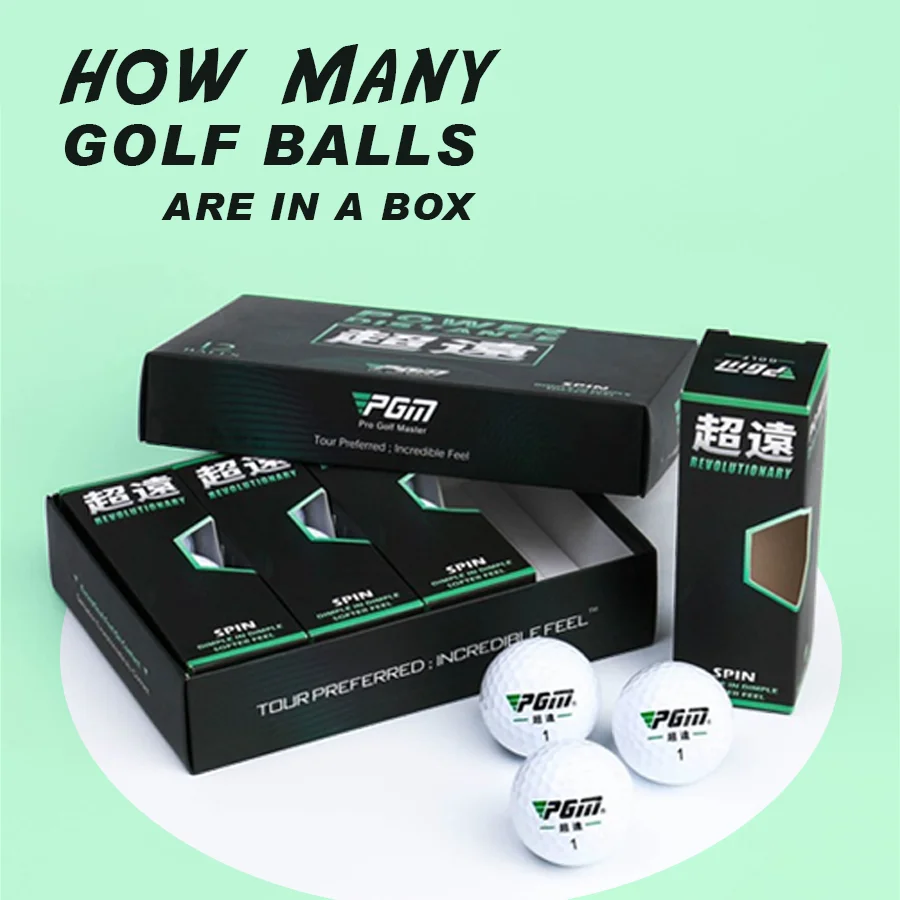
Image Source: packagingbee.com
Grasping the Basics of Golf Ball Packaging
Golf ball packaging is key. It keeps balls safe. It also helps people buy them. For golfers, knowing how many balls are in a pack is simple. For stores, it helps them sell. The way golf balls are packed tells you a lot. It shows what kind of player the balls are for. It also shows how they are sold.
Every golf ball needs good packaging. This keeps it from harm. It also shows the brand. It shows the ball’s features. Good golf ball packaging is strong. It protects the ball from bumps and drops. It also makes the balls look good. People like neat, nice-looking packs. This helps them choose what to buy.
When you go to a golf store, you see many types of packs. Most look similar. They all aim to do the same job. They protect the balls. They also make buying easy. From a small pack for one game to a big box for many games, golf ball packaging changes. But the goal is always the same. It is to give you golf balls ready to play.
The Standard Golf Ball Sleeve: Your Quick Pack
The most basic unit of golf ball packaging is the sleeve. A standard golf ball sleeve holds three golf balls. This small pack is very handy. It fits well in your golf bag. It also fits in your pocket. It is perfect for a quick game. Or it is good if you just need a few extra balls.
Number of Golf Balls in a Sleeve
A sleeve always has three golf balls. This is a common rule in the golf world. Brands like Titleist, Callaway, TaylorMade, and Bridgestone all follow this. You will find three balls neatly lined up inside. They are often held in place by a small plastic tray. This tray keeps them from moving. It also keeps them from hitting each other.
Why the 3-Pack?
The idea of the 3 pack golf balls is smart. Golfers often play 9 or 18 holes. They might use one or two balls per hole. A sleeve gives them enough for one game. It is not too many. It is not too few. It is easy to carry. It is also a good price point. A player can buy just one sleeve. This is good if they do not want a whole box. Or if they want to try a new ball type.
This small pack is also good for stores. It takes up less space. It is easy to display. Many stores put sleeves near the counter. This makes it easy for you to grab one. It is also good for gifts. A single sleeve of special golf balls makes a nice small gift.
The Dozen Golf Balls Box: The Most Common Buy
The most common way to buy golf balls is in a dozen golf balls box. This box holds 12 golf balls. It is the main retail golf ball box for most brands. If you buy a “box” of golf balls, it will almost always be a dozen.
How a Dozen Box Is Made
A dozen box is not just 12 loose balls. It is four sleeves packed inside one larger box. Each sleeve has 3 balls. So, 4 sleeves times 3 balls equals 12 balls. The outer box holds these four sleeves. This makes the box sturdy. It also makes it easy to stack in stores.
The design of the 12 pack golf balls box is very important. It has to be strong enough to protect the balls. It also needs to look good. It has the brand name. It has details about the ball. This can include features like distance, spin, and feel.
Why a Dozen?
The idea of a “dozen” (12 units) comes from old ways of counting. Many things were sold in dozens long ago. It is still used today for eggs and other items. For golf balls, it is a good number. It is enough for many rounds of golf. A serious golfer might go through a dozen balls in a few weeks. Or even in one tough round!
Buying a 12 pack golf balls box is often cheaper per ball than buying single sleeves. This makes it a good deal for regular players. It is also great for gifts. A fresh dozen golf balls is always a welcome present for any golfer. The standard size also means that the golf ball carton size is mostly the same across brands. This helps stores plan shelf space.
Interpreting Other Golf Ball Carton Sizes
While sleeves and dozens are most common, golf balls are sold in other pack sizes too. These different golf ball carton size options help meet different needs. They cater to different types of golfers or buyers.
Table of Common Golf Ball Pack Sizes
| Pack Name | Number of Balls | Common Buyer | Use Case |
|---|---|---|---|
| Single Ball | 1 | Beginners, Casual Players | Practice, replacing lost balls |
| Sleeve | 3 | Casual Players, Gift Givers | Short rounds, trying new balls, small gift |
| Half Dozen | 6 | Recreational Players | One round, small savings |
| Dozen | 12 | Regular Players, Gift Givers | Standard purchase, multiple rounds |
| Value Pack | 15 | High-Volume Recreational | Often a special deal, more for less |
| Double Dozen | 24 | Serious Players, Club Members | Good for stocking up, better per-ball price |
| Bulk Packs | 50, 100, 250+ | Golf Courses, Pro Shops, Events | Large inventory, practice ranges |
Half Dozen (6 Balls)
Some brands offer a 6 pack golf balls option. This is less common than a sleeve or a dozen. It might be a good middle ground for some players. Maybe they only play once in a while. Or they want a bit more than a sleeve but not a full dozen. The golf ball carton size for a half dozen is about half the size of a dozen box.
Value Packs (15 Balls)
You might sometimes see “value packs” with 15 golf balls. These are often sold at larger retail stores. They give you a few extra balls compared to a dozen. They are usually priced to be a good deal. This means a slightly lower cost per ball. These packs target golfers who play often and want to save money. The golf ball carton size for these packs is a bit bigger than a dozen box.
Double Dozen (24 Balls)
For very serious players or those who buy a lot, there are 24 pack golf balls boxes. This is like two dozen boxes put together. Buying in this size offers a good price per ball. It means fewer trips to the store. It is also often used by golf clubs or coaches. They might buy many of these to have plenty of balls on hand. This is a larger golf ball carton size.
Interpreting Bulk Golf Ball Packaging
Beyond retail boxes, there is bulk golf ball packaging. This type of packing is not for the everyday golfer. It is for businesses or places that need many, many golf balls.
Who Buys Bulk?
- Golf Courses: They need balls for their driving ranges. They also need them for teaching pros.
- Pro Shops: They buy large amounts to sell to their members.
- Event Organizers: For golf tournaments or charity events.
- Golf Academies: For lessons and practice areas.
- Resellers: Companies that sell golf balls to other businesses.
How Bulk Balls Are Packed
Bulk golf ball packaging looks different from retail boxes.
* Large Cases: Balls come in huge cases. These cases can hold 50, 100, 250, or even 500 balls.
* Loose Balls: Sometimes, balls are just put loose into a big box. This saves on individual packaging. It is cheaper.
* Industrial Sleeves: Some bulk packs might have balls in larger sleeves. These sleeves might hold 6 or 12 balls. Then, many of these larger sleeves go into a master carton.
Benefits of Bulk Buying
The main benefit of bulk golf ball packaging is cost. The more you buy, the less each ball costs. This is very important for businesses. It also makes stocking easier. A golf course can order one large pallet of balls instead of many small boxes. The golf ball carton size for bulk orders can be very large. They are built for shipping and warehouse storage, not for retail shelves.
The Purpose Behind Pack Sizes: Why Golf Balls Are Sold This Way
The way golf balls are sold in specific pack sizes is not by chance. There are good reasons for it. These reasons include what golfers need, what stores need, and how things are made.
Golfer Needs
- Convenience: A sleeve of 3 is easy to carry. A dozen is enough for many games. These sizes make sense for how people play.
- Trial and Error: Buying a sleeve lets you try a new ball type without buying a whole box. If you like it, you can buy a dozen next time.
- Value: Buying a dozen or a bigger pack often gives you a better price per ball. Golfers who play often look for this value.
- Practice: Some golfers buy cheaper balls in bigger packs just for practice. They do not mind losing them.
Retailer Needs
- Shelf Space: Standard sizes like the sleeve and the dozen fit well on store shelves. Stores can plan their displays easily.
- Inventory Control: It is easy for stores to count and reorder stock when sizes are standard.
- Pricing: Standard packs make pricing clear for customers. It also helps stores set up deals.
- Sales Strategy: Stores can offer different pack sizes to appeal to all buyers. They can have small, quick buys (sleeves) and larger, value buys (dozens, value packs).
Manufacturing and Shipping
- Efficiency: Factories can pack balls into sleeves and dozens very fast. This makes the process smooth.
- Protection: The pack sizes are designed to protect the balls during shipping. They prevent damage.
- Logistics: The golf ball carton size for sleeves and dozens is optimized for shipping pallets. This means more boxes can fit on a truck. This saves money on transport.
- Branding: Packaging is a big part of a brand’s image. A uniform look across all packs helps build brand recognition.
The Art of Golf Ball Packaging
The way golf balls are packaged is more than just putting them in a box. It is a mix of protection, information, and marketing.
Materials Used
Most golf ball packaging uses:
* Cardboard: This is the main material for the outer box of sleeves and dozens. It is strong and printable. It can be made from recycled paper.
* Plastic Trays: Inside sleeves and sometimes in larger boxes, clear plastic trays hold the balls. These keep the balls still. They prevent them from bumping each other.
* Foam Inserts: Some high-end golf balls might have foam inside the box. This gives extra protection. It also makes the package feel more premium.
Protecting the Balls
The packaging’s main job is to keep the golf balls safe. Golf balls are tough, but they can get scratched or dented. Good packaging prevents this. It makes sure the ball reaches you in perfect shape.
Information on the Box
A retail golf ball box is like a mini-billboard. It tells you many things:
* Brand Name: The most visible thing, like Titleist, Callaway, or Srixon.
* Ball Model: Each ball has a specific name, like Pro V1 or Chrome Soft.
* Key Features: Does it fly far? Does it spin a lot? Is it soft? These words are often on the box.
* Player Type: Is it for high swing speeds or beginners?
* Quantity: Clearly states “3 balls” or “12 balls.”
* Barcodes and Legal Info: For selling and safety.
Eco-Friendly Trends
The golf world is becoming greener. This means changes in golf ball packaging:
* Recycled Materials: More brands use recycled cardboard and plastic.
* Less Plastic: Some companies try to use less plastic in their sleeves and trays.
* Sustainable Sourcing: Using paper from trees that are grown and cut in a way that helps the environment.
* Lighter Packaging: Using less material means less waste. It also means lighter shipping. This saves fuel.
Selecting the Right Box for You
With so many options, how do you pick the right golf ball carton size? It depends on your needs.
For the Casual Player
If you play once a month or less, a sleeve (3 balls) is often fine. It is cheap. It lets you try different brands. Or, a half dozen (6 balls) could be good for a full round. You might not need a whole dozen.
For the Regular Golfer
If you play every week, a dozen golf balls box is your best bet. It offers good value. It means you always have balls ready. You can stock up on your favorite ball.
For the Avid Golfer or Club Member
A 24 pack golf balls box (double dozen) or a value pack (like 15 balls) is great here. You play a lot. You might go through balls quickly. Buying in bulk helps you save money per ball.
For a Gift
A dozen golf balls box is the classic gift. It feels like a full present. A sleeve can also be a nice small gift or a stocking stuffer. For a very special gift, look for limited edition packaging.
For a Pro Shop or Driving Range
This is where bulk golf ball packaging comes in. You need hundreds or thousands of balls. Buying in large cases is the only way to manage stock and costs. The golf ball carton size here is huge. It is about quantity and cost.
The Journey from Factory to Pro Shop: How Golf Balls Are Sold
The process of how golf balls are sold is a long one. It starts far before they reach your hands.
Making the Balls
First, golf balls are made in big factories. They go through many steps. They get their cores, layers, and covers. They are painted. They get their dimples. Each ball is checked for quality.
Initial Packaging
After making, balls are often put into large bins or crates. This is their first form of bulk golf ball packaging. These bins might hold thousands of balls. They are then moved to a packing area.
Packing into Retail Units
In the packing area, machines sort the balls. They put them into sleeves (3 balls). Then, they put the sleeves into dozen boxes (12 balls). Or into other retail golf ball box sizes. This is where the standard golf ball sleeve and dozen golf balls box are created.
Storing and Shipping
These packed boxes are then put into larger shipping cartons. This is a bigger golf ball carton size. Many dozens or sleeves go into one big carton. These cartons are stacked onto pallets. The pallets are then shipped to big warehouses.
From the warehouses, smaller shipments go out. These go to golf stores, pro shops, and online sellers. Each box is tracked. This makes sure it reaches its destination.
Selling to You
Finally, the boxes arrive at your local golf store. Or they arrive at an online store’s warehouse. The staff puts them on shelves. Or they get ready to ship them to your home. This is how golf balls are sold to you. It is a long journey from raw materials to your golf bag. Each step relies on careful golf ball packaging.
Future Trends in Golf Ball Packaging
The way golf balls are packed will keep changing. Brands always look for better ways. They look for new ideas.
More Green Options
Expect to see even more focus on eco-friendly packaging. This means:
* Less Plastic: Finding ways to use even less plastic. Or using plastic that breaks down easily.
* Plant-Based Materials: Using materials made from plants, not oil.
* Refillable Options: Maybe some stores will have refill stations for practice balls.
* Simpler Designs: Less ink, less glue, fewer different materials.
Smart Packaging
New tech might change how golf balls are sold.
* QR Codes: Scan a code on the box with your phone. It could show you videos about the ball. Or tell you how to recycle the box.
* Trackable Packs: For very high-end balls, maybe a way to track the box.
* Personalized Boxes: Online stores might let you put your name on a box. Or choose a custom design.
Online Shopping Impact
As more people buy golf balls online, packaging will change.
* Stronger Mailer Boxes: Outer shipping boxes need to be very tough. They protect the inner retail golf ball box.
* Less Retail Display Focus: Packaging might focus less on how it looks on a shelf. It might focus more on being safe for shipping.
The world of golf balls and their packaging is always moving forward. The core idea of sleeves and dozens will likely stay. But how they are made and what they are made of will keep getting better.
Frequently Asked Questions (FAQ)
Q: Why is a dozen golf balls 12 and not 10?
A: The term “dozen” comes from an old number system. It has been used for centuries to mean 12 units. This old tradition stuck around for many items, including golf balls. It is simply a standard unit of measure.
Q: Do all golf ball brands sell in sleeves of 3 and boxes of 12?
A: Yes, nearly all major golf ball brands follow this standard. You will find Titleist, Callaway, TaylorMade, Srixon, Bridgestone, and others use the 3-ball sleeve and the 12-ball dozen box. There might be some rare exceptions or special promo packs. But these are the common sizes.
Q: Can I buy a single golf ball?
A: It is rare to buy a brand new, single golf ball from a major brand. Most new balls are sold in sleeves of 3. However, you can buy single “used” or “recycled” golf balls at many golf shops or online. Driving ranges also often sell individual balls for practice.
Q: Are there different sizes of golf ball boxes, like mini or giant ones?
A: Yes. While the standard is the 3-ball sleeve and the 12-ball dozen, you can find other golf ball carton size options. These include 6-ball half dozens, 15-ball value packs, and 24-ball double dozens. For businesses, there are very large bulk golf ball packaging options. These can hold hundreds or thousands of balls.
Q: Does the golf ball packaging affect the ball’s performance?
A: No, the packaging itself does not change how the golf ball performs. Its job is to protect the ball until you open it. The ball’s performance comes from its own design and materials. But good packaging means the ball is in perfect shape when you use it.
Q: How should I store my golf balls once I open the box?
A: Keep golf balls in a cool, dry place. Avoid extreme heat or cold. Do not leave them in your car’s trunk for long periods. Store them in a bag or a cabinet. This helps them last longer.
Q: Is golf ball packaging recyclable?
A: Most golf ball packaging, especially the cardboard boxes, is recyclable. Many brands are moving towards more eco-friendly materials. Check the packaging for recycling symbols or local recycling rules. The plastic trays might be recyclable in some areas but not others.