
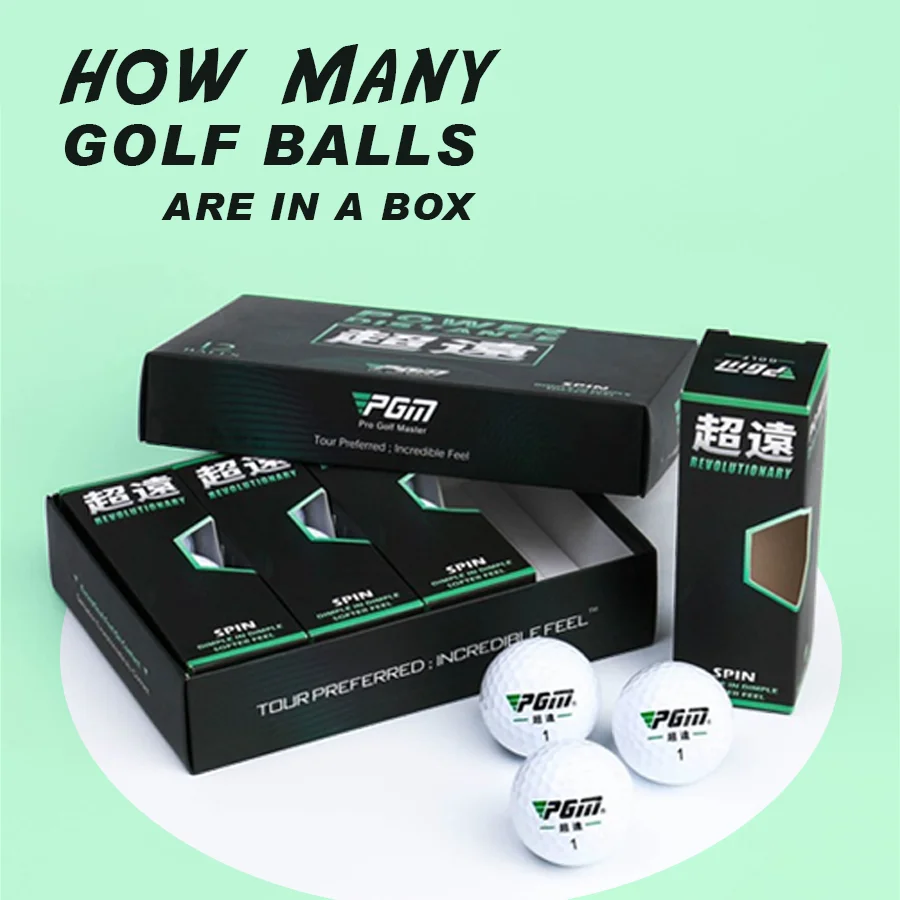
Image Source: packagingbee.com
Standard Box: How Many Golf Balls Are In A Box?
A standard retail box of golf balls typically contains 12 golf balls. These are usually found in four golf ball sleeves, with each sleeve holding three golf balls. This makes a total of a dozen golf balls in each retail golf ball box. This standard golf ball quantity has been common for a long time, making it easy for golfers to know what to expect when they buy a new pack.
The Standard Golf Ball Packaging: A Closer Look
When you walk into a golf store, you will most often see golf balls sold in a specific way. This setup is not by chance. It helps both the people who sell them and the people who play with them. The way golf balls are packaged is a key part of how they are sold and used. We will look at why this standard has stuck around.
The Golf Ball Sleeve: Your Small Pack
A golf ball sleeve is a small, compact pack of golf balls. Most often, a sleeve holds three golf balls per sleeve. Think of it as a mini-pack. It’s just enough for a short trip to the driving range or to start a round of golf. Many golfers like to keep a sleeve or two in their golf bag. This way, they have a quick refill ready if they lose a ball or need a fresh one.
- Handy for a Round: Having three golf balls per sleeve is very useful. It is a good number for a single round of golf. Players might take out one sleeve at the start of their game.
- Easy Storage: Sleeves fit well into golf bags. They take up little space. This helps keep your bag neat.
- Good for Gifts: A single golf ball sleeve also makes a nice small gift. It is a good way to try out a new type of ball.
The design of the golf ball sleeve helps protect the balls inside. It keeps them clean and safe from bumps. This small pack is a key part of the larger golf ball packaging system.
The Dozen: The Go-To Quantity
The term “dozen” means twelve. So, when you buy a standard box, you are getting a dozen golf balls. This means you get 12 golf balls per box. This number is not just a random choice. It has roots in history and makes a lot of sense for golfers.
- Historical Reasons: The “dozen” has been a common unit for buying many items for centuries. It is an easy number to count and work with. For golf balls, it just became the normal way to buy them.
- Player Needs: Most golfers expect to lose some balls during their games. A dozen golf balls gives them a good supply. It often lasts for several rounds. This saves them from buying balls too often.
- Retailer Benefits: Selling 12 golf balls per box is good for stores too. It is a good amount for sales. It lets them move more products at once. It also makes inventory simple.
- Consistency: Because it is so common, golfers know what they are getting. They know a “dozen” means a full pack. This clear golf ball quantity helps build trust between brands and players.
So, the standard retail golf ball box holds 12 golf balls. These come as four golf ball sleeves, each with three balls. This tried and true method works well for everyone. It shows how much thought goes into even simple things like golf ball packaging.
Evolution of Golf Ball Packaging
The way golf balls are packed and sold has changed over time. From early days to modern times, the goals have stayed similar: protect the balls, make them easy to buy, and show off the brand. The journey to the standard 12 golf balls per box is an interesting one.
From Early Days to Modern Packs
In the very early days of golf, balls were not sold in neat boxes. They were often handmade. People bought them one by one or in very small, simple groups.
- Featherie Balls: These were golf balls made of feathers packed into leather. They were very expensive. You would not buy many at once. They were likely sold loose.
- Gutta-Percha Balls: These came after featheries. They were cheaper and easier to make. As golf grew, so did the need for more balls.
- The Rise of Mass Production: When golf balls started being made in factories, it became possible to make many more. This led to thinking about how to sell them in bigger groups.
- The Birth of the Dozen: Over time, the idea of selling a dozen golf balls became popular. It offered a good balance. It was enough balls for a golfer, but not too many to store. This set the standard golf ball quantity. It was a good number for packing and shipping.
- Early Packaging: Before fancy boxes, balls might have been in simple bags or wrappers. The main aim was to keep them together.
The shift to the 12 golf balls per box system helped golf grow. It made buying golf balls simple and quick for everyone.
Design and Marketing in Golf Ball Packaging
Today, golf ball packaging is about more than just holding balls. It is a key part of marketing. Brands use the packaging to tell their story and show off their balls.
- Brand Identity: The box design is very important. It has the brand’s logo, colors, and name. This helps golfers pick out their favorite brand fast.
- Product Information: The box also gives details about the golf balls. It might say if they are for distance, control, or a soft feel. This helps golfers choose the right ball for their game.
- Protection and Freshness: Modern golf ball packaging protects the balls. It keeps them safe from damage. It also protects them from moisture or extreme temperatures. This helps the balls stay fresh until you play them.
- Shelf Appeal: In a store, many boxes sit next to each other. A good design makes a retail golf ball box stand out. It makes people want to pick it up and look closer.
- Environmental Focus: More and more, brands think about the planet. Some golf ball packaging uses recycled materials. Some use less plastic. This shows a commitment to being green.
The packaging has come a long way. It is now a key part of the golf ball business. It is not just about the standard golf ball quantity. It is about the whole experience of buying and using the balls.
Beyond the Dozen: Other Golf Ball Pack Sizes
While the dozen golf balls is the most common way to buy them, it is not the only way. Golfers have different needs. So, companies offer golf ball pack sizes that fit different situations.
Two-Ball Packs: Small Choices
Sometimes, you do not need many golf balls. Maybe you want to try a new kind. Or perhaps you just need one or two for a quick practice. That is where two-ball packs come in.
- Trial Packs: These are great for trying a new brand or model of golf ball without buying a full dozen. You can see how they feel and perform.
- Gifts or Stocking Stuffers: Small packs make good gifts. They are easy to wrap. They are also a nice little extra for a golfer.
- Emergency Supply: Some golfers keep a two-pack in their car or office. It is a handy backup for an unplanned round.
These small packs show that not everyone needs a lot of balls at once. They offer flexibility.
Half-Dozen Packs: Medium Option
A half-dozen means six golf balls. These packs are less common than full dozens. But they can be a good choice for some golfers.
- Casual Players: If you only play golf once in a while, six balls might be enough for you. You will not have too many extra balls sitting around.
- Gift Sets: Sometimes, these packs are part of a gift set. They might come with tees or a golf towel.
- Budget Friendly: If a full dozen is too much money right now, a half-dozen can be a cheaper option to get some quality balls.
Six balls can last a few rounds for careful players. They offer a middle ground between a sleeve and a full box.
Bulk Golf Ball Quantities: For Serious Players and Courses
For some people, even a dozen is not enough. This is true for very active golfers, golf pros, and golf courses. They often buy bulk golf ball quantities. This means buying many dozens at once.
- Master Cartons: Golf balls are often shipped in large boxes called master cartons. A typical golf ball carton count might be 6 dozen (72 balls) or 12 dozen (144 balls). Some very large cartons hold even more.
- Who Buys in Bulk?
- Pro Shops: Stores at golf courses need many balls to sell every day.
- Driving Ranges: These places need thousands of balls for practice. They buy huge bulk golf ball quantities.
- Golf Teams and Schools: College or high school golf teams use a lot of balls for practice and games.
- Avid Golfers: Some golfers play so often they go through many balls. Buying in bulk saves them money over time.
- Businesses: Companies might buy bulk balls for corporate outings or as gifts.
- Cost Savings: The biggest reason to buy in bulk is to save money. The price per ball goes down when you buy more. This is called a “bulk discount.”
| Pack Size | Quantity (Golf Balls) | Typical Use | Notes |
|---|---|---|---|
| Golf Ball Sleeve | 3 | Quick top-up, trying new balls, small gift | Fits easily in a golf bag |
| Two-Ball Pack | 2 | Trial, small gift, emergency | Less common, but good for specific needs |
| Half-Dozen Pack | 6 | Casual play, smaller budget, gift sets | Less common than a full dozen |
| Standard Dozen Box | 12 | Most common retail purchase, good supply | 4 sleeves of 3 balls each |
| Master Carton | 72 (6 dozen) | Pro shops, active golfers, small golf clubs | Bulk savings start here |
| Large Carton | 144 (12 dozen) | Driving ranges, large golf clubs, team supply | Significant bulk purchase |
Knowing the different golf ball pack sizes helps you choose the best option for your needs. Whether it is a single sleeve or a large golf ball carton count, there is a choice for every golfer.
Specialized Packs: Novelty and Gifts
Beyond the usual pack sizes, you can also find special golf ball quantities. These are often for gifts, collectors, or special events.
- Collector’s Editions: Sometimes, brands release special golf balls. These might be in unique boxes or have special markings. They are often sold in limited numbers.
- Gift Sets: These packs might include golf balls plus other items. This could be golf tees, a golf towel, or even a divot tool. These make great presents for golfers.
- Personalized Balls: You can also get golf balls with your name or a logo on them. These might come in custom packs, not always a standard dozen.
These special golf ball pack sizes add fun to the market. They show that golf balls are not just for playing. They can also be for showing off or giving.
The Practical Side of Golf Ball Quantities
Deciding how many golf balls to buy is a common thought for golfers. It depends on many things. Thinking about your game helps you pick the right amount.
How Many Balls Do You Need?
The number of golf balls a player needs can change a lot. It depends on how often you play and how many balls you tend to lose.
- For a Single Round: For a casual player, 2-3 balls might be enough for 18 holes. If you are a beginner, you might need more. If you are very good, you might use just one. Many golfers start a round with a fresh sleeve (three balls).
- For Practice: If you go to the driving range, you might use 50-100 balls in one session. But these are usually range balls you do not keep. For practice on the course or chipping in your yard, you might use your own balls.
- For a Season: For a serious golfer, a dozen golf balls might last only a few weeks. A casual player might make a dozen last a whole season. Some people buy several dozen at the start of the year. This way, they have a good supply.
Knowing your playing habits is key. If you often find yourself looking for a new ball mid-round, it might be time to buy more.
Saving Money: Buying in Bulk
Buying bulk golf ball quantities can save you money. This is a smart move if you play a lot or lose many balls.
- When to Buy More:
- Frequent Play: If you play several times a week, a single dozen will not last long. Buying more often saves you trips to the store.
- Ball Loss: Beginners or those playing on tough courses often lose more balls. Buying in bulk makes replacements cheaper.
- Sales and Deals: Look for sales on retail golf ball boxes. Often, stores offer better prices if you buy more than one dozen. This is a good time to stock up.
- Team or Group Buys: If you play with friends, you might go in together on a large golf ball carton count. This can get you a better deal for everyone.
- Comparing Price Per Ball: Always look at the “price per ball” when comparing different pack sizes. For example, a dozen for $30 means $2.50 per ball. A 6-dozen carton for $150 means $2.08 per ball. The larger the pack, the lower the price per ball usually is.
- Storage Tips: If you buy bulk golf ball quantities, store them well. Keep them in a cool, dry place. Avoid extreme heat or cold. This helps the balls last longer. A garage or basement often works well. Keeping them in their original golf ball packaging is also good.
Buying smart means thinking ahead. It means knowing how many balls you will likely need. Then, you can choose the best golf ball pack sizes for your game and your wallet.
Factors Affecting Golf Ball Choice and Quantity
Choosing the right golf ball and how many to buy goes beyond just price. Your skill, where you play, and how often all play a part.
Skill Level and Ball Loss
Your ability to play golf has a big effect on how many balls you need.
- Beginners: New golfers often lose the most balls. Their shots might go wide, into water, or deep into the woods. If you are new to golf, plan to buy more balls. A standard dozen golf balls might not last many rounds.
- Average Players: Most golfers lose some balls during a round. Maybe one or two go astray. They might buy a new retail golf ball box every few weeks or months. The 12 golf balls per box is a good amount for them.
- Experienced Players: Good golfers lose fewer balls. They hit the ball straighter. They might use one or two balls for a whole round. They might buy a new dozen less often. But they might also prefer premium balls, which cost more.
So, if you are just starting, do not be afraid to buy a few extra sleeves or even a bulk pack of cheaper balls. You will save money in the long run.
Course Conditions
The golf course itself can make you lose more or fewer balls.
- Water Hazards: Courses with lots of water are known as “ball eaters.” If there are many lakes or rivers, you might lose more balls.
- Dense Rough: Thick grass off the fairway can hide balls easily. Even if your shot is not far off, finding the ball can be tough.
- Woods and Trees: If the course has many trees, your ball might hit one and go deep into the woods. These balls are often lost.
- Open Fairways: Courses with wide, open fairways might mean you lose fewer balls. It is easier to keep your ball in play.
If you know you are playing a tough course, bring extra golf balls. A fresh golf ball sleeve or two in your bag can save you from running out.
Playing Frequency
How often you play golf also decides how many balls you should buy.
- Daily Players: If you are on the course every day, you will go through many balls. Bulk golf ball quantities are often the best choice for you. A large golf ball carton count makes sense.
- Weekly Players: Playing once a week means you will use a steady supply. Buying a dozen golf balls at a time might be enough. You might buy one new retail golf ball box per month.
- Occasional Players: If you only play a few times a year, one or two golf ball sleeves might be all you need. You might just buy a single dozen and make it last.
Thinking about these things helps you make smart choices. It ensures you always have enough golf balls for your game, without buying too many or too few.
The Environmental Impact of Golf Ball Packaging
As people care more about the planet, so do golf ball makers. The golf ball packaging plays a part in this. What materials are used? Can they be recycled? These are important questions.
Packaging Materials
Most golf ball packaging uses a mix of materials.
- Cardboard Boxes: The main box, holding the 12 golf balls, is usually cardboard. This is a good choice because it is often made from recycled paper. It can also be recycled again. This is generally a planet-friendly material.
- Plastic Trays/Wraps: Inside the box, the golf ball sleeves might sit in a plastic tray. The sleeves themselves are often wrapped in thin plastic film. This plastic helps protect the balls and keep them clean. But plastic can be harder to recycle.
- Inks and Coatings: The boxes also have inks and coatings. These make the boxes look good. Some inks are more eco-friendly than others.
Companies are working to make their golf ball packaging better for the earth.
Sustainable Choices
Many golf brands are now looking at ways to be greener.
- Recycled Content: Some brands use cardboard that has a high amount of recycled material. This means fewer new trees need to be cut down.
- Less Plastic: Companies are trying to use less plastic in their golf ball packaging. This might mean:
- No plastic trays inside the box.
- Sleeves that are just cardboard, without plastic film.
- Thinner plastic where it is still needed.
- Recyclable Packaging: Brands want their golf ball packaging to be easy for you to recycle at home. They might put recycling symbols on the box. This tells you if it can go in your recycling bin.
- Water-Based Inks: Some companies use inks that are better for the environment. These inks break down more easily.
- Refill Options: While rare for golf balls, some products offer refill options to reduce waste. For golf balls, the focus is on making the standard golf ball quantity box as green as possible.
When you buy golf balls, you can check the packaging for these green signs. Choosing brands that care about the environment helps. It shows that even small things, like a golf ball sleeve, can be part of a bigger plan to protect our world.
How to Pick the Right Golf Ball Quantity
Choosing how many golf balls to buy is a simple but important decision for any golfer. It comes down to balancing your needs with smart shopping.
Weighing Your Options
Before you head to the store, think about these points:
- Consider Your Needs:
- How often do you play? Daily, weekly, or a few times a year?
- How many balls do you lose per round? Be honest with yourself!
- What is your skill level? Beginners often need more.
- Do you practice a lot? If so, you might use more balls.
- Consider Your Budget:
- How much do you want to spend?
- Do you want to save money in the long run by buying in bulk? Remember that bulk golf ball quantities usually offer a better price per ball.
- Consider Your Storage Space:
- Do you have a cool, dry place to store a large golf ball carton count? Or is a standard dozen golf balls enough for your space?
Thinking about these will help you decide between a single golf ball sleeve, a dozen, or a larger bulk pack.
Tips for Buying
Once you know your needs, here are some tips for buying your golf balls:
- Check for Sales: Golf balls often go on sale. Look for deals on retail golf ball boxes, especially around holidays or at the end of the golf season. Buying a few dozen when they are cheap can save you a lot of money.
- Compare Price Per Ball: Always do the math. Divide the total price by the number of balls. This is the real way to see which golf ball pack sizes are the best value. Often, a higher golf ball carton count will give you the best price per ball.
- Buy a Dozen First: If you are trying a new type of golf ball, start with a standard dozen golf balls. See if you like them. If you do, then you can buy a larger quantity next time. This saves you from having many balls you do not like.
- Think About Your Game: If you are working on a new swing, or playing a very tough course, you might lose more balls. Plan ahead and have a few extra golf ball sleeves ready.
- Shop Around: Look at different stores, both online and in person. Prices can vary. You might find a better deal on a specific golf ball quantity in one place over another.
By planning and shopping smart, you can make sure you always have the right amount of golf balls. You will be ready for any round of golf, no matter your skill level or the course conditions.
Frequently Asked Questions About Golf Ball Quantities
Here are some common questions people ask about how golf balls are sold.
Why is a dozen the standard golf ball quantity?
A dozen golf balls (12 balls) became the standard for several reasons. Historically, a “dozen” was a common unit for buying many items. For golf balls, it offers a good balance. It is enough balls for a golfer to last several rounds, but not too many to store. It is also easy for manufacturers to pack and retailers to sell. The 12 golf balls per box system, divided into four golf ball sleeves of three balls each, is practical and consistent.
Can I buy single golf balls?
It is rare to buy single, new golf balls from a retail store. Most new golf balls are sold in golf ball sleeves (packs of three) or full dozens. However, you can often buy used or “recycled” single golf balls at pro shops or specialized golf stores. These are usually much cheaper.
Do pro golfers use more balls?
While professional golfers often have an unlimited supply of balls provided by their sponsors, they tend to lose fewer balls during a round than amateur golfers. Their skill means they hit the ball very consistently, staying in play more often. They might use one or two balls for an entire round. However, they will often use a new ball at the start of each round or after a specific number of holes, ensuring peak performance from each golf ball.
How long do golf balls last in the box?
New golf balls, when kept in their original golf ball packaging in a cool, dry place, can last for many years without losing performance. Extreme heat or cold can affect them over a very long time, but for general storage at home, they will remain good for a long time. There is no need to worry about them “expiring” quickly.
What is the largest golf ball pack sizes I can buy?
You can buy very large bulk golf ball quantities. These are often sold in master cartons designed for golf courses or pro shops. A typical golf ball carton count for these large orders can be 6 dozen (72 balls), 12 dozen (144 balls), or even more. Some distributors sell pallets with thousands of golf balls for very large-scale needs like driving ranges. These large packs offer the best price per ball.