
Ultimate Guide: How Long Does Golf Cart Take To Charge
A golf cart usually takes about 4 to 8 hours to fully charge. This golf cart battery charging time depends on many things, like how dead the battery is, its type, and the charger you use. The average golf cart charging duration often falls in this range, but it can be quicker or slower. For example, a lithium battery charges faster than a lead-acid one.
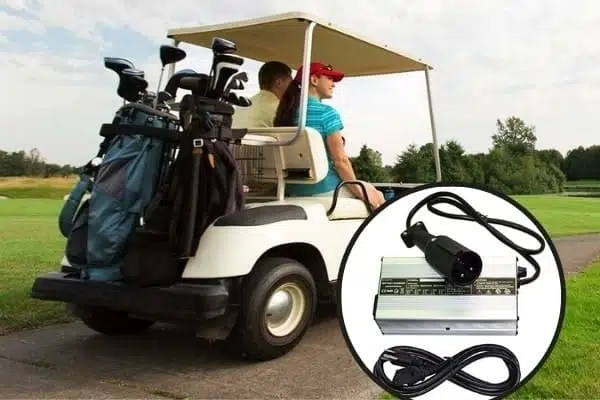
Image Source: manlybattery.com
Charging Your Golf Cart: The Core Details
Knowing how long your golf cart needs to charge is very helpful. It makes sure your cart is ready when you are. It also helps your batteries last longer. Let’s look at what makes charging times different.
What Affects Charging Time?
Many things change how long your golf cart battery needs to charge. These are the factors affecting golf cart charge time. It is not just one thing.
- Battery Type: This is a big one. Lead-acid batteries need more time than lithium ones. Lead-acid batteries charge in stages. They slow down as they get full. Lithium batteries can take in power much faster.
- Battery Size: Bigger batteries hold more power. They take longer to fill up. A battery’s size is often shown in “Amp-hours” (Ah). More Ah means more charge time.
- How Empty the Battery Is: If your battery is almost dead, it will take much longer to charge. If it is only half-empty, it will fill up faster. Try not to let your battery go completely flat.
- Charger Power: The charger’s power matters a lot. A stronger charger (with more amps) can put power into the battery faster. This means less charge time. We will talk more about
golf cart charger output influencesoon. - Battery Age and Health: Older batteries may not hold a charge as well. They might also take longer to charge fully. A weak battery might never reach full charge.
- Temperature: Very cold or very hot weather can slow charging. Batteries work best in mild temperatures. Extreme cold makes them less able to take a charge. Extreme heat can harm them.
How Long to Charge a 48V Golf Cart?
Many golf carts today use a 48-volt system. So, how long to charge 48V golf cart batteries is a common question. For a 48V lead-acid golf cart, a full charge from empty often takes 8 to 10 hours. If the battery is not completely dead, it might take 4 to 6 hours.
Lithium 48V batteries are much quicker. They can often charge in 2 to 4 hours. Some can even charge in less than 2 hours if you use a fast charger. This makes them great for quick use or if you play many rounds of golf in one day.
Here is a simple table to show typical times:
| Battery Type | Voltage System | State of Charge | Average Charging Time |
|---|---|---|---|
| Lead-Acid | 36V | From 50% empty | 4-6 hours |
| Lead-Acid | 36V | From 80% empty | 6-8 hours |
| Lead-Acid | 36V | From nearly empty | 8-12 hours |
| Lead-Acid | 48V | From 50% empty | 4-7 hours |
| Lead-Acid | 48V | From 80% empty | 7-10 hours |
| Lead-Acid | 48V | From nearly empty | 10-14 hours |
| Lithium | 36V / 48V | From 50% empty | 1-2 hours |
| Lithium | 36V / 48V | From nearly empty | 2-4 hours |
These times are just guides. Your cart’s exact charging time can be different. Always check your golf cart’s manual for the best advice.
Deep Dive into Battery Types
The kind of battery your golf cart has is key to its charging time. Most golf carts use either lead-acid or lithium-ion batteries. Each type works very differently when charging.
Lead-Acid Batteries: The Traditional Choice
Most golf carts have lead-acid batteries. These batteries have been around for a long time. They are known for being strong and not too costly. But they do need more care and more time to charge.
The lead-acid golf cart charge time is usually longer. This is because of how they take in power. A lead-acid battery charges in three main stages:
- Bulk Charge: In this first stage, the charger puts in as much power as it can. The battery charges fastest here. It might get to about 80% full during this stage.
- Absorption Charge: As the battery gets fuller, the charger slows down. It lowers the power it sends. This stage makes sure the battery gets fully charged without getting too hot. This stage can take a few hours. It is very important for battery health.
- Float Charge: Once the battery is full, the charger goes into “float mode.” It sends a very small amount of power. This just keeps the battery topped off. It stops the battery from slowly losing power over time. It is like a trickle charge.
For lead-acid batteries, it is best to charge them after each use. Even if you only drive a short distance, plug it in. This helps them last longer. Never let them go completely flat. This can harm them badly. Also, these batteries need water (distilled water) added now and then. Check the water levels often, especially after charging.
Lithium-Ion Batteries: The Modern Solution
More and more golf carts are now using lithium-ion batteries. These are the same kinds of batteries found in your phone or laptop. They cost more upfront, but they offer many benefits.
The lithium golf cart charging speed is much faster than lead-acid. This is a big plus for many people. Here is why:
- Faster Charging: Lithium batteries can take in a lot of power quickly. They do not have the slow absorption stage that lead-acid batteries do. They can often go from nearly empty to full in just 2 to 4 hours.
- No “Memory Effect”: You can charge a lithium battery any time you want. You do not need to wait for it to be very low. Charging it often does not harm its life.
- Lighter Weight: Lithium batteries are much lighter than lead-acid ones. This makes the cart lighter. A lighter cart uses less power and can go further on a charge.
- Longer Life: Lithium batteries often last much longer than lead-acid batteries. They can handle many more charge cycles.
- No Maintenance: You do not need to add water to lithium batteries. They are sealed units. This makes them much easier to own.
- Consistent Power: They give strong power until they are almost empty. Lead-acid batteries can get weaker as they run down.
Lithium batteries need special chargers. You cannot use a lead-acid charger for a lithium battery. Always use the right charger for your battery type.
Charging Scenarios and Best Practices
Knowing how to charge your golf cart correctly makes a big difference. It helps your cart run well. It also makes your batteries last as long as possible.
The First Charge: What to Expect
When you get a new golf cart, the first charge time is very important. New lead-acid batteries often need a longer initial charge. This helps to get them ready for use. It can take 12 to 16 hours, or even up to 20 hours for some. This first charge helps the battery chemicals get properly set.
For a new lithium golf cart, the first charge is usually like any other. It will charge in a few hours. Always follow the instructions that come with your new golf cart and its batteries. This is the best way to start off right.
Is Overnight Charging Okay?
Many people ask about overnight golf cart charging. Is it safe to leave your golf cart plugged in all night? For most modern golf cart chargers, the answer is yes.
Today’s smart chargers are made to stop charging when the battery is full. They will then go into a “float” or “maintenance” mode. This means they only give a small amount of power to keep the battery topped off. This prevents overcharging. Overcharging can harm batteries, especially lead-acid ones, by making them too hot or boiling away the water.
However, always use a charger that is made for your golf cart’s battery type and voltage. Using an old, simple charger that does not turn off could cause problems. If you have an older charger, it might be better to unplug the cart once it is full.
For lead-acid batteries, overnight golf cart charging can be good. It makes sure the battery gets a full charge, including the slow absorption stage. This helps keep the battery healthy.
For lithium batteries, they charge so fast that overnight charging is usually not needed. But if you leave it plugged in, the smart charger will manage it fine.
Knowing When Your Golf Cart is Ready
How do you know when your golf cart battery is fully charged? There are clear signs golf cart is fully charged.
- Charger Indicator Lights: This is the easiest way. Almost all golf cart chargers have lights that show the charging status.
- Often, a red light means charging.
- A green light means fully charged.
- Some chargers might have a yellow or amber light for the middle stage.
- Always check your charger’s manual to understand what its lights mean.
- Automatic Shut-Off: Modern chargers will just turn off when the battery is full. You might hear a click, or the fan will stop. This is a sign that the job is done.
- Voltage Reading (for lead-acid): For lead-acid batteries, you can use a voltmeter to check the battery voltage. A fully charged 36V system should read around 38.2V to 38.4V. A 48V system should read about 50.8V to 51.2V. Check this reading after the charger has turned off and the battery has rested for a few hours. This is important. Do not check it while it is still charging.
- Specific Gravity (for lead-acid): This is a more detailed way to check lead-acid batteries. You use a tool called a hydrometer. It measures the density of the acid in each battery cell. A fully charged lead-acid cell should have a specific gravity of around 1.265 to 1.275. All cells should be close to each other. This method takes more effort.
| Sign of Full Charge | Lead-Acid Battery | Lithium Battery |
|---|---|---|
| Charger Lights | Green light on | Green light on |
| Automatic Shut-Off | Charger stops | Charger stops |
| Voltage Reading | Specific high voltage (e.g., 51.2V for 48V) | Specific high voltage (e.g., 58.8V for 48V) |
| Specific Gravity | Yes (1.265-1.275) | Not applicable |
Impact of Charger Output
The golf cart charger output influence on charge time is huge. A charger’s output is measured in volts (V) and amps (A).
- Voltage (V): The charger’s voltage must match your golf cart’s battery system. A 48V cart needs a 48V charger. Using the wrong voltage can harm your batteries or charger.
- Amps (A): The amp rating tells you how much power the charger can send out per hour. A charger with higher amps will charge your battery faster. For example, a 15-amp charger will charge faster than a 10-amp charger.
Let’s say you have a 48V lead-acid battery pack that needs 60 amp-hours (Ah) to fully charge.
* A 10-amp charger would take about 6 hours (60 Ah / 10 A = 6 hours) to put the power in.
* A 20-amp charger would only take about 3 hours (60 Ah / 20 A = 3 hours).
However, a charger that is too strong (too many amps) can also be bad. It can make lead-acid batteries get too hot. This can shorten their life. Always use a charger that is right for your battery type and size. Most golf cart companies will tell you what charger to use. It is best to stick to that advice. For lithium batteries, faster chargers are usually fine because they can handle high current.
Optimizing Battery Life and Charge Time
Getting the most out of your golf cart batteries means more fun and less worry. Good habits help your batteries last longer and charge better.
Tips for Faster Charging and Longer Battery Life
Here are some simple steps to follow:
- Charge After Every Use: For lead-acid batteries, charge them even after a short drive. This is like a “top-off” charge. It prevents deep discharge, which harms lead-acid batteries. Lithium batteries do not mind partial charges.
- Do Not Over-Discharge Lead-Acid Batteries: Try not to let your lead-acid batteries get below 50% charged too often. This means charging them when the battery meter shows half or less. A very low battery needs more charge time and can be damaged.
- Use the Right Charger: Always use a charger that matches your golf cart’s battery type (lead-acid or lithium) and voltage (36V, 48V, etc.). Using the wrong charger can cause damage or be unsafe.
- Keep Battery Terminals Clean: Check the metal connections on your batteries. Make sure they are clean and tight. Dirty or loose connections can stop your cart from charging well. They can also make charging slower. Use a wire brush to clean any white or blue stuff (corrosion) off.
- Check Water Levels (Lead-Acid Only): For lead-acid batteries, check the water levels often. Do this about once a month. Fill them with distilled water to the right level, especially after charging. Never use tap water.
- Store Properly: If you are not using your golf cart for a long time, store it with fully charged batteries. For lead-acid, keep them on a float charge. For lithium, they hold their charge for a very long time.
- Keep Batteries Warm (in winter): Batteries charge best at room temperature. If it is very cold, your batteries will charge slower. Try to keep them in a warmer place during winter.
Troubleshooting Common Charging Problems
Sometimes, your golf cart might not charge as it should. Here are some common problems and what to check:
- Charger Not Turning On:
- Check the power outlet: Is it working? Plug something else into it.
- Check the charger’s plug: Is it fully pushed into the golf cart’s charging port?
- Check fuses or circuit breakers: Your charger or golf cart might have a fuse or breaker that tripped. Look for a reset button on the charger or golf cart.
- Charger Fault: The charger itself might be broken. Try another charger if you can.
- Slow Charging:
- Old or Weak Batteries: Batteries lose strength over time. Older batteries might take longer to charge or not hold a full charge.
- Bad Charger: Your charger might not be putting out enough power. It could be old or faulty.
- Bad Connections: Check all battery cables and charger cables. Make sure they are tight and clean.
- Temperature: Very cold weather can slow down charging a lot.
- Battery Not Holding a Charge:
- Old Batteries: Batteries wear out. If they are old, they might not hold a charge for long.
- Damaged Cells (Lead-Acid): One cell in a lead-acid battery pack can go bad. This can stop the whole pack from charging fully. You might need to replace that one battery or the whole set.
- Parasitic Drain: Something might be slowly draining power from your battery, even when the cart is off. This could be a light, a radio, or a faulty wire.
- Incorrect Charger: Using a charger that is not right for your battery can lead to this.
- Lithium BMS Issue: Lithium batteries have a Battery Management System (BMS). If the BMS is faulty, it can stop the battery from charging or discharging properly.
If you are not sure what is wrong, it is always best to ask a golf cart expert. They can test your batteries and charger to find the problem.
Grasping The Full Picture of Charging
It is important to remember that golf cart charging is a process. It is not just plugging in and waiting. Each battery type has its own needs. Each charger works in its own way.
Lead-acid batteries need a careful, long charge to get to their best state. They like to be charged often. They like to stay above 50% empty. They need you to check their water levels.
Lithium batteries are simpler. They charge fast. They are lighter. They last a long time. You do not need to add water. They are a good choice if you want less hassle.
Both types need the right charger. A charger that is too weak will make charging slow. A charger that is too strong can harm lead-acid batteries. Modern smart chargers are usually the best choice for any golf cart. They protect your batteries by stopping when full.
By following these tips, you can make sure your golf cart batteries are always ready to go. You will also get the longest possible life out of them. This means more time on the course or enjoying your neighborhood, and less time worrying about power.
Frequently Asked Questions (FAQ)
Q: Can I leave my golf cart plugged in all the time?
A: Yes, most modern golf cart chargers are “smart chargers.” They stop charging when the battery is full. Then they go into a “float” mode. This keeps the battery topped off without overcharging. This is good for lead-acid batteries.
Q: How often should I charge my golf cart?
A: For lead-acid batteries, it is best to charge after every use. Even a short ride means you should plug it in. This stops the battery from getting too low. For lithium batteries, you can charge them as needed. They do not mind partial charges.
Q: Does charger brand matter?
A: Yes, the brand can matter. It is best to use a charger made for your golf cart or battery type. Good brands make reliable chargers. They protect your batteries. They also provide the right power output.
Q: What happens if I overcharge my golf cart battery?
A: Modern smart chargers prevent overcharging. But if you use an old or faulty charger, overcharging can happen. For lead-acid batteries, it can cause the water inside to boil off. This damages the battery. It can make them swell or shorten their life. For lithium batteries, it is less likely to happen with their built-in protection.
Q: Can I charge a golf cart battery with a car charger?
A: No, you should not charge a golf cart battery with a normal car charger. Car chargers are usually 12V. Golf carts use 36V, 48V, or even 72V systems. Using the wrong voltage charger can damage your batteries. It can also harm the charger itself. Always use a golf cart charger that matches your cart’s voltage.
Q: How do I know if my golf cart battery is dying?
A: Signs of a dying battery include:
* Your golf cart goes a shorter distance than it used to.
* It takes longer to charge, but does not last longer.
* The charger stops early, or never fully charges.
* Your lights dim or the cart slows down when you push the pedal.
* For lead-acid: You see bulging cases or strong rotten egg smell.
* For lead-acid: One battery cell has much lower voltage than the others.
Q: What is the best way to store my golf cart for winter?
A: For lead-acid batteries, fully charge them. Then leave them plugged into a smart charger that has a float mode. Check water levels monthly. For lithium batteries, fully charge them. They can hold their charge for many months. No need to leave them plugged in. Store both in a cool, dry place. Make sure the cart is clean and has no power drains.