
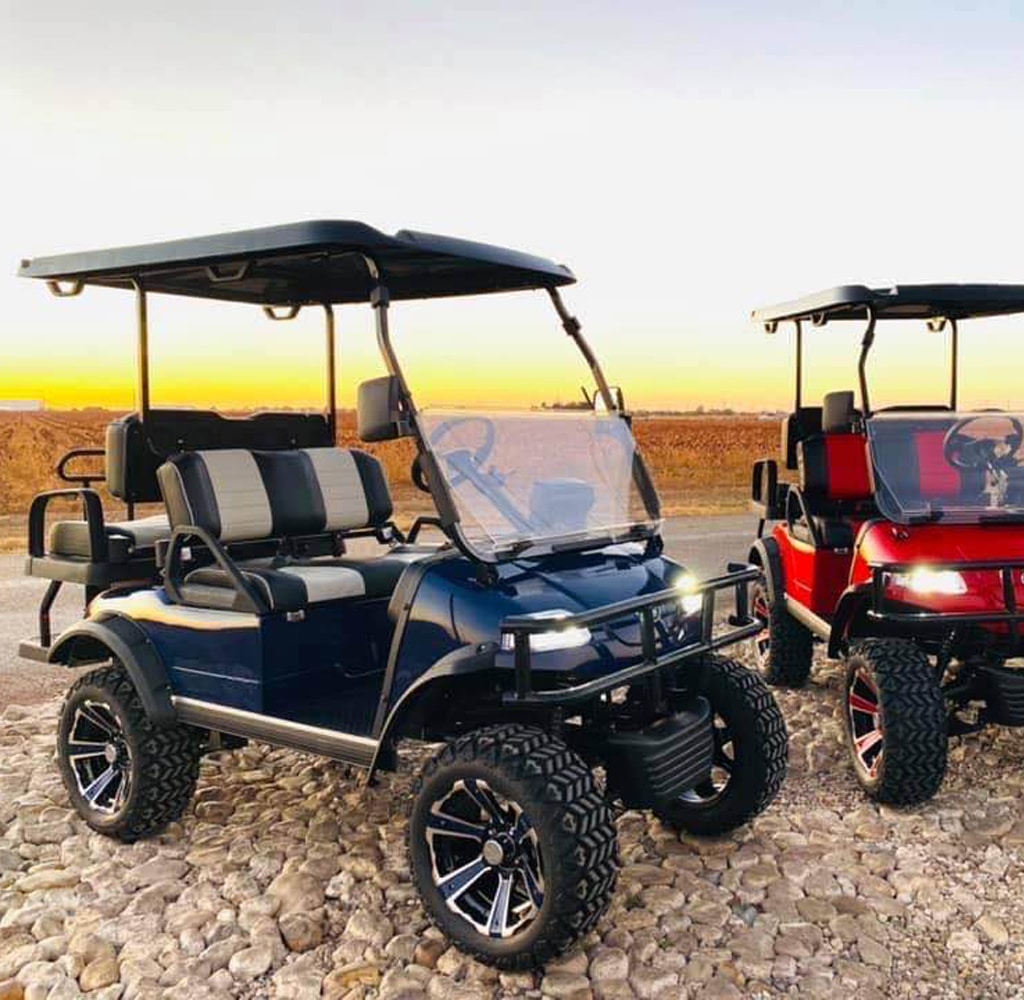
Image Source: jsgolfcarts.com
How Long Do Golf Carts Last? Your Complete Guide
Golf carts can last a long time. Most golf carts will last from 10 to 15 years. Some even last more than 20 years. This depends on many things. These include how well you care for the cart. It also depends on if it is a gas or electric model. You should think about replacing your golf cart when repairs cost more than its worth. Also, replace it if it breaks down often. This guide will help you learn all about how long golf carts last.
Deciphering Golf Cart Lifespans
The typical golf cart lifespan varies a lot. Many factors play a role. These include how often you use it. How you care for it also matters greatly. The type of cart, gas or electric, makes a difference too.
A golf cart’s useful life usually spans over a decade. For many owners, it means years of easy travel. It might be for golf, yard work, or short trips. Knowing its average golf cart life expectancy helps you plan. It helps you decide when to buy a new one. It also helps you see if repairs are worth it.
Electric vs. Gas Golf Carts: A Lifespan Comparison
The power source of your golf cart deeply affects how long it will last. Both electric and gas carts have their own strengths and weaknesses. These impact their golf cart useful life.
Electric Golf Carts
Electric golf carts are popular. They are quiet and do not pollute the air. Their main part is the battery system.
Electric Golf Cart Battery Life
The batteries are key for an electric cart. A set of golf cart batteries lasts about 4 to 8 years. This depends on how well you charge them. It also depends on how you use them. Good charging habits make batteries last longer. Not letting them run totally flat helps a lot. Replacing batteries is a big cost for electric carts. But the other parts often last a very long time. The electric motor can last 15 to 20 years or more. This is true if you keep it clean and dry.
Benefits of Electric Carts
- Quiet Operation: They make very little noise.
- Lower Running Costs: Electricity is often cheaper than gas.
- Fewer Moving Parts: This means less wear and tear on the motor.
- No Exhaust Fumes: Better for the environment.
Drawbacks of Electric Carts
- Battery Replacement Costs: New batteries can be expensive.
- Limited Range: They need to be charged more often.
- Charging Time: It takes hours to fully charge them.
Gas Golf Carts
Gas golf carts run on fuel. They are known for their power and longer range. Their engine is the heart of the machine.
Gas Golf Cart Engine Longevity
The gas golf cart engine longevity is impressive. A well-kept gas engine can last 15 to 20 years or even more. Some run for 30 years or longer. This is like a car engine. It needs oil changes. It needs new air filters. Spark plugs also need replacing. Regular care makes the engine last a very long time. Parts like the carburetor might need cleaning or rebuilding. The starter motor and fuel pump might also wear out. But the main engine block is very strong.
Benefits of Gas Carts
- Longer Range: You can go further on one tank.
- Quick Refueling: Filling up with gas is fast.
- More Power: They often handle hills and heavy loads better.
Drawbacks of Gas Carts
- Noisy: They make more noise than electric carts.
- Higher Emissions: They produce exhaust fumes.
- More Maintenance: Engines have more parts that can break.
Lifespan Summary: Electric vs. Gas
| Feature | Electric Golf Cart | Gas Golf Cart |
|---|---|---|
| Typical Lifespan | 10-15 years (with battery changes) | 15-20+ years (with engine care) |
| Battery/Engine | Batteries last 4-8 years; Motor 15-20+ years | Engine 15-20+ years |
| Main Cost | Battery replacement | Engine maintenance (oil, filters, etc.) and fuel |
| Maintenance | Simple; mainly battery care, tire pressure | More complex; engine tune-ups, oil changes, filters |
| Range | Limited (30-40 miles typical) | Longer (100+ miles typical) |
| Noise | Very quiet | Noisy |
| Emissions | Zero tailpipe emissions | Exhaust fumes |
Both types of carts can last a long time. It really comes down to how they are used. And how well they are kept.
Factors Affecting Golf Cart Durability
Many things can make a golf cart last longer or shorter. Knowing these helps you make smart choices. It helps you care for your cart better. These are the main factors affecting golf cart durability.
How You Use It (Usage Patterns)
- Heavy Use vs. Light Use: A cart used every day for many hours will wear out faster. One used only on weekends for a short time will last longer.
- Terrain: Driving on smooth paths is easy on a cart. Driving on rough, rocky, or bumpy ground causes more wear. It stresses the frame, suspension, and tires.
- Load Weight: Carrying too much weight puts a strain on the motor, frame, and suspension. Always stay within the cart’s weight limit.
- Speed and Driving Style: Fast starts and sudden stops wear out tires and brakes faster. Smooth driving makes parts last longer.
Regular Care (Maintenance Habits)
This is perhaps the biggest factor. Golf cart maintenance impact is huge.
* Skipping Service: Not changing oil, checking fluids, or rotating tires speeds up wear.
* Cleaning: Dirt and grime can hurt parts. Keeping the cart clean protects its parts.
* Battery Care: For electric carts, proper battery charging and watering is vital. Not doing this kills batteries fast.
* Engine Care: For gas carts, regular oil changes, filter changes, and spark plug checks are key. These keep the engine running strong.
Environmental Conditions
Where you keep and use your cart matters.
* Climate: Very hot or very cold weather can harm batteries and engines. Extreme heat can dry out parts. Extreme cold can make batteries less effective.
* Humidity/Moisture: Rust is a big problem in humid or wet places. Water can also damage electrical parts. Keeping the cart dry is important.
* Salt Exposure: Carts used near the ocean or on salty roads will rust quickly. Salt eats away at metal parts and wires.
Age and Manufacturing Quality
- Older Models: An older cart might have parts that are harder to find. Its design might not be as strong as newer models.
- Brand Reputation: Some brands are known for making very tough and long-lasting carts. Club Car, EZ-GO, and Yamaha are good examples. They often use better materials and build quality.
- Original Parts: Using original or high-quality replacement parts helps maintain durability. Cheap, poor-quality parts can fail quickly.
Storage Conditions
- Indoor Storage: Keeping a cart inside protects it from weather, sun, and theft.
- Outdoor Storage: Leaving a cart outside in the rain, sun, or snow speeds up wear. It can lead to rust, faded seats, and damaged electronics.
- Battery Storage: Storing electric carts in a too-cold or too-hot place hurts the batteries. Batteries need to be stored in a moderate temperature.
All these factors work together. A cart used gently, stored well, and cared for properly will last much longer. This applies to its overall golf cart lifespan.
The Power of Maintenance: Golf Cart Maintenance Impact
Good care is the best way to make your golf cart last. Regular maintenance can greatly extend your golf cart useful life. It helps prevent big problems. It keeps small issues from becoming major repairs.
Key Maintenance Tasks
For All Golf Carts (Electric & Gas)
- Tire Care:
- Check Tire Pressure Often: Proper pressure helps tires last longer. It also makes the ride better.
- Inspect for Wear: Look for cracks, bulges, or low tread. Replace worn tires.
- Rotate Tires: This helps them wear evenly.
- Brake System:
- Check Brake Fluid (if applicable): Keep it at the right level.
- Inspect Brake Pads: Look for wear. Replace them when needed.
- Test Brakes: Make sure they work well and stop the cart smoothly.
- Steering and Suspension:
- Lubricate Moving Parts: Grease fittings regularly. This reduces friction.
- Check for Loose Bolts: Tighten any loose nuts or bolts.
- Inspect Bushings: Worn bushings can make steering loose or noisy. Replace them.
- Cleaning:
- Wash Regularly: Remove dirt, mud, and salt.
- Wipe Down Seats and Body: Keep them clean to prevent damage and fading.
- Keep Undercarriage Clean: Rinse off mud and debris.
- General Inspection:
- Check Lights: Make sure all lights work.
- Test Horn: Ensure it works.
- Look for Loose Wires: Secure any loose wires.
For Electric Golf Carts
- Battery Care (Crucial for electric golf cart battery life):
- Charge Properly: Always charge batteries fully after each use. Avoid overcharging.
- Check Water Levels (for flooded lead-acid batteries): Add distilled water when needed. Do this after charging.
- Keep Terminals Clean: Clean off any corrosion. Tighten connections.
- Store Batteries Correctly: If storing for a long time, fully charge and use a trickle charger. Protect them from extreme temperatures.
- Avoid Deep Discharges: Do not run the batteries completely flat. This shortens their life.
- Motor Inspection:
- Keep Motor Clean: Remove dust and debris.
- Check for Loose Wires: Make sure all connections are tight.
- Listen for Strange Noises: Report any unusual sounds to a professional.
For Gas Golf Carts
- Engine Care (Essential for gas golf cart engine longevity):
- Oil Changes: Change the engine oil and filter regularly. Follow the manual’s advice.
- Air Filter: Clean or replace the air filter often. A dirty filter harms engine performance.
- Spark Plugs: Check and replace spark plugs as needed. This helps the engine run smoothly.
- Fuel Filter: Replace the fuel filter. This keeps the fuel system clean.
- Check Belts: Look for cracks or fraying on drive belts. Replace them if worn.
- Check Fluid Levels: Check coolant, brake fluid, and differential fluid. Top them up as needed.
- Fuel System:
- Use Fresh Fuel: Stale fuel can damage the engine.
- Add Fuel Stabilizer: If storing for a long time, use a stabilizer.
- Clean Carburetor: If the cart runs rough, the carburetor might need cleaning.
By following these simple steps, you can greatly improve the golf cart lifespan. Preventative care is much cheaper than major repairs.
Used Golf Cart Lifespan: What to Expect
Buying a used golf cart can save you money. But you need to know what to look for. The used golf cart lifespan depends on its past. It depends on its age. And how well it was cared for by its previous owner.
What to Check When Buying Used
- Age of the Cart: A 5-year-old cart will likely have more life left than a 10-year-old one. But a well-kept 10-year-old cart might be better than a poorly kept 5-year-old one.
- Battery Condition (Electric): This is very important. New batteries are expensive. Ask about the age of the batteries. Look for corrosion. Test the cart to see how long the charge lasts.
- Engine Condition (Gas): Listen for strange noises. Check for leaks. Ask about recent engine service. Get a compression test if possible. This checks the engine’s health.
- Frame and Chassis: Look for rust or cracks. These can be signs of hard use or poor storage. The golf cart component durability for the frame is key.
- Tires and Brakes: Check their condition. Worn parts mean you will spend money on replacements soon.
- Maintenance Records: Ask the seller for service history. This shows if the cart was cared for.
- Overall Appearance: While not always true, a clean cart often means it was well-cared for.
A used cart might have 5 to 10 years of life left. This is true if it was well-maintained. Always test drive the cart. Consider having a mechanic look at it. This is especially true for older or more expensive used carts.
Golf Cart Component Durability: A Closer Look
Each part of your golf cart has its own lifespan. Knowing this helps you understand the overall golf cart lifespan. It helps you know what might need replacing.
Major Components and Their Typical Lifespan
| Component | Typical Lifespan (Years) | Notes |
|---|---|---|
| Batteries | 4-8 | Electric carts. Very sensitive to care and charging habits. |
| Electric Motor | 15-20+ | Can last a very long time with proper care. |
| Gas Engine | 15-20+ | Needs regular oil changes, filters, tune-ups. |
| Charger | 5-10 | For electric carts. Can wear out or break down. |
| Transaxle/Differential | 10-20+ | Very durable. Needs fluid checks and occasional seals. |
| Controller | 10-15+ | Electric carts. Can fail due to water, heat, or electrical issues. |
| Brakes | 2-5 (pads/shoes) | Depends heavily on usage. |
| Tires | 3-7 | Depends on usage, terrain, and proper inflation. |
| Suspension | 5-15+ (shocks/springs) | Bushings may need replacing more often. |
| Steering System | 10-20+ | Tie rods, ball joints can wear out. |
| Chassis/Frame | 20+ | Very durable, but can rust if exposed to moisture/salt. |
| Body Panels | 10-20+ | Can get cracked or faded over time. |
| Seats | 5-15 | Can tear, fade, or crack from sun exposure. |
These are estimates. Good care can make parts last longer. Poor care can make them fail sooner. For example, a golf cart battery life can be cut in half if you don’t charge it right. Similarly, neglecting gas golf cart engine longevity by not changing oil can lead to early engine failure.
When to Replace a Golf Cart
Even with the best care, all machines eventually wear out. Knowing when to replace a golf cart can save you money and headaches.
Signs It’s Time for a New Cart
- Frequent Breakdowns: If your cart is always in the shop, it’s a big red flag. Small issues add up.
- High Repair Costs: If the cost of fixing a problem is more than half the cart’s value, it’s often better to buy new. For example, replacing an engine or an entire battery set can be very expensive.
- Safety Concerns: If the brakes are often faulty, or the steering feels loose, safety is at risk. Don’t gamble with safety.
- Performance Issues: Your cart might lose power. It might not hold a charge well. It might struggle on hills. These show major parts are wearing out.
- Rust and Frame Damage: Severe rust on the frame or chassis is a big problem. It makes the cart unsafe and hard to fix. This impacts golf cart durability at its core.
- Parts Are Hard to Find: If your cart is very old, getting parts might become impossible. This makes repairs very hard.
- Doesn’t Meet Your Needs: Maybe your needs have changed. You might need more power, more seats, or a longer range. A new cart might be a better fit.
Evaluating the “Cost of Ownership”
Think about how much you spend each year on repairs. Add this to fuel or electricity costs. If this total keeps going up, a new cart might save you money in the long run. A new cart comes with a warranty. It has no old problems.
Consider your cart’s golf cart useful life. If it’s already well past its average golf cart life expectancy, then problems are more likely.
Frequently Asked Questions (FAQ)
Q: How many hours do golf cart engines last?
A: Gas golf cart engines often last for thousands of hours. A well-maintained engine can easily run for 2,000 to 4,000 hours. Some may last even longer, reaching 5,000 to 7,000 hours with very good care. This equals many years of use.
Q: Can golf carts be used off-road?
A: Standard golf carts are not made for off-road use. Using them on rough terrain will cause faster wear. It can damage the suspension, tires, and frame. Special “utility” or “lifted” golf carts are built for light off-road use.
Q: How often should I replace golf cart tires?
A: Golf cart tires usually last 3 to 7 years. This depends on how much you drive. It also depends on the ground you drive on. Check them for cracks, bulges, or low tread often. Replace them when they look worn out.
Q: Is it better to buy a new or used golf cart for longevity?
A: A new golf cart will usually offer the best longevity. It has new parts and a warranty. A used cart can still last many years. But you need to check it very carefully. Make sure it was well-cared for by the past owner.
Q: What is the most common reason a golf cart breaks down?
A: For electric carts, battery failure is very common. This often happens because of poor charging habits. For gas carts, engine problems due to lack of oil changes or filter changes are common. Neglecting regular maintenance is the biggest reason for breakdowns for both types.
Q: Does lifting a golf cart affect its lifespan?
A: Lifting a golf cart can reduce its lifespan if not done right. It puts more stress on the suspension, steering, and frame. Using larger tires also adds strain. If you lift your cart, use high-quality parts. Drive it more gently.
Final Thoughts on Golf Cart Lifespan
Your golf cart’s life is largely in your hands. A standard golf cart can easily serve you for 10 to 15 years. With great care, it can go even further. Whether it’s the electric golf cart battery life or the gas golf cart engine longevity, proper care is key.
Focus on regular maintenance. Drive safely. Store your cart wisely. By doing these things, you can make sure your golf cart gives you many years of reliable use. You will enjoy its full golf cart useful life.