
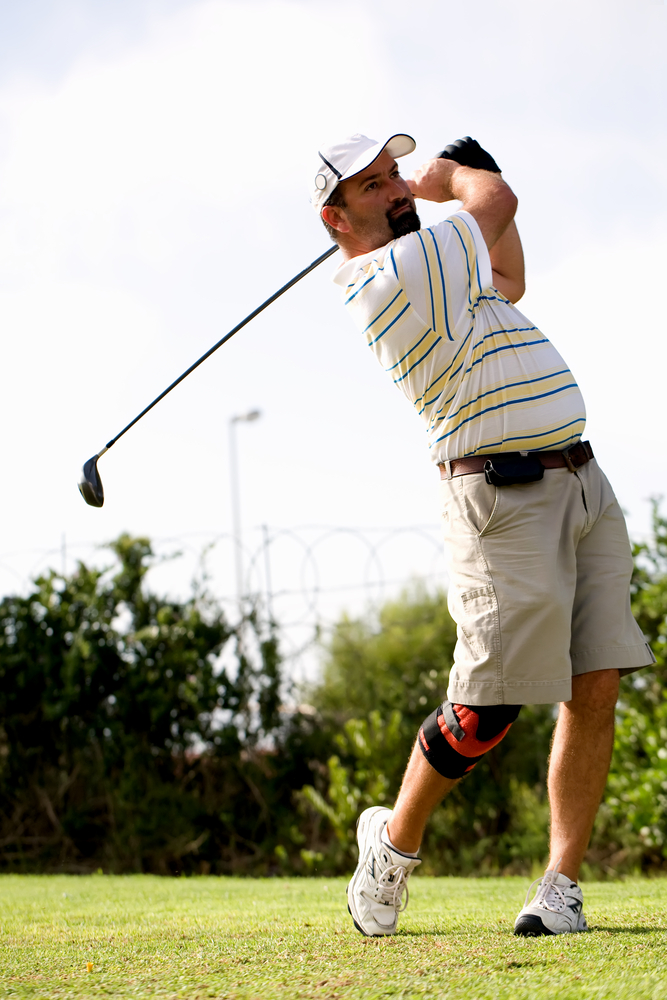
Image Source: www.breakthroughpt.com
How Long After ACL Surgery Can You Golf: A Golfer’s Guide
For golfers, an ACL injury can feel like a game-changer. The good news is that returning to the golf course after ACL surgery is very possible. Typically, you can begin light putting and chipping around 4 to 6 months after ACL surgery. A full return to playing 18 holes, including powerful golf swings, usually takes 9 to 12 months, sometimes longer. This timeline depends on many things. It depends on your recovery speed, the type of surgery, and how well you follow your physical therapy. Always talk to your doctor and physical therapist. They will guide your return to golf. This guide will help you understand the path back to your favorite sport. It covers the steps needed for a safe and strong return to golfing after ACL recovery.
The Path Back: Your ACL Golf Return Timeline
Getting back to golf after ACL surgery takes time. It is a slow, careful process. Every person heals differently. But there are general steps you can expect. Knowing this ACL golf return timeline helps you plan. It also helps you set real goals.
Early Recovery: Months 1-3
In these first months, your main goal is to heal. You will work on getting your knee strong again. You also want to get back your range of motion. This means how far your knee can bend and straighten.
- Week 1-2: You will rest and reduce swelling. You will use crutches and wear a brace. Gentle exercises like ankle pumps are common.
- Month 1: You might start some light bending and straightening exercises. The goal is to get your knee fully straight. You will start walking more without crutches.
- Month 2-3: You will work on gentle strengthening exercises. These include leg lifts and light squats. Your physical therapist will guide you. You should not try any golf swings now. Your knee is still very fragile.
Mid-Stage Recovery: Months 4-6
This stage is when you can start thinking about golf. But it is only for very light activities. Your focus is still on building strength and control.
- Month 4: You might start walking on an inclined treadmill. You will do more leg strengthening exercises. These are exercises like lunges and step-ups.
- Month 5-6: If your knee is strong enough, you might get a green light for light golf activities.
- Putting: You can start putting. This uses very little knee movement.
- Chipping: You can do short chips. Focus on gentle swings. Do not twist your body much.
- Light Range Practice: Hit very short irons. Do not swing hard. The goal is to feel the club again.
- No Full Swings: Avoid full golf swings. They put a lot of stress on your knee. Twisting the body is risky.
Late-Stage Recovery and Return to Play: Months 7-12+
This is the phase for serious golf prep. You will work on sport-specific movements. You will get your body ready for full golf play.
- Month 7-9: Your physical therapist will add more dynamic exercises. These are exercises that involve movement. You might do light jogging and jumping. You will also start working on your ACL surgery golf swing. This means slow, controlled swings. You will focus on good form.
- Progression: Start with wedge shots. Then move to short irons. Build up your swing speed slowly.
- Balance Work: Work on your balance. Golf needs good balance.
- Month 9-12+: If your knee is strong and stable, you can think about playing a full round. Your doctor and therapist must approve this.
- Start with Short Rounds: Play 9 holes first. Do not walk if it is hard. Use a cart.
- Listen to Your Body: Stop if you feel any pain.
- Gradual Increase: Slowly increase the number of holes you play. Slowly increase your swing speed.
This timeline is a guide. Your specific return to golf protocol ACL will be set by your medical team. Do not rush any step.
Why Rushing Is Risky: The Dangers of Golfing Too Soon After ACL
It is tempting to get back on the course fast. But playing golf too soon after ACL reconstruction can cause serious problems. Your knee needs time to heal fully. The new ACL graft needs to get strong.
Risks of Early Return
- Re-injury: This is the biggest risk. Your new ACL graft is weakest in the first few months. A sudden twist or hard swing can tear it again. This means more surgery and a longer recovery.
- Pain and Swelling: Pushing your knee too hard can cause pain. It can also cause swelling. This slows down your recovery.
- Joint Damage: Repeated stress on a healing knee can harm other parts of the joint. This includes cartilage. Cartilage protects your bones. Damage here can lead to long-term problems. It can lead to arthritis.
- Poor Mechanics: If you play before your knee is ready, you might change your golf swing. You might try to protect your knee. This can lead to bad habits. These habits can hurt other parts of your body. They can also make your golf game worse.
The Graft Maturation Process
Your new ACL is not strong right away. It goes through a process called “ligamentization.” This means the new tissue slowly changes to become more like your original ACL. This process takes 12 to 18 months, or even longer.
- First 3 Months: The graft is very weak. It is prone to stretching or tearing.
- Months 6-9: The graft starts to get stronger. But it is still not at full strength.
- Months 12+: The graft is much stronger. It is ready for more demanding activities.
This is why doctor recommendations golf ACL often suggest a long wait. They want to protect your new ACL. They want to ensure your recovery is full and lasting.
Rehab for Golfing After ACL: Your Key to Success
Rehabilitation is the most important part of your recovery. It prepares your knee and body for the demands of golf. Your physical therapy ACL golf program will be specific to your needs. It will focus on strength, flexibility, balance, and sport-specific movements.
Core Components of Rehab
-
Strength Training:
- Quadriceps: These are the muscles at the front of your thigh. They are crucial for knee stability. Exercises include leg presses, squats, and knee extensions.
- Hamstrings: These are the muscles at the back of your thigh. They work with your quads. Exercises include hamstring curls and glute bridges.
- Glutes: These are your butt muscles. Strong glutes help with hip rotation. This is key for a golf swing. Exercises include side leg raises and clam shells.
- Core: A strong core helps with balance and power. It also protects your back. Exercises include planks and bird-dogs.
-
Flexibility and Range of Motion:
- You need good flexibility in your hips, knees, and ankles. This helps with your swing.
- Stretching exercises help improve how far your knee can move.
-
Balance and Proprioception:
- Proprioception is your body’s sense of its position in space. After ACL surgery, this sense can be off.
- Exercises include standing on one leg. You might use a wobble board or a balance disc. These help your knee know where it is without you looking. This is very important for the twisting motion of a golf swing.
-
Sport-Specific Training:
- This is where your rehab gets specific to golf. Your physical therapist will help you mimic golf movements.
- Weight Shift Drills: Practice shifting your weight from one foot to the other. This is vital in the golf swing.
- Rotational Drills: Start with small, controlled trunk rotations. Slowly increase the range of motion.
- Swing Progression: Begin with partial swings. Use a broomstick or a light club. Focus on form, not power. Gradually increase the swing speed and club length.
| Rehab Phase | Focus Areas | Example Exercises | Golf Relevance |
|---|---|---|---|
| Early (0-3 mos) | Reduce swelling, regain full knee extension | Quad sets, hamstring curls, gentle knee bending | None (rest & basic mobility) |
| Mid (3-6 mos) | Build strength, improve balance, light cardio | Squats, lunges, single-leg balance, treadmill | Gentle putting, chipping (no full swing) |
| Late (6-9 mos) | Power, agility, sport-specific movements | Jumping, plyometrics, advanced balance, rotational drills | Gradual swing progression, short iron practice |
| Return (9-12+ mos) | Full sport readiness, endurance | Full-speed drills, course walking | Full round play, increasing swing speed & distance |
The ACL Surgery Golf Swing: Adapting and Strengthening
The golf swing puts a lot of stress on the knee. It involves rotation, weight transfer, and explosive power. After ACL surgery, you need to rethink your ACL surgery golf swing. You might need to change it slightly. Or you might just need to focus on good form.
Key Elements of the Golf Swing and Knee Stress
- Backswing: The trail knee (right knee for a right-handed golfer) resists rotation. It takes some weight.
- Downswing: Weight shifts to the lead knee (left knee for a right-handed golfer). This knee absorbs force and stabilizes the body during rotation.
- Impact and Follow-Through: The lead knee handles high forces. It also controls body rotation. This is where most ACL tears happen for golfers.
Adapting Your Swing for Knee Health
- Maintain Good Posture: Start with a good, balanced stance. This helps distribute forces evenly.
- Focus on Core and Hip Rotation: Use your core and hips to drive the swing. This reduces strain on your knees. Many golfers rely too much on knee rotation. This is bad for your ACL.
- Controlled Weight Shift: Practice a smooth, controlled weight transfer. Avoid jerky movements.
- Consider a Wider Stance: A slightly wider stance can offer more stability. It can reduce the amount of knee rotation needed.
- Use Your Hips More: Think about turning your hips. This takes stress off your knees.
- Tempo and Rhythm: A smooth, slower tempo can be better than a fast, aggressive swing. This helps protect your knee. It can also improve your game!
- Limit Deep Knee Flexion: Try not to bend your knees too much at address or during the swing. This puts less strain on the ACL.
Your physical therapist can watch your swing. They can help you make changes. They can also give you drills. These drills will help you adapt your ACL surgery golf swing safely.
Return to Golf Protocol ACL: Step-by-Step Progress
Returning to golf is not a sudden event. It is a slow, gradual process. This gradual return to golf ACL ensures your knee is ready for each new challenge. It helps you avoid injury.
The Phased Approach
-
Putting Only (4-6 months post-op, with approval):
- Start on a putting green.
- Focus on standing and light movements.
- No twist, no force.
-
Chipping and Light Pitching (5-7 months post-op, with approval):
- Move to short game areas.
- Use a wedge.
- Focus on arm-dominant swings. Keep body rotation minimal.
- Start with very short backswings and follow-throughs.
-
Short Irons at the Range (7-9 months post-op, with approval):
- Go to the driving range.
- Start with your sand wedge or pitching wedge.
- Hit balls with a slow, controlled swing.
- Focus on technique, not distance.
- Limit the number of balls you hit. Maybe 20-30 balls at first.
- Take breaks between shots.
-
Medium to Long Irons (8-10 months post-op, with approval):
- Gradually move to longer irons.
- Slowly increase your swing speed.
- Still focus on good form.
- Continue to limit the number of balls.
-
Woods and Driver (9-12 months post-op, with approval):
- This is the final step before playing a full round.
- Use your woods and driver.
- Hit at full speed.
- Your physical therapist should have approved this. Your knee should feel very strong.
-
On-Course Play (9-12+ months post-op, with approval):
- Start Small: Play 9 holes first.
- Use a Cart: Avoid walking the course at first. Walking puts less strain on your knee than swinging, but fatigue increases risk.
- Listen to Your Body: If you feel pain, stop.
- Limit Rounds: Do not play every day. Give your knee time to recover between rounds.
- Warm Up: Always warm up before playing. Do dynamic stretches.
- Cool Down: Stretch gently after your round.
This phased approach is crucial. It minimizes the risk of golfing too soon after ACL surgery. It lets your knee adapt.
Doctor Recommendations Golf ACL: Essential Guidance
Your doctor and physical therapist are your most important partners. Their doctor recommendations golf ACL are vital. They know your specific injury and recovery.
What Your Medical Team Will Look For
Before clearing you for golf, your medical team will check several things:
- Full Range of Motion: Your knee should bend and straighten fully.
- Good Strength: Your injured leg should be nearly as strong as your uninjured leg. They often use special tests to measure this. Aim for 85-90% strength return.
- No Swelling or Pain: Your knee should not be swollen or painful during normal activities.
- Good Balance: You should have stable balance on your injured leg.
- Confidence: You should feel confident in your knee’s ability to handle the demands of golf.
Communication Is Key
- Be Honest: Tell your doctor and therapist how your knee feels. Do not hide pain or discomfort.
- Follow Instructions: Stick to your rehab plan. Do not skip exercises. Do not push too hard too soon.
- Ask Questions: If you are unsure about something, ask.
- Get Clearance: Never return to sports without a clear go-ahead from your surgeon and physical therapist. This is their main job: protecting your knee.
They might use specific tests. These could include hop tests or strength tests. These tests show if your knee is ready for sports.
Playing Golf Post ACL Reconstruction: Tips for the Course
Once you get the all-clear to start playing golf post ACL reconstruction, some tips can help you stay safe and enjoy the game.
Before Your Round
- Warm-Up Properly: Do a dynamic warm-up. This means gentle movements. Do leg swings, hip circles, and torso twists. Hit some balls slowly on the range first.
- Hydrate: Drink water before and during your round.
- Stretch: Do light stretches for your hamstrings, quads, and hips.
During Your Round
- Use a Cart (Initially): Walking 18 holes can be tiring. Use a cart for the first few months back. This saves your knee for the swing.
- Take Breaks: Rest when you feel tired. Fatigue increases injury risk.
- Listen to Your Body: Any new pain or swelling is a sign to slow down or stop.
- Focus on Smooth Swings: Do not try to hit the ball as hard as you used to. Focus on smooth, controlled swings. Accuracy over power.
- Proper Footwear: Wear golf shoes that give good support and traction.
- Course Awareness: Be mindful of uneven ground or slopes. These can put extra stress on your knee.
After Your Round
- Cool Down: Do some gentle stretches for your legs and back.
- Ice Your Knee: If you feel any soreness or swelling, apply ice.
- Rest: Give your knee time to recover before your next round.
Remember, playing golf post ACL reconstruction is a long-term journey. You might have good days and bad days. Stay patient and consistent with your rehab and preventative care.
The Gradual Return to Golf ACL: Why Patience Wins
The idea of a gradual return to golf ACL cannot be stressed enough. It is the core of a successful and lasting recovery. You might feel ready sooner than your knee is. But trust the process.
Benefits of a Gradual Approach
- Allows Graft Healing: It gives your new ACL graft enough time to become strong.
- Builds Confidence: Moving through steps slowly helps you trust your knee again. This is vital for mental readiness.
- Prevents Re-Injury: The biggest benefit. It sharply lowers your chance of tearing your ACL again.
- Improves Performance: By rebuilding strength and refining your swing safely, you can often come back a better golfer. You might have better form and less pain.
What “Gradual” Truly Means
- Step-by-Step: Do not skip steps in your rehab or return protocol.
- Listen to Your Body: Pay close attention to how your knee feels.
- No Sudden Increases: Do not suddenly increase swing speed or play longer rounds. Make small, slow increases.
- Consistency: Do your rehab exercises every day. Consistency is more important than sudden, intense workouts.
- Professional Guidance: Stay in close contact with your doctor and physical therapist. They will tell you when you are ready for the next step.
Golf is a sport for life. Taking the time to heal properly means you can enjoy it for many years to come. Rushing back only risks ending that enjoyment early.
Frequently Asked Questions (FAQ)
Q: How much twisting is too much for my knee after ACL surgery when golfing?
A: Any forceful twisting is too much for many months after surgery. Your physical therapist will teach you how to rotate your body more from your hips and core. This reduces stress on your knee. Start with very little twist, then slowly add more as your knee gets stronger.
Q: Can I use a golf cart immediately when I return to the course?
A: Yes, using a golf cart is highly recommended when you first return to the course. Walking 18 holes can be very tiring for your recovering knee. A cart helps save your energy for the swing. You can gradually add walking holes as your knee gets stronger.
Q: Will my golf swing be different after ACL surgery?
A: Your golf swing might feel different at first. You might need to adjust your mechanics to reduce stress on your knee. Focusing on core and hip rotation can help. Many golfers find their swing improves because they learn to use their body more efficiently. Your physical therapist can help you adapt your ACL surgery golf swing for safety and power.
Q: What if I feel pain during my return to golf?
A: If you feel any pain, stop. Do not try to play through it. Rest your knee. Ice it. If the pain continues or gets worse, talk to your doctor or physical therapist right away. Pain is your body’s way of telling you something is wrong.
Q: How can I prevent re-injury when golfing after ACL recovery?
A: Prevent re-injury by following your rehab plan strictly. Do not rush your return. Always warm up before playing. Use a gradual return to golf protocol. Continue strengthening your knee and core muscles even after you return to play. Listen to your body and never play through pain.