
What is USGA course rating? It’s a number that shows how hard a golf course plays for a skilled golfer, often called a “scratch” golfer. What is golf slope rating? This number tells you how much harder the course plays for an average golfer compared to that scratch golfer. Both are key parts of the golf handicap system, helping to measure playing difficulty rating and make the game fair for everyone, no matter their skill level or the course they play. These ratings are part of the larger USGA Handicap System, which aims to let golfers of different abilities compete fairly.
Think of course ratings like grading a school subject. A easy subject gets a low grade level, while a hard one gets a high grade level. Golf courses are graded too, but for how tough they are to play well. This course difficulty assessment is vital for how golfers figure out their handicaps and compete fairly.
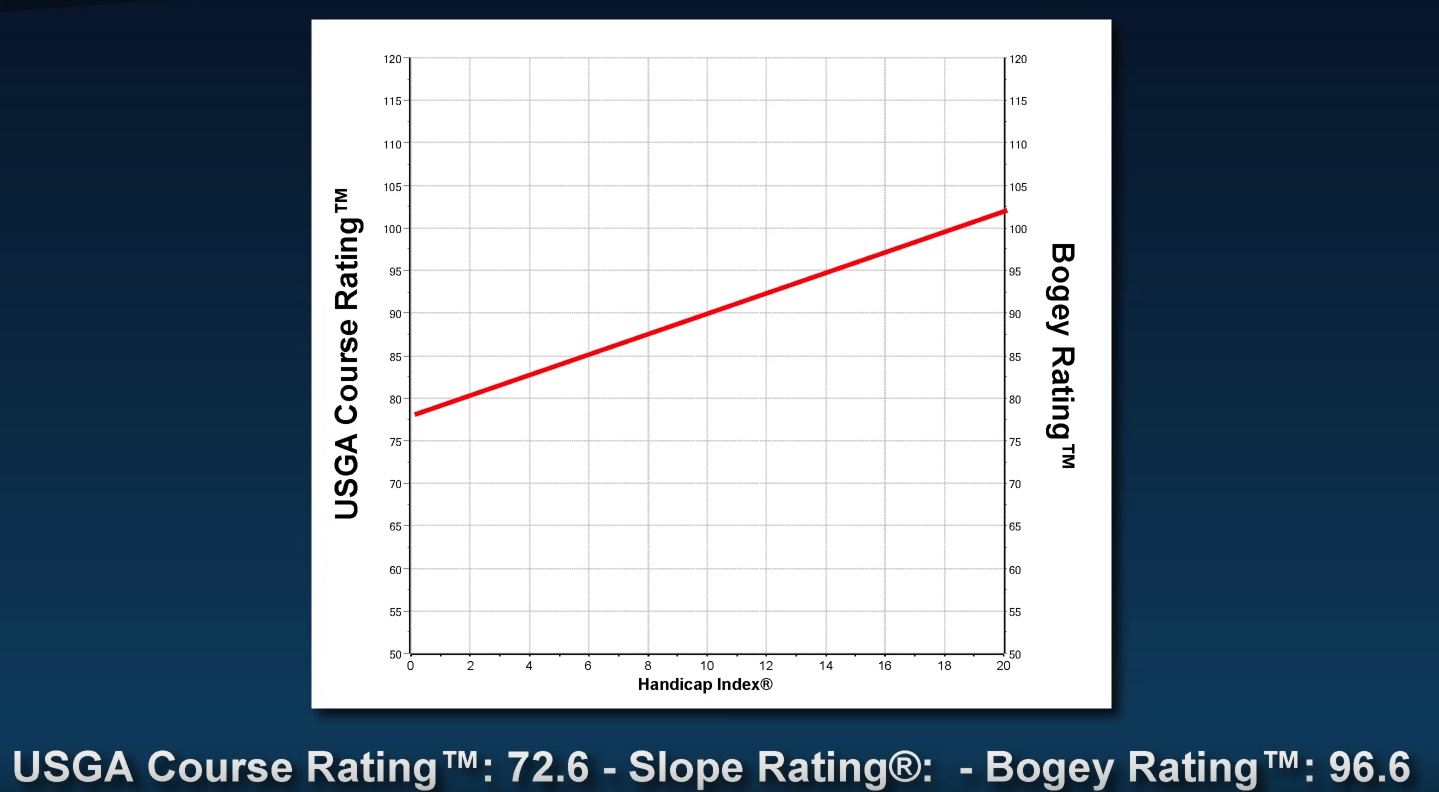
Image Source: www.scga.org
Why We Need Course Ratings
Golf is played on many different types of courses. Some courses are short and wide open. Others are long with lots of trees and water. A golfer who shoots a score near par on a short course might struggle to shoot the same score on a long, tough course. The rating system helps fix this.
The main goal of rating a course is to create a standard way to compare the difficulty of different courses. This way, a golfer’s score on a difficult course can be compared fairly to their score on an easy course. This is the backbone of the golf handicap system. Without ratings, the system wouldn’t work right.
The USGA (United States Golf Association) developed the system used in the United States and many other places. It involves trained teams visiting the course and looking at everything that makes it hard or easy to play.
Grasping the Core Concepts: Course Rating and Slope
There are two main numbers you see on a course scorecard or sign: the Course Rating and the Slope Rating. Both come from the same detailed evaluation of the course.
- Course Rating (Scratch Rating): This number is the expected score for a “scratch” golfer. A scratch golfer is a player who can shoot par or better on average from the back tees. The Course Rating is usually close to the course’s par, but it can be higher or lower depending on how hard the course is for someone with a low handicap. If a course is par 72 but very tough, the Course Rating might be 74.5. This means a scratch golfer is expected to shoot about 74 or 75 on average.
- Bogey Rating: While you don’t see this number on the scorecard, it’s a critical part of the calculation. The Bogey Rating is the expected score for a “bogey” golfer. A bogey golfer is someone who usually shoots about 18 over par on a course of average difficulty (around a 20 handicap for men, 24 for women). Raters figure out how hard the course is for this type of player too.
- Slope Rating: This number comes from the difference between the Bogey Rating and the Course Rating. It shows how much more difficult the course is for a bogey golfer than for a scratch golfer. An average course has a Slope Rating of 113. A higher Slope Rating means the course gets much tougher for bogey golfers compared to scratch golfers. A lower Slope Rating means the course doesn’t punish the bogey golfer as much compared to the scratch golfer. Slope Ratings can range from 55 (very easy) to 155 (very hard).
Bogey Rating vs Scratch Rating: Why Two Numbers?
This is a key point in course difficulty assessment. A golf course doesn’t play the same way for everyone.
* A scratch golfer hits the ball far and straight. They can carry the ball over hazards like bunkers and water. They often land on fairways and greens.
* A bogey golfer might not hit the ball as far or straight. They might land in bunkers or water more often. They might hit into trees or rough.
Obstacles and course features affect these two types of players differently. This difference is why the Course Rating (for scratch golfers) and the Bogey Rating (for bogey golfers) are both calculated. The Slope Rating then captures how big that difference is. A course with lots of forced carries over water might have a high Slope Rating because that feature punishes the bogey golfer much more than the scratch golfer. A course that’s just very long but wide open might have a high Course Rating but a relatively lower Slope Rating because the length affects both players somewhat similarly (though still more for the bogey player, just maybe not dramatically more).
The Process: How Golf Course Ratings Are Calculated
How do they come up with these numbers? It’s a careful process involving trained teams from the USGA or the authorized golf association in that area.
Evaluating the Course
The rating team physically walks the course. They look at every hole from the tee to the green. They don’t just eyeball it; they use detailed criteria and often measuring tools. The golf course evaluation criteria are specific and cover many aspects of play.
They rate the course based on two main things:
1. Effective Playing Length: This isn’t just the yardage on the scorecard. It accounts for things that make a hole play longer or shorter than its stated length.
2. Obstacle Stroke Value: This measures how much difficulty the hazards and features add to the hole.
They do this for both the scratch golfer and the bogey golfer from each set of tees that will be rated (like championship tees, men’s tees, women’s tees, etc.).
Determining Effective Playing Length
The printed yardage is a starting point, but many factors change how far you actually need to hit the ball to play the hole well. Raters adjust the length based on:
- Roll: How much the ball rolls after landing on the fairway. Firm fairways mean more roll, making the hole play shorter. Soft fairways mean less roll, making it play longer.
- Elevation Changes: Hitting uphill means the hole plays longer because gravity works against the ball. Hitting downhill means the hole plays shorter.
- Wind: Strong prevailing winds that usually blow in one direction are factored in. Playing into the wind makes a hole play longer; playing with the wind makes it play shorter.
- Doglegs and Forced Layups: If a hole has a sharp bend (dogleg) or requires you to hit a shot short of a hazard (forced layup), it can affect the optimal way to play the hole and thus its effective length for scoring.
- Altitude: At higher altitudes, the air is thinner, and the ball travels farther. This makes the course play shorter than its yardage suggests.
Raters use formulas to adjust the basic yardage of each hole based on these elements, resulting in the Effective Playing Length for both scratch and bogey golfers. A scratch golfer’s drives might roll more than a bogey golfer’s, or they might be able to fly a dogleg, so the Effective Playing Length might differ slightly between the two player types.
Assessing Obstacle Stroke Value
This is where the team looks at all the potential trouble on the course. They consider ten different obstacle categories for each hole, and how they affect the scratch and bogey golfer. The factors influencing golf course rating under obstacles include:
- Topography: How flat or hilly the course is overall, affecting lies, stances, and recovery shots.
- Fairway: Width, contour, and firmness. Narrow, bumpy fairways are harder.
- Green Target: Size and shape of the green. Smaller greens are harder to hit.
- Recoverability and Rough: How penal the rough is and how hard it is to recover from off the fairway or green.
- Bunkers: Number, size, depth, and placement. How likely are players to land in them? How hard is it to get out?
- Crossing Hazards: Water or other hazards that you must hit over to reach the green or fairway. These are often major contributors to difficulty, especially for bogey golfers.
- Lateral Hazards: Hazards like water or out-of-bounds running along the side of the hole.
- Trees: Placement, size, and density. Do they block the easy path to the green? How hard is it to recover from them?
- Green Surface: Speed, contour (slopes and breaks), and firmness. Fast, sloped, or firm greens are harder to putt on.
- Psychological: The mental pressure created by the course layout, specific shots required, or intimidating hazards.
For each of these categories on each hole, raters give a score (from 0 to 10) based on how much it increases the score for both the scratch and the bogey golfer. They look at things like:
* Where a typical scratch golfer’s drive might land.
* Where a typical bogey golfer’s drive might land.
* What hazards are in play from those landing spots.
* How likely a player is to hit into a hazard.
* How many penalty strokes are likely if they do.
For example, a bunker 280 yards out might not affect a bogey golfer who hits drives 200 yards, but it greatly affects a scratch golfer who hits drives 280-300 yards. Conversely, a cluster of trees 150 yards from the tee might be right where a bogey golfer’s drive lands, but easily carried by a scratch golfer. This difference in how obstacles affect different skill levels is crucial to the Slope Rating.
Combining the Numbers
Once the raters have assessed the Effective Playing Length and the Obstacle Stroke Value for both the scratch and bogey golfer on every hole, they sum these values up.
They use formulas to convert these total difficulty numbers into the Course Rating and the Bogey Rating for that set of tees.
- The Course Rating is essentially the total score value for the scratch golfer, usually adjusted slightly to represent an average of the best scores rather than a single perfect score.
- The Bogey Rating is the total score value for the bogey golfer.
Calculating the Slope Rating
The final step in how golf course ratings are calculated is finding the Slope Rating. This number comes directly from the difference between the Bogey Rating and the Course Rating.
The formula is:
Slope Rating = (Bogey Rating – Course Rating) * 113 / 113
Wait, why multiply and divide by 113? The number 113 is the standard Slope Rating for a course of average difficulty. The formula essentially takes the difference between the bogey and scratch expected scores, scales it based on that standard average difficulty (the 113 part), and then presents it on the Slope scale (the / 113 part). This standardizes the Slope number so it makes sense regardless of the absolute difference between the Bogey and Course Ratings. The 113 constant is a key element of the golf slope rating formula.
So, if a course has a Bogey Rating of 94.0 and a Course Rating of 74.0, the difference is 20.
Slope Rating = (94.0 – 74.0) * 113 / 113 = 20 * 1 = 130
A Slope Rating of 130 is higher than the average 113, meaning this course plays significantly harder for bogey golfers than for scratch golfers. This could be due to many forced carries, narrow fairways, or penal rough.
If another course has a Bogey Rating of 90.0 and a Course Rating of 73.0, the difference is 17.
Slope Rating = (90.0 – 73.0) * 113 / 113 = 17 * 1 = 113
A Slope Rating of 113 means this course is of average difficulty in how it affects different skill levels. It’s important to note that a course with a Slope of 113 isn’t necessarily an “easy” course overall. It just means the difference in difficulty between scratch and bogey golfers is typical. Its Course Rating (73.0 in this example) still tells you how hard it is for the scratch player.
Connecting Ratings to Your Handicap
The USGA Course Rating and Golf Slope Rating are essential to the USGA Handicap System. They are used along with your scores to figure out your Handicap Index. Your Handicap Index shows your potential skill level. It’s a portable number you can use on any course.
When you play a round, you calculate a Handicap Differential. This is your score adjusted for the Course Rating and Slope Rating of the tees you played.
Handicap Differential = (Adjusted Gross Score – USGA Course Rating) * 113 / USGA Slope Rating
You take the best Handicap Differentials from your recent scores (the USGA uses the best 8 of your last 20 scores) and average them to get your Handicap Index.
Then, when you go to play a specific course, you use your Handicap Index and the Slope Rating of the tees you’re playing from to get your Course Handicap for that round.
Course Handicap = Handicap Index * (USGA Slope Rating / 113)
This Course Handicap is the number of strokes you get during that round to make competition fair. A higher Slope Rating means your Course Handicap will be higher than your Handicap Index, giving you more strokes because the course is harder for you as a bogey golfer. A lower Slope Rating means your Course Handicap will be lower than your Handicap Index.
This connection shows how the playing difficulty rating derived from the course evaluation criteria directly impacts how many strokes a golfer gets, allowing fair competition across different courses and skill levels.
Factors Influencing Golf Course Rating in Detail
Let’s look deeper at the factors influencing golf course rating and how they impact the numbers. Remember, raters assess both the scratch and bogey golfer for each factor on each hole.
Length Matters (Yardage)
This is the most obvious factor. A longer course is harder than a shorter one, all else being equal. It requires longer shots, which are generally harder to hit accurately. This affects both scratch and bogey golfers, but bogey golfers usually hit shorter drives and approach shots, meaning they face longer second or third shots on long holes compared to scratch golfers. This difference in how length impacts scoring contributes to the Slope Rating. Effective Playing Length adjustments refine this basic yardage impact.
Hazards and Trouble (Obstacles)
This category is where the bogey rating vs scratch rating difference becomes very clear.
- Bunkers: A large, deep bunker guarding the front of a green is a big problem for a bogey golfer who might land their approach shot short. A scratch golfer might hit over it. Bunkers in the fairway landing area are also evaluated based on where scratch and bogey golfers typically land their drives.
- Water: Water carries (crossing hazards) are huge factors. A 150-yard carry over water to the fairway might be routine for a scratch golfer but impossible or very risky for a bogey golfer. Water along the side (lateral hazards) is also rated based on how close it is to the line of play for both types of players.
- Trees: Dense trees close to the fairway that block shots are more penal than sparse trees. How likely are stray shots from scratch vs. bogey players to end up in significant trouble? Raters look at where the typical recovery shot from the trees might end up.
- Rough: Thick, deep rough close to the fairway landing areas or around the greens makes recovery shots much harder. A scratch golfer might muscle a wedge out of thick rough and still hit the green; a bogey golfer might only be able to hack it back to the fairway.
The Putting Surface (Greens)
The green affects everyone, but certain characteristics increase the difficulty for all players, and others might disproportionately affect one group.
- Size: Smaller greens are harder to hit with approach shots, increasing the chance of being in the rough or a bunker around the green. This affects scoring for both players.
- Contour: Greens with severe slopes and undulations are harder to putt on. They can also make approach shots harder, as getting the ball close requires hitting to specific parts of the green. Very complex greens can lead to more three-putts, which might happen more often to less skilled putters (bogey golfers).
- Speed: Very fast greens are harder to putt on and require more delicate touch on chips and pitches. This increases the chances of mis-hitting a short shot or putting off the green.
Landing Spots (Fairways)
- Width: Narrow fairways mean less room for error off the tee and on layups. This increases the chances of hitting into rough or hazards, affecting both players but possibly leading to more lost balls or unplayable lies for the bogey golfer.
- Contour: Fairways that slope sharply can leave players with difficult side-hill lies or cause balls to roll into trouble.
Hills and Valleys (Elevation)
While accounted for in Effective Playing Length, overall course topography impacts play beyond just making holes play longer or shorter. Hilly courses mean more uneven lies for chips and pitches, and uphill shots can be harder to judge distance on.
Forced Shots (Carries)
As mentioned with hazards, forced carries over trouble like water, bunkers, or deep ravines are significant factors in the playing difficulty rating. They require a player to hit the ball a minimum distance. If a bogey golfer cannot reliably hit the ball far enough, this introduces a high risk of penalty strokes, strongly increasing the Slope Rating.
Prevailing Wind
If a course is known for having strong winds that consistently blow from a certain direction, this is factored into the Effective Playing Length calculation for each hole. A hole playing into a constant wind will be longer than its stated yardage.
Psychological Factors
While harder to quantify, the visual intimidation of a course layout, the pressure of hitting over a large water hazard, or facing a tricky shot can impact scores. Raters consider how the course might mentally affect players.
Keeping Ratings Current
Golf courses change over time. Trees grow, sand traps are added or removed, tee boxes are moved, green contours might change due to maintenance or redesigns. These changes can affect the difficulty of the course.
Because of this, golf courses are not rated once and for all. The USGA recommends that courses be rerated periodically, typically every ten years. A course might also request a rerating sooner if major changes have been made that are likely to affect its difficulty significantly. Maintaining accurate ratings is vital for the fairness of the golf handicap system.
How it Works Elsewhere
While the USGA system is widely used, especially in North America and countries that follow its standards, other golf associations around the world have similar course rating systems. Many are based on the USGA model, sometimes with slight variations. The goal is always the same: to provide a standard measure of course difficulty for score comparisons and handicapping.
Why Course Rating Is Important
Knowing the USGA Course Rating and Golf Slope Rating of a course is key for several reasons:
- Fair Competition: It allows golfers of different skill levels to play against each other on a level playing field, even on courses of varying difficulty. Your Course Handicap adjusts based on the Slope to give you the right number of strokes.
- Tracking Progress: Golfers can see how their scores measure up relative to the difficulty of the courses they play, giving a better picture of their improvement.
- Comparing Courses: It provides a standard way to talk about how easy or hard different courses are.
- Handicap Accuracy: Accurate course ratings are fundamental to the entire USGA Handicap System. Incorrect ratings would lead to incorrect Handicap Indexes and unfair competition.
Frequently Asked Questions
Here are some common questions about golf course ratings.
Can a single golf course have different ratings?
Yes, absolutely. A course is rated from each set of tees (like championship tees, men’s tees, women’s tees, senior tees). Each set of tees will have its own USGA Course Rating and Golf Slope Rating because the playing difficulty rating changes based on where you start each hole.
Do temporary tees or greens affect the rating?
If a course uses temporary tees or greens, the round played from them is generally not allowed for handicap posting purposes under the USGA system. The ratings are based on the standard course setup.
How often are courses rated?
The USGA recommends that courses be rerated approximately every ten years. They may also be rerated sooner if significant changes are made to the course design or setup that affect its difficulty.
Who does the course rating?
Course ratings are done by teams of trained volunteers or staff from the USGA or the authorized golf association in that region (like state or regional golf associations in the US).
Does weather affect the rating?
Standard course ratings do not factor in daily weather conditions like wind, rain, or temperature, which can significantly change how a course plays on a given day. However, systems like the USGA Handicap System include a “Playing Conditions Calculation” (PCC) that looks at scores posted on a specific day to see if they were significantly higher or lower than expected, and it makes a small adjustment to Handicap Differential calculations if needed to account for unusual playing conditions. The rating itself doesn’t change daily, but the effect on your handicap calculation for that day might be slightly adjusted by the system.
Are ratings subjective?
While the raters use specific golf course evaluation criteria and formulas, there is some level of expert judgment involved in scoring the different obstacle categories. However, the system is designed to be as objective and consistent as possible across all courses. Raters undergo extensive training to ensure they apply the criteria uniformly.
Why is 113 the average Slope Rating?
The number 113 was set as the standard average Slope Rating when the system was developed. It’s a baseline used in the formulas to standardize the Slope value and make it work correctly within the broader golf handicap system.
What’s the difference between Course Rating and Par?
Par is the number of strokes a scratch golfer is expected to take on a hole or course playing perfectly without any mistakes under ideal conditions. The Course Rating is the average score a scratch golfer is expected to shoot under normal playing conditions, accounting for the average number of mistakes and challenges the course presents. So, Course Rating is often slightly higher than par, especially on more difficult courses.
In Summary
The system for rating a golf course is detailed and looks at many aspects. It goes far beyond just the length of the course. Raters carefully assess how hazards, green design, and even the lay of the land affect both skilled (scratch) and average (bogey) golfers. By calculating both a Course Rating (for scratch players) and a Bogey Rating (for bogey players), they can figure out the Slope Rating, which shows how much harder the course gets for the less skilled golfer. These numbers are fundamental to the USGA Handicap System, ensuring that golf remains a fair game for everyone, no matter where they play or their skill level. It’s a sophisticated approach to course difficulty assessment that allows golfers around the world to compare their games fairly.