
How do you create backspin on a golf ball? You create backspin on a golf ball mostly by hitting down on it with a club that has loft. This makes the ball roll up the clubface. Friction between the club and the ball makes the ball spin backwards. Good golf backspin technique is key. This includes a proper swing path, a descending angle of attack, and solid contact on the ball. Equipment like clean club grooves and certain golf balls also help increase golf ball spin rate.
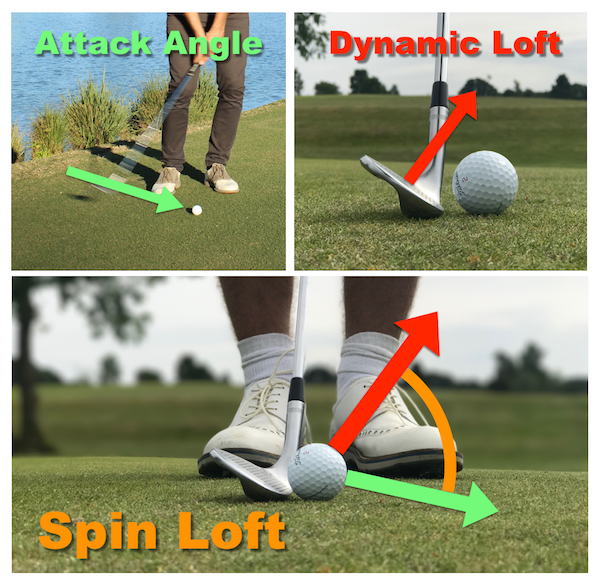
Image Source: www.worldofshortgame.com
Fathoming Why Golf Balls Spin
When you hit a golf ball, many things happen fast. The ball leaves the clubface spinning. There are different kinds of spin. Side spin makes the ball curve left or right. Topspin makes the ball dive down. Backspin makes the ball go up and helps it stop on the green. This article is all about backspin.
Backspin happens when the clubface hits the bottom part of the ball. Because the clubface is angled (it has loft), it slides under the ball slightly. The rough surface of the clubface and the ball rub against each other. This friction is like rubbing your hands together quickly. It makes the ball spin backwards, away from you, as it leaves the club.
The more friction there is and the more the clubface slides under the ball, the more backspin the ball gets. High backspin is good for certain shots, especially when you want the ball to land soft and stop fast on the green. This is known as stopping power golf shot.
Deciphering the Role of the Clubface
The clubface is very important for backspin. Two main things about the clubface matter:
Clubface Loft and Spin
Loft is the angle of the clubface. A wedge has a lot of loft, like 50 to 60 degrees or more. A driver has very little loft, maybe 9 to 12 degrees.
- More loft means the clubface points up more.
- When you hit the ball with a lot of loft, the ball goes up the face more.
- This creates more friction between the club and the ball.
- More friction means more backspin.
Think of sliding your hand under a ball on a table. If your hand is flat (like a driver), the ball just moves forward. If your hand is angled up (like a wedge), you can slide under the ball, and it will roll back over your hand as it moves away.
This is why wedges make the most backspin. They have the most loft. Irons have less loft than wedges but more than drivers. So, irons make some backspin, but less than wedges. Drivers make the least backspin.
Golf Club Groove Condition
Look closely at the face of your golf clubs, especially your wedges and irons. You will see lines or grooves cut into the face. These grooves are super important for making backspin.
- Grooves help move water, grass, or dirt away from the clubface at impact.
- This lets the clubface make clean contact with the ball.
- Clean contact means more friction between the clubface and the ball’s cover.
- More friction means more backspin.
If your grooves are filled with dirt, grass, or sand, the clubface cannot grip the ball well. It’s like trying to rub your hands together with mud on them. There is less friction. This will decrease golf ball spin rate.
- Keep your clubfaces clean!
- Use a brush and towel to clean the grooves after every shot, especially around the green.
- Over time, grooves wear out. Worn grooves create less spin. If your wedges are old and smooth in the middle, they might not make as much spin as they used to.
Keeping your golf club groove condition good is a simple way to help make more backspin.
Grasping the Player’s Part: Swing Mechanics
Your swing plays a huge role in how much backspin you create. It’s not just about the club. How you move the club and hit the ball is vital.
Angle of Attack Golf Swing
This is one of the most important parts of making backspin, especially with irons and wedges. The angle of attack is the path the clubhead takes just before it hits the ball.
- A descending angle of attack means the clubhead is moving down as it hits the ball. It hits the ball first, then takes a divot (a piece of turf) after hitting the ball.
- An ascending angle of attack means the clubhead is moving up as it hits the ball. This is common with drivers off a tee.
- A level angle of attack means the clubhead is moving straight across as it hits the ball.
To make good backspin, you need a descending angle of attack with irons and wedges.
- Hitting down on the ball forces the ball to compress against the clubface.
- As the club keeps moving down and through, the ball rolls up the slanted clubface.
- This action, combined with the club’s loft, creates the high friction needed for backspin.
If you try to “scoop” or “lift” the ball up (an ascending angle of attack), you hit the ball more on the way up. This reduces the friction and makes less backspin. You might even hit it thin (too high on the ball) or fat (hit the ground before the ball).
To get a descending angle of attack:
- Put the ball position slightly back in your stance (especially for short iron and wedge shots).
- Shift your weight slightly onto your front foot at the start of the downswing.
- Keep your hands slightly ahead of the clubhead at impact. This is called “leading with the hands”.
- Focus on hitting the ball first, then the turf.
This angle of attack golf swing is fundamental for getting the ball to spin back towards you.
Compressing Golf Ball Impact
This is related to hitting down on the ball and making solid contact. When you hit the ball squarely with a descending blow, you compressing golf ball impact.
- The ball is soft on the outside and gets squashed slightly against the hard clubface.
- This squashing effect, or compression, makes more of the ball’s surface touch the clubface for a moment.
- More surface contact means more opportunity for friction between the grooves and the ball.
- This increased friction boosts backspin.
Think of squeezing something soft against a rough surface. The more you squeeze, the more grip you get. A well-struck iron or wedge shot feels solid because you are compressing the ball effectively.
A thin shot (hitting the ball near the bottom) or a fat shot (hitting the ground before the ball) does not compress the ball properly. These shots will have much less spin. To improve compressing golf ball impact, practice hitting down and through the ball, focusing on making contact with the ball before the turf.
The Golf Backspin Technique in Action
Putting it all together, the full golf backspin technique involves several things working together:
- Setup: Ball position slightly back, weight slightly forward (for short shots).
- Downswing: Maintain lag (keep hands ahead of the clubhead), move weight to the front foot.
- Impact: Hit down on the ball with a descending angle of attack. Hands are ahead of the clubhead. Clubface is clean and square to the target. Compress the ball between the clubface and the ground (or just the clubface for a perfect lie).
- Follow-Through: Continue swinging down and through, taking a divot after the ball.
This technique ensures maximum friction and proper launch conditions for high backspin.
Grasping Specific Shots: Wedge Shots Backspin
Backspin is most noticeable and most useful on shorter shots into the green, especially with wedges. Wedge shots backspin helps you hit the ball close to the pin, even if you have to carry it over a bunker or hazard.
Imagine a green with the pin tucked right behind a sand trap. You need to hit the ball high enough to go over the trap, but make it stop fast when it lands. This is where backspin comes in.
With a sand wedge or lob wedge (clubs with high loft), you use the techniques described above:
- Set up with the ball slightly back, weight forward.
- Make a swing that hits down and through the ball.
- Focus on solid contact and compressing the ball.
- Let the club’s loft and the friction do the work.
When done right, the ball will fly high, land on the green, and check up or even spin back a few feet. This golf ball checking up action is the visual proof of good backspin. It means the ball has stopped quickly or reversed direction slightly after landing.
Different wedge shots require different amounts of spin and flight.
- Full Wedge: A full swing with a wedge usually creates a lot of spin. The ball goes high and stops fast.
- Pitch Shot: A shorter swing, maybe half or three-quarters. You can control the spin more. A solid pitch still gets good backspin.
- Chip Shot: A very short shot from just off the green. Chips usually have less backspin than pitches or full wedges because the swing is shorter and often uses less descending angle of attack or a less lofted club (like a pitching wedge or even an 8-iron) where you are trying to land it short and let it roll. But even chip shots benefit from clean grooves for consistent roll.
For high wedge shots backspin, the focus is always on solid contact, hitting down, and using a clean, lofted clubface.
Identifying the Right Equipment
While swing technique is key, your equipment also helps create spin.
High Spin Golf Balls
Not all golf balls are the same. They are made differently inside and outside. Some golf balls are designed to create more spin than others. These are often called tour balls or performance balls.
- Cover Material: High spin golf balls usually have a soft cover, often made of urethane. A softer cover grips the clubface better at impact. This creates more friction. More friction means more spin.
- Layers: These balls often have multiple layers inside. This complex design helps manage how the ball compresses and launches off the face.
Balls with a harder cover (like some ionomer covers) tend to spin less. These are often cheaper and more durable. They are good for beginners or golfers who want less side spin for straighter drives, but they won’t stop as fast on the green.
If you want maximum backspin on your approach shots, choose a high spin golf balls with a soft urethane cover. Be aware that these balls might spin more off the driver too, which could lead to bigger slices or hooks if you don’t hit it straight.
Clubface Material and Design
Beyond just the loft and grooves, the material and design of the clubface can affect spin.
- Material: Some clubface materials offer slightly more friction.
- Groove Design: Club makers spend a lot of time designing the shape, width, and depth of grooves to meet rules set by golf organizations and maximize spin. Newer wedges often have special milling between the grooves to add even more surface roughness for extra friction.
Older clubs or clubs with worn grooves will naturally produce less spin than new ones with fresh, sharp grooves.
Why is Backspin Important? The Benefits
Creating backspin is not just a fancy trick. It has real benefits for your golf game.
Stopping Power Golf Shot
This is the main reason golfers want backspin on approach shots. Backspin makes the ball go up into the air. As it flies, the backspin makes air move faster over the top of the ball and slower underneath it. This creates lift, like an airplane wing.
- The lift keeps the ball in the air longer, helping it fly higher.
- When the ball comes down, it lands steeply.
- The backspin acts like brakes. As the ball hits the green, the backward spin makes it stop quickly or even roll back.
This stopping power golf shot is critical for hitting shots that stay on the green, especially when the greens are firm or fast, or the pin is close to the edge. Without enough backspin, a ball landing on a firm green might bounce forward a long way or even roll off the back.
Golf Ball Checking Up
This is the term golfers use when a ball lands on the green and stops very quickly. Sometimes it stops right where it lands. Other times, it rolls back a little bit, like pulling on a string.
- Seeing the golf ball checking up is a sign you’ve hit a good shot with good backspin.
- It shows you have control over your ball’s landing.
- This helps you be more aggressive and aim closer to the pin.
Learning to make the ball golf ball checking up gives you more control around the green. It’s a key skill for scoring well.
Increase Golf Ball Spin Rate
When golfers talk about creating more backspin, they are talking about trying to increase golf ball spin rate. Spin rate is measured in revolutions per minute (RPM).
- A driver shot might have 2,000 to 3,000 RPM of backspin.
- A long iron might have 4,000 to 6,000 RPM.
- A short iron or wedge shot can have 8,000 to 12,000 RPM or even more, depending on the club, the ball, and the technique.
A higher spin rate on approach shots means the ball will fly higher and stop faster. Golfers work on their golf backspin technique to increase golf ball spin rate on demand. This gives them more control over their shots into the green.
How to Get More Backspin: Practice and Tips
Getting more backspin takes practice. Here are some tips and things to work on:
Practice Hitting Down on the Ball
This is the most important thing. Go to the driving range and focus on taking a divot after the ball.
- Put down a tee or a coin where you want the ball to be.
- Practice swinging as if the ball was there, trying to make the deepest point of your swing arc after the tee/coin.
- When hitting balls, check your divots. Are they starting after where the ball was? Or are you picking the ball clean or hitting behind it?
Use an iron or wedge for this practice. Start with short swings and build up. This helps improve your angle of attack golf swing.
Work on Solid Contact
Center contact is key for compressing golf ball impact.
- Practice hitting balls off a mat. Look at the mark the ball leaves on the mat or the clubface (if you use impact tape or spray). Is the mark in the center of the clubface?
- Hitting the ball thin (too low on the face) or fat (hitting ground first) kills spin.
- Focus on hitting the sweet spot.
Clean Your Grooves Often
This simple step can make a big difference.
- Carry a groove brush with you on the course.
- Clean your iron and wedge faces after every shot, especially from the fairway or rough.
- At home, use soap and water to clean your grooves properly. Make sure they are dry before storing your clubs.
- Check your wedge grooves for wear. If they look smooth in the hitting area, it might be time for new wedges. A well-maintained golf club groove condition is vital.
Use the Right Ball
If you are serious about maximizing spin, switch to high spin golf balls.
- Try a few different models with urethane covers. See which one performs best for you around the greens.
- Remember these balls might cost more and might not be as durable.
Manage Your Ball Position and Weight
For high spin shots with irons and wedges:
- Ball position: Slightly behind the center of your stance.
- Weight: Start with slightly more weight on your front foot and keep it there through impact. This helps promote the descending blow.
Control Your Swing Speed
While faster swing speed can mean more spin if you make solid contact, forcing it can lead to poor contact.
- Focus on control and making solid contact first.
- A smooth swing that hits down and compresses the ball will create more spin than a fast swing that hits it thin or fat.
Practice Different Lies
The lie of the ball affects spin greatly.
- From a perfect lie on the fairway, you can get maximum spin.
- From the rough, grass can get between the clubface and the ball. This greatly reduces friction and spin. This is why balls often “fly” or roll out more from the rough.
- From sand, similar to rough, sand reduces friction.
Understand that you won’t get as much spin from the rough as you will from a clean lie. Adjust your shot and expectations based on the lie.
Work on Your Release
How your wrists and hands work through impact affects the clubface angle and dynamic loft.
- For maximum spin, you want to maintain the angle set at address (hands ahead of the clubhead) through impact.
- Avoid flipping your wrists at the ball, which adds loft too early and reduces the descending angle of attack and compression.
Common Issues That Reduce Backspin
Several things can prevent you from getting good backspin:
- Hitting Fat: Striking the ground before the ball. This slows the club down and puts turf between the club and ball, killing spin.
- Hitting Thin: Striking the ball too high on the face, often caused by scooping or trying to lift the ball. This doesn’t allow for proper compression or friction.
- Poor Contact: Hitting off the toe or heel instead of the sweet spot. This reduces energy transfer and spin.
- Dirty Grooves: As discussed, dirt and grass reduce friction.
- Worn Clubs: Old wedges with smooth faces won’t spin as much.
- Hitting from the Rough or Sand: Grass and sand interfere with contact.
- Using a Low Spin Ball: Hard cover balls simply don’t generate as much friction.
- Ascending Angle of Attack: Trying to “help” the ball up instead of hitting down on it.
Fixing these issues by focusing on golf backspin technique, angle of attack golf swing, and compressing golf ball impact will help you increase golf ball spin rate.
Table: How Different Factors Affect Backspin
| Factor | How it Helps/Hurts Spin | Technique/Equipment Focus | Result on Green |
|---|---|---|---|
| Clubface Loft | More loft = More chance for friction as ball rolls up face | Use wedges and short irons. | Higher launch, more stop |
| Angle of Attack | Descending (down) = Ball compressed, forced up face | Hit ball first, then turf. Ball slightly back. Weight forward. | More spin, ball checks up |
| Contact Quality | Solid, center contact = Maximum compression and friction | Hit the sweet spot. Avoid fat/thin shots. | Higher spin rate |
| Club Groove Condition | Clean, sharp grooves = More friction | Clean clubs often. Replace worn wedges. | More spin, better control |
| Golf Ball Type | Soft cover (urethane) = More grip/friction | Use high spin golf balls. | Higher spin rate, stops faster |
| Lie of the Ball | Clean lie = Maximum friction; Rough/Sand = Less friction | Adjust expectations from rough/sand. Try to get a clean lie. | Less spin from bad lies |
| Swing Speed | More speed (with solid contact) = Can mean more spin | Focus on control and solid contact first. | Potential for more spin |
Grasping the Feeling of Backspin
Good backspin shots often feel different.
- They feel solid and crisp off the clubface.
- You feel like you hit the ball “pure.”
- The sound is clean, not a dull thud (fat) or a click (thin).
- You see the ball jump off the face and start climbing quickly.
- You might see the ball shape slightly as it flies, sometimes called “working” the ball.
This feeling comes from correctly executing the golf backspin technique, especially the compressing golf ball impact part.
Going Beyond the Basics
For advanced players, controlling spin isn’t just about maximizing it. It’s about controlling it.
- Spin Loft: This is the difference between the clubface loft at impact and the angle of attack. This is a key factor in how much spin is created and how high the ball launches. Hitting down increases spin loft for a given clubface angle.
- Dynamic Loft: This is the actual loft of the clubface at impact. Leaning the shaft forward (hands ahead) reduces dynamic loft slightly but increases spin loft when combined with a descending angle of attack. Flipping the wrists adds dynamic loft and reduces spin loft, killing spin.
Controlling the dynamic loft and angle of attack allows skilled players to vary the amount of spin and the trajectory of their shots. This is how they hit low, penetrating shots that still spin or high, soft-landing lobs.
But for most golfers wanting more backspin, focusing on the basics – descending angle of attack, solid contact, clean grooves, and a good ball – is the best path.
Frequently Asked Questions About Backspin
h4. Does hitting down on the ball hurt my club or the ground?
Hitting down on the ball (taking a divot after the ball) is how irons and wedges are designed to be hit. It does not hurt your club. It’s the proper way to strike the ball with these clubs. Hitting behind the ball (fat shot) can be jarring and harder on your club and body than taking a clean divot.
h4. Can I get backspin with any golf ball?
You will get some backspin with any ball when hitting a lofted club. However, high spin golf balls with soft urethane covers are designed to create significantly more backspin due to increased friction with the clubface.
h4. Does backspin help my drives go farther?
No. Backspin is generally not wanted on drives from the tee (unless you are hitting into a very strong wind). A driver needs a lower spin rate and a higher launch angle to maximize distance. Too much backspin on a drive makes the ball balloon up and fall short. However, hitting down on the ball with an iron or wedge is what creates backspin for stopping power.
h4. How do professionals make the ball spin back so much?
Pros combine excellent technique, including a steep angle of attack golf swing and perfect compressing golf ball impact, with clean, new wedges and high spin golf balls. They practice specific shots like wedge shots backspin constantly to master control.
h4. My ball rolls off the back of the green. Do I need more backspin?
Likely yes. Your ball is landing too hot or with too little spin to stop. Work on your golf backspin technique, ensure your clubs have clean, decent grooves, and consider using high spin golf balls. Also, check your angle of attack – are you hitting down enough?
h4. Do new grooves make a big difference?
Yes, absolutely. Golf club groove condition is very important. New, sharp grooves grab the ball better than worn-out ones, creating more friction and thus more spin. If your wedges are old, consider getting them re-grooved or buying new ones.
h4. Is it possible to get backspin with a driver?
Generally, no significant backspin that makes it stop quickly on the fairway. Drivers are designed to be hit with a low spin rate (relative to irons/wedges) and an ascending or level angle of attack for distance. Some players might generate low levels of backspin, but it won’t cause the ball to “check up” like an iron shot.
Mastering how to create backspin takes practice. It requires understanding the simple physics involved – mostly friction from hitting down with loft – and working on your swing technique and equipment. Focus on making solid contact, hitting down on the ball with irons and wedges, keeping your grooves clean, and using a ball that matches your needs. This will help you increase golf ball spin rate and gain that valuable stopping power golf shot that makes the golf ball checking up on the green. Good luck practicing!