
Exploring ‘How Big Is A Golf Course’ in Acres & Yards
So, how big is a golf course? A standard 18-hole golf course usually spans about 100 to 200 acres. This is a common size. The average golf course size often falls around 150 acres. This means a golf course can take up a lot of land. The exact golf course acreage changes based on many things. These include the course’s design and how hilly the land is. We will look closely at what makes up these 18-hole golf course dimensions. We will also explore the standard golf course length and the land required for a golf course. This will help us find the typical golf course area.
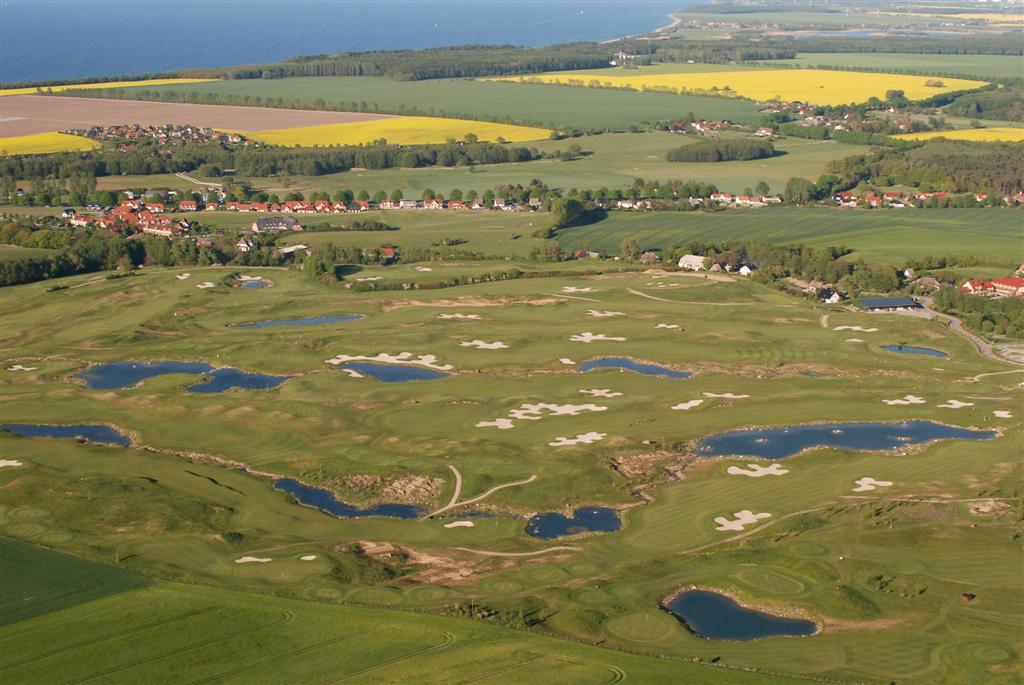
Image Source: upload.wikimedia.org
Deciphering Golf Course Dimensions
The size of a golf course is not set in stone. Many factors play a part. These can make a course small or very large. A golf course is more than just holes. It has many parts that need space. We will break down these parts. We will see why the size varies so much.
The Average Golf Course Size Revealed
An average golf course size for a full 18-hole course is around 150 acres. This is a good number to keep in mind. However, this number can change a lot. Some courses might be as small as 80 acres. Others can be over 200 acres. It depends on the type of course. It also depends on the layout. For example, a championship course will need more land. A smaller, executive course needs less.
Here is a general look at different golf course types:
| Course Type | Number of Holes | Typical Acreage Range | Notes |
|---|---|---|---|
| Executive Course | 9 or 18 | 50-100 acres | Shorter holes, less space needed |
| Regulation Course | 18 | 120-180 acres | Standard length, common public courses |
| Championship Course | 18 | 180-250+ acres | Longer, harder, needs more land for play |
The typical golf course area takes into account more than just the fairways. It also includes practice areas. There are clubhouses too. These all add to the total golf course acreage. A course designed for walking might use less land. A course with cart paths everywhere might use more. This is because paths often need more space for turns and buffers.
Diving Deeper: 18-Hole Golf Course Dimensions
When we talk about 18-hole golf course dimensions, we mean the total space. This space includes the playing area. It also has areas for other things. For example, there are areas for parking. There are also places for maintenance. The actual playing area is split into different parts for each hole.
Each hole has a tee box. This is where you start. Then comes the fairway. This is the main playing area. Around the fairway is the rough. This grass is longer. Then there are hazards. These can be sand traps or water. Finally, there is the green. This is where the hole is.
A par 72 course size is a common type. A ‘par 72’ course means a good player should finish in 72 strokes. This type of course usually has a mix of par-3, par-4, and par-5 holes.
Here is a breakdown of what takes up space on an 18-hole course:
- Playing Area: This is the biggest part. It includes:
- Tee Boxes: Small areas for starting each hole.
- Fairways: Wide, cut grass paths. They lead from the tee to the green.
- Greens: Very short, cut grass areas. This is where the hole is.
- Rough: Longer grass on the sides of the fairways.
- Bunkers/Sand Traps: Sand-filled pits. These add a challenge.
- Water Hazards: Ponds, lakes, or streams.
- Non-Playing Areas: These are also very important:
- Clubhouse: A building for golfers. It has shops, food, and restrooms.
- Parking Lots: Space for cars.
- Practice Areas: Driving ranges and putting greens. These help golfers warm up.
- Maintenance Facilities: Buildings for storing equipment. They also house tools to care for the course.
- Cart Paths: Paved paths for golf carts.
- Buffer Zones: Areas of trees or untouched land. They separate the course from homes or roads. They also protect nature.
The total land needed for a course goes beyond the fairways. It includes all these parts. That is why the overall golf course footprint is so large. A course designed for a quick round might be more compact. A championship course will spread out more. This makes it harder and longer.
Standard Golf Course Length: Miles, Yards, and Meters
The standard golf course length varies. It depends on the course’s par rating. A par 72 course is typical. It usually measures between 6,000 and 7,500 yards. This is from the longest tees.
Let’s put this into other units:
- Yards: Most golf courses measure length in yards.
- A short par 3 hole might be 100-200 yards.
- A par 4 hole usually spans 300-470 yards.
- A long par 5 hole can be 470-600+ yards.
- A full 18-hole course adds these up. This gives you the total length.
- Miles: If a course is 7,200 yards long, how many miles is that?
- There are 1,760 yards in one mile.
- So, 7,200 yards is about 4.09 miles.
- This shows golfers walk a long way if they play all 18 holes.
- Meters: Some parts of the world use meters.
- One yard is about 0.9144 meters.
- A 7,200-yard course is about 6,583 meters long.
Here is a simple table showing typical hole lengths:
| Par Rating | Hole Type | Typical Yardage Range |
|---|---|---|
| Par 3 | Short | 100 – 250 yards |
| Par 4 | Medium | 300 – 470 yards |
| Par 5 | Long | 470 – 600+ yards |
These lengths are for the main playing line. They do not include the turns, rough, or other features. The total area for a course is much wider than just its playing length. The land required for a golf course is vast. It needs space for many things.
Land Required for a Golf Course: More Than Just Holes
The question “how many acres is a golf course?” has a complex answer. It is not just about the playing areas. The land required for a golf course includes many other vital parts. These parts make the course work. They make it fun and safe for players.
Think about the total area needed. It includes:
- Clubhouse and Facilities: This is the main building. It holds the pro shop, locker rooms, and restaurants. It needs space for itself. It also needs sidewalks and landscaping around it.
- Parking Areas: Golfers drive to the course. They need a place to park their cars. These lots can take up several acres alone.
- Practice Facilities: Many courses have a driving range. Golfers hit balls there. There are also putting greens. These are special areas for putting practice. A chipping green might be there too. These areas need a lot of space. A driving range can be 20-40 acres on its own.
- Maintenance Buildings: This is where mowers, tractors, and tools are kept. These buildings also need space for staff and storage. They are usually tucked away.
- Access Roads and Cart Paths: Getting around the course needs roads. Golf carts use paved paths. These paths weave through the course. They add to the total land use.
- Environmental Buffers: Courses often have natural areas. These are like green belts. They protect wildlife. They also create a barrier from nearby homes or roads. They might include wetlands or forests. These zones can be a large part of the golf course land requirements. They are very important for nature.
- Open Space and Aesthetics: A golf course is also about beauty. It needs open areas. It has views of nature. This adds to the player’s experience. It also means less land is packed with holes.
So, when considering golf course land requirements, it’s not just about the lines of play. It’s about a full environment. This environment supports the game and its players. It also serves as a green space. This holistic view helps explain the large golf course acreage.
The Golf Course Footprint: What Shapes Its Size?
The golf course footprint is not just a measurement. It is the overall impact and layout on the land. Many things shape this footprint. They decide if a course is large or small. They also decide its shape.
Topography and Terrain
The natural shape of the land plays a big part.
- Flat Land: A flat piece of land might allow for a more spread-out course. It is easier to design here. It can also lead to a larger golf course acreage if designers want to.
- Hilly or Mountainous Land: Designing on hills needs more skill. Holes might follow the natural slopes. This can make the course more compact. It can also lead to unique challenges. Sometimes, hills make the land unusable for play. This means more total land is needed for the same number of holes.
- Natural Features: Lakes, rivers, wetlands, or large rock formations are natural features. These can be part of the design. They can also limit where holes can go. They might reduce the playable area. But they also add beauty and challenge. They contribute to the unique golf course footprint.
Design Philosophy
Every golf course has a design style. This impacts its size.
- Links Style: These courses often use natural coastal land. They have rolling terrain. They often have fewer trees. They can feel very open. This openness might mean a larger footprint.
- Parkland Style: These courses are often inland. They have many trees. The fairways are often well-defined by trees. This style might need less overall land. This is because trees define the edges of play.
- Desert Style: These courses are in dry areas. They often use less grass. They blend into the natural desert. They can have a very unique footprint. This is due to large open areas.
- Player Experience: Some designers want a walkable course. These might be more compact. Others want a course with long views. They might spread holes out more. This makes the golf course acreage larger.
Par Rating
The par rating of a course is a key factor. It directly affects the length of the holes.
- Higher Par Rating (e.g., Par 72): This means longer holes overall. It also means more par 5s. Longer holes need more land. This increases the 18-hole golf course dimensions.
- Lower Par Rating (e.g., Par 70): This means shorter holes overall. There might be more par 3s. This requires less land. It results in a smaller typical golf course area.
Course Amenities
What extras does the course offer? These take up space.
- Large Clubhouse: A big clubhouse needs more land.
- Extensive Practice Areas: A full driving range and multiple putting greens need a lot of space.
- Luxury Facilities: Spas, pools, or lodging might be part of some resorts. These add a lot to the golf course footprint.
Environmental Regulations
Rules to protect nature also affect course size.
- Wetlands: Building on wetlands is often not allowed. Courses must work around them. This can make a course less straight. It might need more land to go around these areas.
- Protected Habitats: Areas with rare plants or animals cannot be disturbed. The course design must avoid these places. This shapes the golf course land requirements.
- Buffer Zones: Some rules require buffer zones. These are areas of untouched land. They protect water bodies or neighboring properties. These zones add to the total golf course acreage.
Budget and Development Costs
The cost of land is a major factor.
- High Land Cost: In expensive areas, courses might be smaller. They try to fit into less land. This reduces the overall golf course acreage.
- Development Costs: Building a course is expensive. Designers balance the ideal layout with the money available. This affects the final golf course footprint.
All these elements work together. They shape the final size and layout of a golf course. They explain why two 18-hole courses can look so different. They can also have very different total acres.
Mini vs. Championship: A Size Spectrum
Golf courses come in many forms. Their size varies a lot based on their purpose. From small practice greens to huge championship courses, the golf course acreage changes.
- Miniature Golf (Putt-Putt): This is not true golf. It is for fun. These courses are very small. They take up a tiny fraction of an acre. You can find them indoors or outdoors. They do not fit the typical golf course area discussion. But they show the smallest end of golf fun.
- Executive Courses: These are shorter and faster to play. They often have more par 3 holes. They might have a few par 4s. They usually have no par 5s.
- Acreage: Typically 50 to 100 acres for 18 holes.
- Length: Often under 5,000 yards.
- Purpose: Good for beginners, seniors, or a quick round. They need less land.
- Regulation Courses: These are the most common type. They have a mix of par 3s, 4s, and 5s. They are designed for a standard game.
- Acreage: Generally 120 to 180 acres. This is the average golf course size.
- Length: From 6,000 to 7,000 yards.
- Purpose: The standard for most public and private clubs. They offer a full challenge.
- Championship Courses: These courses are long and tough. They are designed to test top players. They often host professional tournaments.
- Acreage: Can be 180 acres up to 250 acres or more. This makes them very large.
- Length: Often over 7,000 yards. Some are even over 7,500 yards.
- Purpose: To challenge skilled players. To host major events. They need big 18-hole golf course dimensions. This allows for long drives and wide landing areas.
Here is a summary of course types and their acreage:
| Course Type | Primary Characteristics | Typical Acreage for 18 holes |
|---|---|---|
| Executive Course | Shorter holes, more par 3s, faster play | 50 – 100 acres |
| Regulation Course | Balanced mix of pars, standard challenge | 120 – 180 acres |
| Championship Course | Long holes, challenging design, tournament ready | 180 – 250+ acres |
The land required for a golf course clearly depends on its goal. A course made for high-level play needs a much bigger golf course footprint. This is compared to a course made for quick, casual play.
The Evolution of Golf Course Sizes
Golf courses have changed over time. Their size has also changed. In the past, golf was played on links land. This was often public land by the sea. Courses were very natural. They did not need a lot of special shaping.
As golf grew, courses became more designed. Land became more valuable. But golf equipment also changed. Golf balls fly farther now. Clubs hit the ball further too. This means players can hit the ball much longer.
To keep the game challenging, courses had to get longer. This meant they needed more land. So, the standard golf course length has grown. A par 72 course size from 50 years ago might be shorter than one today. This is to test golfers with modern clubs.
Also, more facilities are expected now. Clubhouses are bigger. Practice areas are larger. More space is needed for parking. All these extras add to the total golf course acreage.
However, sometimes land is scarce. In crowded areas, new courses might be more compact. Designers find clever ways to fit 18 holes into less land. This might mean tighter fairways. Or it might mean holes are laid out in a different way.
So, the size of a golf course is a living thing. It changes with how golf is played. It also changes with what golfers expect. And it changes with how much land is available. The golf course land requirements are always being looked at. They adapt to new trends.
In sum, the typical golf course area has grown. But designers always try to balance size with playability. They also think about the surrounding environment.
A golf course is a big piece of land. It offers a unique outdoor space. It blends sport with nature. Its size is a key part of its character. It makes each course unique. It shows how much planning goes into each one. The golf course footprint is not just a number. It is a canvas for the game.
Frequently Asked Questions (FAQ)
Here are common questions about golf course sizes:
How many acres is a golf course?
A full 18-hole golf course usually measures between 100 and 200 acres. The average golf course size is about 150 acres. This number changes based on the course type. It also changes with its design.
What is the average size of an 18-hole golf course?
The average size for an 18-hole course is around 150 acres. This includes the playing area. It also includes the clubhouse, parking, and practice areas. These are all part of the total golf course acreage.
How long is a typical golf course in miles?
A typical 18-hole golf course, like a par 72 course size, is often between 6,000 and 7,500 yards. This translates to about 3.4 to 4.3 miles in length. This is for the playing line from tee to green.
Why do golf course sizes vary so much?
Golf course sizes vary a lot. Many things cause this. These include the land’s shape (flat or hilly). They also include the course design. For example, a championship course needs more land than an executive course. The standard golf course length also changes. The number of extra facilities, like large clubhouses or practice ranges, also adds to the golf course footprint. Environmental rules also play a role. They can force a design to use more or less land.
Do all 18-hole courses have the same acreage?
No, not at all. The 18-hole golf course dimensions can differ greatly. An executive 18-hole course might be 80 acres. A championship course might be over 200 acres. This is because of differences in hole length. It is also due to the amount of non-playing land. These are all part of the land required for a golf course.