
The Truth: Can You Play Golf With A Torn Rotator Cuff?
Yes, you can play golf with a torn rotator cuff, but it really depends on how bad the tear is, how much pain you feel, and how it affects your golf swing. For some, a small tear might only mean slight discomfort and minor changes to their game. For others, a bigger tear could cause severe pain and stop them from playing altogether until they get proper treatment. It often means you need to change how you play, get help from doctors or physical therapists, or even consider surgery.
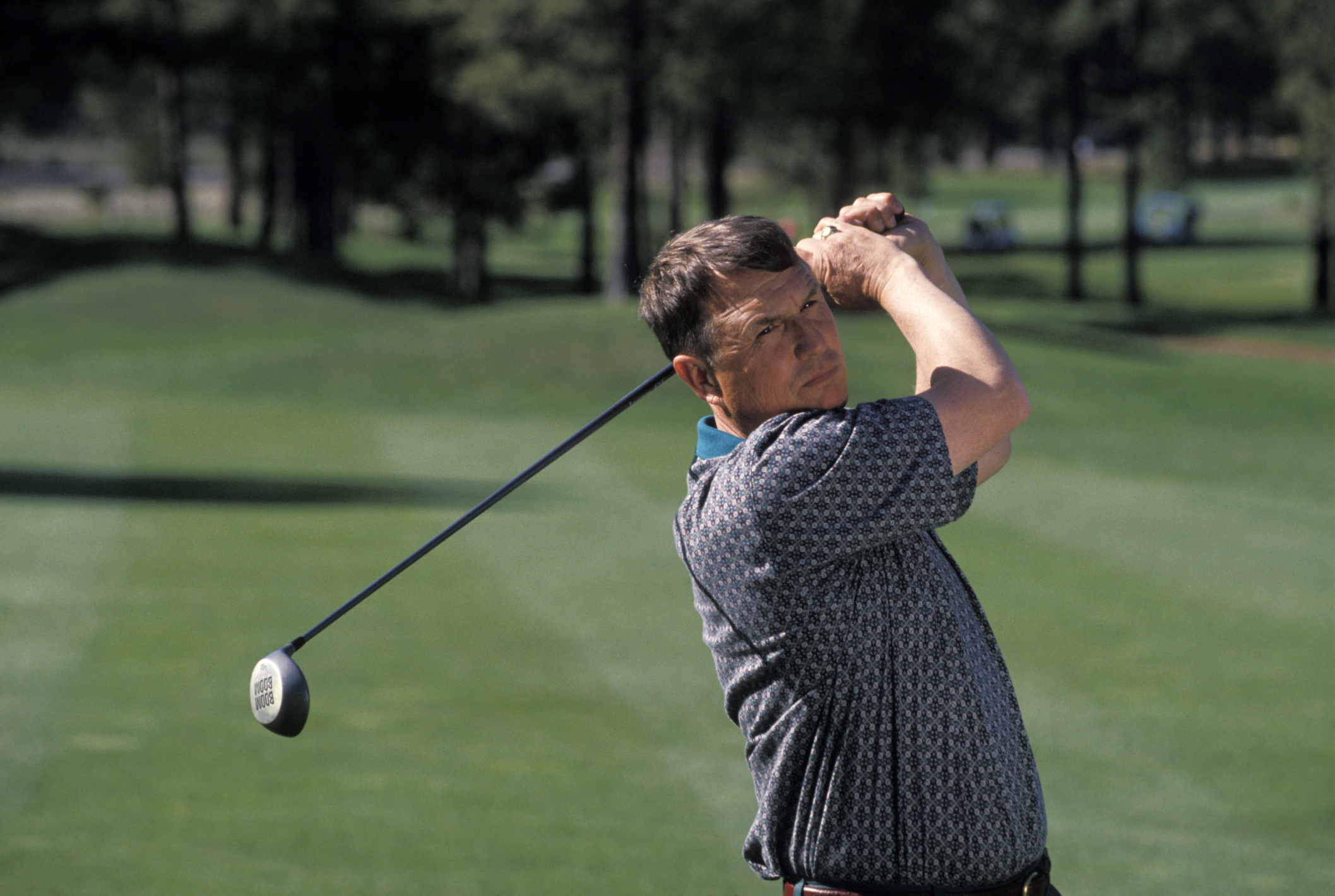
Image Source: img.livestrong.com
What is a Rotator Cuff Tear?
Your shoulder is a ball-and-socket joint. It lets your arm move in many ways. The rotator cuff is a group of four muscles and their tendons. These tendons wrap around the top of your upper arm bone, near your shoulder joint. They help you lift and rotate your arm. They also keep the ball of your arm bone tightly in its socket.
A rotator cuff tear happens when one or more of these tendons pulls away from the bone. This can be like a small fraying or a complete rip.
Types of Rotator Cuff Tears
Tears come in different types:
- Partial Tear: This means the tendon is damaged or frayed, but it’s not completely cut in half. Think of a rope where some strands are broken, but the rope is still together.
- Full-Thickness Tear: This is when the tendon rips all the way through the bone. It creates a hole in the tendon. The tendon is no longer attached to the bone.
Can a partial rotator cuff tear affect golf? Yes, even a partial tear can affect your golf game. It might cause pain when you swing. It can also make your shoulder feel weak or unstable. This can limit how far you can swing your club or how much power you can put into your shots. A partial tear can still cause problems like discomfort, less power, and poor control. These issues make playing golf hard.
How Rotator Cuff Tears Happen in Golf
Golf is a sport that uses your shoulders a lot. The golf swing is a fast, powerful motion. It puts a lot of stress on your shoulder joint. Here’s how tears can happen:
- Repetitive Motion: Swinging the club over and over can cause wear and tear on the tendons. This is like constantly rubbing a rope until it frays.
- Sudden Force: A very hard swing, hitting a root or a rock, or a slip during your swing can put too much stress on the shoulder. This can cause a sudden tear.
- Poor Technique: An incorrect swing can place extra strain on the shoulder. This makes it more likely to get hurt.
- Aging: As we get older, our tendons can become weaker. They are more likely to tear.
How a Torn Rotator Cuff Impacts Your Golf Game
A torn rotator cuff can change your golf game in many ways. It might make golf less fun or even impossible.
Rotator Cuff Pain Golf Swing
The most common sign is pain. You might feel pain during different parts of your swing.
- Backswing: As you lift the club, you might feel a sharp pain. This is especially true when your arm goes behind your body.
- Top of the Backswing: The stretch at the top can worsen the pain.
- Downswing: As you bring the club down quickly, the sudden movement can cause a jolt of pain.
- Impact: Hitting the ball can send pain through your shoulder.
- Follow-Through: Extending your arm after hitting the ball can also be painful.
This pain can make you change your swing without even trying. You might shorten your swing or lose power.
Loss of Power and Range of Motion
A torn rotator cuff often leads to weakness. You might not be able to swing with the same power. This means your shots go shorter. You might also find it hard to lift your arm fully. This limits how far back you can take the club in your backswing. This loss of range of motion affects your control and consistency.
Impact on Specific Swing Phases
Every part of your golf swing needs good shoulder movement.
- Backswing: You need good shoulder rotation and lift. A tear can make this hard and painful.
- Downswing: This phase needs fast, strong shoulder muscles. Weakness here means less clubhead speed.
- Follow-Through: You need to extend your arm fully. A tear can stop this, leading to a cramped finish.
Mental Impact
Beyond the physical pain, a torn rotator cuff can affect your mind. Fear of pain might make you swing slower. It can make you tense. This can lead to worse shots. It can take away the joy of the game.
Initial Steps After a Suspected Injury
If you think you have torn your rotator cuff, take these steps right away:
- Stop Playing: Do not try to play through the pain. This can make the tear worse.
- R.I.C.E. Method:
- Rest: Do not use your injured arm.
- Ice: Put an ice pack on your shoulder for 15-20 minutes. Do this several times a day. It helps reduce swelling and pain.
- Compression: Wrap the shoulder gently with a bandage. This can help with swelling.
- Elevation: Keep your arm higher than your heart if possible. This also helps with swelling.
- See a Doctor: Make an appointment with a doctor. A sports doctor or an orthopedic surgeon is best. They can properly check your shoulder.
Diagnosis
Your doctor will ask about your symptoms and how the injury happened. They will also do a physical exam. This involves moving your arm in different ways to check for pain, weakness, and range of motion.
Often, an MRI (Magnetic Resonance Imaging) scan is needed. An MRI can show soft tissues like tendons. It can clearly show if you have a tear. It also shows how big the tear is.
Treatment Paths for a Torn Rotator Cuff
Treatment depends on many things. These include the size of the tear, your age, your activity level, and how long you’ve had pain. Both non-surgical and surgical options are common.
Non-Surgical Options
Most rotator cuff tears are first treated without surgery. This works well for many people, especially those with partial tears.
- Rest: Limiting how you use your arm is key. This gives the tendon time to heal.
- Medication: Over-the-counter pain relievers, like ibuprofen (NSAIDs), can help with pain and swelling. Your doctor might prescribe stronger pain medicine if needed.
- Injections:
- Cortisone Shots: These reduce swelling and pain. They can give short-term relief. This allows you to do physical therapy with less pain.
- PRP (Platelet-Rich Plasma) Injections: This involves taking your own blood, spinning it to get plasma rich in growth factors, and injecting it into the injured area. Some believe it can help the body heal.
- Physical Therapy for Golf Shoulder: This is a vital part of non-surgical treatment. A physical therapist will work with you to:
- Reduce Pain: Using ice, heat, or other methods.
- Improve Range of Motion: Gentle stretches help you get your arm moving again.
- Strengthen Muscles: Exercises will build strength in your rotator cuff and other shoulder muscles. This helps support the joint. It also prevents future injuries.
- Improve Posture: Good posture can take stress off your shoulder.
Exercises for Golfers With Shoulder Pain
Your physical therapist will design a program just for you. Here are some general types of exercises often used:
- Pendulum Swings: Lean forward, let your arm hang down. Gently swing your arm in small circles. This helps with motion without putting stress on the shoulder.
- External Rotations (with resistance band or light weight): Keep your elbow bent at 90 degrees. Hold a resistance band or light weight. Rotate your forearm away from your body. This strengthens key rotator cuff muscles.
- Internal Rotations (with resistance band or light weight): Similar to external rotations, but rotate your forearm towards your body.
- Scapular Squeezes: Squeeze your shoulder blades together. Hold for a few seconds. This strengthens muscles that support your shoulder blade.
- Light Rowing: Use a resistance band or machine to pull your arms back, squeezing your shoulder blades.
Always do these exercises slowly and with good form. Stop if you feel sharp pain.
Surgical Options
Surgery is usually considered when:
- Non-surgical treatments have not worked after 6-12 months.
- You have a large tear (more than 3 cm).
- Your tear causes major weakness.
- Your tear was caused by a sudden injury.
-
You need full shoulder strength for your job or sport.
-
Types of Surgery:
- Arthroscopic Repair: This is the most common. A surgeon makes small cuts. They use a tiny camera and tools to reattach the torn tendon to the bone. This is less invasive than open surgery.
- Open Repair: This involves a larger cut. It might be used for very large or complex tears.
After surgery, you will need time in a sling. Then, you will start a long period of physical therapy.
Returning to the Green: Playing Golf With a Torn Rotator Cuff (Without Surgery)
If you have a tear but don’t need surgery, you can often return to golf. It needs patience and smart choices.
Assessing Readiness
Before you pick up a club, make sure:
- Your pain is under control.
- You have full or near-full range of motion.
- Your shoulder muscles are strong enough.
- Your doctor or physical therapist has cleared you to start.
Start with light practice. Do not try to hit full shots right away.
Golf Swing Modifications Torn Rotator Cuff
Changing your swing is often key to playing golf with a torn rotator cuff. The goal is to lessen stress on your shoulder.
- Shorter Backswing: Do not take the club back as far. This keeps your shoulder from rotating too much. It also lowers the strain.
- Less Aggressive Downswing: Do not try to hit the ball as hard. Focus on smooth motion.
- Use More Body Rotation: Let your body, not just your arms and shoulders, power the swing. This takes stress off your shoulders. Think of rotating your hips and core more.
- Focus on Rhythm, Not Power: Swing smoothly. Do not try to crush the ball. A slower, controlled swing is better for your shoulder.
- Keep Your Lead Arm Flexed: For right-handed golfers, this means slightly bending your left arm. For left-handed golfers, it’s your right arm. This avoids hyperextension.
- Use Your Lower Body More: Drive power from your legs and hips. This reduces the need for extreme shoulder power.
Adaptive Golf Equipment Shoulder Injury
The right equipment can also help your shoulder.
- Lighter Clubs: Clubs with less weight can reduce the strain on your shoulder during the swing.
- Softer Shafts: A more flexible shaft (like a senior flex or ladies flex, even if you don’t fit that profile normally) can absorb more shock. This means less impact goes to your shoulder.
- Larger Grips: Thicker grips can make you grip the club less tightly. This can relax your forearms and shoulders.
- Golf Carts: Walking and carrying a bag can put extra stress on your shoulder. Use a cart or pushcart.
- Adjustable Tees: Use higher tees for drives. This might let you set up with less shoulder strain.
- Short-Game Focus: Spend more time on chipping and putting. These shots put less stress on your shoulder.
- Consider Hybrids or Woods: These clubs often require less power to get good distance than long irons.
Pain Management on the Course
If you feel pain during your round:
- Stop: If pain gets sharp, stop.
- Warm-up: Always do a proper warm-up before you play.
- Ice After Round: Put ice on your shoulder after playing.
- Listen to Your Body: Do not push through pain.
The Road Back: Playing Golf After Rotator Cuff Surgery
Playing golf after rotator cuff surgery is a long process. It needs a lot of dedication to physical therapy.
Return to Golf After Shoulder Surgery Timeframe
Playing golf after rotator cuff surgery takes time. You cannot rush it. The return to golf after shoulder surgery timeframe varies for everyone. It depends on the surgery type, tear size, and how well you heal.
Generally, you can expect:
- Weeks 1-6: Arm in a sling. No lifting. Gentle range of motion exercises.
- Months 2-3: Start light strengthening exercises. No lifting heavy things. No golf swings.
- Months 4-6: More intense strengthening. You might start chipping and putting with very light clubs.
- Months 6-9: May begin full swings with short irons. Progress slowly to longer clubs.
- Months 9-12+: Return to competitive play, if ready.
Most surgeons recommend waiting at least 6-9 months before hitting full shots. Some might say 12 months or more. Your physical therapist and surgeon will tell you when it’s safe to start.
Gradual Return
You cannot just go back to playing 18 holes right away. Follow a step-by-step plan.
- Phase 1: Putting and Chipping: Start with very light putting and chipping. Focus on gentle movements. Do not use your shoulder much.
- Phase 2: Pitching and Short Irons: Move to pitching and short irons. Use a half swing. Do not try to hit hard.
- Phase 3: Mid and Long Irons: Gradually add mid and long irons. Increase your swing length slowly.
- Phase 4: Woods and Driver: This is the last step. Only use woods and drivers when your shoulder feels strong and pain-free.
Listen to your body at every step. Do not push through pain.
Here’s a table to help visualize the typical return-to-golf phases after surgery:
| Phase | Typical Timeframe (Post-Surgery) | Activities | Key Focus |
|---|---|---|---|
| Recovery | 0-6 Weeks | Sling use, passive range of motion exercises. | Pain control, protecting repair, gentle movement. |
| Early Rehab | 6-12 Weeks | Active range of motion, light strengthening (isometric). | Restore movement, basic muscle activation. |
| Strength Build | 3-6 Months | Progressive strengthening, light functional movements. | Build endurance and power, prepare for activity. |
| Golf Prep | 6-9 Months | Chipping, putting, short iron half swings. | Re-learn swing mechanics, shoulder stability. |
| Full Return | 9-12+ Months | Progressive full swings, longer clubs, full rounds. | Regain power, consistency, return to regular play. |
Note: These are general timelines. Your actual recovery time may be shorter or longer based on your progress and doctor’s advice.
Shoulder Injury Golf Recovery Tips
No matter if you had surgery or not, these tips help your shoulder heal and get back to golf.
- Listen to Your Body: This is the most important tip. Pain is a signal. If it hurts, stop. Do not try to “play through” discomfort.
- Patience is Vital: Healing takes time. Do not rush the process. Pushing too hard too soon can cause more harm.
- Consistency in Rehab: Do your physical therapy exercises every day. Missing days can slow your recovery.
- Proper Warm-up and Cool-down: Always warm up before playing or practicing. Use gentle stretches and movements. After your round, cool down with light stretches.
- Focus on Proper Technique: Bad golf swing mechanics can stress your shoulder. Consider lessons from a golf pro. They can help you develop a swing that is easier on your body.
- Build Strength and Flexibility: Work on all your golf muscles. This includes your core, legs, and back, not just your shoulder. Good flexibility helps your swing be smooth.
- Stay Hydrated and Eat Well: A healthy body heals better. Drink plenty of water. Eat healthy foods.
Preventing Rotator Cuff Injury in Golf
Prevention is always better than treatment. Here’s how to keep your shoulders safe on the golf course:
- Proper Warm-up Before Every Round: Do dynamic stretches before you play. This means moving your body.
- Arm circles (small to large).
- Shoulder shrugs.
- Torso twists.
- Practice swings with a light club or alignment stick.
- Strength Training: Make your rotator cuff muscles strong. Also, strengthen your core, back, and legs. A strong core supports your entire swing.
- Exercises: Rows, push-ups, planks, external/internal rotations (with light weights or bands).
- Flexibility and Mobility Work: Keep your shoulders and upper back flexible. This helps you achieve a full, free swing without strain.
- Stretches: Cross-body arm stretch, overhead triceps stretch, doorway pec stretch.
- Foam rolling for the upper back.
- Good Swing Mechanics: Get lessons from a certified golf instructor. They can help you create an efficient swing. A good swing uses your whole body. This takes stress off your shoulders.
- Avoid Over-Practice: Too much practice, especially hitting many balls on the range, can lead to overuse injuries. Take breaks.
- Listen to Pain Signals: If your shoulder hurts, stop. Rest. If pain continues, see a doctor. Do not ignore minor aches. They can become bigger problems.
- Use Proper Equipment: Make sure your clubs are right for you. Clubs that are too heavy or stiff can add strain.
Final Thoughts
Playing golf with a torn rotator cuff is possible. It takes careful steps. You need to know your tear. You need to follow treatment advice. You might need to change your golf swing. And you must be patient. Whether you choose non-surgical care or have surgery, a smart return plan is key. Listen to your body. Work with your doctors and physical therapists. You can keep enjoying golf for years to come.
Frequently Asked Questions (FAQ)
Q1: How long does it take for a rotator cuff tear to heal without surgery?
A1: Healing time varies. With rest and physical therapy, pain often improves in 2-4 weeks. Full healing and strength building can take 3-6 months or longer. It depends on the tear’s size and how well you do your rehab.
Q2: Can I get cortisone shots and keep playing golf?
A2: Cortisone shots can reduce pain. This may let you play for a short time. But they do not heal the tear. Playing golf after a shot can worsen the tear if you push too hard. It’s best to use the pain relief to do physical therapy. This can strengthen the shoulder. Talk to your doctor about this.
Q3: What are the warning signs that my shoulder injury is getting worse from golf?
A3: Signs your shoulder is getting worse include: more pain during or after a round, new or louder clicking/popping sounds, a sudden drop in swing speed or power, or feeling like your shoulder is “giving out.” If you notice these, stop playing and see your doctor.
Q4: Is it better to just stop playing golf if I have a rotator cuff tear?
A4: It depends on the tear and your pain. For some, stopping completely is the best choice to let it heal. For others, light play with swing changes and physical therapy can be fine. A doctor or physical therapist can help you decide what is best for you.
Q5: How can a golf pro help with a shoulder injury?
A5: A golf pro can help by checking your swing. They can find parts of your swing that put too much stress on your shoulder. They can teach you golf swing modifications torn rotator cuff friendly techniques. This helps you play with less pain and lowers the risk of hurting yourself again. They work well with your physical therapist.