
Yes, you can often play golf with a herniated disc, but it needs care. A herniated disc means a soft cushion between your spine bones is pushed out. This can cause pain. Golf swings twist your back and put stress on it. So, playing golf with a herniated disc needs a careful plan. You must talk to your doctor first. Follow their advice. Learn how to change your golf swing. Do exercises to make your back stronger. This will help you play safely and with less pain.
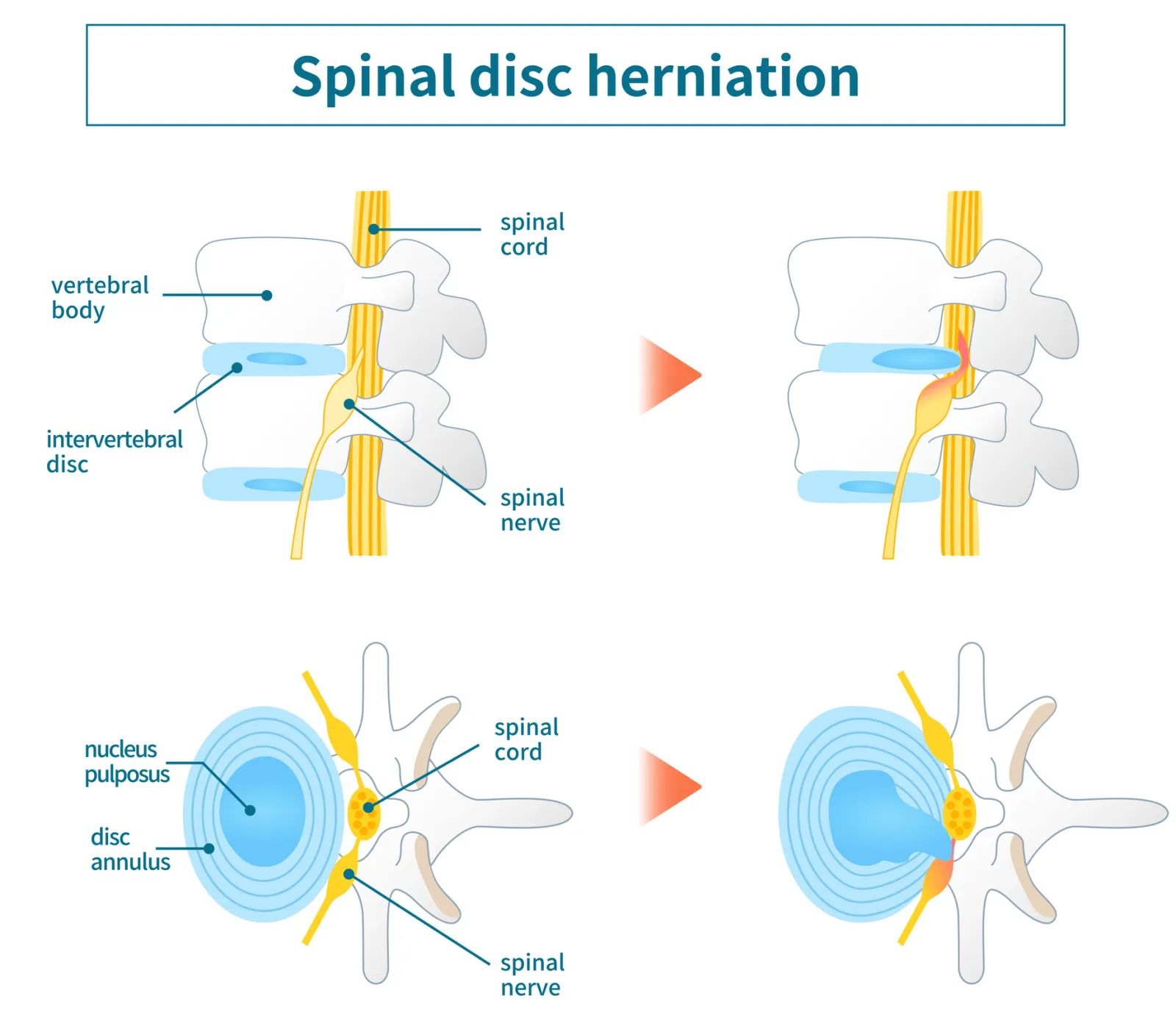
Image Source: transform.octanecdn.com
Grasping Your Back: What a Herniated Disc Means for Golfers
Your spine is made of many bones called vertebrae. Between these bones are soft discs. They act like shock absorbers. They let your spine bend and twist. A herniated disc happens when the soft inside of a disc pushes out. This can press on nerves nearby. This pressure can cause pain, numbness, or weakness. This pain often goes down your leg. This is what we call playing golf with sciatica. Sciatica is pain from the sciatic nerve. A herniated disc often causes it.
The golf swing is a complex move. It puts a lot of stress on your lower back. The swing has quick twists, bends, and pushes. These actions can make disc problems worse. If you have a herniated disc, these moves can cause more pain. They can even slow down your healing. That is why it is so important to play smart. You need to protect your spine.
Why the Golf Swing Hurts Your Back
The golf swing is a powerful move. It uses many parts of your body. Your lower back takes a lot of force.
Think about these parts of the swing:
- Backswing: You twist your upper body. Your hips turn too. This puts twist on your discs.
- Downswing: You untwist fast. You also bend and push. This is a lot of force on your spine.
- Impact: The moment the club hits the ball. Your spine feels a sudden jolt.
- Follow-through: You finish your turn. Your back bends and twists again.
All these parts can stress a herniated disc. They can make it bulge more. They can push on nerves. This is why safe golf techniques disc issues are so vital. You need to change how you swing. This helps protect your back.
The Problem of Sciatica for Golfers
Sciatica is nerve pain. It runs from your lower back, down your leg. A herniated disc is a common cause. When you play golf with sciatica, the pain can be sharp. It can feel like pins and needles. It can make your leg feel weak.
The golf swing makes sciatica worse. The twisting and bending squeeze the nerve. This increases the pain. Golfers with sciatica need to be extra careful. They must focus on gentle moves. They need to strengthen their core. They need to stretch well. This can help ease the nerve pressure. It can also help managing back pain while golfing.
Your Path to Playing Again: Healing and Rehabilitation
Healing from a herniated disc takes time. You cannot rush it. Your first step is to see a doctor. They will tell you what is best. They will tell you when you can start to move more. They will guide your return to golf after disc injury.
Initial Steps After Injury
Right after a disc injury, your back needs rest.
* Rest: Do not do anything that hurts. Give your back time to calm down.
* Ice: Put ice on the painful area. This can help with swelling and pain. Do this for 15-20 minutes. Do it a few times a day.
* Pain Relief: Your doctor might suggest pain medicine. Follow their advice for this.
Do not try to play golf if you are still in sharp pain. This can make the injury worse. Healing is the most important thing.
The Role of Physical Therapy
Physical therapy for golfer’s back is key to healing. A physical therapist (PT) is a expert. They will create a special plan for you. This plan helps your back get strong. It helps you move better.
Your PT will help you with many things:
* Pain Control: They use methods to lower your pain.
* Gentle Movement: They teach you safe ways to move.
* Core Strength: They help you build strong core muscles. These muscles support your spine.
* Flexibility: They show you stretches. These stretches help your back move freely.
* Posture: They teach you how to stand and sit well. This helps your spine.
Follow your PT’s plan closely. Do your exercises at home. This will make your recovery faster. It will help you get back to golf safely.
Herniated Disc Golf Rehabilitation: A Step-by-Step Plan
Herniated disc golf rehabilitation is a slow process. It has different stages.
1. Stage 1: Pain Control and Basic Movement.
* Focus on easing pain.
* Start with very gentle movements.
* Learn proper body mechanics.
* Examples: Gentle walking, pelvic tilts, deep breathing.
2. Stage 2: Building Core Strength and Stability.
* Once pain is down, add core exercises.
* These exercises make the muscles around your spine stronger.
* Examples: Bird-dog, cat-cow, planks (modified).
3. Stage 3: Restoring Flexibility and Mobility.
* Work on gentle stretches.
* Improve hip and spine movement. This is vital for a golf swing.
* Examples: Hamstring stretch, hip flexor stretch, gentle spinal twists.
4. Stage 4: Golf-Specific Training.
* Start doing moves like a golf swing. But do them slowly and without a club.
* Focus on good form.
* Practice rotation without pain.
* This is where golf swing herniated disc modification starts.
5. Stage 5: Gradual Return to Golf.
* Start with putting, then chipping.
* Move to short, easy swings.
* Only use a full swing when you feel no pain.
Each stage builds on the last one. Do not move to the next stage too soon. Your body needs to be ready.
Getting Back on the Course: Smart Strategies
When your doctor says it’s okay, you can think about playing golf again. But do not jump straight into a full round. A smart return to golf after disc injury means taking it slow.
When Is It Safe to Play Again?
The best answer comes from your doctor or physical therapist. They will check your progress. They will make sure your back is strong enough. Do not go back too soon. You risk hurting yourself again. This could set your recovery back.
Signs you might be ready:
* You have no pain during daily tasks.
* You can do your rehab exercises without pain.
* Your back feels strong and stable.
* You have full movement in your back and hips.
Even when you get the go-ahead, start very slowly.
Preparing Your Body: Warm-Up and Cool-Down
Always warm up before golf. This is crucial for back health. It gets your muscles ready. It makes them more flexible.
* Light Cardio: Walk for 5-10 minutes.
* Dynamic Stretches: Do arm circles, leg swings, gentle torso twists.
* Golf-Specific Stretches: Practice a slow, easy swing motion. Do not use a club yet.
After your game, cool down. This helps your muscles recover.
* Gentle Stretches: Hold stretches for 20-30 seconds. Focus on your back, hips, and hamstrings.
* Walk: A slow walk helps your body calm down.
This routine is a top spinal health golf tip.
Changing Your Game: Golf Swing Modifications
This is where you make golf safe for your back. You need to change your swing. This is called golf swing herniated disc modification. The goal is to lower stress on your spine.
Adjusting Your Golf Swing
- Shorter Backswing: Do not twist your back as much. A shorter, more controlled backswing puts less strain on your discs.
- Wider Stance: Stand with your feet a bit wider apart. This gives you a more stable base. It can reduce twisting in your lower back.
- Less Hip Turn: Focus on turning your shoulders more than your hips. Let your hips turn naturally, but do not force them.
- Focus on Core and Glutes: Use your core muscles and glutes more. They should lead your swing, not your back.
- Two-Plane Swing (Maybe): Some pros teach a flatter swing plane. This can reduce spinal rotation. Talk to a golf pro who knows about back issues.
- Finish Softer: Do not force your follow-through. Let it be natural and gentle.
- Tempo: Swing slower. A smooth, rhythmic swing is better than a fast, jerky one.
Here is a simple table to show common golf swing changes:
| Swing Element | Traditional Goal | Herniated Disc Modification Goal | Benefit for Back |
|---|---|---|---|
| Backswing | Full shoulder turn, max power | Shorter, controlled turn | Less spinal twist and compression |
| Stance | Standard width | Slightly wider | More stable base, less lower back sway |
| Hip Rotation | Full hip turn, power generation | Reduced, natural hip turn | Less rotational stress on discs |
| Power Source | Aggressive full body rotation | More arm/shoulder/glute focus | Shifts stress away from lower back |
| Follow-Through | Full, aggressive finish | Softer, more controlled finish | Prevents hyperextension/over-rotation |
| Swing Tempo | Fast, powerful | Smooth, rhythmic, controlled | Reduces sudden jolts and strain |
These are key safe golf techniques disc issues can benefit from.
Equipment Adjustments
Your golf clubs can also help your back.
* Lighter Clubs: Lighter clubs are easier to swing. They put less stress on your back.
* Softer Shafts: A more flexible shaft (like a regular or senior flex) can help. It needs less force from you to load the club.
* Grips: Thicker grips can make you grip the club less tightly. This can help relax your arms and shoulders. This can lead to less tension in your back.
* Spiked Shoes: Good golf shoes give you good grip. This helps you stay stable. It means less slipping and less sudden twists.
Using a Cart vs. Walking
Walking a golf course is good exercise. But for a herniated disc, a cart might be better.
* Cart: Reduces the physical load. No carrying a bag. Less walking stress. This helps managing back pain while golfing.
* Walking: If you do walk, use a push cart. Do not carry your bag. Go slowly. Stop if you feel pain.
Listen to your body. If walking causes pain, take a cart. Your back health is more important than walking.
Building a Strong Foundation: Exercises for Golfers
A strong body helps protect your back. Lower back exercises for golfers are vital. They help your core, hips, and glutes. These muscles support your spine. They help you swing safely.
Core Strength
Your core muscles are like a natural belt for your spine. When they are strong, they protect your back.
* Pelvic Tilts: Lie on your back. Bend your knees. Flatten your lower back into the floor. Tighten your stomach muscles. Hold for a few seconds. Relax.
* Cat-Cow: Get on your hands and knees. Arch your back like a cat. Then let your stomach drop, arching your lower back. Move slowly between the two.
* Bird-Dog: On hands and knees. Reach one arm forward. Stretch the opposite leg back. Keep your back flat. Do not let your hips rock.
* Planks (Modified): Start on your knees if a full plank is too much. Keep your body in a straight line. Tighten your core.
Flexibility and Mobility
Good movement helps your body swing without strain.
* Hamstring Stretch: Lie on your back. Lift one leg. Hold it behind the knee. Gently pull it towards you.
* Hip Flexor Stretch: Kneel on one knee. Step the other foot forward. Gently push your hips forward. You should feel a stretch in the front of your hip.
* Gentle Spinal Twists: Lie on your back. Knees bent, feet flat. Let your knees gently fall to one side. Keep your shoulders on the floor.
Glute and Hip Strength
Your glutes (butt muscles) and hips are powerful. They should help you in your golf swing. If they are weak, your back works too hard.
* Glute Bridges: Lie on your back. Knees bent, feet flat. Lift your hips off the floor. Squeeze your glutes.
* Clamshells: Lie on your side. Knees bent, stacked. Keep feet together. Lift your top knee open like a clamshell.
Do these exercises regularly. They are a big part of preventing golf back pain. They also help with spinal health golf tips.
Daily Habits for a Healthy Spine: Beyond the Course
Your back health is not just about golf. It is about how you live every day. Good daily habits can greatly help preventing golf back pain.
Proper Posture
- Sitting: Sit tall. Keep your feet flat on the floor. Your back should be supported. Do not slouch.
- Standing: Stand tall. Shoulders back. Keep your head level. Imagine a string pulling you up from your head.
- Lifting: Bend your knees, not your back. Lift with your legs. Keep the object close to your body.
Hydration and Nutrition
- Water: Discs need water. Drink enough water each day. This keeps your discs healthy.
- Healthy Food: Eat a balanced diet. Get enough vitamins and minerals. This helps your body heal and stay strong. Avoid foods that cause inflammation.
Rest and Recovery
- Sleep: Get enough sleep. Your body heals when you rest.
- Listen to Your Body: Do not push through pain. If something hurts, stop. Give your back a break.
These are all important spinal health golf tips. They help your back stay strong for golf and for life.
Managing Back Pain While Golfing: Staying on the Course
Even with careful steps, you might feel some pain. Managing back pain while golfing is about smart choices.
Listen to Your Body
This is the most important rule. If you feel pain, especially sharp pain, stop. Do not try to play through it. A little ache might be okay, but listen to what your body is telling you.
Pain Management Strategies
- Warm-Up Gels/Creams: Some golfers use topical creams before or during a round. They can help warm up muscles and ease minor aches.
- Over-the-Counter Pain Relief: If allowed by your doctor, simple pain relievers might help. Do not rely on them to hide pain. They are for mild discomfort only.
- Heat/Ice: After a round, you might use ice or heat on your back. See what feels best for you.
- Breaks: Take breaks during your round. Sit down. Stretch gently.
Know When to Stop
Sometimes, you just need to call it a day. If your back pain gets worse, or if you feel new pain, stop playing. Do not risk a serious setback. There will always be another day to play golf. Your health is more important.
Preventing Golf Back Pain: A Long-Term View
Prevention is better than cure. This is especially true for back pain and golf. Even if you have had a herniated disc, you can prevent future problems.
Consistent Fitness Routine
- Strength Training: Keep your core, glutes, and hips strong.
- Flexibility Work: Stretch regularly. Maintain good movement in your spine and hips.
- Cardio: Regular walks or other cardio help with overall health. It also helps manage weight. Less weight means less stress on your back.
Proper Swing Mechanics
- Golf Pro: Work with a golf instructor. Find one who knows about back issues. They can help you build a back-friendly swing. This is the core of safe golf techniques disc issues.
- Video Analysis: Record your swing. Watch it to see if you are putting stress on your back. Make changes as needed.
Pre-Round Preparation
- Warm-Up: Always do a full warm-up routine.
- Hydrate: Drink water before and during your round.
- Stretching at Home: Do some light stretches before you even leave for the course.
By making these things a regular part of your life, you can enjoy golf for many years. You can play even with a history of disc issues. It is about being smart, patient, and consistent.
Frequently Asked Questions (FAQ)
Q1: How long should I wait to play golf after a herniated disc?
A1: This depends on your injury. Your doctor or physical therapist will tell you when. It can be weeks to months. Do not rush it. Healing takes time.
Q2: Can a golf swing cause a herniated disc?
A2: Yes, it can. The twisting and bending in a golf swing can put high stress on your discs. Especially if you have poor form or weak core muscles.
Q3: What exercises should I avoid with a herniated disc?
A3: Avoid exercises that cause pain. Do not do sit-ups or crunches that involve bending your lower back. Avoid heavy lifting with a rounded back. Always get advice from a doctor or PT.
Q4: Should I use a back brace when golfing?
A4: A back brace can offer support. It can make you feel more stable. But it should not replace strong core muscles. Talk to your doctor or PT. They can tell you if a brace is right for you. Use it for a short time only.
Q5: What is the best way to carry my golf clubs?
A5: Do not carry your golf bag. Use a push cart or a golf cart. Carrying a heavy bag puts extra stress on your back.
Q6: Can changing my putting stroke help my back?
A6: Yes. A putting stroke that needs less bending at the waist can help. Try standing a bit taller. Use a longer putter (belly or broomstick style) if it feels better. This can reduce back strain.
Q7: Are there specific stretches for golfers with back pain?
A7: Yes. Focus on hip flexor stretches, hamstring stretches, and gentle spinal twists. Also, cat-cow and bird-dog stretches are great for gentle back movement. Always warm up first.
Q8: Should I stop playing golf if I have a herniated disc?
A8: Not necessarily. Many people play golf with a herniated disc. But you must be smart about it. Modify your swing. Strengthen your core. Listen to your body. Get medical advice. You can often still enjoy the game safely.
Conclusion
Playing golf with a herniated disc is often possible. It is not about quitting the game. It is about playing it smart. You need to put your spinal health first. Get proper medical advice. Follow a good rehabilitation plan. Learn how to change your golf swing. Build a strong and flexible body. By doing these things, you can return to the course. You can enjoy your game. You can do it safely. Remember, patience and proper care are your best allies for a lifetime of safe golf.