
Can you jump start a golf cart with a car? Yes, you can jump start a golf cart with a car, but you must do so with extreme care and only under specific conditions. It is easy to damage your golf cart’s sensitive electronic parts if you jump start it the wrong way. A dead golf cart battery can be revived, but you need to know the right steps. This guide will show you how to do it safely and what to watch out for. We will also look at better ways to get your golf cart moving again.
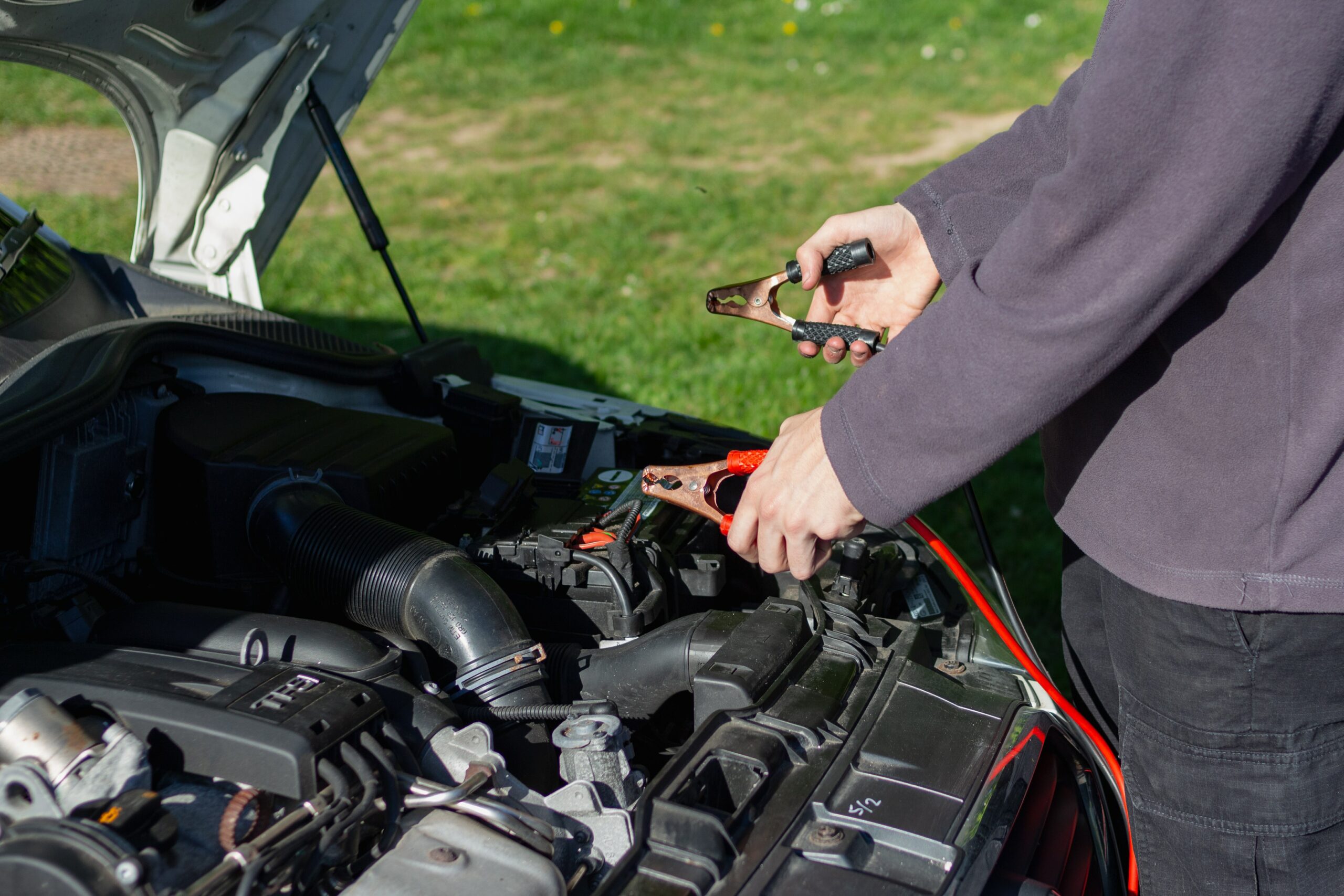
Image Source: jsgolfcarts.com
Reviving Your Golf Cart: What You Need to Know
Golf carts are fun to drive. But a dead golf cart battery can stop the fun fast. Many people wonder if they can use their car to give the golf cart a quick power boost. The answer is yes, but it is not as simple as jumping a dead car. You need to be very careful. Golf carts often use a different kind of power system than cars. This means special steps are needed. Doing it wrong can cause big damage. It is good to know if you can jump start your golf cart. But it is even better to know how to do it safely. This way, you protect your golf cart and yourself.
Grasping Golf Cart Battery Systems
Most golf carts use several small batteries. These batteries link together to make more power. Cars usually have one 12-volt battery. Golf carts might have 3, 4, 6, or even 8 batteries. These batteries are often 6-volt or 8-volt types. They connect in a line, or “series.” This makes the total voltage higher.
Let’s look at common golf cart battery setups:
- 12-volt (12V) Golf Carts: These carts use one 12-volt battery. They are rare but exist. These are the easiest to jump start with a car.
- 36-volt (36V) Golf Carts: These carts usually have six 6-volt batteries. They are all connected in a line.
- 48-volt (48V) Golf Carts: These carts often have six 8-volt batteries or four 12-volt batteries. They also link up in a line.
The total voltage matters a lot when you think about jumping your cart. A car’s battery is 12 volts. If your golf cart is 36 volts or 48 volts, you cannot just hook up the whole system to a 12-volt car battery. This is a common mistake. It can lead to serious damage.
The Dangers: Can Jump Starting Damage Golf Cart?
Yes, jump starting can cause damage if you do it wrong. This is very important to remember. Golf carts have parts that are sensitive to too much power. Their electronic speed controllers are a good example. These parts can burn out or break if they get too many volts or amps.
Here are ways jump starting can cause harm:
- Wrong Voltage: A car gives 12 volts. If your golf cart needs 36 volts, trying to jump start the whole cart with a 12-volt source is bad. It won’t work right. It might send the wrong signals to the cart’s brain (the controller).
- Reverse Polarity: Connecting the jumper cables backward is a major risk. This sends power the wrong way. It can instantly ruin the golf cart’s controller, motor, and other parts. Always check the golf cart battery terminal connections carefully. Positive to positive, negative to negative.
- Power Surges: When you connect a car battery, there can be a sudden rush of power. This surge can shock and damage delicate parts inside the golf cart. These parts are not made to handle such big, fast changes in power.
- Sulfation Issues: If a golf cart battery is very dead, it might have something called “sulfation.” This is a hard layer on the battery plates. A quick jump start might not fix this. It could even make the battery unsafe.
- Battery Overheating: Forcing power into a very dead battery can make it hot. This can lead to boiling acid or even a battery explosion. This is very dangerous.
Because of these risks, you must follow safety steps. Safety is key when dealing with golf cart batteries. Always think about “can jump starting damage golf cart?” before you act.
Preparing for a Safe Jump Start
Safety must come first. Before you even touch a jumper cable, you need to prepare. This means getting the right tools and knowing the steps. It also means checking your golf cart.
Here is what you need to do:
-
Gather Your Tools:
- Jumper Cables: Use good quality cables. Make sure they are thick enough for the job.
- Safety Glasses: Eye protection is a must. Battery acid can splash.
- Gloves: Protect your hands from acid or corrosion.
- Wire Brush/Terminal Cleaner: For cleaning battery posts.
- Baking Soda and Water: For cleaning up corrosion.
- Voltmeter/Multimeter: This tool checks voltage. It helps you see how much power your battery has. It also helps you check individual battery voltage in a pack.
-
Check the Car:
- Make sure the car that will give power is turned off.
- Make sure it is in park (P) or neutral (N) with the parking brake on.
- Its battery should be fully charged.
-
Inspect the Dead Golf Cart Battery:
- Look at the dead golf cart battery. Is it swollen? Is it leaking fluid? Are there cracks?
- If you see any of these, DO NOT JUMP START. A damaged battery is a fire or explosion risk. You need a new battery.
- Check for heavy corrosion on the golf cart battery terminal connections. Clean them if needed. Use a wire brush. Make sure they are shiny and clean. Corrosion can stop power from flowing.
-
Confirm Voltage:
- Use your voltmeter to check the total voltage of your golf cart’s battery pack.
- If it reads 12 volts or close to it, you might be able to jump start it from a car.
- If it reads 36 volts or 48 volts, you cannot jump start the whole pack from a 12-volt car. This is very important. We will cover how to handle these higher voltage carts later.
-
Read Your Golf Cart Manual:
- Always check your golf cart’s user manual. It may have special instructions. Some manufacturers advise against jump starting at all. Others might have very specific ways to do it. This step helps you safely jump start golf cart.
After these checks, if your golf cart is a 12-volt system and the battery looks good, you can move to the next steps.
How to Jump Start an Electric Golf Cart: 12V System
This section is for golf carts that use a single 12-volt battery. This is the simplest case. If your golf cart has more than one battery, skip to the “Jump Starting Higher Voltage Systems” section.
Follow these steps for a 12v golf cart jump start:
-
Park the Car Close:
- Bring the car with the good battery close to the golf cart.
- Make sure the car is off. The parking brake should be on.
- The two vehicles should not touch.
-
Find Battery Terminals:
- Locate the golf cart’s 12-volt battery.
- Find the positive (+) terminal (usually red, or marked with a plus sign).
- Find the negative (-) terminal (usually black, or marked with a minus sign).
- Do the same for the car’s battery.
-
Connect Jumper Cables – First Cable:
- Connect one red (+) clamp to the positive (+) terminal of the dead golf cart battery.
- Connect the other red (+) clamp to the positive (+) terminal of the car’s battery.
-
Connect Jumper Cables – Second Cable:
- Connect one black (-) clamp to the negative (-) terminal of the car’s battery.
- IMPORTANT: Connect the other black (-) clamp to a clean, unpainted metal part of the golf cart’s frame. This should be away from the battery. Do NOT connect it to the negative (-) terminal of the golf cart battery. This creates a ground point. It helps prevent sparks near the battery which can cause explosions.
-
Start the Car:
- Start the car’s engine. Let it run for 5-10 minutes. This charges the golf cart battery slowly. Do not rev the engine. Just let it idle.
-
Try to Start the Golf Cart:
- After waiting, try to start the golf cart.
- If it starts, let it run for a few minutes with the cables still connected. This helps the golf cart battery take more charge.
-
Remove Jumper Cables – Safely:
- Turn off the golf cart.
- Turn off the car’s engine.
- Remove the black (-) clamp from the golf cart frame first.
- Remove the black (-) clamp from the car’s negative terminal next.
- Remove the red (+) clamp from the car’s positive terminal.
- Remove the red (+) clamp from the golf cart’s positive terminal last.
- Be careful not to let the clamps touch each other or any metal parts.
-
Charge the Golf Cart Battery Fully:
- After the jump start, your golf cart battery is not fully charged. It only has enough power to start. You MUST charge it fully with a proper golf cart charger. Drive it for a long time or plug it in. This is key for golf cart battery maintenance.
This is the way to safely jump start golf cart when it has a 12V system.
Jump Starting Higher Voltage Systems: 36V and Beyond
Most golf carts are 36-volt or 48-volt. You cannot directly jump start these golf carts from a 12-volt car. Trying to do so can severely damage the golf cart’s electronics. The difference in voltage is too great.
So, how do you deal with a 36 volt golf cart jump start or a 48V one?
The trick is to jump start individual batteries in the pack, not the whole pack. Each battery in a 36V system is usually 6 volts. In a 48V system, they are often 8 volts.
Here’s the method:
-
Identify Individual Batteries:
- Open your golf cart’s battery compartment.
- You will see multiple batteries linked together. Count them.
- Check the voltage of each individual battery. It will usually say 6V or 8V on the battery case.
-
Find the Weakest Battery (or Batteries):
- Use your voltmeter to test each battery in the pack.
- A healthy 6V battery should read around 6.2-6.4V. An 8V battery around 8.2-8.4V.
- If a battery reads much lower (e.g., 4V for a 6V battery), that’s the weak one. Sometimes, more than one battery will be weak.
-
Jump Start One Battery at a Time:
- You will jump start each weak 6V or 8V battery using the 12V car battery.
- The car battery is 12V, so it’s more power than a 6V or 8V battery needs. You must be quick.
- Connect:
- Red (+) cable from car battery to positive (+) terminal of one golf cart battery.
- Black (-) cable from car battery to negative (-) terminal of that same golf cart battery.
- Charge Briefly: Let the car idle for no more than 30-60 seconds for each battery. Do not leave it connected longer. Too much voltage for too long can damage the golf cart battery.
- Disconnect Safely: Remove the black cable, then the red cable.
- Repeat: Do this for every weak battery in the pack.
-
Try to Start the Cart:
- After giving a quick boost to all low batteries, try to start the golf cart.
- It might need a few tries.
-
Immediate Full Charge:
- As soon as the golf cart runs, drive it to where you can plug it into its proper golf cart charger.
- It is crucial to charge the entire battery pack fully with its specific charger. This helps rebalance the batteries. It also prevents them from dying quickly again.
Important Note for Higher Voltage Systems: This method is a temporary fix. It’s best used to get your cart moving so you can take it to its charger. It is not a permanent solution for a bad battery. If batteries keep dying, they might be old and need replacing.
Alternative Solutions to a Dead Battery
Jump starting with a car is an option, but it’s not always the best. There are safer and more common ways to handle a dead golf cart battery. These methods are also great for routine golf cart battery maintenance.
1. Portable Jump Starter for Golf Cart
This is often the best choice. A portable jump starter for golf cart is a small, powerful battery pack. It is designed to give a quick power boost.
- Pros:
- Safe: Many models have built-in safety features. These protect against reverse polarity and overvoltage.
- Easy to Use: They are very simple to hook up.
- Specific for Golf Carts: Some portable jump starters are made specifically for 36V or 48V golf carts. They will output the correct voltage.
- Convenient: You can take them anywhere. No need for another car.
- Cons:
- You need to buy one.
- You need to keep it charged.
If your golf cart has a 36V or 48V system, look for a portable jump starter that can output those voltages. These are much safer than trying to jump individual batteries with a 12V car.
2. Dedicated Golf Cart Battery Charger
This is the main way to charge your golf cart. If your battery is just low, a proper charger can often bring it back.
- How it Works: Plug the charger into the golf cart and a wall outlet. The charger gives the right voltage and current.
- Benefits:
- Best for Battery Life: Slow, steady charging is best for battery health.
- Safe: Designed specifically for your golf cart’s system.
- Automatic: Many chargers turn off when the battery is full.
Sometimes, a very dead battery might not “wake up” a smart charger. The charger might think the battery is broken because its voltage is too low. In these cases, you might need a brief jump to bring the voltage up slightly. Then the main charger can take over. This is where a quick 12V jump to an individual battery (for 36V/48V carts) or the whole battery (for 12V carts) can be a golf cart battery charger alternative for a moment. It acts as a “wake-up call.”
3. Battery Maintainers / Tenders
These devices are not for dead batteries. They are for keeping batteries charged over time. This is especially good if you store your golf cart for winter.
- How they Work: They give a very small, steady charge. This stops the battery from losing power on its own.
- Benefits:
- Prevents Dead Batteries: Great for golf cart battery maintenance.
- Extends Battery Life: Keeps batteries healthy.
- Safe for Long-Term Hookup: You can leave them on for months.
4. Solar Chargers
These use the sun’s power to charge batteries. They are good for carts used in sunny areas or stored outside.
- Pros: Environmentally friendly. No electricity bill.
- Cons: Slower charging. Needs sunlight.
Beyond the Jump: Golf Cart Battery Maintenance
The best way to avoid a dead battery is good care. Regular golf cart battery maintenance can make your batteries last much longer. It also means you won’t need to jump start as often.
Here are key tips for battery care:
-
Charge Regularly:
- Charge your golf cart batteries after every use, even if you only drove it a short distance.
- Do not let them sit for long periods with a low charge. This is the biggest killer of golf cart batteries.
- For flooded lead-acid batteries, do a full charge cycle (usually 8-12 hours) every time.
-
Check Water Levels (for Flooded Batteries):
- About once a month, check the water level in each battery cell.
- Use only distilled water to top them off. Never use tap water.
- Add water after charging, not before. The plates should be covered.
- Be careful. Battery acid is harmful.
-
Keep Terminals Clean:
- Inspect golf cart battery terminal connections often.
- Clean any corrosion (white or blue powder) with a wire brush and a mix of baking soda and water.
- After cleaning, apply a thin layer of anti-corrosion spray or grease. This helps prevent future buildup.
-
Proper Storage:
- If storing your golf cart for a long time (more than a month), fully charge the batteries first.
- Then, disconnect the main battery cable to prevent slow drain.
- Consider using a battery maintainer.
- Store batteries in a cool, dry place. Extreme heat or cold can harm them.
-
Avoid Over-Discharging:
- Do not run your golf cart until the batteries are totally dead.
- Stop and charge when the cart starts to slow down significantly. Deeply discharging batteries often shortens their life.
-
Regular Inspections:
- Look for cracks, leaks, or swelling in battery cases.
- Tighten loose connections. But do not overtighten.
By following these maintenance steps, you can greatly extend the life of your golf cart batteries. This will save you money and hassle in the long run.
When Not to Jump Start
There are times when jump starting is a bad idea. In these cases, it’s safer to get professional help or replace the battery.
Do NOT jump start if:
- Battery is Swollen, Leaking, or Cracked: These are signs of serious internal damage. A jump start could cause an explosion or fire.
- Heavy Corrosion You Can’t Clean: This can mean the battery itself is badly damaged. It also makes a bad connection, making jump starting unsafe or useless.
- Battery is Extremely Old: If your batteries are 5-7 years old or more, they are likely at the end of their life. A jump start might give a tiny bit of life, but they will die again quickly. It is better to replace them.
- You Smell a Strong Rotten Egg Smell: This means the battery is gassing excessively. It’s a sign of serious internal problems and possibly an acid leak.
- You’re Not Sure About Your Cart’s Voltage System: If you can’t tell if it’s 12V, 36V, or 48V, do not try to jump start. Get help from an expert.
- Your Golf Cart Has a Faulty Controller or Motor: If the dead battery is a symptom of a larger electrical problem, jump starting won’t fix it. It might even make the other problem worse.
In these situations, it’s best to have your golf cart batteries tested by a professional. They can tell you if you need new batteries or if there’s another electrical issue.
In Conclusion
Jump starting a golf cart with a car is possible, but it is not always easy or safe. You must be very careful. Knowing your golf cart’s voltage system is key. A 12v golf cart jump start is the simplest. However, for 36 volt golf cart jump start or higher systems, you must boost individual batteries. Never try to jump the whole high-voltage system from a 12V car.
Always check for a dead golf cart battery first. Make sure it is not damaged. Look at the golf cart battery terminal connections. Always use safety gear. A portable jump starter for golf cart or a proper golf cart charger are often better and safer choices. They serve as great golf cart battery charger alternative solutions for quick boosts.
The best defense against a dead battery is good golf cart battery maintenance. Regular charging, checking water levels, and cleaning terminals will keep your golf cart running. This will mean fewer worries and more fun on the course or in the neighborhood. When in doubt, it is always best to call a professional. They can help diagnose the problem and get your golf cart back on track.
Frequently Asked Questions (FAQ)
Q1: How do I know if my golf cart is 12V, 36V, or 48V?
A1: Look at your battery compartment. Count the batteries. If you have one 12V battery, it’s a 12V system. If you have six 6V batteries, it’s 36V (6 x 6V = 36V). If you have six 8V batteries, it’s 48V (6 x 8V = 48V). Sometimes, you might have four 12V batteries for a 48V system too. The battery voltage is often printed on the battery case.
Q2: Can I use a car charger to charge my golf cart battery?
A2: No, you should not use a standard car charger to charge your golf cart’s full battery pack. Car chargers are for 12V systems. Golf carts are often 36V or 48V. Using the wrong charger can damage your golf cart. You need a charger made for your golf cart’s total voltage. You can use a 12V car charger to slowly charge one 12V, 8V, or 6V golf cart battery at a time. This is if you need to “wake up” a very low battery.
Q3: My golf cart started after a jump, but it died again quickly. What’s wrong?
A3: If your golf cart dies quickly after a jump, it means the battery (or batteries) did not hold a charge. They are likely old, damaged, or sulfated. A jump start only gives a quick boost. It does not fix a bad battery. You will likely need new batteries. Also, ensure you fully charged the battery pack with a proper charger after the jump.
Q4: How long do golf cart batteries typically last?
A4: With proper golf cart battery maintenance, golf cart batteries can last 4-7 years. Some might last longer, some less. It depends on how often they are used, how they are charged, and how well they are cared for. Neglect can cut their life short.
Q5: Is it safer to use a portable jump starter than a car for my golf cart?
A5: Yes, generally it is safer. Many portable jump starter for golf cart models have safety features. These protect against common jump starting mistakes. They are also made to give the right voltage for golf carts. This is especially true for higher voltage (36V or 48V) specific golf cart jump starters. They reduce the risk of damaging your golf cart’s electronics.
Q6: What should I do if my golf cart battery gets extremely hot during charging?
A6: If your golf cart battery gets extremely hot, swells, or smells like rotten eggs during charging, immediately disconnect the charger. This is a sign of a serious problem. The battery could explode. Do not try to use it again. Have it inspected by a professional. It likely needs to be replaced.