
Battery Dead? Can You Jump Start A Golf Cart (What To Do)?
Yes, you can jump start a golf cart if its battery is low or golf cart battery dead, but you must be very careful. It is not as simple as jumping a car. Golf carts often use many smaller batteries linked together, making the process risky if not done right. You need to know your golf cart’s voltage system (36V or 48V) and which single battery in the pack is weak. Failing to follow exact steps can harm you, your golf cart, or the car you use to jump it. This guide will show you what to do safely when your golf cart won't start troubleshooting leads you to a dead battery.
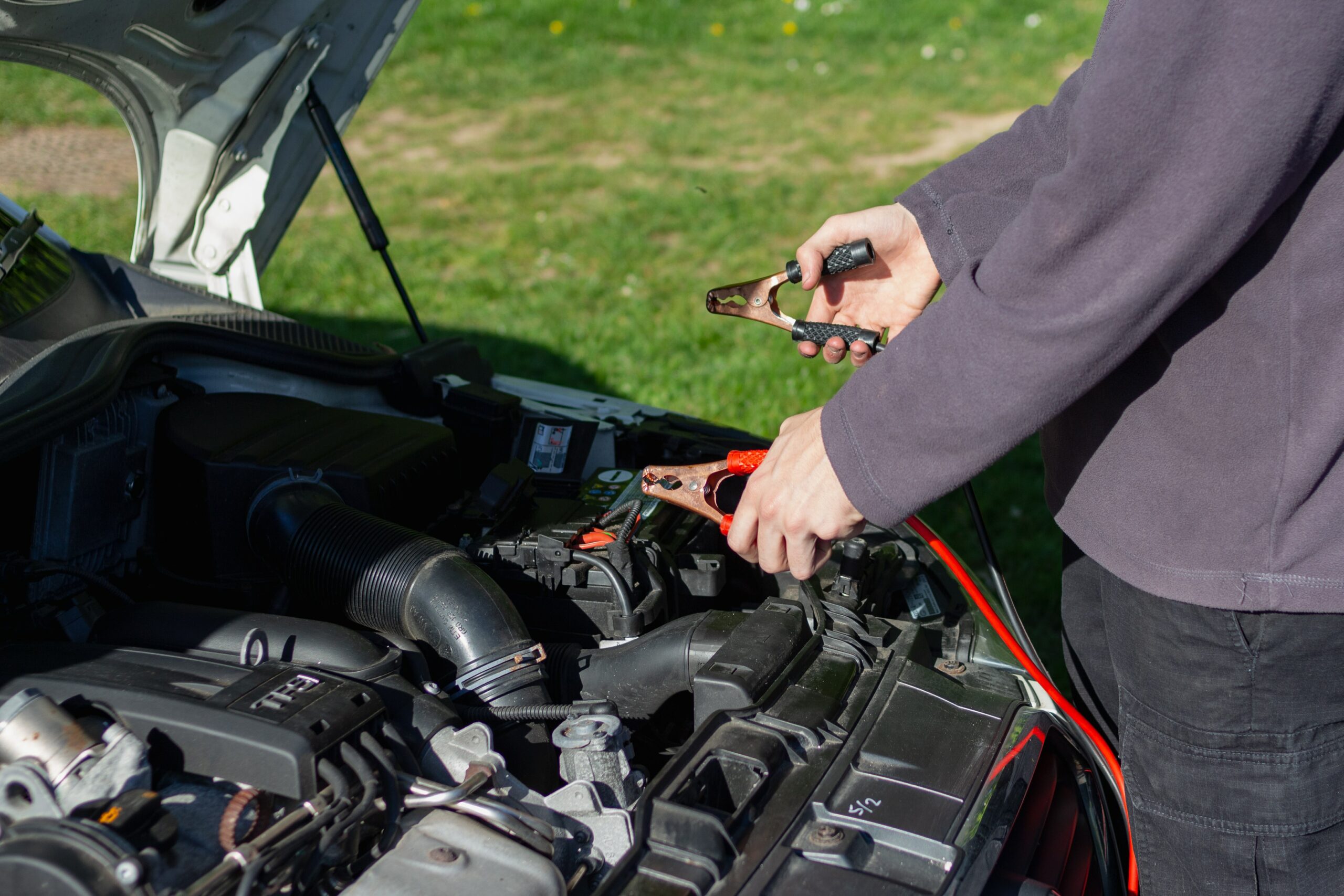
Image Source: jsgolfcarts.com
Why Your Golf Cart Battery Might Go Flat
A golf cart battery dead can happen for several reasons. Often, it’s not a sudden event. It’s usually a slow drain or a lack of care. Knowing these reasons helps you prevent future issues.
Common Reasons for a Dead Battery:
- Leaving things on: Just like a car, leaving lights, radios, or other accessories on for too long without the golf cart running can drain the battery pack.
- Old batteries: Golf cart batteries, especially lead-acid types, have a lifespan. Most last 4-6 years. As they age, they hold less charge and die quicker.
- Not charging regularly: If you don’t charge your golf cart after each use, or if you let it sit for weeks without a “maintenance charge,” the batteries will slowly lose power. This is known as self-discharge.
- Loose or dirty connections:
Golf cart battery terminalsmust be clean and tight. Loose or corroded connections stop power from flowing freely, making batteries seem dead or unable to charge well. - Faulty charger: Sometimes, the problem isn’t the battery but the charger itself. A broken charger won’t send enough power, or any power at all, to the batteries.
- Under-watering (for flooded batteries): If you have flooded lead-acid batteries, they need distilled water. If the water level is too low, the battery plates get exposed and damaged. This makes the battery lose power.
- Parasitic drain: Something on the golf cart might be drawing power even when it’s off. This could be a short circuit or a faulty part.
When your golf cart does not start, it’s wise to check these common issues first. A quick golf cart battery voltage check with a multimeter can tell you if the battery pack or a single battery is truly low.
The Dangers and Risks of Jump Starting a Golf Cart
Jump starting a golf cart is risky. It’s not like jumping a car. Golf carts often have a series of 6V, 8V, or 12V batteries linked to make a higher voltage system (36V or 48V). Trying to jump the whole pack with a 12V car battery can cause big problems.
Key Risks Involved:
- Damage to golf cart electronics: Sending too much voltage or current into the wrong part of the golf cart can burn out wires, the controller, or other sensitive electronic parts. This can be very costly to fix.
- Damage to the donor vehicle: If you try to jump start a high-voltage golf cart system with a 12V car battery incorrectly, you could damage the car’s electrical system, including its battery or alternator.
- Battery explosion: Batteries produce hydrogen gas, especially when charging or being jump started. This gas is highly flammable. A spark from incorrect
jumper cables for golf cartuse can ignite it, causing the battery to explode. This can lead to serious injury from acid and flying parts. - Electric shock: Working with batteries means working with electricity. Touching the wrong parts or having wet hands can lead to a severe electric shock.
- Fire: A short circuit caused by improper jumper cable use can create sparks and heat, leading to a fire. Battery acid is also corrosive and can cause burns.
- Uneven charging: Even if you jump a single battery, the whole pack might not charge evenly afterward. This can hurt the overall lifespan and performance of your battery system.
Because of these risks, it’s often better to charge golf cart battery with its proper charger first. A jump start should be a last resort. If you are not sure what you are doing, do not try to jump start it. Call a professional instead. Safe golf cart jump start practices are essential.
When to Attempt a Jump Start (and When Not To)
Deciding when to jump start is crucial for safety and for your golf cart’s health. Not all dead batteries can or should be jump started.
When a Jump Start Might Be Okay:
- Recently drained battery: If you left the lights on for an hour or two, and the battery is just a little low, a careful jump on a single battery might help.
- As a temporary fix: If you are stuck far from your charger, and you know the main issue is just a low charge, a careful jump might get you back.
- You know the exact issue: If you have used a
golf cart battery voltage checktool and found only one battery in the pack is very low, and the others are fine, you might jump that single battery.
When You Should NEVER Jump Start:
- Very old batteries: If your batteries are past their typical lifespan (over 6-7 years), they are likely too weak or damaged to hold a charge. A jump might not work and could be dangerous.
- Swollen or leaking batteries: If any battery case looks swollen, cracked, or is leaking acid, do not touch it. These batteries are very unstable and can explode. They need immediate
golf cart battery replacement. - Hot batteries: If the batteries feel unusually hot to the touch, there’s an internal problem. Jumping them could make it worse.
- Corroded terminals (severe): While some corrosion can be cleaned, if the terminals are heavily corroded, it shows a lack of maintenance. A jump might be unsafe, and cleaning should happen first.
- If a
golf cart won't start troubleshootingshows deeper issues: If the problem is not just a dead battery, but a clicking solenoid, a burning smell, or no power at all from a fully charged pack, jumping will not help and could make things worse. - Unknown battery health: If you don’t know the state of your batteries, it’s safer not to jump them. A
golf cart battery voltage checkcan tell you this.
Always consider the risks. A dead battery is often a symptom of a larger problem. A jump start is rarely a long-term fix.
Preparing for a Safe Jump Start: Tools and Checks
Before you even think about connecting cables, you need to prepare. This means gathering the right tools and doing important safety checks. This step is key for a safe golf cart jump start.
Essential Tools You Will Need:
Jumper cables for golf cart: These should be heavy-duty, at least 6-gauge. Thinner cables might overheat. Shorter cables are better as they reduce resistance.- Safety glasses: Always protect your eyes from battery acid and sparks.
- Rubber gloves: Protect your hands from acid.
- Wrenches: To loosen or tighten
golf cart battery terminalsif needed for cleaning or testing. - Baking soda and water: For cleaning corrosion. A mix of baking soda and water neutralizes battery acid.
- Wire brush: To clean corroded terminals.
- Voltmeter or multimeter: A must-have tool for a
golf cart battery voltage check. This helps you find which battery is weak. - Battery terminal cleaner or protector: A spray to prevent future corrosion.
- A friend or helper: It’s always safer to have another person present in case of an accident.
Pre-Jump Safety Checks:
- Read your golf cart manual: Every golf cart is different. The manual will have specific warnings and steps for battery care.
- Ventilation: Work in a well-aired area. Batteries release hydrogen gas, which can explode. Avoid garages with poor airflow.
- Turn off everything: Make sure the golf cart’s ignition is off, and all lights, radios, and other accessories are off.
- Inspect batteries: Look closely at each battery in the pack.
- Are any swollen or cracked?
- Is there any liquid leaking from them?
- Do they feel hot?
- If you see any of these signs, STOP. Do not proceed. You need
golf cart battery replacement.
- Check
golf cart battery terminals: Look for corrosion (a white, powdery substance). If there’s a lot, clean it first. Loose connections also need to be tightened.- To clean: Mix baking soda and water to make a paste. Apply it to the corroded terminals. It will fizz. Let it sit, then scrub with a wire brush. Rinse with clean water and dry thoroughly.
Golf cart battery voltage check: This is very important forjump starting 48V golf cartsystems. Use your multimeter:- Set the multimeter to DC volts (VDC).
- Touch the red probe to the positive (+) terminal and the black probe to the negative (-) terminal of each individual battery in the pack.
- Write down the voltage reading for each battery.
- In a 48V system (often four 12V batteries or six 8V batteries), you are looking for one battery with a much lower reading than the others. For example, if you have 12V batteries, and three read 12.5V but one reads 8V, that’s your target battery.
- Rule of thumb: A fully charged 12V battery is around 12.6V. An 8V battery is around 8.4V. A 6V battery is around 6.3V. If any battery reads significantly lower (e.g., 10.5V for a 12V battery, or 4V for a 6V battery), that’s the one to focus on.
- Identify the donor vehicle: Use a car with a good 12V battery. Make sure the car is off and its parking brake is on. The car should not be touching the golf cart.
Only after you have done all these checks and gathered your tools should you move to the next step.
Step-by-Step Guide: How to Jump a Golf Cart (Carefully)
Jump starting a golf cart, especially one with a 36V or jump starting 48V golf cart system, is different from a car. You do not jump the whole golf cart system directly from a 12V car battery. Instead, you jump one of the 12V batteries in the golf cart’s pack that is low. This gives that single battery enough charge to then allow the golf cart’s main charger to finish the job for the entire pack. This is the how to jump a golf cart with a car method for multi-battery systems.
Important Note for Multi-Battery Systems (36V/48V):
Most modern golf carts are 36V or 48V. This means they have multiple 6V, 8V, or 12V batteries wired in a series.
* 36V system: Typically six 6V batteries.
* 48V system: Can be four 12V batteries OR six 8V batteries.
You must identify the single weakest battery using your multimeter. That’s the battery you will jump.
Steps for a Safe Jump Start:
- Position vehicles: Park the car (donor vehicle) close enough to the golf cart so the
jumper cables for golf cartcan reach, but do not let the vehicles touch. Turn off the car’s engine. - Safety gear: Put on your safety glasses and rubber gloves.
- Locate the weak battery: Based on your
golf cart battery voltage check, find the specific 12V battery (or 6V/8V if you’re very careful and only boosting to get a charge started) in the golf cart’s pack that has the lowest voltage.- If you have a 36V system (six 6V batteries) or 48V (six 8V batteries), you can only jump one of these smaller batteries with a 12V car battery if you are very quick and only trying to get a surface charge. It’s generally safer and more common to target a single 12V battery if your 48V system uses four 12V batteries. For 6V or 8V batteries, using a 12V car battery carries more risk of overcharging that single battery. The goal is just to give it a little boost so the golf cart’s charger can kick in.
- Connect the positive cable:
- Take the red (positive)
jumper cables for golf cart. - Connect one end of the red cable to the positive (+) terminal of the weak golf cart battery. Make sure it’s a tight clamp.
- Take the red (positive)
- Connect the other positive cable:
- Connect the other end of the red cable to the positive (+) terminal of the car’s battery.
- Connect the negative cable to the car:
- Take the black (negative)
jumper cables for golf cart. - Connect one end of the black cable to the negative (-) terminal of the car’s battery.
- Take the black (negative)
- Connect the negative cable to the golf cart frame (NOT battery):
- Connect the other end of the black cable to a clean, unpainted metal part of the golf cart’s frame, far from the batteries and any moving parts. This helps prevent sparks near the battery gases.
- Never connect the negative cable directly to the negative terminal of the golf cart battery you are jumping, or any other golf cart battery.
- Start the donor car: Turn on the engine of the car. Let it run for 5-10 minutes. This allows a small charge to flow to the weak golf cart battery. Do not rev the engine.
- Wait and test: After 5-10 minutes, turn off the car’s engine.
- Attempt to start the golf cart: Try to start the golf cart. If it makes a clicking sound, it means the solenoid is trying to engage, but the battery might still be too weak. If it starts, great!
- Disconnect cables (in reverse order): This is very important for
safe golf cart jump start.- First, remove the black cable from the golf cart frame.
- Second, remove the black cable from the car’s negative terminal.
- Third, remove the red cable from the car’s positive terminal.
- Fourth, remove the red cable from the golf cart battery’s positive terminal.
- Make sure the cables do not touch each other or any metal parts of the vehicles after disconnecting.
- Immediately
charge golf cart battery: The jump start is only a temporary fix. As soon as possible, plug your golf cart into its proper charger and allow it to complete a full charge cycle (usually 8-12 hours). This is vital to get all batteries balanced and fully charged.
Crucial Point: If your golf cart uses a 36V system with six 6V batteries, or a 48V system with six 8V batteries, jumping a single 6V or 8V battery with a 12V car battery can overcharge that single battery very quickly. It’s best to only do this for a very short time (1-2 minutes) just to give it enough of a kick to accept a charge from its regular golf cart charger. The best practice is to only jump one of the 12V batteries if your system uses four 12V batteries. If you are unsure, do not jump.
After the Jump: Next Steps and Maintenance
A successful jump start is just the beginning. It’s a temporary solution, not a fix for the underlying problem. To prevent future golf cart battery dead situations, you need to take action.
Immediate Next Steps:
- Fully
charge golf cart battery: As soon as you can, plug your golf cart into its normal charger. Let it charge for a full cycle, which can be 8 to 12 hours. This is crucial. The jump start only gave one battery a small boost. The full charge will help balance the charge across all batteries in the pack. - Test the golf cart: After a full charge, drive the golf cart for a short time. See if it holds power. Does it still feel sluggish? Does it die quickly?
- Monitor
golf cart battery voltage check: Use your multimeter again to check the voltage of each individual battery after the full charge. They should all be close to their full voltage (e.g., 12.6V for a 12V battery, 8.4V for an 8V battery, 6.3V for a 6V battery). If one or more batteries are still much lower, they might be faulty.
Long-Term Solutions and Maintenance:
- Regular charging habits: Always charge your golf cart after each use, especially if you have driven it for more than 15-20 minutes. Do not let it sit for long periods without charging. If storing it,
charge golf cart batteryfully before storage, and then “top-off” charge every 3-4 weeks. - Keep
golf cart battery terminalsclean: Regularly inspect and clean battery terminals. Use a wire brush and the baking soda/water mix to remove corrosion. Apply a battery terminal protector or grease to prevent future buildup. Clean connections improve current flow and charging efficiency. - Regular
golf cart battery voltage check: Make it a habit to check the voltage of each individual battery every few months. This helps you spot a weak battery before it affects the whole pack. A difference of more than 0.5V between batteries in the same pack can mean a problem. - Check water levels (for flooded lead-acid batteries): If you have flooded lead-acid batteries, check the water levels every 2-4 weeks. Add distilled water only, filling just enough to cover the plates. Do not overfill.
- Avoid deep discharge: Try not to run your golf cart batteries until they are completely dead. Deep discharges shorten battery life. It’s best to recharge when the battery meter shows 50% or less charge.
- Consider
golf cart battery replacement: If one or more batteries consistently show lower voltage, do not hold a charge, or show signs of physical damage (swelling, leaking), it’s time to replace them. For best performance, it’s often recommended to replace all batteries in a pack at the same time, even if only one is clearly bad. A new battery with old ones can lead to imbalance and premature failure of the new battery.
Advanced Golf Cart Won't Start Troubleshooting Beyond a Dead Battery
Sometimes, your golf cart won't start troubleshooting efforts reveal that a dead battery isn’t the only problem. Other components can fail, causing similar symptoms.
Other Common Issues When a Golf Cart Won’t Start:
- Solenoid: This is a key relay that sends power from the batteries to the motor. If you turn the key or press the pedal and hear a single click but no movement, your solenoid might be bad.
- Check: Have someone press the pedal while you listen for the click. If it clicks but doesn’t move, the solenoid might not be closing properly. If it doesn’t click at all, check the wiring to the solenoid or the solenoid itself.
- Controller: This is the “brain” of the golf cart’s electric system. It manages power from the batteries to the motor based on your throttle input. A bad controller can cause no power, erratic power, or failure to move.
- Check: This often requires specialized tools or a professional. Symptoms can be similar to a bad solenoid or motor.
- Motor: While less common than battery or solenoid issues, a motor can fail. This is usually due to age, overheating, or a short circuit.
- Check: If the batteries are good, the solenoid clicks, but the motor does not engage, it might be the motor. You might also smell burning if the motor is failing.
- Fuses and circuit breakers: Golf carts have fuses or circuit breakers to protect the electrical system from overloads. A blown fuse or tripped breaker will cut power.
- Check: Locate the fuse box or circuit breakers (often near the battery pack or controller). Inspect them for breaks. Replace blown fuses with new ones of the exact same amperage.
- Wiring and connections: Loose, corroded, or damaged wires can prevent power flow. Check all cables, especially those connected to the
golf cart battery terminals, solenoid, controller, and motor.- Check: Visually inspect all wiring for fraying, burns, or breaks. Wiggle connections to see if they are loose.
- Key switch or forward/reverse switch: A faulty key switch won’t send power to the rest of the system. A broken forward/reverse switch can also prevent movement.
- Check: Test the key switch for continuity with a multimeter. For the forward/reverse switch, ensure it’s fully engaged in a position.
- Accelerator pedal switch: The accelerator pedal has a switch that tells the controller to send power when pressed. If this switch fails, the cart won’t move.
- Check: Listen for a “click” from the pedal mechanism when you press it. If you don’t hear it, the switch might be stuck or broken.
- Charger issues: Even if your batteries are good, if your charger isn’t working right, the batteries won’t get enough power to start the cart.
- Check: Plug in the charger. Does it light up? Do you hear a fan? Does it show any error codes? Test the charger’s output voltage if you know how to do it safely.
If your golf cart is not starting and it is not just a dead battery, it is wise to consult a repair manual for your specific golf cart model or seek help from a professional.
When to Call a Professional
Knowing when to step back and let a professional handle it can save you time, money, and prevent injury.
Call a Professional If:
- You are unsure: If any step of the jump-starting process seems too complex or risky, do not try it. A professional has the right tools and knowledge.
- Jump start fails: If you tried to jump start one of your batteries carefully, and the golf cart still won’t start after a full charge, there is a deeper problem.
- Persistent problems: If your golf cart keeps dying, even after careful charging and checking, it means a lasting issue.
- Major electrical issues: If you see sparks, smell burning wires, or find severely corroded terminals, these are signs of major electrical problems. Do not try to fix these yourself.
- Swollen or leaking batteries: These are highly dangerous and need to be handled by experts who know how to safely remove and dispose of them.
- You suspect the controller or motor: These are complex and expensive parts. Incorrect diagnosis can lead to wasted money on parts you don’t need.
A professional can diagnose the exact problem, replace faulty parts safely, and help you get your golf cart running well again.
Maintaining Your Golf Cart Batteries for Longer Life
Good battery care is the best way to prevent golf cart battery dead situations and avoid the need for jump starts. Proper maintenance helps your batteries last longer and perform better.
Key Battery Maintenance Tips:
- Charge after each use: Make it a rule to plug in your golf cart after every ride, especially if it was a longer trip. This keeps the batteries topped off and prevents deep discharge.
- Use the correct charger: Always use the charger made for your golf cart’s voltage and battery type.
- Check water levels regularly (flooded batteries): For flooded lead-acid batteries, check the water level in each cell every 2-4 weeks. Add distilled water if needed, but do not overfill. Water levels drop during charging.
- Keep terminals clean and tight:
Golf cart battery terminalsshould be free of corrosion and tightened properly. Corrosion increases resistance, making it harder for batteries to charge or give power. - Avoid over-discharging: Do not run your golf cart until it barely moves. Stop and
charge golf cart batterywhen it feels sluggish or the battery meter is low. Deep discharges hurt battery life. - Avoid overcharging: While most modern chargers have automatic shut-off, ensure your charger is working correctly to prevent overcharging.
- Store properly: If you store your golf cart for a long time (e.g., winter),
charge golf cart batteryfully, disconnect the main power cable (often a tow/run switch), and then perform a “maintenance charge” every 3-4 weeks. Keep it in a cool, dry place. - Battery Equalization (Flooded Lead-Acid): Every few months, your flooded lead-acid batteries may benefit from an equalization charge. This is a controlled overcharge that helps balance the voltage across all cells and removes sulfate buildup. Consult your battery or charger manual for how to do this safely.
- Temperature control: Extreme heat and cold can affect battery performance and life. Try to keep your golf cart batteries at a moderate temperature.
By following these tips, you can significantly extend the life of your golf cart batteries and enjoy many trouble-free rides.
Golf Cart Battery Voltages and Typical Configurations
It’s helpful to know how golf cart batteries are set up. This table shows common configurations.
| System Voltage | Typical Battery Voltage | Number of Batteries | Total Voltage (Series Connection) | Common Usage |
|---|---|---|---|---|
| 36V | 6V | 6 | 6 x 6V = 36V | Older carts, some newer personal carts |
| 48V | 8V | 6 | 6 x 8V = 48V | Most common modern carts, good power |
| 48V | 12V | 4 | 4 x 12V = 48V | Less common, often with smaller batteries |
| 72V | 12V | 6 | 6 x 12V = 72V | High-performance, speed carts |
Note: Batteries in a golf cart are almost always connected in series. This means the positive terminal of one battery connects to the negative terminal of the next, adding up their voltages.
Frequently Asked Questions (FAQ)
Q: Can you jump start a 36V golf cart?
A: Yes, you can jump start a 36V golf cart. You would typically jump one of the six 6V batteries in the pack. You must do this very carefully, connecting 12V jumper cables to just one 6V battery for a very short time (1-2 minutes) to give it a small boost. The goal is to get enough charge into that weak 6V battery so the golf cart’s normal charger can then finish charging the entire 36V pack. Be aware of the risk of overcharging that single 6V battery with a 12V source.
Q: How long does it take to jump start a golf cart?
A: When jump starting a single 12V battery in a 48V golf cart system with a car, it usually takes about 5-10 minutes. For a 6V or 8V battery in a 36V or 48V system, you should only connect the cables for 1-2 minutes. The aim is not to fully charge the battery, but to give it enough of a boost so the golf cart’s own charger can take over.
Q: What kind of jumper cables do I need for a golf cart?
A: You should use heavy-duty jumper cables for golf cart. Look for cables that are at least 6-gauge (lower gauge numbers mean thicker cables). Thicker cables can carry more current safely and prevent overheating. Shorter cables are also better.
Q: What are signs of a truly dead golf cart battery?
A: A truly dead golf cart battery will show very low voltage (e.g., 0-4 volts for a 12V battery) on a multimeter. Other signs include the cart not moving at all, no lights coming on, no clicking sounds from the solenoid, or the battery looking swollen, cracked, or leaking.
Q: Can a golf cart battery be too dead to jump?
A: Yes, a golf cart battery can be too dead to jump. If a battery has been fully discharged for a long time (deeply sulfated) or has internal damage, it may not accept a charge from a jump start or even its regular charger. Such batteries typically need golf cart battery replacement. Trying to jump a truly dead or damaged battery is dangerous and likely won’t work.