
Can You Golf With A Torn Rotator Cuff: Tips & Advice
Yes, you can often golf with a torn rotator cuff, but it needs careful thought. This injury can make your golf swing hurt. You might feel pain, weakness, or stiffness. It’s vital to get help from a doctor. They can tell you how bad the tear is. Then, you can make smart choices to keep playing golf safely. We will look at how to manage this. We will share tips to get you back on the course.
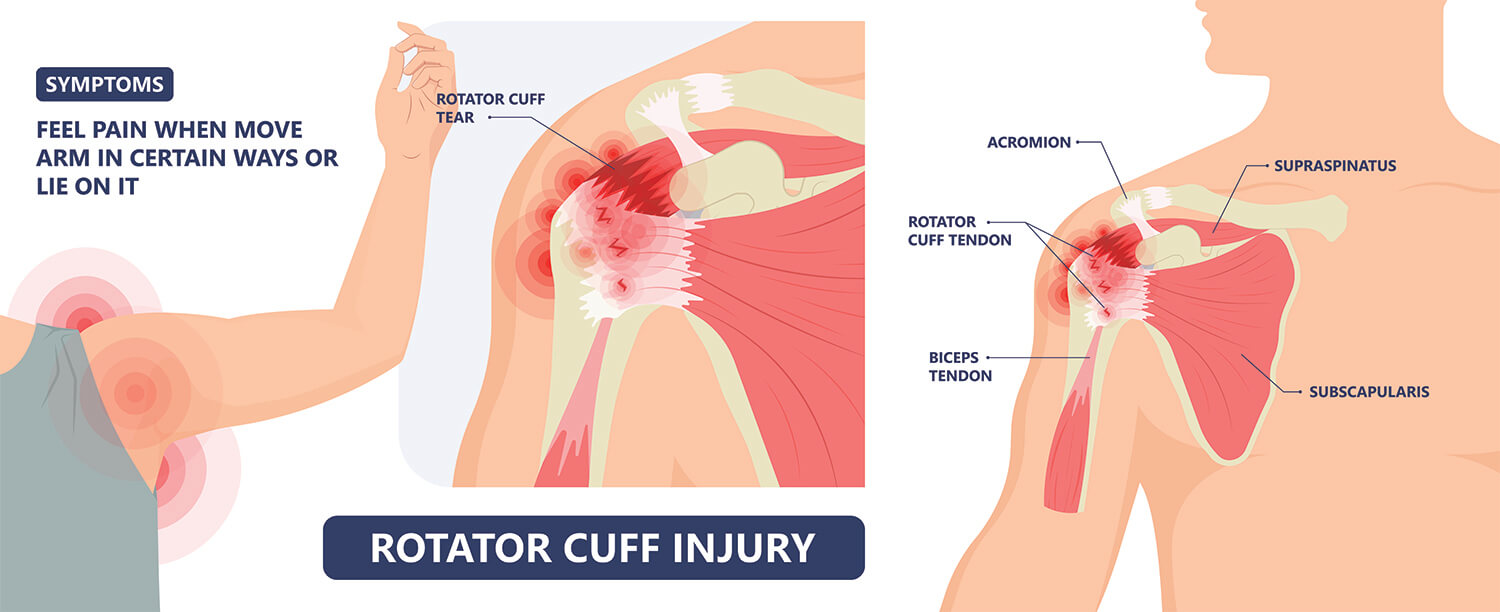
Image Source: siortho.com
Playing Golf with a Torn Rotator Cuff: A Guide to Recovery
A torn rotator cuff can really slow you down. For golfers, this injury is tough. It makes simple swings feel hard. But many people can still play. This guide helps you learn how. We will cover how to heal. We will talk about how to change your game. The goal is to keep you swinging.
What is a Rotator Cuff Tear?
Your shoulder has four muscles. They form the rotator cuff. These muscles help you lift and turn your arm. They keep your shoulder steady. A tear means one of these muscles rips. This can be a small tear or a big one.
Golf puts stress on the shoulder. The golf swing uses a lot of arm movement. It asks for power and speed. This can lead to wear and tear. Over time, small rips can get worse. A sudden, strong swing can also cause a tear. You might feel a sharp pain. Or the pain may grow slowly.
When you have a tear, moving your arm hurts. Lifting things can be tough. Sleeping on that side might be painful. Many golfers feel pain at the top of their swing. They also feel it on the follow-through. This is why playing golf with shoulder pain is a big sign. Do not ignore it.
First Steps After a Tear: Seeking Help
If your shoulder hurts, see a doctor. They can find out what is wrong. They will ask about your pain. They will check your arm movement. An MRI scan can show the tear. This helps the doctor plan your care.
There are two main paths for treatment. One is without surgery. This is called conservative treatment golf shoulder. It means using rest, medicine, and exercise. The other path is surgery. Your doctor will suggest the best choice for you. It depends on the tear’s size. It also depends on your age and how active you are.
Many small tears heal well without surgery. This path helps many golfers. It aims to reduce pain. It also works to make your shoulder strong again. This is a good first step for most people.
Golfing Without Surgery: Managing Your Tear
If you do not have surgery, you must be careful. Rest is key. Stop playing golf for a while. Let your shoulder heal. Your doctor might give you pain medicine. Ice packs can help with swelling and pain.
The next step is gentle movement. Do not push through pain. Pain means you are doing too much. Start slowly.
Physical Activity and Exercise
Rehabilitation for golf shoulder injury starts with simple moves. A physical therapist is very helpful here. They teach you the right exercises. These exercises build strength. They also help your shoulder move better. This is called physical therapy torn rotator cuff golf.
Here are some rotator cuff injury golf exercises:
- Pendulum Swings: Stand and lean forward. Let your arm hang. Swing it gently in small circles. Go both ways. This loosens your shoulder.
- Doorway Stretch: Stand in a doorway. Place your forearms on the frame. Lean forward gently. Feel a stretch in your chest and shoulders.
- External Rotations (with band): Hold a light resistance band. Keep your elbow bent at your side. Turn your forearm out. This builds outer shoulder strength.
- Internal Rotations (with band): Same idea, but turn your forearm in. This builds inner shoulder strength.
- Scapular Squeezes: Stand tall. Gently squeeze your shoulder blades together. Hold for a few seconds. This helps posture.
Do these exercises often. They make your shoulder muscles stronger. Strong muscles protect your rotator cuff. Always follow your therapist’s advice. They know what is best for you.
Golf Swing Changes
Going back to golf needs changes. You cannot swing the same way. The goal is to make your swing gentle. You want to avoid stress on your healing shoulder. These are golf swing modifications rotator cuff.
Here are ways to change your golf swing:
- Shorter Backswing: Do not take your club back too far. A shorter backswing reduces shoulder rotation. It lessens strain.
- Use More Hips and Core: Get power from your body. Use your hips and core muscles. This takes stress off your arms and shoulders.
- Softer Grip: Do not grip the club too tightly. A light grip reduces tension. It allows your shoulder to move more freely.
- Slower Tempo: Swing with less speed. A slower, smoother swing is better. It gives your muscles time to work.
- Finish Softer: Do not swing hard into your follow-through. A gentler finish prevents painful jerks.
- Play with Shorter Clubs: Use clubs like irons and wedges. They need less power. They are easier on your shoulder.
| Golf Swing Modification | Benefit for Torn Rotator Cuff | How to Do It |
|---|---|---|
| Shorter Backswing | Less shoulder rotation & strain | Stop club when parallel to ground |
| Use More Hips/Core | Shifts power from shoulder | Rotate hips, brace core on downswing |
| Softer Grip | Reduces tension in arm/shoulder | Hold club like a tube of toothpaste |
| Slower Tempo | Allows controlled movement | Practice a 1-2-3 count for swing |
| Softer Finish | Prevents sudden jerks | Stop short of full extension |
| Use Shorter Clubs | Needs less power, less strain | Focus on 7-iron and shorter clubs |
These changes might feel odd at first. Practice them on the driving range. Do not rush back to playing full rounds. Start with chipping and putting. Then move to short irons. Slowly build up. Listen to your body. If it hurts, stop.
The Path After Surgery: Getting Back to Golf
Sometimes, surgery is the best choice. This often happens with big tears. Or if conservative care does not help. Surgery fixes the torn muscle. It sews it back in place.
Recovery after surgery takes time. It is a slow process. You will wear a sling for weeks. This protects your healing shoulder. You cannot move your arm much at first.
Return to golf after shoulder surgery follows a strict plan. Your surgeon and physical therapist will guide you. This plan has different phases.
Phase 1: Protection (Weeks 0-6)
* Wear a sling.
* No active arm movement.
* Do gentle exercises the therapist shows you. These are passive moves. Someone else moves your arm.
Phase 2: Early Motion (Weeks 6-12)
* Start moving your arm on your own.
* Focus on getting full range of motion.
* Still avoid heavy lifting or strong movements.
Phase 3: Strengthening (Weeks 12-24)
* Begin strengthening exercises.
* Use light weights or resistance bands.
* Build muscle around the shoulder.
* Prepare for more active tasks.
Phase 4: Return to Sport (Weeks 24+ and beyond)
* Start golf-specific exercises.
* Begin chipping and putting.
* Move to short swings with light clubs.
* Slowly work up to full swings.
Rehabilitation for golf shoulder injury is very important after surgery. Do not skip therapy sessions. Do your home exercises. Pushing too hard, too soon, can re-tear the cuff. It can make recovery much longer. Most people need 6-12 months before playing a full round of golf. Some take even longer. Be patient.
Making Golf Easier: Smart Moves
Even after healing, some golfers might still feel limits. There are adaptive golf techniques shoulder friendly. These methods help you play golf without pain.
Here are some golf tips for shoulder pain:
- Warm Up Thoroughly: Spend 10-15 minutes warming up. Do light stretches. Do some gentle swings. This prepares your muscles.
- Use a Cart: Walking and carrying a bag strains your shoulder. Use a golf cart. This saves energy.
- Lightweight Bag: If you must carry, use a very light bag. Or use a push cart.
- Electric Trolley: An electric trolley carries your clubs. You just walk beside it.
- Softer Balls: Use softer golf balls. They compress more on impact. This can reduce shock to your shoulder.
- Adjust Your Stance: A wider stance can help. It gives you a more stable base. This can reduce upper body stress.
- Play Shorter Rounds: Play 9 holes instead of 18. Or just practice chipping and putting.
- Choose Flat Courses: Hilly courses mean more walking. This can tire you out. A flatter course is less taxing.
- Know When to Stop: If pain starts, stop playing. Do not try to finish the round. Your health is more important.
- Consider a Swing Coach: A coach can help you change your swing. They can teach you better form. This can protect your shoulder.
These tips help you play smarter. They let you enjoy golf without making your shoulder worse. They are part of adaptive golf techniques shoulder.
Keeping Shoulders Strong: Preventing Future Tears
The best way to play golf for a long time is to prevent injuries. This is true for rotator cuff tears. Preventing rotator cuff tears golf involves several steps.
- Regular Stretching: Keep your shoulder flexible. Stretch before and after golf. Stretch even on non-golf days.
- Strength Training: Strong shoulder muscles protect the rotator cuff. Work on all shoulder muscles. Include chest and back muscles too. This creates balance. Use light weights and high reps.
- Proper Golf Form: Learn the right way to swing. A bad swing puts too much stress on your shoulder. Get lessons from a pro. They can fix your swing.
- Listen to Your Body: Do not play through pain. Pain is a warning sign. Rest when you need to.
- Warm Up and Cool Down: Always warm up before playing or practicing. A cool down after helps too.
- Hydrate Well: Drink enough water. It helps your muscles work better. It helps prevent cramps.
- Eat Healthy: Good food helps your body heal and stay strong.
By following these steps, you lower your risk. You can keep your shoulders healthy. This means more rounds of golf for years to come.
Frequently Asked Questions (FAQ)
Q1: How long does it take to recover from a torn rotator cuff for golf?
A1: Recovery time varies. For small tears treated without surgery, it might be a few weeks to a few months. After surgery, it can take 6-12 months or even longer to play full rounds. Be patient.
Q2: What exercises should I avoid with a torn rotator cuff?
A2: Avoid exercises that cause pain. Do not do overhead lifting, push-ups, or pull-ups if they hurt. Avoid fast, jerky movements. Always ask your doctor or therapist for specific limits.
Q3: Can a torn rotator cuff heal on its own without surgery?
A3: Small, partial tears can sometimes heal or get better with rest and physical therapy. Full tears usually do not heal on their own. They might need surgery to repair them.
Q4: Is it okay to use a brace or support for my shoulder when golfing?
A4: A brace might offer some comfort. It can give a sense of support. But it does not heal the tear. Ask your doctor or therapist if a brace is right for you. It should not be a substitute for proper rehab.
Q5: What are the best clubs to use if I have shoulder pain?
A5: Use clubs that need less power. This means irons, wedges, and hybrids are often better. Avoid hitting long drivers with max force. A softer shaft can also help.
Q6: Should I take pain relievers before I golf?
A6: Taking pain relievers can help with discomfort. But they can also mask pain. This might make you overdo it. Always talk to your doctor about medicine use. Do not rely on pills to play through pain.
Wrapping It Up
Playing golf with a torn rotator cuff is possible. It needs patience and smart choices. First, get a proper diagnosis. Then, follow your treatment plan. This might be physical therapy or surgery.
Change your golf swing. Use gentler moves. Learn new ways to play. Focus on strength and flexibility. Most importantly, listen to your body. Do not play through pain.
With the right care, you can still enjoy golf. You can keep swinging for years to come. Your shoulder health is key to a long golf life. Play smart, play safe, and enjoy your game!