
Expert Tips: Can You Golf With A Herniated Disc Safely?
Yes, you can golf with a herniated disc, but you must do so with great care. Playing golf safely with a herniated disc needs a smart plan. This means changing your swing, getting stronger, and listening to your body. You should always talk to your doctor or a physical therapist first. They can help you make sure playing golf is safe for you.
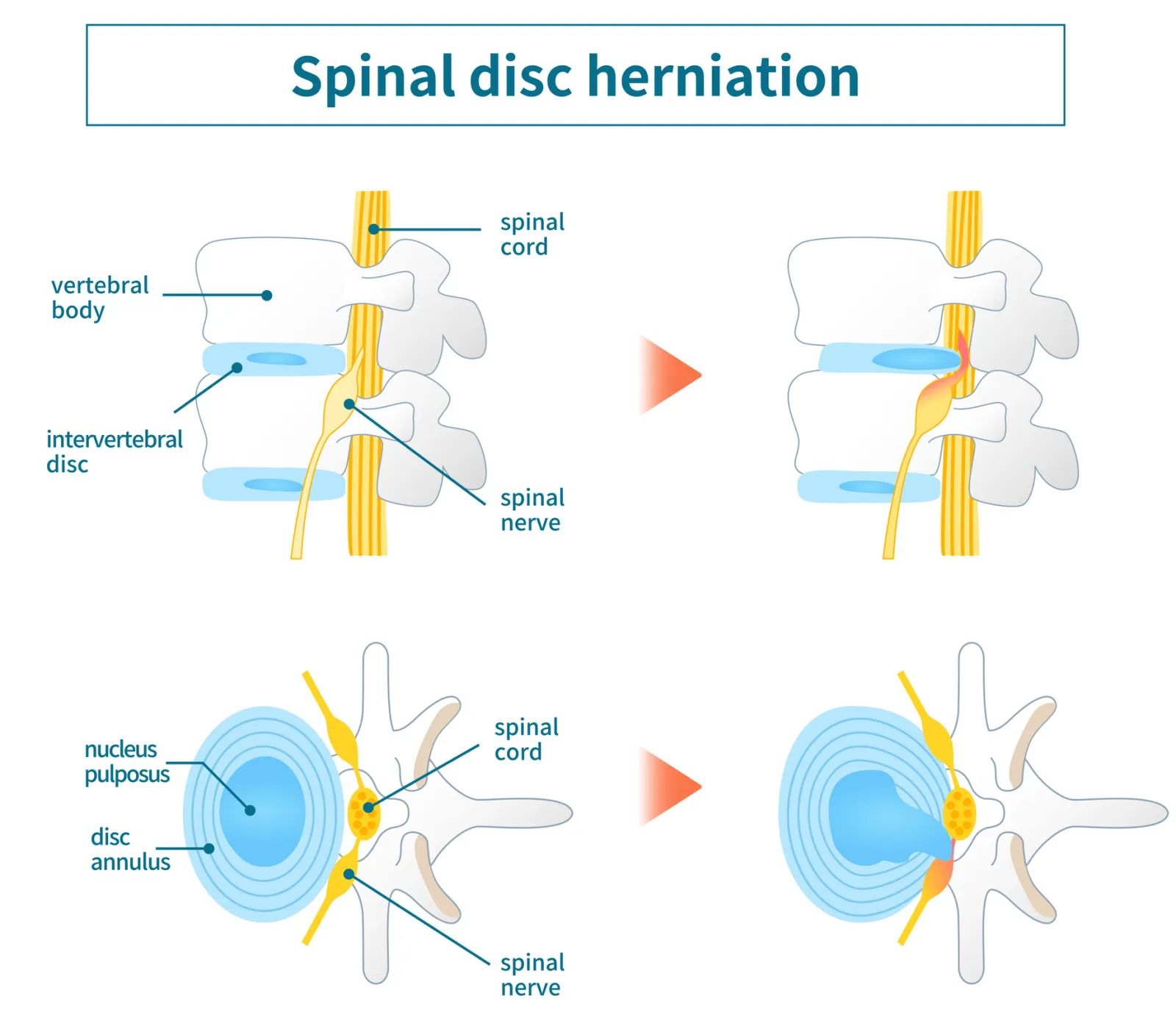
Image Source: transform.octanecdn.com
Deciphering the Herniated Disc
Your spine is made of many bones. These bones are called vertebrae. Between each bone, there is a soft disc. Think of these discs as small, squishy cushions. They help your spine bend and move. They also act as shock absorbers.
A herniated disc happens when one of these soft discs bulges out. Sometimes it can even break open. This can push on nearby nerves. When a nerve is pressed, it can cause pain. This pain can be in your back. It can also go down your leg. This is often called sciatica. This condition can make simple movements hurt a lot. Golf swings involve a lot of twisting. This twisting can make disc problems worse.
Grasping Golf’s Effect on Your Spine
Golf seems like a calm sport. But the golf swing puts much stress on your back. It is a very complex move. It uses many muscles and joints. The lower back takes a lot of force.
Think about the golf swing:
* The Address: You bend forward. Your back muscles are active.
* The Backswing: You twist your upper body away from the target. Your spine twists. This puts pressure on your discs.
* The Downswing: You quickly untwist. You move with speed and power. This creates strong forces. Your back takes a big hit.
* The Follow-Through: You keep turning. This twisting continues.
These movements are hard on your lower back. If you have a weak core, it gets worse. A weak core means your belly and back muscles are not strong. Strong core muscles help support your spine. They keep your back safe during your swing. Without them, your discs are at higher risk.
Recognizing Warning Signs
It is key to know when your back is in trouble. Pain is your body’s way of telling you something is wrong. Do not play through pain. It can make a small problem much worse.
Look for these signs:
* Sharp pain in your lower back.
* Pain that goes down one leg. This is often sciatica.
* Numbness or tingling in your leg or foot.
* Weakness in your leg.
* Pain that gets worse with coughing or sneezing.
* Pain that gets worse when you sit or bend.
If you feel any of these, stop golfing. Get help from a doctor. Ignoring these signs can lead to more serious harm.
Playing Safely with a Herniated Disc
If your doctor says it is okay to play, you must be smart about it. Your old golf swing might be too much. You need to make changes. You also need to get your body ready.
Golf Swing Modifications Herniated Disc
Changing your golf swing is very important. The goal is to lessen the stress on your lower back. This can help prevent more pain. It can also keep your disc safe.
Here are key changes to make:
* Use a More Upright Stance: Do not bend too much at your waist. Stand a bit taller. This takes pressure off your lower back.
* Widen Your Stance: Place your feet a bit wider apart. This gives you a more stable base. It helps you keep your balance.
* Shorten Your Backswing: A long backswing means more twisting. Make your backswing shorter. Stop when you feel a stretch, not pain. This reduces spinal rotation.
* Less Hip Sway: Try to keep your hips from moving too much sideways. Focus on turning your hips, not sliding them. Too much sway can hurt your discs.
* Use Your Hips and Legs More: Get power from your legs and hips. Do not just use your upper body. Your legs are stronger than your back. They can take more force.
* Finish Softer: Do not whip into your follow-through. Finish your swing in a controlled way. A smoother finish reduces impact on your spine.
* Consider a Two-Plane Swing: Some golfers use a “two-plane” swing. This swing may reduce back stress. Talk to a golf pro who knows about back health. They can help you learn this.
* Swing Smarter, Not Harder: Focus on good contact with the ball. Do not try to hit it as far as you can. Control and accuracy are better for your back.
These changes might feel strange at first. Practice them slowly. Start at the driving range. Use half swings. Then try full swings. A golf pro who knows about back health can be a great help. They can watch your swing. They can give you tips just for you.
Safe Golf Exercises Herniated Disc
Getting your body ready is vital. You need to do exercises that make your back stronger. These exercises should not hurt your disc. They should help it heal and protect it.
- Pelvic Tilts: Lie on your back with bent knees. Flatten your lower back against the floor. Tighten your stomach muscles. Hold for a few seconds. Then relax. This helps wake up your core muscles.
- Cat-Cow Stretch: Get on your hands and knees. Arch your back like a cat. Then let your belly drop like a cow. This gently moves your spine. It improves flexibility.
- Bird-Dog: Stay on hands and knees. Reach one arm forward. Extend the opposite leg backward. Keep your back flat. Do not let your hips twist. This builds core stability.
- Glute Bridges: Lie on your back. Bend your knees. Keep your feet flat. Lift your hips off the floor. Squeeze your butt muscles. This strengthens your glutes. Strong glutes support your lower back.
- Gentle Hamstring Stretches: Tight hamstrings can pull on your lower back. Lie on your back. Lift one leg. Gently pull it towards you. Keep your knee slightly bent.
Always do these exercises slowly. Stop if you feel any pain. A physical therapist can show you the right way to do them. They can also give you more ideas.
Core Strength for Golfers Back
Your core muscles are your body’s natural brace. They are like a strong belt for your spine. For golfers, a strong core is very important. It helps you swing well. It also protects your back.
Core muscles include your:
* Abdominal muscles (belly muscles).
* Back muscles.
* Side muscles (obliques).
* Deep core muscles.
Weak core muscles make your back work too hard. This leads to pain and injury. Building a strong core helps your spine stay stable during the golf swing. It takes stress off your discs.
Exercises to build core strength:
* Plank: Lie on your belly. Prop yourself up on your forearms and toes. Keep your body straight like a board. Do not let your hips sag or rise too high. This works many core muscles at once.
* Side Plank: Lie on your side. Prop yourself up on one forearm. Keep your body straight. This works your side core muscles.
* Dead Bug: Lie on your back. Lift your arms and legs. Lower one arm and the opposite leg slowly. Keep your lower back pressed to the floor. This builds deep core strength without strain.
* Bird-Dog (again): It is great for core stability and control.
Do these exercises regularly. Aim for 3-4 times a week. Start with short holds. Build up your time as you get stronger.
Golf Warm-Up Herniated Disc
A good warm-up is a must for all golfers. It is even more important if you have a herniated disc. A proper warm-up gets your body ready. It makes your muscles loose. It helps prevent injury. Never just walk to the first tee and start swinging.
Your warm-up should last at least 10-15 minutes.
* Light Cardio (5 minutes):
* Walk around the practice green.
* Do some light jogging in place.
* March in place.
* The goal is to get your blood flowing.
* Dynamic Stretches (5-7 minutes): These are movements, not holds.
* Arm Circles: Big circles forward and backward.
* Leg Swings: Swing your leg forward and backward. Also side to side.
* Torso Twists (gentle): Stand tall. Gently twist your upper body side to side. Do not force it. Keep your hips still.
* Hip Circles: Rotate your hips in big circles.
* Cat-Cow (as described above): A great way to warm up the spine.
* Golf-Specific Movements (3 minutes):
* Practice Swings (slowly): Take very slow, easy practice swings. Focus on good form. Do not hit a ball yet.
* Half Swings: Start with half swings at the driving range.
* Putting and Chipping: Do these first. They do not put much stress on your back.
A good warm-up prepares your muscles. It makes them ready to move. This can help save your back from harm.
Lumbar Disc Injury Golf Tips
Here are more general tips for playing with a lumbar disc injury:
* Listen to Your Body: This is the most important tip. If you feel pain, stop. Do not push through it.
* Stay Hydrated: Drink plenty of water. Discs are mostly water. Being hydrated helps them stay healthy.
* Choose the Right Equipment:
* Lightweight Bag: Do not carry a heavy golf bag. Use a push cart or golf cart.
* Flexible Shafts: Consider golf clubs with more flexible shafts. They can help you get power with less effort. This means less stress on your back.
* Comfortable Shoes: Good golf shoes give you a stable base. This can help your swing mechanics.
* Walk, Don’t Ride (if pain allows): Walking keeps your body warm. It helps blood flow. But if walking causes pain, use a cart.
* Take Breaks: Do not play 36 holes in one day. Take rests between rounds.
* Manage Your Expectations: You might not hit the ball as far. That’s okay. Enjoy the game. Focus on accuracy and having fun.
* After-Round Care:
* Gentle Stretching: After your round, do some light, gentle stretches.
* Ice or Heat: Apply ice to your lower back if it feels sore. Use heat if your muscles feel stiff.
Treatment and Recovery
Sometimes, pain is too much. You may need more than just swing changes. You might need treatment for your back pain.
Lower Back Pain Golf Treatment
Treatment for lower back pain from golf often starts simple.
* Rest: Give your back time to heal. Stop golfing for a while.
* Ice and Heat: Use ice for new pain or swelling. Use heat for stiff muscles.
* Over-the-Counter Pain Relievers: Medicines like ibuprofen can help with pain and swelling.
* Physical Therapy: This is often the best first step.
If these do not work, your doctor might suggest other options. These could include stronger medicines or injections. Surgery is usually a last resort.
Physical Therapy for Golfers Back Pain
A physical therapist is a key player in your recovery. They know a lot about how your body moves. They can help your back get better.
A physical therapist will:
* Assess Your Condition: They will check your strength, flexibility, and movement.
* Teach You Exercises: They will show you safe exercises. These will build core strength and flexibility. They will also improve your balance.
* Improve Your Body Mechanics: They can help you move better. This includes how you walk, lift, and even sit.
* Analyze Your Golf Swing: Some physical therapists specialize in golf. They can work with a golf pro. They can find parts of your swing that hurt your back. They can help you change them.
* Pain Management: They can teach you ways to ease your pain.
Physical therapy is not just for when you are hurt. It can also help you prevent future injuries. It makes your body stronger and more able to handle the stress of golf.
Sciatica Relief Golf
Sciatica is pain that goes down your leg. It comes from a pinched nerve in your lower back. Golf can make sciatica worse.
* Avoid Twisting: Too much twisting puts pressure on the nerve. Adjust your swing to reduce twisting.
* Gentle Stretches:
* Piriformis Stretch: The piriformis muscle can press on the sciatic nerve. Lie on your back. Cross one ankle over the opposite knee. Gently pull your knee towards your chest.
* Knee to Chest: Lie on your back. Pull one knee to your chest.
* Nerve Glides: A physical therapist can teach you “nerve glides.” These are gentle movements that help the nerve move freely.
* Proper Posture: Sit and stand with good posture. This helps keep pressure off your nerve.
* Consider a Cart: Walking a full course can make sciatica worse for some. Use a golf cart if needed.
If sciatica is severe, stop playing golf. See your doctor or physical therapist right away.
Returning to Golf After Disc Surgery
Returning to golf after disc surgery needs much patience. It is not something to rush. Your surgeon will give you a timeline. Follow it strictly.
Here is a general path:
* Early Recovery (Weeks 1-6): Focus on healing. No golf. No heavy lifting. Light walking only.
* Physical Therapy (Weeks 6-12+): This is crucial. You will work on core strength, flexibility, and basic movement. Your therapist will guide you.
* Cleared for Light Activity (Often 3-6 Months): You might be allowed to do gentle activities. This could include putting or chipping. No full swings yet.
* Full Golf Clearance (Often 6-12 Months): Your doctor will tell you when it is safe to play full rounds. This can take many months. It depends on your surgery and how you heal.
When you return, start slowly:
* Begin with Putting and Chipping: Get back on the green first.
* Progress to the Driving Range: Start with very short, gentle swings. Use wedges. Slowly increase your club length and swing speed.
* Play Nine Holes: Do not play a full 18 holes right away. Start with shorter rounds.
* Always Warm Up: A thorough warm-up is even more vital after surgery.
* Use Golf Swing Modifications: Keep using the modified swing to protect your back.
Listen to your body at all times. If you feel any pain, stop. Talk to your doctor or physical therapist. Rushing back can cause another injury.
Preventing Golf Back Injury
It is better to prevent an injury than to treat one. Many golfers get back pain. You can take steps to protect your back.
- Regular Exercise: Do not just golf. Exercise your whole body. Focus on strength, flexibility, and core stability.
- Maintain a Healthy Weight: Extra weight puts more stress on your back.
- Proper Lifting Techniques: Lift with your legs, not your back. When picking up golf balls, bend your knees.
- Good Posture: Stand tall, sit straight. This helps keep your spine in line.
- Proper Golf Form: Work with a golf pro. They can help you learn a swing that is friendly to your back.
- Use a Golf Cart or Push Cart: If carrying your bag hurts, do not do it.
- Know Your Limits: Do not play too much. Rest when you need to.
- Stay Hydrated: Drink water throughout your round.
- Don’t Ignore Pain: Any pain is a warning sign. Address it early.
Summary: Playing Golf with a Herniated Disc
| Do | Don’t |
|---|---|
| Talk to your doctor or physical therapist. | Play through pain. |
| Do a full warm-up before every round. | Skip your warm-up. |
| Shorten your backswing. | Take a long, twisting backswing. |
| Use your hips and legs for power. | Rely only on your upper body for power. |
| Strengthen your core muscles. | Neglect core exercises. |
| Walk or use a push cart. | Carry a heavy golf bag. |
| Stay hydrated. | Ignore warning signs like numbness. |
| Use a slower, more controlled swing. | Try to hit the ball as hard as you can. |
| Be patient if returning after surgery. | Rush your recovery. |
Frequently Asked Questions (FAQ)
Q1: What are the main symptoms of a herniated disc for a golfer?
A1: Golfers with a herniated disc often feel sharp lower back pain. This pain might go down one leg, often called sciatica. You might also feel numbness, tingling, or weakness in your leg or foot. Pain can get worse with twisting or bending.
Q2: Can a herniated disc get worse from golfing?
A2: Yes, improper golf swings can make a herniated disc worse. The twisting and bending movements put much stress on your spine. If your core is weak or your swing is wrong, it can increase pressure on the disc. This can lead to more pain or further disc damage.
Q3: How long should I stop golfing after a herniated disc diagnosis?
A3: The time you need to stop golfing varies. It depends on how bad your disc injury is. Your doctor or physical therapist will tell you when it is safe to return. It could be weeks or even months. Always follow their advice to ensure proper healing.
Q4: Is it better to walk or use a golf cart with a herniated disc?
A4: This depends on your pain level. Walking can keep your body warm and improve blood flow. But if walking causes more pain, a golf cart is a better choice. A push cart is also a good option if you want to walk but cannot carry your bag.
Q5: What golf clubs are best if I have back pain?
A5: Consider clubs with more flexible shafts. These can help you get power with less effort, reducing stress on your back. Lightweight clubs can also help. Talk to a golf pro about fitting options for back comfort.
Q6: Should I see a doctor or a physical therapist first for golf-related back pain?
A6: It is usually best to see a doctor first. They can diagnose the problem. They can rule out serious issues. After diagnosis, they will likely send you to a physical therapist. A therapist can help you with exercises and swing changes.
Q7: Can core exercises really help my golf game and back pain?
A7: Yes, absolutely. A strong core is vital for golfers. It acts as a natural brace for your spine. It helps stabilize your back during the swing. This can reduce pain. It also lets you create more power safely.
Q8: What if I feel a sharp pain during my golf swing?
A8: Stop immediately. Do not try to finish the swing or play another shot. Rest, apply ice, and if the pain does not go away, see your doctor. Pushing through sharp pain can cause more harm.
Conclusion
Playing golf with a herniated disc is possible. But it needs a careful and smart approach. You must be willing to change your swing. You must commit to strengthening your body. And you must always listen to your body’s signals. Work closely with your doctor and a physical therapist. They can help you return to the game you love safely. By taking these steps, you can enjoy golf for many years. You can do it even with a herniated disc.