
You can golf in the rain, and many golfers do! While it might not be your first choice, playing golf in wet weather can be a fun and rewarding challenge. With the right gear and smart strategies, you can enjoy your round even when it’s raining. It’s all about being ready for the conditions.
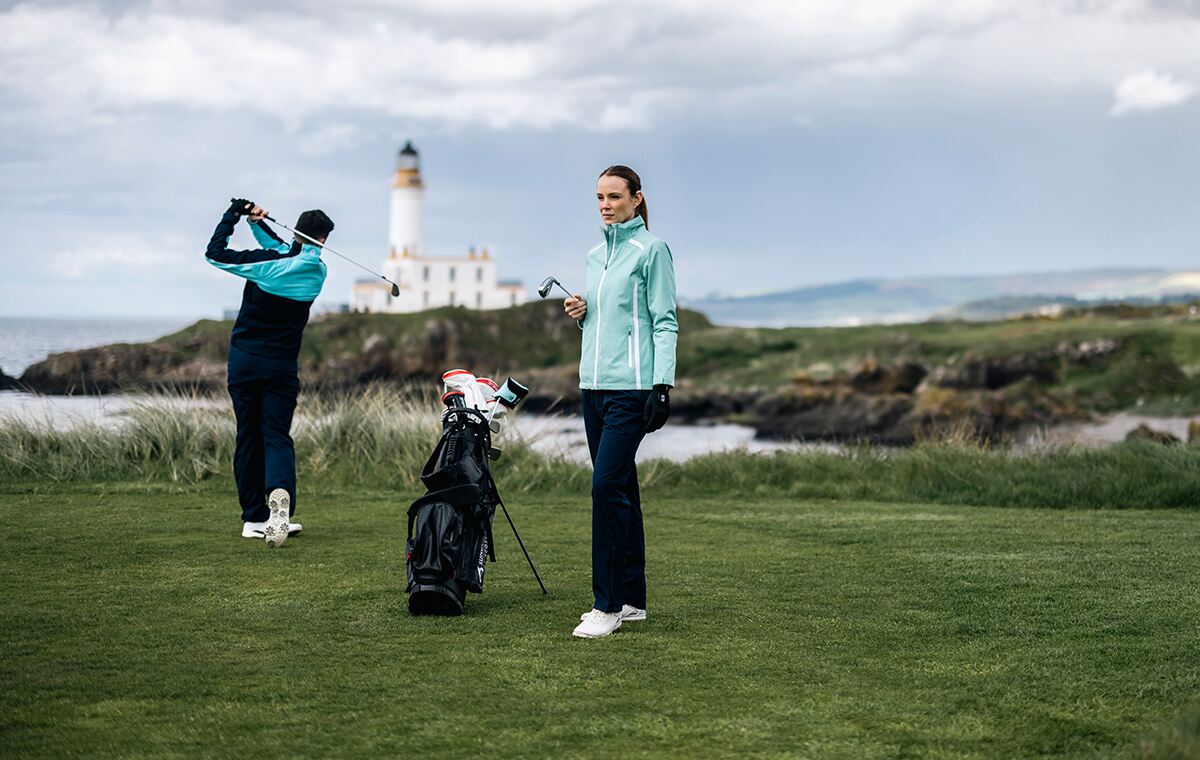
Image Source: www.glenmuir.com
Getting Ready for the Wet Golf Course
Playing golf in the rain means more than just grabbing an umbrella. It needs careful planning and the right tools. Being prepared helps you stay dry and focused on your game. This part will show you what to do.
Must-Have Golf Rain Gear
Having the right clothes and items is key to playing well in the rain. Good best golf rain gear keeps you dry and warm. It also lets you move freely. This is vital for a good swing.
Waterproof Golf Apparel
Your clothes are the first line of defense. They need to keep water out. They also need to let your skin breathe. This stops you from getting too hot or sweaty.
- Rain Jackets: Look for jackets made from Gore-Tex or similar fabrics. These materials block water but let air flow. Make sure the jacket is light. It should not get in the way of your swing. Look for sealed seams. These stop water from leaking through the stitching. A high collar can keep your neck dry. Adjustable cuffs help too.
- Rain Pants: Good rain pants fit over your regular golf pants. They should be easy to put on and take off. Zippers at the ankles are a big plus. They let you pull them on over your golf shoes. Like jackets, they should be waterproof and breathable. They should not feel bulky or noisy when you walk.
- Rain Hats: A waterproof hat with a brim is very useful. It keeps rain off your face. It also helps keep your head dry. This lets you see the ball better. It also stops rain from running down your neck. Baseball caps work for light rain. For heavier rain, a wider brimmed hat is better. Some even have ear flaps for extra warmth.
Using waterproof golf apparel correctly makes a big difference. It helps you stay comfortable. This lets you think about your shots, not the weather.
Wet Weather Golf Shoes & Socks
Your feet are often the first to get wet. Cold, wet feet are no fun. They can also mess up your balance.
- Waterproof Golf Shoes: Invest in golf shoes designed for wet conditions. Most modern golf shoes are water-resistant. But truly waterproof shoes are best for rain. They often have a special membrane inside. Look for shoes with good grip. Wet grass can be very slippery. Spiked shoes often offer better traction than spikeless ones in the wet.
- Waterproof Socks: Even with waterproof shoes, your feet can get damp. A good pair of waterproof socks adds extra protection. They are usually thin but keep water out. Some golfers prefer wool socks. Wool stays warm even when it’s a little wet. Change your socks often if you play in very heavy rain. Bring an extra pair for after your round.
Keeping your feet dry and warm is a simple but important part of golfing in wet weather tips.
Rain Gloves & Towels
These small items are vital for grip.
- Rain Gloves: When your hands get wet, your club can slip. Rain gloves are made from special materials that get more grippy when wet. Many golfers use two rain gloves, one for each hand. This is different from a regular golf glove. A regular glove often gets slippery when wet.
- Towels: Bring at least two large towels. One towel should be kept dry in your bag. Use it only for drying your grips before each shot. The other towel can be for wiping your clubs or shoes. Attach it to your bag so it’s easy to reach. Microfiber towels are great because they soak up a lot of water.
Golf Bag & Club Protection
Keeping golf clubs dry in rain is very important. Wet grips and club faces affect your shots.
- Rain Hood for Your Bag: Most golf bags come with a rain hood. Make sure to use it! It covers the top of your bag. This keeps your club heads and grips dry. Put it on before the rain starts.
- Umbrella: A large golf umbrella is a must-have. Choose one with a wide canopy. It should be strong enough to handle wind. It keeps you and your bag dry between shots. Some bags have an umbrella holder.
- Ziploc Bags/Small Dry Bags: Carry a few of these. Use them to store your phone, wallet, and scorecard. This keeps them safe from water.
- Extra Grips: If your grips get soaking wet, you might want to switch them out if it’s truly pouring. Or, consider having an extra set of dry clubs if possible. But for most, quick drying is key.
Impact of Rain on Golf Swing
Rain changes how the ball flies and how the course plays. It changes your swing too. You need to adjust for this. This is part of rainy day golf strategies.
Adjusting Your Swing
- Softer Grip: Your grip might feel slick. Many golfers grip the club tighter in the rain. This is a mistake. A tight grip adds tension. It can hurt your swing speed and control. Try to keep your grip soft. Let the rain gloves do their job.
- Shorter Swing: Wet clubs can slip. Wet ground can make you lose balance. A shorter, smoother swing helps you stay in control. It also helps you hit the ball more solidly. Don’t try to swing too hard. Focus on good contact.
- Aim for Contact: When the ground is wet, your club might pick up water. This can come between the clubface and the ball. This is called ‘flyer’ shots. The ball flies farther with less spin. Aim to hit the ball first, then the ground. This helps you get better contact.
Club Selection in Rain
Rain affects how far your ball goes. It also changes how it stops on the green.
- Lost Distance: Rain on the clubface makes the ball fly with less spin. This means it often goes shorter. Water adds weight to the ball. This also cuts distance. Plan to hit one or two clubs more than you normally would. For example, if you usually hit a 7-iron, try a 6-iron.
- Less Roll: Wet fairways mean the ball stops faster. It won’t roll much after it lands. This is good news for landing areas. But it means you need to carry the ball closer to your target.
- Heavy Greens: Putting greens get slower when wet. Water on the grass slows the ball down. You will need to hit your putts firmer. We will talk more about putting later.
- Wedge Play: When playing chip shots, choose clubs with less bounce. The bounce on a wedge can skip off wet turf. This causes thin shots. Or, you can use a putter from off the green if the lie is good.
Think about how the rain affects each shot. Adjust your club choice for distance and roll. This is a key part of playing golf in downpour.
Golf Course Etiquette Rain
Playing in the rain means being extra mindful of the course and other players. Being polite and careful helps everyone have a better round. This is about golf course etiquette rain.
Protecting the Course
- Avoid Wet Bunkers: Bunkers fill with water during heavy rain. They are hard to play from. They are also easy to damage. If a bunker is flooded, take relief. Do not hit from deep water. This saves the bunker from damage. It also saves your clubs.
- Cart Path Only: Many courses will make you stay on cart paths in the rain. This protects the fairways from tire marks. Follow these rules strictly. If you walk, try to avoid walking through puddles or very wet areas.
- Repair Ball Marks: Wet greens are softer. They show ball marks more. Always fix your ball marks and maybe one other. This keeps the greens smooth for everyone.
- Don’t Drag Your Feet: Avoid dragging your feet on greens. This can harm the grass when it’s wet. Lift your feet as you walk.
Pace of Play
Rain can slow down play. Be aware of the group behind you.
- Keep Moving: Don’t linger. Hit your shot, then move to the next.
- Be Ready: Have your club chosen and ready before it’s your turn.
- Shared Umbrellas: If sharing an umbrella, take turns holding it. Or, consider having everyone bring their own.
Showing Respect
- Be Patient: Everyone is dealing with the rain. Be patient with other players. Be patient with yourself.
- No Complaints: Try not to complain about the weather. You chose to play. Focus on having fun despite the conditions.
- Thank the Course Staff: They work hard to keep the course open and safe. A quick thank you goes a long way.
Golfing in Lightning Safety
This is the most important part of playing in the rain. Golfing in lightning safety is not a choice; it’s a must. Lightning can kill.
- Know the Forecast: Check the weather before you go. If storms are in the forecast, rethink playing.
- Listen to Sirens: Many golf courses have lightning detection systems. They sound a siren if lightning is near. When you hear it, stop playing immediately. Head for the clubhouse or a safe shelter. Do not wait.
- No Shelter Under Trees: Trees are not safe. Lightning often strikes the tallest object. A single tree is very dangerous.
- Stay Low: If you cannot reach shelter, get off the course. Get away from tall objects. Crouch low to the ground. Get your feet together. Make yourself small.
- Leave Your Clubs: Do not carry your clubs. They are metal and can act as lightning rods. Leave them in your bag and move away.
- When to Resume: Only go back out after the course staff gives the all-clear. Often, this is a second siren blast. Or, it’s 30 minutes after the last lightning strike was seen or heard.
Your safety comes first. No golf game is worth risking your life.
Mastering Wet Play: Strategies for Success
Once you have the right gear and know the safety rules, you can focus on your game. Playing well in the rain is about smart choices. It’s about adapting. It’s also about a good mindset. Here are more golfing in wet weather tips.
Course Assessment Before You Play
Even before you hit your first shot, take a moment. Look at the course. How wet is it? Where are the puddles?
- Fairway Conditions: Are the fairways soggy? Will the ball plug? If so, expect less roll. Prepare for deeper divots.
- Green Speed: Walk on a practice green. How fast are they? Wet greens are slower. This changes your putting.
- Bunker Drainage: Are bunkers full of water? Note which ones to avoid.
- Wind: Rain often comes with wind. Wind will affect your shots even more. Be ready for crosswinds.
A quick look around helps you make a game plan. This is a core part of rainy day golf strategies.
Short Game Savvy in the Wet
The short game becomes very important in the rain. Your pitch shots and chips need to be precise.
- Open the Face Less: When chipping, the clubface can pick up water. This can make the ball jump. Try not to open the clubface too much. Instead, play the ball slightly back in your stance. This helps you hit down on the ball.
- Use More Loft: For shots around the green, use more loft than usual. This helps the ball land softly. It will stop quickly on wet greens. A sand wedge or lob wedge might be better than a pitching wedge.
- Greenside Bunkers: If bunkers are not flooded, they can be tricky. The sand is often heavy and wet. Take a practice swing. Feel how the club moves through the sand. You might need to hit with more force. Aim to hit a little behind the ball.
- Putter from the Fringe: If the rough around the green is wet and clumpy, a putter can be a good choice. It will skip over the wet grass. This is often safer than chipping. It reduces the chance of a bad shot.
Putting Precision in Puddles
Putting on wet greens is a unique challenge. Water slows the ball. It also affects the break.
- Hit it Firmer: This is the most common tip for wet putting. The water on the green adds friction. You need to hit the ball harder to get it to the hole. Don’t be afraid to give it a firm stroke.
- Read Less Break: Water on the green can reduce the break. It fills in the dips. It makes the surface flatter. You might not need to aim as far left or right. Read the break carefully. But expect less movement.
- Clean Your Ball: Your ball will pick up dirt and water. Always clean your ball before putting. This makes sure it rolls true.
- Don’t Drag Your Putter: Lift your putter straight up after you hit the ball. Do not drag it across the wet grass. This can damage the green.
- Puddle Putts: If your ball lands in a puddle on the green, you can take free relief. Find the nearest spot of dry ground. It must be no closer to the hole. Drop your ball there. Do not try to putt through deep water.
Mental Game for Rainy Rounds
Your mind plays a big role in golf. This is even more true in the rain.
- Accept the Weather: You cannot change the rain. So, accept it. Don’t let it frustrate you. Focus on what you can control. This is your attitude and your shots.
- Stay Positive: A positive mindset helps you play better. Think of it as a fun test of your skills. Tell yourself you can do it.
- Focus on One Shot: Don’t think about the whole round. Just think about the shot in front of you. What do you need to do right now? This helps you stay in the moment.
- Take Your Time (But Not Too Much): Don’t rush. Take time to dry your grips. Take time to think about your shot. But also keep the pace of play. Find a good balance.
- Celebrate Small Wins: Did you make a great putt? Did you hit a solid drive? Feel good about those shots. They add up.
A strong mental game is just as important as good gear. It helps you enjoy golfing in wet weather tips.
Post-Round Care
Your golf day does not end on the 18th green. Care for your gear after a rainy round. This helps it last longer.
- Dry Your Clubs: Wipe down every club. Use a dry towel. Pay special attention to the grips. Remove the rain hood from your bag. Let air flow around your clubs.
- Clean Your Shoes: Mud and dirt from wet courses can harm your shoes. Clean them with a brush or cloth. Let them air dry. Do not put them near direct heat. This can crack the material. Remove the insoles. Let them dry separately. You can stuff newspaper inside your shoes. It helps soak up moisture.
- Air Out Your Bag: Open all the pockets on your golf bag. Let it air out in a dry place. This stops mold and mildew.
- Wash Your Gear: Wash your rain gear according to its labels. This helps keep its waterproof qualities. Hang it to dry. Don’t fold it up while it’s still damp.
- Clean Your Spikes: If your shoes have spikes, clean them. Make sure no mud is stuck in them.
Good post-round care keeps your gear ready for your next game. It also saves you money in the long run.
FAQs About Golfing in the Rain
Here are answers to common questions about playing golf in wet conditions.
Q1: What are the absolute must-have items for golfing in wet weather?
A: You must have a good waterproof jacket and pants. Also, get waterproof golf shoes and rain gloves. A large umbrella and a rain hood for your bag are also key. Don’t forget extra dry towels.
Q2: How does rain impact the golf swing and distance?
A: Rain reduces spin and adds weight to the ball. This usually makes the ball fly shorter. Expect to lose 5-15 yards on full shots. Wet grips can also make you swing softer. Aim for a smooth, controlled swing. Hit the ball first, then the ground.
Q3: What’s the best way of keeping golf clubs dry in rain during a round?
A: Use your golf bag’s rain hood. Keep it on your bag between shots. Always dry your clubface and grip just before you hit. Carry multiple dry towels.
Q4: Is playing golf in a downpour ever a good idea?
A: Playing in a very heavy downpour is not ideal. Visibility drops. The course can become unplayable. It’s best to wait out the worst of it. Or, if it’s too much, stop playing for safety and fun. Light to moderate rain is usually fine with the right gear.
Q5: What are important golf course etiquette rules to follow in the rain?
A: Stay on cart paths if asked. Fix your ball marks. Avoid hitting from flooded bunkers. Walk carefully on wet greens. Keep pace with your group. Be patient and positive.
Q6: What specific wet weather golf shoes should I look for?
A: Look for shoes that say “waterproof” not just “water-resistant.” Brands like FootJoy, Ecco, and Adidas make good waterproof golf shoes. They often have Gore-Tex liners. Spiked shoes usually offer better grip in wet conditions.
Q7: What are key rainy day golf strategies for scoring well?
A: Play smarter, not harder. Club up by one or two clubs. Aim for less roll. Use more loft around the greens. Putt firmer. Focus on good contact. And keep a positive attitude.
Q8: What are the main safety rules for golfing in lightning?
A: Stop playing immediately if you hear a siren or see lightning. Seek shelter in the clubhouse. Do not stand under trees. Get off the course. Get low to the ground if caught outside. Leave your golf clubs. Wait for the all-clear signal. Your life is more important than your game.
Q9: How do I choose the best golf rain gear for breathability?
A: Look for fabrics like Gore-Tex or similar modern waterproof-breathable materials. They have tiny pores. These pores are small enough to stop water drops. But they are big enough to let sweat vapor out. This keeps you from feeling clammy. Check reviews for breathability.
Q10: Can rain affect putting lines and speed on the green?
A: Yes, rain greatly affects putting. Water on the green slows the ball down. You will need to hit putts firmer. Water also lessens the break. The ball will not curve as much. Clean your ball often.