
Guide: Can You Fish On Golf Courses? What You Need to Know
Can you fish on golf courses? Mostly, no. Is it legal to fish golf course ponds? Usually, it is not. You cannot just fish any water hazard. It goes against strict golf course fishing regulations. Most golf courses are private property. They do not allow fishing. This is true unless you have clear, written permission from the course owner or manager. Some public courses might allow it, but this is rare. You must check first.
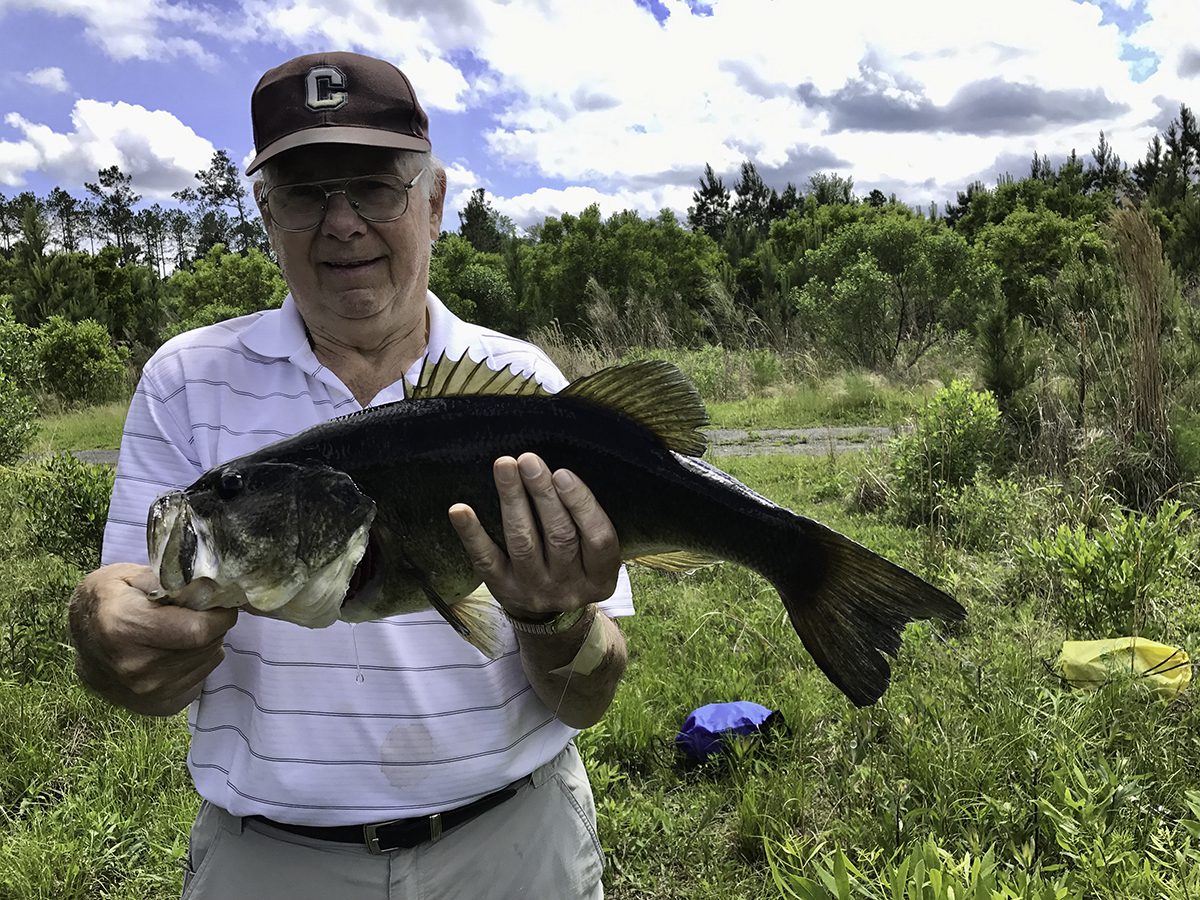
Image Source: coastalreview.org
Grasping Why Fishing is Usually Off-Limits
Golf courses are special places. They have rules to keep things safe and fair. The main goal is golf. Fishing can get in the way. There are many reasons why most courses do not let you fish.
- Safety First: Golf balls fly fast. They can cause real harm. Golfers focus on their game. They might not see someone fishing. This creates a danger zone. Fishing rods can also be a hazard.
- Not a Fishing Spot: Golf courses are for golf. They are not parks or public lakes. Their lakes are for draining water. They add beauty to the course. They are not made for anglers.
- Course Damage: Anglers might walk on manicured grass. They could damage plants or lake edges. Leftover lines or hooks hurt wildlife. They also make the course look bad.
- Disrupting Play: Fishing takes time. It can make noise. This can bother golfers. Golfers pay to play a round. They expect peace. Fishing can slow down the game.
- Legal Dangers (Liability): If you get hurt fishing, the course could be blamed. They want to avoid this. They set rules to stop problems.
- Course Chemicals: Golf courses use chemicals. They spray pesticides and fertilizers. These keep the grass green. They might wash into the water. This can harm fish. It could also be bad for people who eat the fish. The course does not want you to get sick.
Private vs. Public Golf Courses: The Big Difference
The type of golf course matters a lot. Rules change based on who owns the course.
Private Golf Courses
Private golf course fishing access is almost never allowed. These courses are like exclusive clubs. Members pay to join. They pay for a quiet place to play golf. Allowing fishing would change that. It would open the door to many issues. Most private courses have clear “no trespassing” rules. This means no fishing. If you try to fish, you could be asked to leave. You might even face legal action. Always respect private property signs. Do not just assume you can fish. This protects you and the course.
Public Golf Courses
Some public golf courses might allow fishing. This is very rare. A public course is open to everyone. It is not a private club. Still, golf is the main use. You must always check with the course manager first. Do not just show up with a fishing rod. Look for signs that say “fishing allowed.” Even if allowed, there will be rules. These courses may only allow fishing in certain spots. They might have set times. They might ask for a special permit for golf course fishing. These rules keep things fair for golfers. They keep the course safe for everyone.
Some places have rules about specific ponds. These might be linked to city parks. Or they might be part of a larger lake system. In such cases, the golf course pond is public water. Even then, you need to check. The golf course might still have its own rules. These rules are about getting to the water. They are about how you act on their property.
Deciphering Golf Course Water Hazards
Golf course water hazards are part of the game. They make golf harder. They are also home to fish. Pond fishing on golf courses draws many anglers. These ponds are often clear. They can hold surprising numbers of fish. But they are not like normal fishing ponds.
- Purpose: Water hazards catch golf balls. They also help drain water from the course. This keeps the fairways dry. They are not built as fish habitats.
- Structure: Many ponds are man-made. They can be shallow or deep. They may have steep banks. Some have concrete liners. This is to stop water from leaking.
- Water Quality: Water quality can be a worry. Rain washes fertilizers and pesticides into ponds. This can affect fish health. It can also affect human health if fish are eaten. Some courses use special filters. They try to keep the water clean. But chemicals are still a risk.
Golf Course Water Hazard Fish Population: Who Lives There?
You might wonder what fish live in these ponds. Many common fish species in golf course lakes thrive there. Fish get into these ponds in a few ways. Sometimes, courses stock them for looks. Or fish move in from nearby rivers or lakes. Birds might carry fish eggs. Flooding can also move fish.
Common fish you might find include:
- Largemouth Bass: These are popular sport fish. They grow big. They eat smaller fish. Many golf course ponds have good numbers of bass. They are strong fighters.
- Bluegill: These small panfish are common. They are easy to catch. They are good food for bigger fish. Bluegill often live in large groups.
- Crappie: Both white and black crappie can live here. They are also popular panfish. They like clear water with cover.
- Catfish: Channel catfish are tough fish. They can live in many water types. They feed on the bottom. They can get very big.
- Carp: Common carp are bottom feeders. They can tolerate bad water. They can grow very large. They are not often sought after for food. But they offer a strong fight.
- Sunfish (other types): Besides bluegill, other sunfish like green sunfish can be found. They are small and colorful.
- Minnows: Small baitfish are often present. They are food for bigger fish.
The size of the golf course water hazard fish population depends on many things. It depends on the pond’s size. It depends on how deep it is. It depends on food sources. It also depends on water quality. Fish can live well in these ponds. But they are still within a golf course setting. This means certain risks exist.
Catching Fish Golf Course Water Hazards: The Risks and Realities
The idea of catching fish golf course water hazards is tempting. These waters are often untouched. They are not fished by many people. This can mean bigger fish. It can mean more fish. But trying to fish them carries risks.
- Being Caught: You could be seen by golfers or staff. This can lead to serious trouble. You might be charged with trespassing. You could be banned from the course.
- Legal Troubles: Trespassing is a crime. You could get a fine. You could even face jail time. It is not worth the risk.
- Safety Hazards: As noted, golf balls are a danger. Golf carts zip around. You could get hit. The chemicals in the water are also a risk. They can harm you if you touch them or if you eat fish from the water.
- Damage to Property: Stepping on greens or fairways causes damage. This costs the course money. It is disrespectful.
- Ethical Concerns: It is wrong to fish where you are not allowed. It goes against rules of fair play. It shows no respect for private property.
Getting a Permit for Golf Course Fishing: Is It Possible?
A permit for golf course fishing is rare. But it is not impossible. It mostly applies to public courses. Or it applies to very special situations.
How to Ask for Permission:
- Do Not Show Up with a Rod: First, call the golf course. Speak to the general manager or pro shop staff.
- Explain Your Request: State clearly why you want to fish. Ask about their rules.
- Be Ready for a “No”: Most times, they will say no. Be polite.
- If “Yes” (Rare!): If they say yes, get it in writing. Ask about specific rules. These might include:
- Which ponds you can fish.
- What times you can fish.
- If it’s catch and release only.
- What gear you can use.
- Where you can park.
- Any fees.
- If you need a state fishing license. (You almost always do.)
Some golf courses might have special events. They might hold a kids’ fishing day. Or a charity event. These are usually advertised. They are the only times fishing is allowed. This is often supervised. It is part of a bigger event. This is not for a regular fishing trip.
Fishing Etiquette Golf Courses: If You Get That Rare Chance
If you are one of the very few allowed to fish, act right. Fishing etiquette golf courses is very important. It ensures you do not spoil it for others. It keeps you safe. And it respects the course.
- Stay Out of the Way: Never disturb golfers. Stop casting when golfers are nearby. Do not walk across greens or fairways. Stay on the very edge of the water.
- Be Quiet: No loud talking. No loud music. Keep your voice down. Let golfers focus.
- Clean Up Your Mess: Take all trash with you. This includes old fishing line, bait containers, and hooks. Do not leave anything behind.
- Use Proper Gear: Light tackle is best. Do not use lures that might snag on course features. Avoid lead weights if possible. Some courses might ban them.
- Catch and Release: Most places that allow fishing will require catch and release. This helps keep fish populations healthy. It also avoids food safety worries linked to course chemicals. Handle fish gently. Release them quickly.
- Follow All Rules: Stick to the times given. Fish only in allowed areas. Do not go into “no-go” zones.
- Respect the Landscape: Do not damage plants or flowers. Do not dig for bait. Do not disturb the course.
- No Wading: Do not wade into the water. This can damage the pond banks. It can also be unsafe.
Exploring Public Golf Courses Allowing Fishing: A Rare Find
It is hard to find public golf courses allowing fishing. But they do exist. They are often part of a larger public park or recreation area. These are not typical golf courses. They are more like multi-use facilities.
How to Find Them:
- Local Parks and Rec: Check your local city or county park and recreation department. They list public parks and facilities. They might mention golf courses with fishing access.
- State Wildlife Agencies: Some state wildlife agencies might list public waters. These lists might include golf course ponds that are open to fishing.
- Online Searches: Search online for “fishing golf course [your city/state]”. Be specific.
- Fishing Forums: Ask on local fishing forums. Someone might know a rare spot.
Even when fishing is allowed, remember the rules. A state fishing license is almost always needed. This is for any public water. Check local laws. These places are very few. Do not get your hopes up too high.
Golf Course Fishing Regulations: The Details You Need to Know
Golf course fishing regulations are key. They are usually strict. They aim to protect the course, golfers, and fish.
Typical Regulations (if fishing is allowed):
- No Trespassing: This is the most common rule. It means “no fishing.”
- Permit Required: A special pass is needed to fish.
- Designated Areas Only: Fishing is only allowed in certain ponds or parts of ponds.
- Specific Hours: Fishing might only be allowed before golf starts or after it ends. Or during times of no play.
- Catch and Release: All fish must be returned to the water. No taking fish home.
- Gear Limits: Only certain types of lures or bait might be allowed. Barbless hooks might be required. No live bait from outside sources.
- No Wading or Boating: Stay on the bank. Do not enter the water. No boats, canoes, or kayaks.
- No Littering: Take out everything you bring in.
- State Fishing License: You still need a valid state fishing license. This is true even if the course gives permission.
- No Alcohol or Drugs: Standard public safety rules apply.
- Quiet Rules: Keep noise down.
These rules are for your safety. They are for the safety of golfers. They also protect the golf course property. Always follow them. Breaking them can lead to being banned. It can lead to fines.
Environmental Issues: What About Those Chemicals?
Golf courses use many products. They keep the grass perfect. These include fertilizers, pesticides, and herbicides. These chemicals can wash into the water hazards. This is a real concern.
- Pesticides: These kill insects. They can harm fish. They can also affect birds and other wildlife.
- Herbicides: These kill weeds. They can change the water environment. They can kill plants fish need for food or cover.
- Fertilizers: These help grass grow. Too much fertilizer can cause algae blooms. Algae uses up oxygen. This can kill fish.
The impact of these chemicals on golf course water hazard fish population can be big. Some courses are “Audubon certified.” This means they try to be more eco-friendly. They use fewer harmful chemicals. But it is still a risk. If you are allowed to fish, always do catch and release. Do not eat fish from golf course ponds. It is safer not to. You do not know what they have absorbed.
Alternatives to Golf Course Fishing
If you really want to fish, there are better places. Do not risk trouble on a golf course.
- Public Parks with Ponds: Many city and county parks have fishing ponds. These are open to the public. They are managed for fishing.
- State and Federal Land: Many state parks, forests, and wildlife areas have lakes and rivers. These are great for fishing.
- Local Fishing Clubs: Join a local fishing club. They often have access to private waters. They might arrange trips.
- Pay-to-Fish Lakes: Some private lakes let you pay a fee to fish. These are well-stocked. They are often catch and release.
- Community Lakes: Many housing communities have their own lakes. Some allow residents to fish. Check with your HOA.
- Commercial Fishing Ponds: These are businesses set up just for fishing. They are easy to use.
These options offer safe, legal, and often more rewarding fishing experiences. You do not have to worry about breaking rules. You can enjoy your time.
The Bottom Line: Think Before You Cast
Fishing on a golf course is almost always a bad idea. It carries many risks. These risks include legal trouble, safety dangers, and damage to property. It is also disrespectful. Most courses do not allow it. If you wish to fish, find a legal spot. Get proper permits. Always follow the rules. Enjoy nature in the right way. Your fishing fun should not cause problems for others.
Frequently Asked Questions (FAQ)
Q1: Can I fish in a golf course pond if my ball goes in there?
A1: No. You can get your ball out if you can reach it. Do not use a fishing rod. Do not enter the water. Do not fish. Your main goal is to finish your golf game.
Q2: Do golf courses stock fish in their ponds?
A2: Sometimes, yes. They might stock fish for looks. Or to help control insects. They do not usually stock them for people to fish.
Q3: Is it safe to eat fish caught from golf course ponds?
A3: It is not safe. Golf courses use chemicals. These chemicals can get into the water. They can build up in fish. Eating these fish could make you sick. Always do catch and release if you are allowed to fish.
Q4: What happens if I get caught fishing on a golf course without permission?
A4: You could be charged with trespassing. This can lead to a fine. You might be told to leave the property. You could be banned from the course forever. It is best to avoid this.
Q5: Can I retrieve my golf ball with a small net from the water hazard?
A5: Yes, usually. Most courses allow you to use a golf ball retriever. This is a tool to get your ball. It is not fishing equipment. Make sure you do not damage the banks. Do not disrupt play.
Q6: Are there any golf courses that encourage fishing?
A6: Very few. Some resorts might offer guided fishing trips. These are special tours. They are run by the resort. They are not just open fishing. You would pay for this special experience. It is not common.
Q7: Do I need a state fishing license to fish on a golf course, even if I have permission?
A7: Yes, almost always. Any public water requires a state fishing license. Even if a golf course gives you permission, the water itself might be public. Or it might be private but still falls under state wildlife laws. Always carry your license.
Q8: Are golf course ponds good for fishing?
A8: They can hold many fish. This is because they are rarely fished. But the risks are too high. The chemicals can also make them bad for fish. It is not worth it. Find a legal, safe spot to fish.
Q9: What kind of fishing gear should I use if I am allowed to fish?
A9: Use light tackle. Choose lures that are less likely to snag. Use barbless hooks for easy release. Always make sure to take all your gear with you. Do not leave anything behind.