
Golf FAQs: Can Waterlogged Golf Balls Be Dried Out?
Yes, waterlogged golf balls can be dried out, but their performance might not be the same as new ones. Generally, wet golf balls do fly shorter due to water absorption changing their weight and core properties. You can reuse waterlogged golf balls after drying, especially for practice or casual play, but expect some differences in how they perform. This guide will show you how to dry them and what to expect.
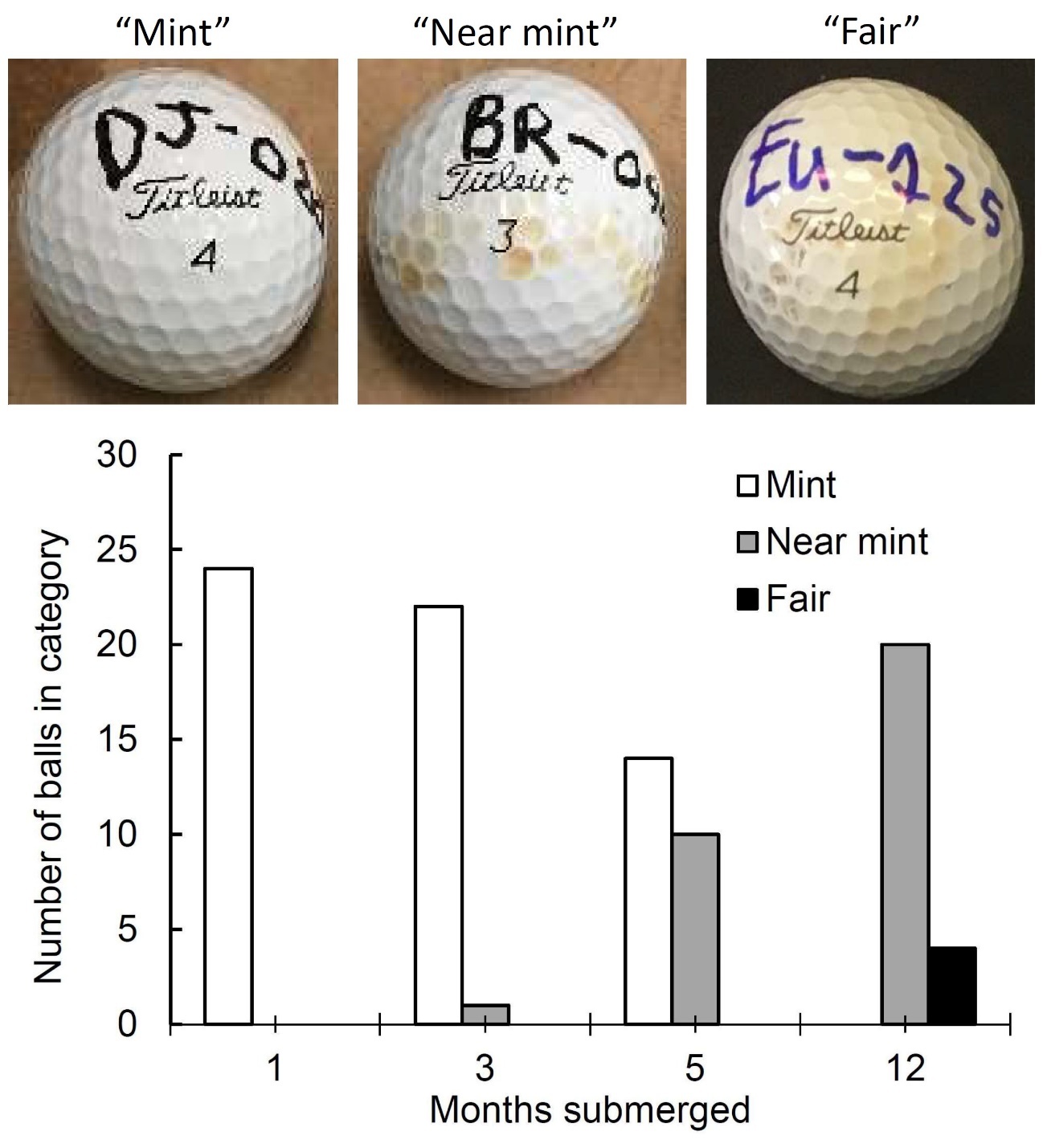
Image Source: www.golfsciencejournal.org
The Impact of Water on Golf Balls
Golf balls are tough. They hit hard clubs and land in rough spots. But water is a hidden enemy. It can change a golf ball from the inside out. We will look at how water affects these tiny pieces of sports tech.
Water’s Effect on Golf Ball Design
A golf ball is not just a solid lump. It has layers, like an onion.
* Cover: This is the outside layer. It is made of hard plastic. It protects the ball.
* Mantle: This is the layer under the cover. It helps transfer power from your club.
* Core: This is the heart of the ball. It is often made of rubber or a special polymer. This core gives the ball its springiness and speed.
Water can get into these layers. Small cracks in the cover are common. These cracks can be tiny, almost invisible. But water finds its way in. Some older or cheaper covers are also a bit porous. This means they can soak up water slowly.
The effects of water on golf ball core are very important. The core is designed to be firm and bouncy. When water gets into the core, it can soften it. Think of a sponge. When it is dry, it is firm. When it is wet, it is soft and squishy. A golf ball core works similarly. A soft core cannot store and release energy well. This means your shots will lose power. It will not fly as far or as fast. The ball might feel dead when you hit it.
Modern golf balls are made to resist water better. They have stronger covers and tighter seals. But no golf ball is truly waterproof. Given enough time in water, any ball will take on moisture. This is why pond balls or balls found in streams often perform poorly. They have been wet for a long time.
How Water Changes Ball Performance
When a golf ball takes on water, its properties change. These changes directly affect how the ball flies.
* Weight Increase: Water adds weight to the ball. A heavier ball needs more force to launch. It also falls faster. This means less distance.
* Core Softening: As we discussed, the core gets softer. This reduces how much energy moves from the club to the ball. This means less ball speed.
* Spin Rate: Water inside the ball can change its balance. This can affect how the ball spins. Spin is key for lift and control. A changed spin can make the ball fly off target. It can also reduce lift.
* Feel of the Ball: A waterlogged ball feels different. It might feel “mushy” when you hit it. This can affect your confidence and swing.
So, do wet golf balls fly shorter? Yes, they do. All these factors combine to reduce distance. The ball loses speed, loses height, and drops quicker. For a serious golfer, even a few yards can matter. For casual players, it might be less of a concern. But the difference is real. A ball that has sat in water for days or weeks will fly much shorter. It will not go where you expect it to.
Here is a simple table showing expected changes:
| Performance Aspect | Effect of Waterlogging | Why it Happens |
|---|---|---|
| Distance | Decreases | Heavier ball, softer core, less energy transfer |
| Ball Speed | Decreases | Core cannot store energy well |
| Spin Rate | Can change | Unbalanced weight distribution |
| Feel at Impact | Softer, “dead” | Core loses its firmness |
Drying Golf Balls: The Process
You want to bring your wet golf balls back to life. You can try drying golf balls at home. It takes time and care. But it is possible for many balls.
Initial Steps for Salvage
Before you pick a drying method, do these first steps. They are quick and simple. They help get rid of surface water.
* Wipe Off Surface Water: As soon as you get the ball, wipe it clean. Use a towel. Get all the visible water off the cover. This stops more water from getting in.
* Gentle Cleaning: If the ball is dirty, wash it gently with plain water. Use a soft brush to remove dirt. Do not use harsh soaps. Harsh soaps can damage the cover. Rinse it well.
* Air Dry First: After wiping, let the ball air dry for a few hours. Place it on a clean, dry surface. This helps get rid of any water on the outside. It also starts the drying process.
Popular Drying Techniques
There are many waterlogged golf ball drying methods. Some work better than others. Some are safer. Always choose methods that are slow and gentle. This helps protect the ball’s core.
-
Air Drying: This is the simplest and safest way. It takes the longest, but it is best for the ball.
- How to do it: Place your golf balls in a mesh bag. You can also put them on a drying rack. Make sure air can flow all around them. Put them in a warm, dry room. A garage or a basement with a dehumidifier can work. Keep them out of direct sunlight. Strong sun can damage the cover.
- Time: This method takes a long time. It can take weeks, even months. For a ball that was in water for a long time, it might need 1-2 months. Turn the balls often. This helps them dry evenly.
- Pros: Very safe. No risk of damage.
- Cons: Very slow. Requires patience.
-
Rice Method: This method uses rice to pull moisture out. Rice is a good absorbent.
- How to do it: Get a sealed container. A plastic storage box works well. Fill it with dry, uncooked rice. Bury your golf balls completely in the rice. Close the container tightly.
- Time: This method is faster than air drying alone. It can take 1-2 weeks. For very wet balls, it might need more time. Change the rice every few days. The rice will soak up water. Fresh rice will work better.
- Pros: More effective than air drying alone. Rice is cheap and easy to find.
- Cons: Still takes time. You need a lot of rice for many balls.
-
Silica Gel Packets: These are little packets often found in shoe boxes or electronics. They are great at absorbing moisture.
- How to do it: Put your golf balls in a sealed container. Add several silica gel packets with the balls. The more packets, the faster it works.
- Time: This can be faster than rice. It might take a few days to a week. The packets change color when full of water. You can dry silica gel packets in a low oven to reuse them.
- Pros: Very effective. Reusable packets.
- Cons: You need to buy or collect packets.
-
Low-Heat Oven (Use Extreme Caution): This method is risky. It can easily ruin a golf ball if not done right. Only use this as a last resort and with great care.
- How to do it: Heat your oven to its lowest setting. This is often around 150-180°F (65-80°C). Place the golf balls on a baking sheet. Do not let them touch the metal directly. You can put a towel under them. Place them in the oven for short bursts, like 15-20 minutes at a time.
- Time: This is the fastest method, but it is very risky. Check the balls often.
- Pros: Can dry balls quickly if done right.
- Cons: Very high risk of damage. High heat can melt the cover. It can also expand the core too fast. This can cause cracks or damage the core’s bounce. The core can swell and deform. This will ruin the ball. Many experts do not recommend this method.
-
Dehumidifier Room: If you have a room with a dehumidifier, this can work well.
- How to do it: Place the golf balls in a room with a running dehumidifier. Make sure the room is closed off. The dehumidifier will pull moisture from the air and from the balls.
- Time: This is slower than the oven but faster than simple air drying. It might take several days to a week.
- Pros: Safe and effective. Good for many balls at once.
- Cons: Requires a dehumidifier.
What to Avoid
Some methods seem quick. But they can harm your golf balls for good.
* High Heat: Never use a microwave. Never put balls in boiling water. Do not use a direct flame. High heat will melt the cover. It will also damage the core. It can make the ball unsafe to hit. It can even make it explode.
* Freezing: Freezing a wet golf ball can cause ice crystals to form inside. These crystals can expand. They can break the core or crack the ball.
* Harsh Chemicals: Do not use cleaning chemicals or solvents. They can weaken the cover. They can change the ball’s properties. Stick to plain water for cleaning.
Restoring Golf Ball Performance
After drying, you need to check if your golf ball is ready to play. You want to restore golf ball performance after water. But first, you need to know what to look for.
Assessing the Ball After Drying
Once your golf balls feel dry to the touch, do some tests. These tests help you see if the ball is still good.
* Visual Check: Look closely at the ball.
* Are there new cracks on the cover?
* Has the color changed?
* Does it look deformed or lumpy?
* Any signs of bulging?
* If you see these, the ball is likely damaged.
* Bounce Test: This is a good way to check the core.
* Take your dried golf ball. Take a new, known good golf ball.
* Drop both balls from the same height onto a hard floor. Do this several times.
* Does your dried ball bounce as high as the new one?
* If it bounces much lower, its core is probably damaged. It has lost its spring.
* Sound Test: Tap the ball gently with another hard object.
* Does it sound dull or “thuddy”?
* A good golf ball makes a crisp, sharp sound. A dull sound means a soft core.
* Weight Check (If Possible): If you have a very accurate scale, you can weigh the ball.
* A standard golf ball weighs about 1.62 ounces (45.93 grams).
* If your dried ball is heavier, it still has water inside.
When to Keep and When to Ditch
So, you have dried your balls. You have tested them. Now, decide what to do with them. This is about salvaging wet golf balls.
* Minor Water Exposure, Fully Dried: If the ball was in water for a short time (a few hours), and it dried out completely, it might be fine. The bounce and sound tests should be good. You can use these for casual play. They might perform close to new.
* Long Exposure, Noticeable Changes: If the ball was in water for days or weeks, or if tests show a problem, use it for practice.
* These balls are great for chipping in your backyard.
* Use them for putting practice.
* They are good for hitting into a net.
* They are also good for water hazards on the course! If you have to hit over water, use one of these. If you lose it, no big loss.
* Visible Damage: If you see cracks, deformities, or if the ball fails the bounce test badly, throw it away. Do not use it for play. A damaged ball will fly poorly. It might also damage your club. It is not worth the risk.
Remember, even perfectly dried balls might not be 100% like new. The core’s internal structure can be changed forever. Manage your expectations. Salvaged balls are good for fun or practice, not for your best game.
Quick Drying Methods: Are They Worth It?
Everyone wants to know how to dry a golf ball quickly. But speed often comes at a cost. Many quick methods cause more harm than good.
* The Trade-Off: Fast drying means using higher heat or very strong absorbents. This can dry the outside of the ball fast. But the inside, especially the core, dries much slower.
* Risk of Damage: High heat can melt the cover. It can also cause the core to expand unevenly. This leads to cracks or damage to the core material. The core loses its ability to rebound. It becomes “dead.”
* External vs. Internal Moisture: Quick methods mostly deal with surface moisture. They do not do much for water deep inside the core. The real problem is inside the ball.
* Patience is Key: The best way to dry a golf ball is slowly. This allows moisture to leave the ball evenly. It protects the core. Slow drying helps the ball keep its bounce. It helps it keep its feel. So, for the best result, forget quick fixes. Be patient.
Golf Ball Moisture Removal Techniques: A Deeper Look
Let’s dive a bit more into golf ball moisture removal techniques. How do these methods really work?
The goal is to move water from inside the ball to the outside. Then, to absorb it.
* Absorption: Materials like rice and silica gel work by absorbing water from the air. When you put a wet golf ball in them, they create a very dry area around the ball. This dryness pulls moisture out of the ball. Water molecules naturally move from a wet area to a dry area. This is called osmosis or diffusion. The dryer the environment, the faster this process happens.
* Air Flow: Air drying uses air movement. Moving air carries away water vapor that leaves the ball. This keeps the air around the ball dry.
* The Ball’s Layers: The cover of a golf ball is the first barrier. It is designed to be tough. But it is not perfectly sealed. Water gets in through tiny holes or cracks. Once inside, it can get into the mantle layer. Then it reaches the core.
* Internal vs. External Moisture: When we talk about a waterlogged ball, we mean water inside the core. Drying the outside is easy. Getting water out of the core is hard. The water molecules are trapped deep within the core material. They need time to slowly work their way out through the layers. This is why slow, steady methods are best. They allow the water to move out without damaging the ball’s structure.
* Dehumidification: Using a dehumidifier lowers the humidity in the air. This makes the air very dry. This very dry air then draws moisture out of the golf ball. It is a controlled way to speed up the natural drying process without heat.
Understanding these processes helps you choose the right method. It also helps you set proper expectations. You are fighting against nature. Water wants to stay inside.
Best Ways to Dry Golf Balls for Re-use
You want to make sure you use the best way to dry golf balls. This will give you the highest chance of success. It also helps answer can you reuse waterlogged golf balls effectively.
Here is a summary of the best practices:
1. Start Clean and Dry Outside: Always wipe and clean the ball first. Get all surface water off. Let it air dry for a few hours before deeper drying.
2. Use Absorbents:
* Silica Gel: This is the most effective choice. Place balls in a sealed container with plenty of silica gel packets. Change the packets when they get saturated. This is often the fastest safe method.
* Rice: A good second choice. Bury balls in uncooked rice in a sealed container. Change the rice every few days.
3. Ensure Air Flow: If air drying, make sure air can get to all sides of the ball. A mesh bag or a drying rack is ideal.
4. Patience is a Virtue: The best drying takes time. For a truly waterlogged ball, plan for weeks, not days. Do not rush the process with heat.
5. Monitor Progress: Check the balls often. Feel them. Weigh them if you can. Perform the bounce and sound tests.
6. Manage Expectations: Even with the best drying, a ball that was very wet will likely not perform like a new one. It might lose some distance or feel different.
* Reuse is possible: Yes, you can reuse waterlogged golf balls. But they are best for practice rounds. Use them when you are not playing for your best score. They are perfect for hitting into water hazards or deep rough. They save you money on new balls.
By following these steps, you give your waterlogged golf balls the best chance at a second life. They might not be tour-level, but they can still be useful.
Conclusion
Finding a waterlogged golf ball does not mean it is useless. While water can harm a ball’s core and performance, you can often save it. The key is careful, slow drying. Avoid quick fixes like high heat, which can damage the ball forever.
Methods like air drying, rice, or silica gel packets are your best bets. They gently pull moisture out over time. Remember that a dried ball might not fly as far or feel as crisp as a new one. This is normal.
So, go ahead and try to dry those wet golf balls. They are perfect for practice, casual rounds, or those tricky shots over water. Giving them a second chance saves you money. It also keeps more golf balls out of landfills. Play smart, dry smart, and enjoy your game!
Frequently Asked Questions (FAQ)
Q1: Is it worth drying waterlogged golf balls?
A1: Yes, it is often worth it for practice or casual play. It saves money and reduces waste. For serious play, a new ball is always best.
Q2: How long does it take to dry a waterlogged golf ball?
A2: It depends on how wet it is and the drying method. Simple air drying can take weeks to months. Rice or silica gel can take a few days to a few weeks. The key is patience for best results.
Q3: Can I use a hair dryer on golf balls?
A3: It is not recommended. A hair dryer uses concentrated heat. This can quickly damage the ball’s cover. It can also harm the core. This will ruin the ball’s performance.
Q4: Do golf balls absorb water?
A4: Yes, golf balls can absorb water. Even small cracks in the cover let water in. The core material can then soak up this water. This changes the ball’s weight and how it performs.
Q5: What happens if I play with a wet golf ball?
A5: A wet golf ball will generally fly shorter. It might also have a different feel. Its spin and flight path can be off. This is because the absorbed water makes it heavier. It also makes the core less bouncy.