
The Real Answer: Can A Golf Driver Wear Out & When?
Yes, a golf driver can absolutely wear out. Like any tool used often, a golf driver experiences stress and small changes over time. This use can lead to its performance getting worse and, in time, it might even break. A driver’s top goal is to hit the ball far. But after many hits, even the best drivers show driver wear signs. These signs mean the club is losing its best hitting power.
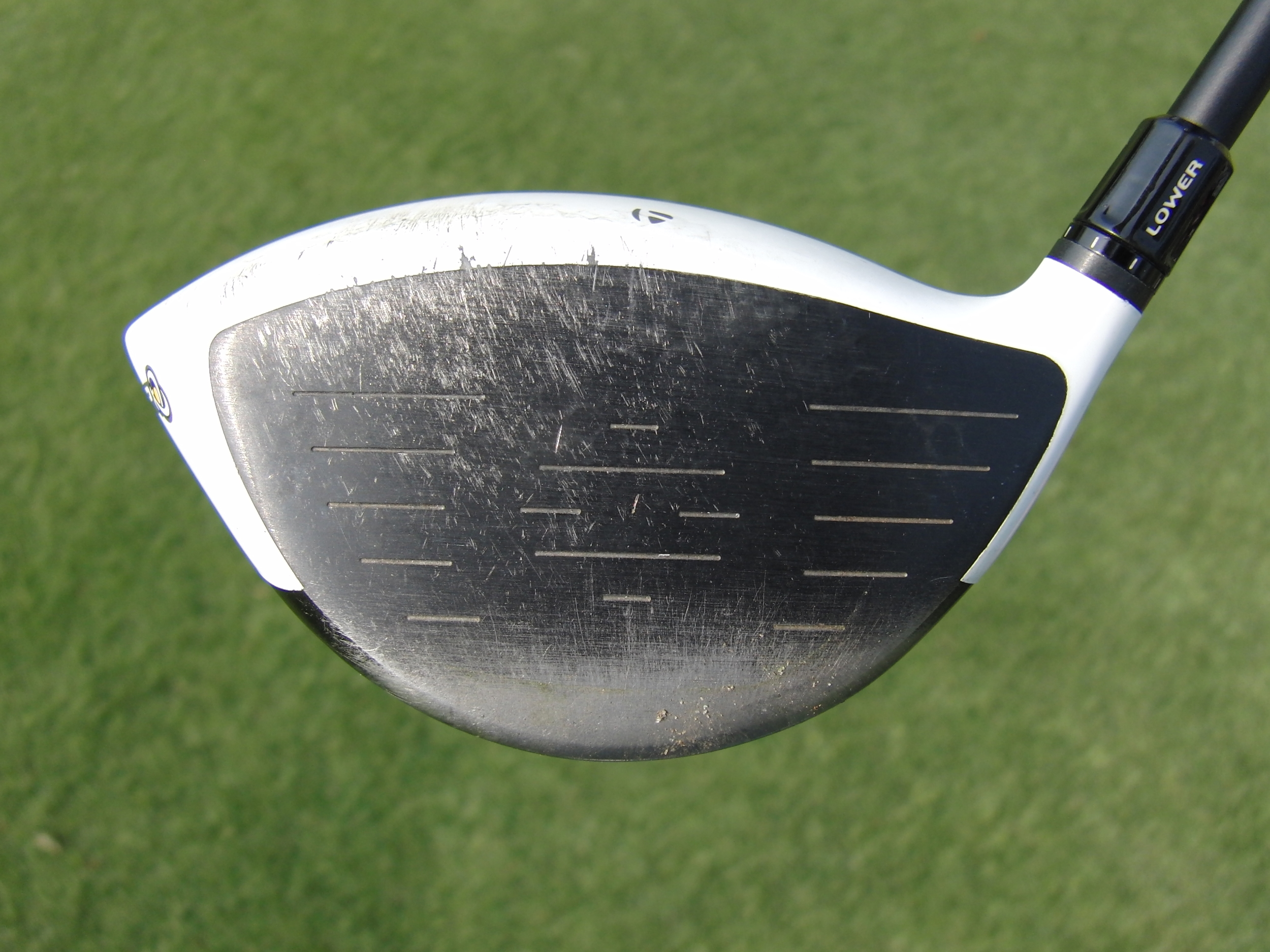
Image Source: images.squarespace-cdn.com
The Inner Workings: How Drivers Break Down
A golf driver seems strong. It is made to hit golf balls with a lot of force. But every time you swing, tiny things happen to the club. These things add up. The face of the driver, the clubhead, and even the shaft take a beating.
Driver Material Breakdown
Golf drivers use many materials. The most common is titanium. Some use carbon fiber. Others mix these materials.
* Titanium: It is light and strong. It lets makers create a big face. This means a bigger sweet spot. But even titanium can get tired. This is called golf club fatigue. It happens from many big hits.
* Carbon Fiber: This material is very light. It helps save weight. Makers can put this weight in other places. This helps the club twist less. But carbon fiber can break if hit hard in the wrong spot. It can also crack from many hits.
* Steel: Some older drivers used steel. Steel is heavy. It is very strong. But it is not as light as titanium. It is less common in new drivers.
Each swing puts a lot of stress on the clubface. The ball hits the face at speeds of over 100 miles per hour. This contact causes tiny dents. It creates micro-fractures. Over time, these tiny issues grow into bigger problems. This makes the club less effective.
What Happens Inside the Club
The face of a driver is very thin. It is made to flex. This flexing helps the ball spring off the face. It gives more ball speed. But this constant flexing stresses the metal. Over time, the metal gets weaker. It loses its spring. This loss of spring is a big reason for driver performance degradation. Your ball does not go as far.
The sweet spot is where the ball gets the most power. If you hit the ball off-center, the face can twist. This twisting adds more stress. It speeds up the wear process. Even if you always hit the sweet spot, the club still wears out.
How long golf drivers last depends on many things. It is not just about time. It is about how much you use it. It is about how fast you swing. It is also about how well you care for it.
The Typical Golf Driver Lifespan
A golf driver does not last forever. Most drivers have a good lifespan. But they do not keep their peak performance for an endless time. Think of it like a car. It runs well for many years. But parts wear out. Its performance goes down.
Generally, a golf driver will perform very well for about 3 to 5 years. This is for someone who plays often. This means a few times a week. It also means hitting many balls at the driving range. After this time, you might start to see issues. The club might not feel the same. The ball might not fly as far.
Factors that Change Lifespan:
- How Often You Play: If you play golf every day, your driver will wear out faster. If you play once a month, it will last longer.
- Swing Speed: People who swing the club very fast put more stress on the driver. This is because the impact force is much higher. A fast swing can make a driver wear out faster.
- Range Use: Hitting balls at the driving range is hard on drivers. Range balls are often harder than real golf balls. They can cause more wear. If you hit 100 balls at the range every week, your driver will age fast.
- Care and Storage: How you treat your driver matters. Leaving it in a hot car can hurt it. Letting it bang against other clubs can cause damage. Cleaning it helps.
- Material Quality: Better made drivers often last longer. But even the best materials have limits.
Does driver lose distance over time? Yes, it can. As the face wears out, it loses its “spring” effect. This is called the Coefficient of Restitution (COR). The COR is how much energy the club face returns to the ball. When a driver is new, its COR is at its peak. As it wears, the COR goes down. A lower COR means less ball speed. Less ball speed means less distance. This is a key part of driver performance degradation.
Signs of Wear: What to Look For
You need to know the driver wear signs. These signs tell you your driver is getting old. They tell you it might be time for a new one. Some signs are easy to see. Some are felt when you swing.
Visible Driver Wear Signs:
- Scratches and Dents: Normal use causes small marks. But deep scratches or dents on the face or sole are bad. They can change how the club works.
- Paint Chips or Fading: The paint on the clubhead can chip. It can fade. This is mostly cosmetic. But it might show the club is used a lot.
- Loose Parts: Check the hosel. This is where the shaft meets the clubhead. Make sure it is not loose. Check the screws if your driver has them. A loose screw can mean a problem.
- Shaft Damage: Look at the shaft. Are there any cracks? Are there any deep scratches? A damaged shaft can break. It can also change how the club feels.
- Grip Wear: The grip wears down fast. It gets smooth. It gets slippery. A new grip makes a big difference. This does not mean the club is worn out. But it is a sign of use.
- Face Marks or Indentations: Look closely at the driver face. You might see a dull area. Or a small dent where you often hit the ball. This is a sign of repeated impact. It means the face is getting weaker.
Performance-Related Driver Wear Signs:
- Loss of Distance: This is a major sign. If your drives go shorter than before, your driver might be wearing out. The face might not be as springy. This is a key part of does driver lose distance over time.
- Loss of Control: Are your shots going left or right more often? Is it harder to hit the ball straight? A worn face can make the ball spin more. Or spin in different ways. This leads to less control.
- Dull Sound or Feel: A new driver often makes a sharp, powerful sound. It feels solid when you hit the ball well. An old, worn driver might sound dull. It might feel dead. This can mean the clubface is losing its life.
- Inconsistent Ball Flight: Even with good swings, your ball flight might be strange. Some shots might fly high. Others might fly low. This can be a sign of a bad face.
- Sweet Spot Shrinks: It might feel like you must hit the ball perfectly to get a good shot. The sweet spot feels smaller. This means the face is not as forgiving anymore.
Cracks and Catastrophic Failure: The Driver Face Crack
One of the most serious driver wear signs is a driver face crack. This is a clear sign your driver is at the end of its life. A crack on the face means the club is broken. It will not perform well. It can even be dangerous.
Why Driver Faces Crack:
- Material Fatigue: As discussed, the constant flexing of the face makes the metal tired. It gets weaker over time. Eventually, it breaks. This is golf club fatigue at its worst.
- Thin Faces: To make drivers faster, makers make the faces very thin. Thin faces spring more. But they are also more likely to crack.
- Off-Center Hits: Hitting the ball far from the sweet spot puts huge stress on the edges of the face. This can speed up cracking.
- Cold Weather: Metal gets brittle in the cold. Hitting golf balls in very cold weather can make a driver face crack faster. The material is less flexible.
- Manufacturing Defects: Sometimes, a driver might have a small flaw from the factory. This flaw can grow into a crack over time.
If you see a crack on your driver face, stop using it. It is unsafe. Its performance will be very bad. You need to replace it right away.
When to Replace Golf Driver: Making the Call
Deciding when to replace golf driver can be tough. It costs money. But a bad driver hurts your game. Here are some times when you should think about getting a new driver.
Key Reasons to Replace:
- Obvious Damage: If you see a driver face crack, a big dent, or a loose head, it is time. The club is broken.
- Major Performance Loss: If your drives are suddenly 10-15 yards shorter, even with good swings, think about a new driver. This is a big sign of driver performance degradation.
- Inconsistent Results: If you hit one good shot and then two bad ones, and you know it is not your swing, the club might be the issue.
- Feel Changes: If the driver feels dull or dead when you hit the ball, it has lost its pop.
- Technology Advances: New drivers come out every year. They often have better technology. They can be more forgiving. They can be faster. If your driver is 5+ years old, new tech might help your game a lot.
- Regular Use: If you play golf often (2-3 times a week) and hit many range balls, a driver might last only 3-4 years. Replace it when you see the signs.
- Personal Goal: Maybe you just want a new driver. If you can afford it, and it makes you happy, go for it!
Thinking About How Long Golf Drivers Last:
| Usage Frequency | Expected Lifespan (Years) | Key Wear Factors |
|---|---|---|
| Casual (1-2 times/month) | 7-10+ | Minimal impact, low fatigue. |
| Regular (1-2 times/week) | 5-7 | Steady fatigue, minor performance drop over time. |
| Frequent (2-3 times/week + range) | 3-5 | High impact stress, faster fatigue, earlier performance loss. |
| High-Speed Swinger | 2-4 | Extreme stress on face, higher risk of cracking. |
This table shows general rules. Your driver’s golf club durability also depends on how well it was made.
Keeping Your Driver Strong: Care and Maintenance
Even if drivers wear out, you can make them last longer. Good care helps slow down driver material breakdown and golf club fatigue.
Tips to Extend Your Driver’s Lifespan:
- Clean It Often: After every round, wipe down your driver. Use a damp cloth. Get rid of dirt, grass, and sand. Dirt on the face can affect spin.
- Dry It Properly: Do not put a wet driver away. Let it air dry. Rust can form on metal parts.
- Use a Headcover: Always use your headcover. It protects the clubhead from bumps. It stops other clubs from scratching it. This is very important when traveling.
- Store It Right: Keep your golf clubs indoors. Avoid storing them in a hot garage or car trunk. Extreme heat can weaken the glue in the club. It can also hurt the shaft. Cold can make the face more likely to crack.
- Check Screws: If your driver has adjustable weights or a changeable hosel, check the screws often. Make sure they are tight. Loose parts add stress.
- Avoid Hitting Hard Objects: Never hit rocks, roots, or other hard things. This can cause instant, major damage.
- Be Mindful of Range Balls: Range balls are often harder. They can speed up wear. If you hit many range balls, mix in some softer, real golf balls if you can. Or just be ready to replace your driver sooner.
Good care helps keep your driver in top shape. It helps keep its golf club durability.
The Role of Modern Driver Design and Durability
New drivers are built with advanced tech. Makers try to make them very strong. They also want them to be very fast. This can be a hard balance.
- Thin Faces: To get more speed, faces are thinner. This boosts performance. But it can reduce golf club durability.
- Multi-Material Construction: Many drivers mix titanium, carbon fiber, and steel. This lets makers put weight in specific spots. It helps with forgiveness. It can also make some parts stronger. But the joins between materials can be weak points.
- Adjustability: Many drivers let you change loft, lie, and weight. These features are great for tuning your club. But the moving parts can get loose. They can add to wear if not tightened right.
Golf club makers test drivers a lot. They try to make them last. But no club is made to last forever. They are made for peak performance. That peak performance has a limit.
In Conclusion: The Lifespan of Your Trusty Driver
A golf driver is a key part of your golf bag. It helps you hit long shots. It is not just a piece of metal. It is a high-performance tool. Like all tools, it has a working life. It can and will wear out.
You now know the driver wear signs. You know about driver face crack and golf club fatigue. You understand driver performance degradation and does driver lose distance over time. You have a better idea of how long golf drivers last and when to replace golf driver.
Pay attention to your driver. Listen to how it feels. Look at it closely. If it shows the signs of age, do not wait. A worn driver can hurt your game. It can also hurt your confidence. Getting a new driver can bring back your best game. It can make golf fun again. Your golf driver has a lifespan. Respect it. Replace it when it is time.
Frequently Asked Questions (FAQ)
Q1: How do I know if my driver has lost distance?
A1: Pay attention to your usual hitting range. If your shots consistently fall shorter by 10-15 yards or more, even when you feel you hit the ball well, your driver might be losing its pop. You can also use launch monitors to check ball speed and carry distance.
Q2: Can hitting range balls damage my driver more than regular golf balls?
A2: Yes. Range balls are often harder and denser than premium golf balls. They cause more stress on the driver face. This can speed up wear and tear, and may shorten your driver’s overall golf club durability.
Q3: Is it possible for a driver to lose its “pop” without showing any visible damage?
A3: Yes, absolutely. This is a common form of driver performance degradation. The internal structure of the face can weaken from repeated impacts. This makes it less springy, even if you cannot see any cracks or dents. This loss of pop directly means does driver lose distance over time.
Q4: How important is the headcover for a driver’s lifespan?
A4: Very important. A headcover protects the driver from scratches, dings, and bumps. These small impacts can weaken the clubhead over time. It also prevents damage from other clubs in your bag, which can lead to early wear and tear.
Q5: Should I replace my driver even if it’s not broken, just because new models are out?
A5: This is a personal choice. If your current driver still performs well for you, there is no urgent need to replace it. However, new models often have small improvements in forgiveness or distance. If your driver is quite old (5+ years), a new one might offer a noticeable gain in performance. If your current driver shows driver wear signs or driver performance degradation, then a new one makes a lot of sense.