
Ever found yourself wrestling with a bolt that just won’t budge, or a pipe that refuses to cooperate? It’s a common frustration for DIYers and seasoned pros alike. The right tool can make all the difference, and when it comes to gripping, turning, and holding, adjustable pliers are often the unsung heroes.
But stepping into the world of adjustable pliers can feel like navigating a maze. So many types, so many features! It’s easy to get overwhelmed, wondering if you’re picking the best one for your task. You want a tool that’s strong, easy to use, and won’t let you down when you need it most.
That’s where we come in. By the end of this post, you’ll understand what makes adjustable pliers so useful and how to spot the features that matter. We’ll break down the confusion so you can confidently choose the perfect pair for your toolbox.
Top Adjustable Pliers Recommendations

- 3-piece set of quick-release groove joint pliers for loosening nuts, gripping pipes, tightening fasteners, and more
- Includes 7-inch, 10-inch, and 12-inch pliers made of drop-forged CR-V steel for long-lasting strength
- Slip-joint design for making adjustments to accommodate different sized items
- PVC rubber dipped handles provide a comfortable, secure grip
- Product dimensions: 14.17 x 4.45 x 2.52 inches (LxWxH)


- Comfort and control: multi-zone, bi-material grips
- Strength and durability: made from drop-forged steel
- Precision machined jaws: for secure gripping and holding
- Common applications include carpentry, electrical, mechanical, plumbing, DIY and MRO
- Includes (1) 8-in Groove Joint Pliers and (1) 10-in Groove Joint Pliers
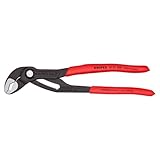
- 25 adjustment positions at the touch of a button directly on the workpiece
- Up to 2" maximum jaw capacity grips variety of shape and sizes for broader application coverage
- Self-locking on pipes and nuts: no slipping on the work piece and low hand force required
- Gripping surfaces with special hardened teeth (61 HRC)
- Box-joint design: high stability because of the double guide, pinch guard prevents operators' fingers from being pinched

- Large version hand tools for better practice
- TIPS: All tools are brand new—protective oil and minor marks may appear due to factory processing, not prior use. For DIY and home use. Not heavy-duty or professional-grade tools
- Drop forged and heat treated carbon steel for strength and durability
- Polished surface for corrosion resistance
- Double plastisol Dipped handles for anti-slip and comfort grip

- Fine adjustment: ensures optimum adjustment to differently sized workpieces and user-friendly handle position
- Self-locking functionality requires minimal hand force and results in zero slippage on nuts and pipes, one-hand adjustment for easy operation
- Equipped with an anti-pinching guard to prevent finger crushing, box-joint design employs a bilateral guide to withstand large loads
- Gripping surfaces fashioned with special induction-hardened teeth for low wear and secure gripping; teeth hardness approximately 61 HRC
- Constructed with oil-hardened and tempered chrome vanadium electric steel for strength and durability

- What You Get - Comes with 8-inch groove joint straight jaw, 10-inch groove joint straight jaw, and 12-inch groove joint straight jaw, provides three different size pliers which will make your work easier, safer, and more efficient
- Built to Last - The high-quality CrNi steel in the manufacture of this tool has been subject to processes that allow it to be extremely hardened to handle even the most demanding of conditions
- Adjustable Tongue & Optimum Grip - The grip of these pliers is incredible. The 1-3/8 - 2-3/8 inch straight jaw allows you to grip any pipes, nuts, or bolts. The best part is the grip doesn't slip even if you put too much pressure on it
- Ergonomic & Comfortable Handle - WORKPRO Water pump pliers are ergonomically designed and easy to hold and grip. The handles are the right size and shape, fitting the hand very well, and it does make quite a difference over a day's work
- Multi-Purpose Application Pliers - Our adjustable pliers make a great addition to any home maintenance or on-the-job toolbox. Perfect for plumbers and DIY homeowners: gripping, pulling, tightening & loosening nuts, bolts, pipe & fittings

- Non-slip plastic coated handles.
- Box-Joint Design is Highly Stable Because of a Double Guide
- Fast Adjustment Directly on the Work Piece, Just Position the Upper Jaw to the Work Piece, Push Button and Move Close the Lower Jaw
- Guard Prevents Fingers Being Pinched
- Gripping surfaces with special hardened teeth, teeth hardness approximately 61 HRC provides low wear and a secure grip.Handle Length:0.5 inch

- 13 adjustment positions at the touch of a button directly on the workpiece
- Up to 1 1/16" maximum jaw capacity grips variety of shape and sizes for broader application coverage
- Self-locking on pipes and nuts: no slipping on the work piece and low hand force required
- Gripping surfaces with special hardened teeth (61 HRC)
- Box-joint design: high stability because of the double guide, pinch guard prevents operators' fingers from being pinched
The Smart Shopper’s Guide to Adjustable Pliers
Adjustable pliers are super handy tools. They help you grip, twist, and turn all sorts of things. Because you can change their size, they work on different nuts and bolts. This guide will help you pick the best pair for your needs.
What to Look For: Key Features
When you shop for adjustable pliers, keep these important features in mind:
Jaw Capacity
This tells you the biggest size nut or bolt the pliers can hold. A wider jaw capacity means you can tackle more jobs. Think about what you’ll be using them for. Small jobs? Big jobs? Get pliers that fit your projects.
Jaw Design
The teeth inside the jaws matter. Sharp, deep teeth grip better. Some pliers have curved jaws, which are great for round things like pipes. Others have flat jaws for nuts and bolts. Look for jaws that seem strong and well-made.
Adjustment Mechanism
How easy is it to change the size? Most adjustable pliers have a screw or a push button. A smooth-moving mechanism makes your life easier. You don’t want a sticky or wobbly adjuster.
Handle Comfort
You’ll be holding these pliers, so comfort is key. Padded handles feel good in your hand. They also help prevent blisters. Some handles are made of rubber or have a non-slip grip. This helps you hold on tight.
Locking Feature
Some pliers can lock onto a fastener. This is super helpful for tough jobs. It keeps the pliers from slipping. It also frees up your other hand.
What They’re Made Of: Important Materials
The materials used to make adjustable pliers affect their strength and how long they last.
- Steel: Most good adjustable pliers are made of high-quality steel. This makes them strong and durable. Look for terms like “hardened steel” or “chrome vanadium steel.” These are signs of good quality.
- Handles: Handles can be made of different things. Plastic is common, but it can be slippery. Rubber or PVC coatings offer better grip and comfort.
What Makes Them Great (or Not So Great)
Not all adjustable pliers are created equal. Here’s what can make a difference:
Quality Boosters
- Strong, hardened steel
- Precise adjustment mechanism
- Comfortable, non-slip handles
- Well-machined teeth in the jaws
- A secure locking feature
Quality Reducers
- Cheap, flimsy metal that bends easily
- Stiff or loose adjustment
- Hard, slippery handles
- Poorly cut or shallow teeth
- No locking feature when needed
Good pliers feel solid in your hand. They adjust smoothly. They grip tightly. Cheap ones might feel light and loose. They might slip off when you use them.
Using Your Pliers: User Experience and Use Cases
Adjustable pliers are useful for so many things!
Common Uses
- Tightening and loosening nuts and bolts
- Gripping pipes and fittings
- Holding small parts while you work
- Turning or bending wire
- Plumbing repairs
- General DIY projects
Imagine you need to fix a leaky faucet. Adjustable pliers are your best friend. You can use them to grip the nut holding the pipe. Or maybe you’re assembling furniture. You can use them to tighten bolts. They are a must-have for any toolbox.
Frequently Asked Questions (FAQ) about Adjustable Pliers
Q: What are the main Key Features to look for in adjustable pliers?
A: The main Key Features are jaw capacity (how big of a fastener they can hold), jaw design (the shape and sharpness of the teeth), the adjustment mechanism (how easy it is to change the size), handle comfort, and whether they have a locking feature.
Q: What are the best materials for adjustable pliers?
A: High-quality steel, especially hardened or chrome vanadium steel, is the best material for the jaws and body. For handles, rubber or PVC coatings offer good comfort and grip.
Q: How can I tell if adjustable pliers are good quality?
A: Good quality pliers will feel solid and well-made. The steel will be strong, the adjustment will be smooth, the teeth will be sharp and deep, and the handles will be comfortable. Cheap pliers often feel light and have loose parts.
Q: What are some common uses for adjustable pliers?
A: Common uses include tightening and loosening nuts and bolts, gripping pipes, holding small parts, and general DIY repairs. They are very versatile.
Q: Are adjustable pliers good for plumbing?
A: Yes, adjustable pliers, often called channel locks or water pump pliers, are excellent for plumbing tasks like gripping pipes and fittings.
Q: How do I adjust the size of adjustable pliers?
A: Most adjustable pliers have a screw at the pivot point that you turn to open or close the jaws. Some newer models have a push-button release for easier adjustment.
Q: Will adjustable pliers work on square nuts?
A: While they are best for round or hexagonal shapes, some adjustable pliers with aggressive teeth can grip square nuts, but it might not be as secure as with a wrench.
Q: How often should I clean my adjustable pliers?
A: It’s a good idea to wipe them down after use, especially if they got dirty or wet. A light oiling now and then can prevent rust and keep the mechanism working smoothly.
Q: Can adjustable pliers replace a wrench set?
A: Adjustable pliers can replace some wrenches for certain jobs, but a full wrench set offers a more precise fit and better grip for specific sizes, which can prevent damage to fasteners.
Q: What is the difference between adjustable pliers and locking pliers?
A: Adjustable pliers allow you to change the jaw size freely. Locking pliers (like Vise-Grips) can be locked onto a fastener at a specific size, providing a very strong grip that stays put until you release them.