
So, how much are golf balls worth? The simple answer is: it depends a lot! A brand new, top-of-the-line golf ball can cost $4 or even $5 each. But a used ball you find in the woods might be worth less than 50 cents. The price changes based on if it’s new or used, the brand name, and its condition. We will look at what makes golf balls cost what they do. We will cover everything from shiny new ones to old, used ones you find or want to sell.
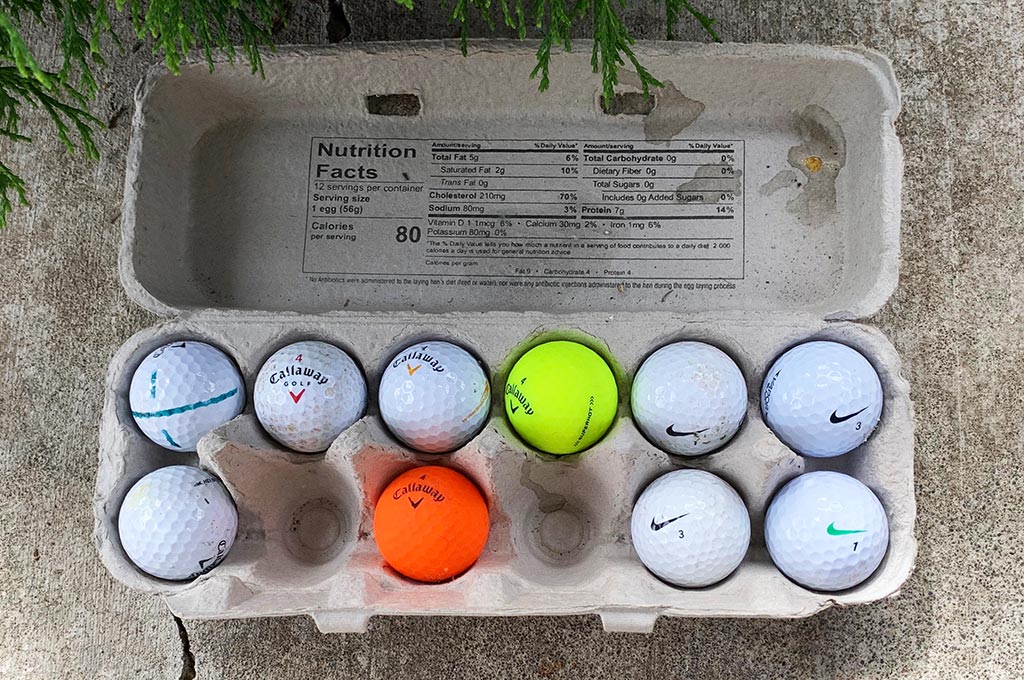
Image Source: tigardlife.com
The Price of New Golf Balls
When you buy golf balls fresh from the store, their price changes a lot. It depends on who made them and what they are made for. Golf balls are not all the same inside or outside. Some balls are built to fly very far. Some are made to help you spin the ball more around the green. Others feel softer when you hit them.
Top golf brands like Titleist, Callaway, TaylorMade, Bridgestone, and Srixon make many different types of balls. They spend lots of money making their balls better and better. This research and new tech makes some balls cost more.
What Makes New Balls Cost More?
Several things push the price up for a new golf ball:
- The Brand: Well-known brands that pro players use often cost the most. People trust these brands.
- The Technology: Balls with many layers (more than two), special covers, or unique cores usually cost more. These parts help the ball perform better in specific ways.
- Intended Performance: Balls designed for top players who want total control and spin cost the most. Balls made just to go straight or far for newer players usually cost less.
- Packaging: Balls are usually sold in sleeves of three or boxes of twelve. Buying a dozen is cheaper per ball than buying single sleeves.
Price Ranges for New Golf Balls
You can find new golf balls at many different price points.
- Premium Balls: These are the most expensive ones. They have the newest tech. They are made for players who want great feel and control. Prices can be $45 to $60 or more for a dozen. That’s about $3.75 to $5 each. Examples: Titleist Pro V1/Pro V1x, Callaway Chrome Soft, TaylorMade TP5/TP5x.
- Mid-Range Balls: These balls balance price and performance. They offer good distance and feel for most players. Prices are often $25 to $40 a dozen. That’s about $2 to $3.30 each. Examples: Titleist Tour Soft, Callaway ERC Soft, Srixon Z-Star (sometimes in this range), Bridgestone Tour B RXS/RX.
- Value/Budget Balls: These are the cheapest new balls. They focus mostly on distance and being strong. They are good for beginners or players who lose many balls. Prices are usually $15 to $25 a dozen. That’s about $1.25 to $2 each. Examples: Top Flite, Maxfli, Callaway Warbird, Titleist Velocity.
Here is a simple look at new golf ball prices:
h5 Table: Example New Ball Prices
| Ball Type | Price per Dozen | Price per Ball (Approx) | Who It’s For |
|---|---|---|---|
| Premium | $45 – $60+ | $3.75 – $5+ | Skilled players needing control |
| Mid-Range | $25 – $40 | $2.00 – $3.30 | Average players wanting balance |
| Value/Budget | $15 – $25 | $1.25 – $2.00 | Beginners, high handicaps, casual |
These prices are just examples. Prices can change based on sales, where you buy them, and new models coming out.
Stepping into the World of Used Golf Balls
Now, let’s talk about used golf balls. Most golf balls hit during a round are not lost. They are just played. But some end up off the path, in the trees, or in the water. These become the source of used golf balls for sale. People who find them, often in large numbers, can clean them up and sell them. This creates a big market.
Buying used golf balls is a great way to save money. Many used balls were only hit once or twice. They might have a small mark, but they can still play almost like new. This is where the idea of used golf ball prices comes in. The market value for golf balls that are pre-owned is much lower than for new ones. This lower resale value golf balls offer makes them popular.
Why Used Balls are a Smart Buy for Many
- Save Money: This is the main reason. You can get premium balls at a much lower cost.
- Practice: Used balls are great for practice rounds or hitting balls in your yard. You don’t worry as much about losing them.
- Eco-Friendly: Reusing golf balls keeps them out of landfills.
- Performance: High-grade used balls perform very close to new ones.
However, buying used means you need to check the condition. You need to know what you are getting. This leads us to how used balls are judged.
Interpreting Golf Ball Conditions: The Grading System
When you buy used golf balls, sellers usually tell you their condition. This condition is shown using a grading system. This system helps you know what marks or wear you might find on the ball. It is like a golf ball grading guide. Different sellers might use slightly different names for grades, but the idea is the same. The better the grade, the better the ball looks and the higher its used golf ball prices will be.
Here are common grades you will see:
- Mint (or AAAAA): These balls look almost brand new. They might have a small logo or player mark. There are no cuts, scuffs, or wear spots. The color is bright. These have the highest resale value golf balls in the used market.
- Near Mint (or AAAA): These balls are in great shape. They might have very minor marks or light scuffs. They could have small logos or player marks. No cuts or serious damage. They still look very good and perform like new.
- Good (or AAA): These balls have some clear marks. They might have scuffs, stains, or pen marks. There are no cuts that would affect how the ball flies. These are good for practice or casual play. They cost less than Mint or Near Mint.
- Fair (or AA): These balls show a lot of wear. They have big scuffs, stains, or marks. They might look a bit dull. They are often used for practice ranges or just hitting balls around. Their performance might be slightly changed by the marks.
- Poor (or A) or Practice Grade: These balls have serious marks, deep scuffs, or are discolored. Sometimes they are old range balls. They are very cheap. Their flight or feel might be different.
h5 Table: Golf Ball Grading Explained
| Grade | Look / Condition | Common Use | Value (Compared to New) |
|---|---|---|---|
| Mint (AAAAA) | Like new, maybe small logo/mark. No scuffs/cuts. | Play, like new balls | High |
| Near Mint (AAAA) | Very good. Minor marks/scuffs. No cuts. | Play, practice | High/Medium |
| Good (AAA) | Visible scuffs/stains/marks. No cuts affecting flight. | Practice, casual play | Medium/Low |
| Fair (AA) | Large scuffs, stains, marks. May look worn. | Range, backyard | Low |
| Poor (A)/Practice | Heavy wear, deep scuffs, discoloration. | Range, backyard | Very Low |
The grade is the most important thing for used golf ball prices. A premium ball like a Pro V1 that is Mint will cost much more than a Pro V1 that is only Fair grade.
How Much Are Used Golf Balls Really Worth?
Okay, so we know there are different grades. Now, how do those grades turn into prices? The market value for golf balls that are used depends on two main things:
- The original ball type/brand: Was it a premium ball, mid-range, or value ball when new?
- The condition grade: Is it Mint, Near Mint, Good, or Fair?
A used premium ball in Mint condition can sell for half the price of a new one, sometimes more. A used value ball in Fair condition will be very cheap, maybe just cents per ball.
Here are some general price ranges for resale value golf balls, based on type and grade. Remember, these are just estimates. Prices can change based on the seller, the number of balls you buy, and how popular the ball is.
h5 Table: Estimated Used Golf Ball Prices
| Original Ball Type | Grade | Price per Ball (Approx) | Price per Dozen (Approx) | Notes |
|---|---|---|---|---|
| Premium (Pro V1, | Mint (AAAAA) | $2.00 – $3.50 | $24.00 – $42.00 | Best used quality, close to new price |
| Chrome Soft, etc.) | Near Mint (AAAA) | $1.50 – $2.50 | $18.00 – $30.00 | Very good value, slight wear |
| Good (AAA) | $0.75 – $1.50 | $9.00 – $18.00 | Playable with visible marks | |
| Fair (AA) | $0.25 – $0.75 | $3.00 – $9.00 | Okay for practice, lots of marks | |
| Mid-Range (Tour | Mint (AAAAA) | $1.50 – $2.50 | $18.00 – $30.00 | Good condition, good saving |
| Soft, Z-Star, etc.) | Near Mint (AAAA) | $1.00 – $2.00 | $12.00 – $24.00 | Popular choice for value |
| Good (AAA) | $0.50 – $1.00 | $6.00 – $12.00 | Everyday practice | |
| Fair (AA) | $0.20 – $0.50 | $2.40 – $6.00 | Very affordable practice | |
| Value/Budget | Mint (AAAAA) | $0.75 – $1.50 | $9.00 – $18.00 | Best condition for budget balls |
| (Top Flite, etc.) | Near Mint (AAAA) | $0.50 – $1.00 | $6.00 – $12.00 | Most commonly found in good used lots |
| Good (AAA) | $0.25 – $0.75 | $3.00 – $9.00 | Low cost practice | |
| Fair (AA) | $0.10 – $0.30 | $1.20 – $3.60 | Very cheap, very worn |
These prices are often for buying in bulk, like buying 12, 24, 48, or even more at once. Buying a single used ball is not common.
The Value Found Off the Fairway: Lost & Found Balls
Many used golf balls come from water hazards, woods, and rough areas on golf courses. People who make a living finding these balls are sometimes called “golf ball divers” or “pickers.” They gather tens of thousands of balls.
The value of lost golf balls for the person finding them depends on how many they find and the quality. They sell these balls in bulk to companies that clean and sort them. These companies then sell them to golfers.
If you find a few balls yourself on a course, their value to you might just be that you can use them instead of buying new ones. You saved some money! The resale value golf balls you find yourself depends on their condition and if you can gather enough to sell. Most people don’t find enough on their own to sell for much money.
Grasping Collectible Golf Ball Value
Not all golf balls are meant to be hit. Some are worth money because they are old, rare, or have a special history. This is the world of collectible golf ball value. These balls are not about how they play today. They are about their past.
- What are old golf balls worth? This depends a lot on how old and what kind of old. Early golf balls were made from different materials than today.
- Featherie balls: Used from the 17th century to the mid-1800s. Made from leather stuffed with wet feathers. They dried hard. These are very rare and can be worth thousands of dollars. They are truly antique golf ball price items.
- Gutta Percha balls (Guttie): Used from the 1840s to the early 1900s. Made from a rubbery tree sap. Early ones were smooth. Later ones had patterns hammered or molded onto them (like the “bramble” pattern). These are less rare than Featheries but can still be worth hundreds or even thousands, depending on their age, condition, and markings.
- Haskell balls: The first modern-style ball with a rubber core wound with string, invented around 1899. Early versions of these are also collectible, though usually less expensive than Featheries or Guttie balls.
Factors for Collectible Value
What makes an old or special golf ball worth money to collectors?
- Age: The older, generally the better. Balls from before 1900 are more likely to be highly collectible.
- Type: Featheries and early Guttie balls (especially smooth ones or rare patterns) are very valuable.
- Condition: Like used balls, condition matters. A ball that is intact and looks good for its age is worth more.
- Markings: Old balls often had names or symbols from makers or owners. Rare or clear markings can add value.
- History: Did a famous player use it? Was it from a major old tournament? A known history can make a ball very valuable.
- Rarity: How many of these balls still exist? If only a few are known, the value goes up.
Everyday “old” golf balls you find from the 1980s or 1990s are usually not collectible. They are just old used balls. Their value is based on their condition for hitting, not for collecting. The antique golf ball price only applies to very old, historically important balls.
Fathoming How to Sell Golf Balls
Maybe you have a pile of used golf balls. Maybe you found some special old ones. You might wonder, how to sell golf balls? There are a few ways, depending on the type of ball you have.
Selling Used Golf Balls (Modern)
If you have modern used balls (like from the last 20-30 years), you are selling them based on their condition for playing. Where to sell used golf balls? Here are options:
-
Online Marketplaces: Websites like eBay are common places. You can list balls individually, in small lots (like a dozen), or in bigger boxes. You need to:
- Clean the balls well.
- Sort them by brand and model.
- Grade them carefully using a golf ball grading guide. Be honest about the condition.
- Take clear pictures showing the condition.
- Write a good description mentioning the brand, model, and grade.
- Price them based on their grade and the going used golf ball prices online.
- Think about shipping costs.
-
Specialized Used Ball Buyers: There are companies that buy used golf balls in bulk. You usually mail them your balls. They sort and grade them. Then they pay you based on what you sent. This is easier than selling one by one, but you often get less money per ball. This is a good option if you have many balls.
-
Local Options: Some golf course pro shops or driving ranges might buy used balls, but this is not very common anymore. They usually work with bigger used ball companies. Asking your local course doesn’t hurt, but don’t expect much.
Remember, the resale value golf balls have depends heavily on the grade. Be fair in your grading when you sell.
Selling Collectible or Antique Golf Balls
If you think you have a very old or special golf ball, treat it differently. What are old golf balls worth if they are truly antique? Maybe a lot! Where to sell used golf balls that are collectible?
- Auction Houses: For truly rare and valuable balls (like Featheries or early Guttie balls), working with an auction house that deals in sports items or historical golf items is best. They know how to find buyers who will pay the antique golf ball price.
- Collectible Dealers: There are dealers who specialize in golf history items. They can tell you the collectible golf ball value of your ball and might buy it from you.
- Online Collector Sites/Forums: For less rare but still collectible items, online golf collector communities or specific online marketplaces for collectibles can work. Again, clear pictures and knowing the ball’s history are key.
Do not try to clean or fix an antique ball unless you know how it should be done by experts. You could lower its value.
More Things That Change Golf Ball Value
We have talked about new vs. used, condition, and age. But a few other things can change how much a golf ball is worth.
- Color: Most golf balls are white. But colors like yellow, orange, or pink are popular too. For used balls, white ones might show marks or stains more clearly. Colored balls can sometimes hide minor marks better, which might make them seem like a higher grade at first look. Some players simply prefer colored balls, which can slightly affect market value for golf balls in certain colors based on demand.
- Logos and Markings:
- Corporate/Event Logos: Balls with company logos or golf event names (like a club championship) usually have lower resale value golf balls than those without marks. Most players want clean balls.
- Player Marks: Small pen marks made by players to identify their ball don’t usually hurt the value much, especially on used balls where some marks are expected.
- Practice/X-Out: Balls marked “Practice” or with “X-Out” stamps are often slightly imperfect balls from the factory. They perform fine for practice but have a lower value than balls without these marks. Range balls are also marked and have very low value.
- Packaging: For new balls, the box matters. For collectible balls, original packaging (if it exists, which is rare for very old balls) would add great value. For modern used balls, packaging (like mesh bags) doesn’t add value; it’s just how they are sold.
- How Many You Buy/Sell: Used golf ball prices per ball are lower when you buy or sell in bulk (like 100 or more). The price per ball is higher if you buy or sell just one dozen.
Making Smart Choices: Buying and Selling
Whether you are buying golf balls to play or selling ones you have found, knowing their value helps you make good choices.
-
Buying:
- For Play: Decide what quality you need. Are you a top player needing premium performance? Or do you lose many balls and just need something to hit? Look at used golf ball prices for different grades and ball types. Buying Mint or Near Mint premium balls used can save you a lot compared to new. Buying Good or Fair balls is best for practice.
- For Collecting: Learn about golf history. Work with trusted dealers or auction houses. The collectible golf ball value market has fakes. Be careful.
-
Selling:
- Used (Modern): Be realistic about the resale value golf balls you have. Clean and grade them honestly. Take good pictures. Look at what similar balls are selling for online (check used golf ball prices on sites like eBay for completed sales). Selling in bulk is easier but pays less per ball.
- Old/Collectible: Get help from experts if you think a ball is truly old or rare. An expert can tell you its antique golf ball price or collectible golf ball value.
The market value for golf balls is always changing a little based on new models, demand, and the number of used balls available.
Wrapping Up Golf Ball Value
The value of a golf ball is not just one number. It changes a lot based on if it’s new or used, what condition a used ball is in (using a golf ball grading guide), its brand, and if it is a rare old ball with collectible golf ball value.
New balls have set prices based on their design and who made them. Used golf ball prices are much lower and change mainly based on how worn or marked the ball is. Finding lost balls can give you free balls to play, but selling them requires finding many and knowing how to sell golf balls in bulk. Truly old balls can have a high antique golf ball price for collectors, separate from how a golfer would use them today.
Knowing these things helps you decide what to pay when buying balls and what to ask if you decide to sell them. It’s a simple item, but its value story has many sides!
Frequently Asked Questions (FAQ)
h4 Can I Sell Any Used Golf Ball?
Yes, you can try to sell almost any used golf ball. However, whether someone will buy it depends on its condition and type. Balls that are very cut, cracked, or heavily stained have very little resale value golf balls can offer. Most buyers want balls that are at least in Fair (AA) condition or better for practice, or Good (AAA) and above for playing rounds.
h4 Are Golf Balls Found in Water Worth Less?
Some people believe balls found in water play differently due to soaking. While extensive studies show modern, solid-core balls are less affected than older types, prolonged submersion can potentially affect a ball’s layers or core over time. However, most used golf ball companies clean and grade balls based on visible condition, not where they were found. So, a Mint ball found in water might be graded and sold the same as a Mint ball found in the rough. The value of lost golf balls comes from their final graded condition.
h4 What Does “Refurbished” Golf Ball Mean?
Refurbished golf balls are used balls that have been cleaned and then repainted or re-covered to look new. They often have a shiny, like-new finish. However, this process can change the ball’s original feel and performance slightly. They are different from “recycled” or “retrieved” balls, which are just cleaned and sorted by grade. Refurbished balls generally have a lower market value for golf balls than equally-graded recycled balls of the same model because their original cover and finish are altered.
h4 Do Practice Balls or Range Balls Have Value?
Balls marked “Practice” or those used at driving ranges (often marked with stripes or names like “Range”) have very low value. “Practice” balls are usually factory rejects with minor flaws. Range balls are made to be durable, not perform like premium balls, and they get very worn down at the range. Their used golf ball prices are minimal, maybe a few cents per ball, and they are only good for practice, not play on the course.
h4 How Do I Know If an Old Golf Ball is Collectible?
Look for very old styles like smooth or bramble pattern balls (Gutta Percha), or balls made from leather (Featherie). Check for old, unclear markings or names that you don’t recognize from modern brands. If it looks very different from a ball made in the last 100 years, it might be collectible. For their true collectible golf ball value or antique golf ball price, you should ask an expert in golf history or golf collectibles. Regular used balls from recent decades are not usually considered collectible.