
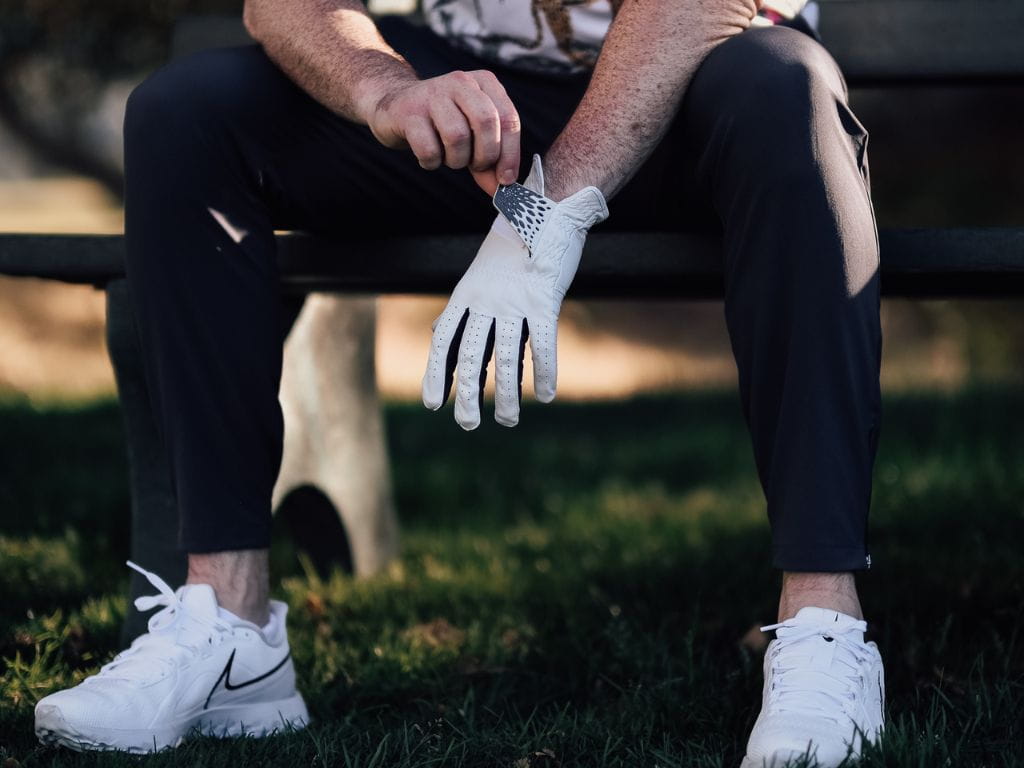
Image Source: invictusgloves.com
Master Grip: Why Wear Golf Glove On Left Hand Guide
So, why do golfers wear a glove on their left hand? For right-handed players, the golf glove hand is the left hand. This is because the left hand is usually the lead hand in the grip and plays a key role in controlling the club. Wearing one golf glove helps improve grip, manage sweat, prevent painful blisters, and get a more consistent swing. Left-handed golfers, naturally, wear the glove on their right hand for the same reasons. The purpose of a golf glove is primarily to create a stable connection between the golfer and the club.
Grasping the Core Idea: Why One Glove?
Many new golfers ask, “Why only one golf glove?” You might think wearing two gloves would be better. But golf grip uses one hand more than the other for control and feel. For right-handed players, the left hand sits at the top of the grip (or higher up depending on the grip style) and is crucial for stability and preventing the club from twisting. This hand needs that extra grip and protection. The trailing hand, the right hand for a righty, is often more about feel and guiding the clubhead. Covering it with a glove can sometimes lessen that feel. So, one glove is usually enough and helps keep feel in the other hand.
The Main Job: Grip Strength and Stability
One of the biggest reasons golfers wear a glove on their lead hand is for better grip. A good grip is the foundation of a good golf swing.
Keeping a Firm Hold
When you swing a golf club very fast, you need to keep a strong hold on it. Hands can get sweaty. If your hands sweat, the club can slip. This makes your swing weak and can cause bad shots. A golf glove, often made of leather or synthetic materials, helps soak up sweat. It gives you a much better grip on the handle of the club, even when your hands are wet. This firm hold means you can swing with more power and trust that the club will stay put.
Reducing Unwanted Movement
With a solid grip from the glove, the club is less likely to move or twist in your hand during the swing. This stability is super important. It lets you control the club face better through impact. A steady club face at impact means the ball goes where you want it to go. This improve golf grip pressure, allowing you to hold the club firmly without squeezing too hard. Squeezing too hard adds tension, which is bad for a swing. The glove lets you hold the club with less pressure but more security.
Golf Glove Grip Benefits Explained
Wearing a glove on your lead hand gives you many grip benefits:
- More Traction: The material of the glove gives you a sticky surface to hold the club.
- Less Slipping: Sweat and rain become less of a problem.
- Consistent Hold: Every time you grip the club, the feel is the same, no matter the weather or how sweaty your hands are.
- Controlled Pressure: You can hold the club less tightly but still have control, leading to a smoother swing.
These benefits all work together to give you a master grip, which is key to hitting good golf shots often.
Staying Comfortable: Preventing Blisters
Swinging a golf club over and over puts a lot of rubbing on your hands. The club handle moves slightly in your grip during the swing. This rubbing can cause hot spots, soreness, and eventually, painful blisters.
Friction is the Enemy
Friction happens when two surfaces rub against each other. In golf, the club handle rubs against your skin. This rubbing makes heat. Too much heat and rubbing damages the skin, creating blisters. Blisters hurt! They make holding the club hard and can ruin your round or even stop you from playing.
How the Glove Helps
A golf glove acts like a barrier. It sits between your hand and the club handle. The rubbing now happens mostly between the glove and the handle, not your skin and the handle. The glove takes the wear and tear. This greatly reduces the friction on your skin. Wearing a glove on the golfer wearing glove hand (the lead hand) protects the part of the hand that gets the most rubbing from the grip. This protection is key for preventing blisters golf players often get without a glove.
Protecting Your Hands
Besides preventing blisters, the glove also helps protect your hands in other ways. It can prevent calluses from getting too rough. It can shield your hand from the sun if you play on sunny days. Overall, it helps keep your lead hand healthy and ready to play round after round. For many golfers, especially those who play a lot, the glove is essential hand protection.
Managing Moisture: Dealing with Sweat and Rain
Sweaty hands are a golfer’s enemy. Rain is even worse. Moisture on your hands or the grip makes the club slick.
The Problem of Sweat
When you swing hard or play in hot weather, your hands sweat. This is normal. But sweat on your palms and fingers makes your grip slippery. A slippery grip means you lose control of the club. You might squeeze harder to stop it from slipping, which adds tension and hurts your swing. Or, the club might actually slip at impact, leading to a terrible shot.
How the Glove Soaks It Up
Most golf gloves are made from materials like cabretta leather (a type of sheepskin), synthetic leather, or a mix of both. These materials can absorb moisture. The glove soaks up the sweat from your hand. This keeps your palm and fingers dry. With a dry hand inside the glove, you can keep a firm, reliable grip on the club, even when you are sweating a lot.
Playing in Wet Weather
While golf is often played in nice weather, sometimes you play in rain. Rain makes the club grip wet. If your hands get wet too, holding the club becomes very hard. Wearing a golf glove helps here too. It gives you a better grip surface than wet skin on a wet grip. Some gloves are even made specifically for rain, using special materials that get tackier when wet. Even a standard glove is better than nothing in light rain. This moisture management is a key part of the purpose of a golf glove.
Feeling the Connection: Grip Pressure and Feel
We talked about grip stability, but the glove also helps with how much pressure you use to hold the club and the feel you get.
Finding the Right Pressure
Holding the club too tightly is a common mistake. It adds tension up your arms and shoulders, which slows down your swing and hurts your timing. It’s like trying to swing a wet noodle. You want to hold the club firmly, but relaxed, like holding a tube of toothpaste you don’t want to squeeze out. A golf glove helps you achieve this. Because the glove gives you extra traction, you don’t need to squeeze as hard to feel secure. This helps improve golf grip pressure, keeping it light but firm.
Maintaining Feel
While the lead hand is about control, golfers also need some feel for the clubhead. Too much material can block this feel. This is another reason why only one golf glove is often worn. The gloved hand provides the necessary stability and protection. The other hand (the right hand for a righty) is left bare. This allows the bare hand to have more direct feel for the club and the swing. It’s a balance between grip security on one hand and feel on the other. The golf glove hand for right handed players provides the structure, while the bare hand provides the finesse.
Consistent Feel, Consistent Swing
Having a consistent feel for the club helps you make the same swing motion again and again. The glove helps with this because it provides the same grip surface every time you play. Whether your hands are dry or a little sweaty, the glove feels similar. This consistency in feel translates to a more consistent swing path and clubface position, leading to more predictable shots.
The Other Side: Golf Glove for Left Handed Golfer
Everything we’ve discussed applies to left-handed golfers too, but on the opposite hand. A left-handed golfer swings with their right hand as the lead hand on the grip (higher up the shaft).
Mirror Image
Just like a righty needs extra grip and protection on their left hand, a lefty needs it on their right hand. The right hand for a left-handed golfer is the one that needs to prevent slipping, avoid blisters, and provide a stable connection to the club. So, a golf glove for left handed golfer is worn on the right hand.
Same Reasons, Different Hand
The reasons are exactly the same:
* Better grip security with the lead hand.
* Protection against blisters and rubbing.
* Moisture management for sweaty or wet hands.
* Ability to hold the club with proper, lighter pressure.
* More consistent feel and swing.
Whether you are a righty or a lefty, the principle is the same: cover the hand that sits higher on the grip (the lead hand) to gain these important benefits. This covers which hand for golf glove depending on your dominant side for golf.
Deciphering Glove Materials
Not all golf gloves are the same. They come in different materials, and the material affects feel, durability, and performance.
Leather Gloves
- Cabretta Leather: This is the most common and often highest quality material. It comes from sheepskin.
- Pros: Very soft feel, fits like a second skin, offers excellent grip and feel.
- Cons: Can wear out faster than synthetic gloves, less effective when soaking wet, needs care.
- Other Leathers: Sometimes other types of leather are used, often for durability or cost.
Synthetic Gloves
- Made from man-made materials, like synthetic leather or blends.
- Pros: More durable than cabretta leather, often cheaper, can be designed for specific conditions (like rain).
- Cons: May not offer the same soft feel or direct connection as high-quality leather.
Combination Gloves
- Use a mix of materials. Often leather in the palm and fingers for feel, and synthetic material on the back for flexibility and durability.
- Pros: Combines benefits of both materials.
- Cons: Quality can vary.
Choosing the right material depends on your feel preference, how often you play, and your budget. The material directly impacts the golf glove grip benefits you get.
When to Wear It (And When Not To)
Most golfers wear their glove for most full swings with woods and irons. This is when grip stability and protection are most important due to the speed of the swing.
Full Swings
With drivers, fairway woods, hybrids, and irons, the forces on your grip are highest. Wearing the glove on your golf glove hand for right handed players (left hand) is standard practice here. It provides the needed security for these powerful shots.
Chipping and Pitching
Some golfers take their glove off for shorter shots around the green, like chips and pitches. These shots require more feel and control, and less raw power. Taking the glove off can give you a more direct connection to the club and the shot. However, this is a personal choice. Some players prefer the consistency of keeping the glove on for all shots.
Putting
Almost all golfers take their glove off for putting. Putting is all about feel and a light touch. The glove adds a layer between your hand and the putter grip that can take away from this sensitive feel. Most pros and amateurs alike remove the glove for putting.
This highlights the idea of wearing one golf glove – it’s there for the parts of the game where grip security is paramount, and removed when feel becomes the priority.
Maintaining Your Glove: Keeping It Effective
A golf glove does a lot of work. It gets sweaty and stretched. Taking care of your glove makes it last longer and keep giving you good grip benefits.
Drying It Properly
Never stuff a wet or sweaty glove back into your golf bag. This is the fastest way to ruin it. Sweat has salts that can stiffen and crack the leather. Always let your glove air dry flat after a round. Lay it out on a counter or hang it up. Don’t dry it in direct sunlight or with heat (like a heater), as this can also damage the material.
Storing It Right
Once dry, store your glove flat. Many gloves come with a flat packaging insert you can use. Or, you can lay it flat in a side pocket of your bag. Avoid folding it tightly, as this can create creases and make it stiff.
Cleaning (Carefully)
Most leather gloves should not be washed, as water can damage them. Some synthetic gloves can be gently hand-washed with mild soap and cold water, then air dried flat. Check the glove’s label for specific cleaning instructions. Proper care helps keep the glove supple and the grip tacky.
Knowing When to Replace It
Even with good care, gloves wear out. You’ll notice the grip isn’t as good, the leather feels stiff or has cracks, or there are holes, especially in the palm or fingertips. A worn-out glove doesn’t give you the grip benefits you need and can actually make your hands more likely to blister. Replace your glove when it starts showing signs of significant wear.
Comparing Gloves: Features to Look For
When choosing a glove for your golfer wearing glove hand, consider these features:
Material
As discussed, leather gives feel, synthetic gives durability. Think about what is most important to you.
Fit
A golf glove should fit snugly, like a second skin, but not be too tight or have loose areas. Fingers should go to the end without extra room. The glove should feel comfortable and not restrict movement. A bad fit can actually hurt your grip and cause blisters. Try gloves on before buying if possible.
Breathability
Some gloves have special materials or perforations (small holes) on the back or between fingers to help air flow. This keeps your hand cooler and less sweaty, which adds to the grip benefits.
Closure
Most gloves use a velcro-like tab to close around the wrist. Make sure the tab is strong and closes securely.
Special Features
Some gloves offer extra padding, reinforced palms, or special materials for rain or cold weather.
Choosing the right glove enhances the purpose of a golf glove for your game. Remember which hand for golf glove applies to your swing – left for righties, right for lefties.
The Mental Edge: Confidence from a Good Grip
Beyond the physical benefits, wearing a glove on your lead hand can give you a mental boost. Knowing you have a secure, non-slip grip frees your mind to focus on the shot, not on whether the club might twist or slip.
Trusting Your Connection
When you step up to the ball, you want to feel confident about your setup. The grip is a major part of that. With a reliable glove, you trust the connection between your hands and the club. This trust allows you to swing freely and with commitment.
Focusing on the Swing
Instead of worrying about grip pressure or slipping, you can think about your swing mechanics, target, and shot shape. This focus helps you make better decisions and execute your swing more effectively. A secure golf glove grip benefits your entire mental approach to the game.
Consistency Builds Confidence
The consistency the glove provides in your grip helps build confidence. Knowing you can replicate your grip on each swing, regardless of conditions, gives you a sense of control. This feeling of control is vital for playing well under pressure.
Summarizing the Advantages
Let’s put all the reasons why golfers wear a glove on their lead hand into a simple list. This is why the golf glove hand for right handed players is typically the left hand, and vice-versa for lefties.
- Improved Grip: The glove provides a tackier surface than skin, especially when hands are sweaty, preventing the club from slipping.
- Reduced Friction: Acts as a barrier between hand and club, greatly reducing the risk of blisters and soreness.
- Moisture Control: Absorbs sweat, keeping the hand dry and the grip stable.
- Better Grip Pressure: Allows for a firmer hold without needing excessive hand tension, leading to a more relaxed and powerful swing.
- Protection: Shields the hand from rubbing, sun, and reduces callus build-up.
- Consistency: Provides the same feel every time you grip the club, leading to more consistent swings and shots.
- Enhanced Feel (in moderation): While one hand is gloved for stability, the other is bare for sensitive feel, providing a balance crucial for different shots.
- Confidence: Knowing your grip is secure allows you to focus fully on your swing and the shot.
These benefits make wearing a glove a standard practice for serious golfers at all levels. The purpose of a golf glove is clear: to create a better, more stable, and more comfortable connection between the golfer and the club. Wearing one golf glove strategically achieves this balance.
A Look at Different Grip Styles and the Glove
Different golfers use slightly different ways to hold the club, called grip styles. The most common are the Interlocking, Overlapping (Vardon), and Ten-Finger (Baseball) grips. No matter which style you use, the lead hand’s role in gripping the club remains important, and the glove is still beneficial.
Interlocking Grip
In this grip, the pinky finger of the trailing hand (right for a righty) locks together with the index finger of the lead hand (left for a righty). The lead hand is still providing the main structure for the top of the grip. The glove on this lead hand helps ensure a firm, non-slip connection where the two hands come together and where the lead hand wraps around the top of the club.
Overlapping (Vardon) Grip
Here, the pinky finger of the trailing hand sits on top of the gap between the index and middle fingers of the lead hand. This is a very common grip. Again, the lead hand forms the base of the grip. The glove on this hand is key for stability and preventing the club from rotating or slipping at the top.
Ten-Finger (Baseball) Grip
In this grip, all ten fingers are on the club, usually side-by-side. It’s often used by beginners or players with less hand strength. Even with this grip, the top hand (the lead hand) still bears significant responsibility for holding and controlling the club through the swing. The glove provides essential grip security and protection for this hand.
So, regardless of how you put your hands on the club, the benefits of wearing a glove on your lead hand (left for right-handed players, right for left-handed players) hold true.
Table of Golf Glove Benefits
Here is a quick look at the main benefits of wearing a golf glove on your lead hand:
| Benefit | How the Glove Helps | Why It Matters in Golf |
|---|---|---|
| Improved Grip | Provides a tacky surface; absorbs moisture (sweat/rain). | Prevents club slipping, allows for faster swing speed with control. |
| Blister Prevention | Creates a barrier between skin and club handle, reduces friction. | Stops painful blisters, allows you to play more often and comfortably. |
| Moisture Management | Absorbs sweat; helps maintain grip in damp conditions. | Keeps grip reliable in hot weather or light rain. |
| Better Grip Pressure | Reduces need to squeeze tightly for security. | Promotes relaxation, faster swing, and better control. |
| Hand Protection | Guards against rubbing, calluses, and minor impacts. | Keeps hands healthy for consistent play. |
| Consistency | Provides same grip feel every time. | Helps reproduce swing mechanics and hit more consistent shots. |
| Confidence | Knowing you have a secure grip. | Allows you to focus on the shot and swing freely. |
This table highlights the many ways wearing a golf glove on your lead hand helps your game. The golf glove hand for right handed players is optimized by wearing it on the left.
Grasping Grip Pressure: How the Glove Helps
Let’s look a bit more at how the glove helps improve golf grip pressure. Golf coaches often talk about holding the club like a bird – firm enough so it doesn’t fly away, but soft enough not to hurt it. This balance is tricky.
The Problem with Too Much Pressure
When you hold the club too tightly:
* Muscles in your hands, wrists, and arms tense up.
* Tension restricts movement and speed.
* It’s harder to feel the clubhead’s position during the swing.
* You lose power and control.
How the Glove Reduces the Need to Squeeze
Imagine holding a smooth, wet stick. You have to squeeze hard to keep it from slipping. Now imagine holding that same stick with a sticky glove on your hand. You don’t need to squeeze nearly as hard to keep a firm hold. This is what the golf glove does. It gives you that non-slip surface. Because the club won’t easily twist or slide in your gloved hand, you can consciously or unconsciously lighten your grip pressure. You still have a secure hold, but your muscles are more relaxed.
Finding the ‘Just Right’ Pressure
The glove helps you find that ‘just right’ pressure more easily. You can focus on feeling the weight of the clubhead, which is important for timing, rather than just trying to hold on for dear life. This ability to improve golf grip pressure is a major advantage that the glove provides.
Interpreting Hand Dominance and Golf Hand
It’s worth touching briefly on hand dominance. While you might be right-handed for writing or throwing, your golf swing might feel more natural with your left side leading. Golf instruction generally says to wear the glove on the hand that sits higher on the grip – the lead hand. For most right-handed golfers, this is the left hand. For most left-handed golfers, this is the right hand.
Why the Lead Hand?
The lead hand is generally the one that maintains the radius of the swing arc and provides stability at the top and bottom of the swing. It’s the hand that needs that secure connection most. The trailing hand (right for a righty) often provides more power and speed through impact, and leaving it bare allows for more feel and quick adjustments. This is why the golfer wearing glove hand is almost always the lead hand.
Personal Preference Can Vary
While the standard is one glove on the lead hand, a very small number of players wear two gloves (though this is rare) or no gloves. However, for the vast majority, especially anyone looking for a consistent and secure grip, wearing a glove on the lead hand is highly recommended. The benefits of wearing one golf glove on the appropriate hand are significant for improving your game.
Wrapping Up: The Importance of the Lead Hand Glove
In golf, the connection you have with the club is everything. It starts with your grip. The golf glove, worn on the lead hand (left for righties, right for lefties), is a simple yet powerful tool to make that connection better. It’s not just an accessory; it’s a performance enhancer and a hand protector.
From preventing nasty blisters and managing sweat to giving you a stable, non-slip hold that allows for proper grip pressure and a consistent swing, the purpose of a golf glove is clear and important. Wearing one golf glove on your golf glove hand for right handed players (or left handed players) directly addresses the key needs of the lead hand in the golf swing. It helps you maintain control, swing with confidence, and ultimately, play better golf. So, if you are a right-handed golfer, make sure you have a good quality glove on your left hand before you step up to the tee.
Frequently Asked Questions
Here are some common questions about wearing golf gloves.
h4: Do I have to wear a golf glove?
No, you don’t have to. The rules of golf don’t require it. However, most serious golfers wear one because the benefits to grip, control, and hand protection are significant. Playing without a glove can make the club slippery, cause blisters, and lead to an inconsistent grip.
h4: Should I wear a glove on a hot day?
Yes, absolutely. Hot days mean sweaty hands. Sweat makes the club grip very slippery. A golf glove is designed to absorb sweat and maintain a secure grip, even when your hands are wet. This is one of the key purposes of a golf glove.
h4: How tight should my golf glove be?
Your golf glove should fit snugly, like a second skin. It should not be so tight that it feels uncomfortable or restricts movement. There should be no loose material in the palm or fingertips. A proper fit is crucial for getting the full golf glove grip benefits and preventing blisters.
h4: How long does a golf glove last?
It depends on the material, how often you play, and how well you take care of it. A high-quality leather glove used frequently might last 10-15 rounds. A synthetic glove might last longer. Proper care, like drying it flat after each use, can extend its life. Replace it when the grip feels slick, the material is stiff or cracked, or there are holes.
h4: Can left-handed people wear a glove on their left hand?
No. Left-handed golfers swing the opposite way to right-handed golfers. The hand that sits higher on the grip – the lead hand – is the right hand for a left-handed golfer. Therefore, a golf glove for left handed golfer is worn on their right hand.
h4: What is the best material for a golf glove?
It depends on what you value. Cabretta leather offers the best feel and fit, preferred by many low-handicap players. Synthetic gloves are more durable and often cheaper. Combination gloves try to offer the best of both. For rain, specific synthetic rain gloves are best.
h4: Does wearing a glove help my swing speed?
Indirectly, yes. By providing a more secure grip without needing excessive pressure, the glove allows your muscles to be more relaxed. This relaxation can lead to a faster, more fluid swing, potentially increasing swing speed compared to gripping too tightly without a glove to prevent slipping. It helps improve golf grip pressure, which supports a better swing.
h4: Why only one glove?
Typically, golfers wear a glove on their lead hand (left for righties) for grip stability and protection. The trailing hand (right for righties) is usually left bare to maintain maximum feel and touch, especially for shorter shots and putting. Wearing one glove provides a good balance of security and feel. This is why only one golf glove is standard practice.