
What is a junior golf club fitting guide? It is a method to find the very best golf clubs for a young player. This guide helps parents choose clubs that fit their child’s size and strength. Why is it important? When kids use clubs that fit them well, they learn faster. They hit the ball better. This makes the game more fun for them. A good fit helps them build a strong swing from the start. This article will show you how to pick the perfect clubs for your child. It will help your young golfer enjoy the game more.
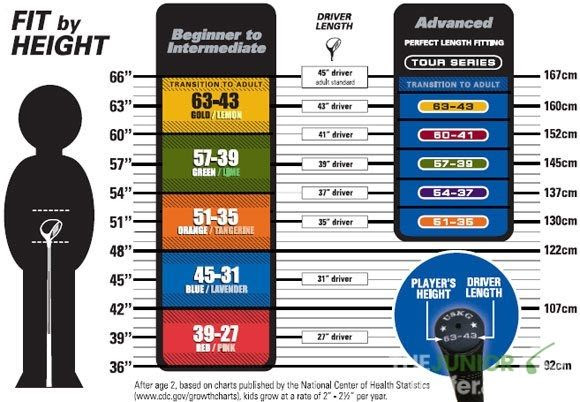
Image Source: www.hagginoaks.com
Grasping Why Proper Sizing Matters
Getting the right club size for a young golfer is very important. It sets them up for success. Imagine trying to run a race in shoes that are too big or too small. It would be hard and uncomfortable. Golf clubs work the same way for kids.
If clubs are too long or too heavy, kids struggle. They cannot make a good swing. Their body tries to make up for the bad fit. This can lead to bad habits. These habits are hard to break later. Too much effort goes into lifting the club. This stops them from learning how to hit the ball well. It can even cause injuries. Their swing path might be wrong. Their balance might be off. This makes golf frustrating. Kids might give up the game before they even start.
On the other hand, proper golf club length for kids helps them swing freely. It lets them hit the ball with good power. They feel confident. They see quick progress. This boosts their love for the game. When clubs fit, kids can focus on learning the swing. They can learn the rules of golf. They can enjoy being on the course. This is the importance of correct junior club size. It is the first step to helping them grow as golfers.
Key Elements for Sizing Clubs
Choosing the right size is not just about age. Many things help you pick the best club. Think about your child’s body and how they move. Here are the main things to look at:
Height: The Starting Point
Height is the most important factor. It tells you a lot about the right club length. A child’s height directly impacts how long their clubs should be. A club that is too long will make them stand too far from the ball. They might bend over too much. A club that is too short will make them stand too close. They might stand too straight. Neither position is good for a proper swing. The child golf club length by height is a key guide.
Arm Length and Wrist-to-Floor: A Better Measurement
Height is a good start, but wrist-to-floor is even better. This measurement gives a more exact idea of how long clubs should be. It accounts for arm length. Some kids are tall but have shorter arms for their height. Others are shorter but have longer arms. This measurement helps fine-tune the club length. It helps your child stand in a natural, balanced way.
Strength and Swing Speed: More Than Just Size
Kids of the same height can have different strengths. A stronger child might be able to handle a slightly heavier club. Or they might do better with a shaft that is a bit stiffer. A weaker child needs a lighter club. They need a shaft that bends easily. This helps them get the club moving fast. It helps them hit the ball farther. Swing speed is also part of this. A fast swing needs a different club than a slower swing.
Age: A General Guide, Not a Rule
Age can give you a rough idea. Most golf clubs are sold by age ranges. For example, “Ages 5-8” or “Ages 9-12.” But kids grow at different rates. So, golf club size by age junior is just a starting point. A 7-year-old might be as tall as a 9-year-old. Or a 10-year-old might be smaller than average. Always use age as a loose guide. Focus more on height and arm length.
Measuring Kids for Golf Clubs Precisely
Getting the right measurements is easy. It just takes a few minutes. This step is key for picking the best clubs. Here’s how to do it:
Step 1: Gather What You Need
You will need:
* A tape measure or a ruler.
* A pencil or pen.
* A piece of paper.
* A flat surface like a wall or doorframe.
* Your child. They should be wearing their golf shoes, or shoes with a similar heel height.
Step 2: Measure Total Height
- Have your child stand straight with their back against a wall. Their heels should touch the wall.
- Make sure their head is level. Their eyes should look straight ahead.
- Place a flat object, like a book, on top of their head. Make sure it is flat against the wall.
- Mark the spot on the wall with the pencil.
- Measure from the floor to the mark. This is their total height. Write it down.
Step 3: Measure Wrist-to-Floor
- Have your child stand straight on a flat surface. They should stand tall.
- Their arms should hang loosely at their sides. They should be relaxed.
- Measure the distance from the floor to the crease in their wrist. This is the line where their hand meets their arm.
- Make sure the tape measure is straight up and down.
- Write this number down. This is the wrist-to-floor measurement.
These two measurements are all you need. They will help you use any youth golf club size chart. They make sure you are measuring kids for golf clubs the right way.
Deciphering the Youth Golf Club Size Chart
Once you have your child’s measurements, you can use a youth golf club size chart. These charts are helpful tools. They give you a good idea of what club length to aim for. Remember, these charts are general guides. They are not strict rules. They help you get close to the ideal fit.
Most charts use height as the main guide. Some also use age. It is best to use height first. Then, you can also look at the wrist-to-floor measurement for a better fit.
Here is a common youth golf club size chart to help you.
Youth Golf Club Sizing Chart: A General Guide
| Child’s Total Height (Inches) | Child’s Total Height (cm) | Wrist-to-Floor (Inches) | Wrist-to-Floor (cm) | Recommended Club Length (Driver) | Recommended Club Length (6-Iron) | Age Range (Guide Only) | What to Look For |
|---|---|---|---|---|---|---|---|
| Under 3’6″ | Under 107 cm | Up to 16″ | Up to 41 cm | 24″-26″ | 20″-22″ | 3-5 Years | Very light, soft shafts, oversized heads. |
| 3’6″ – 4’0″ | 107 – 122 cm | 16″-20″ | 41-51 cm | 27″-30″ | 23″-26″ | 5-8 Years | Short, very flexible shafts, often 3-club sets. |
| 4’0″ – 4’6″ | 122 – 137 cm | 20″-24″ | 51-61 cm | 31″-34″ | 27″-30″ | 8-10 Years | Slightly longer, more weight, good for learning. |
| 4’6″ – 5’0″ | 137 – 152 cm | 24″-28″ | 61-71 cm | 35″-38″ | 31″-34″ | 10-12 Years | Closer to adult clubs, stiffer shafts. |
| 5’0″ – 5’6″ | 152 – 168 cm | 28″-32″ | 71-81 cm | 39″-42″ | 35″-38″ | 12-14 Years | Nearing adult club length, still lighter than adult. |
| Over 5’6″ | Over 168 cm | Over 32″ | Over 81 cm | Consider adult beginner sets. | Consider adult beginner sets. | 14+ Years | Look at adult ladies’ or men’s flex sets. |
How to use the chart:
- Find your child’s height in the first two columns.
- Look across to see the
recommended club lengthfor a driver and an iron. - Check the wrist-to-floor column for a more precise match. This can help you choose between two sizes if your child is between height ranges.
- The “Age Range” is a general guide. Do not rely on it alone.
- The “What to Look For” column gives tips on club features.
Using this chart, combined with your child’s child golf club length by height and wrist-to-floor numbers, will help you pick a great starting set.
Key Parts of a Youth Golf Club
Youth golf clubs are not just smaller adult clubs. They are made in a special way for kids. Each part of the club is designed to help young golfers.
Club Weight: Lighter is Better
Kids have less strength than adults. Heavy clubs are hard for them to swing fast. Youth clubs are much lighter. This lets kids swing the club with more speed. More speed means the ball goes farther. It also makes learning easier. They can finish their swing.
Shaft Flex: Very Flexible is Key
The shaft is the long stick part of the club. Flex means how much it bends during the swing. Youth clubs have very flexible shafts. These are often called “junior flex” or “light flex.” A flexible shaft helps kids launch the ball into the air. It adds power to their swing. It works like a spring. It stores and releases energy.
Grip Size: Smaller for Smaller Hands
Kids have small hands. The grip is where they hold the club. Youth clubs have thinner, smaller grips. This helps kids hold the club properly. A grip that is too big makes it hard to hold on. It can cause them to grip too tight. This hurts their swing.
Loft: More Loft for Easier Launch
Loft is the angle of the clubface. It helps the ball go up in the air. Youth clubs often have more loft on their irons and woods. This makes it easier for kids to get the ball airborne. Learning to hit the ball up is a big step for new golfers. More loft helps them do this faster.
Lie Angle: Crucial for Proper Contact
The lie angle is the angle between the shaft and the ground. This matters a lot for how the club hits the ball. If the club is too upright, the toe of the club might lift up. If it’s too flat, the heel might lift up. Either way, it can lead to bad shots. Youth clubs are made with lie angles that fit kids’ shorter height. A correct lie angle helps the club face sit flat at impact. This leads to better contact with the ball.
Selecting the Right Beginner Youth Golf Club Set
Now you know how to measure. You know about club parts. It is time to how to choose junior golf clubs. For beginners, simplicity is best. You do not need a full set of 14 clubs. A few key clubs are enough.
A typical beginner youth golf club set usually includes:
- A Driver or Fairway Wood: This is for hitting the ball off the tee. It helps them learn to swing big.
- A Hybrid or a few Irons: Hybrids are easier to hit than long irons. A 5, 7, and 9-iron are often enough. These help kids hit from the ground. They teach distance control.
- A Putter: This is for rolling the ball into the hole. Putting is a huge part of golf. Kids love sinking putts!
Tips for Choosing a Set:
- Start Small: A set with 3-5 clubs is perfect for a beginner. More clubs can be confusing. It can also add too much weight to carry.
- Look for Quality: You do not need the most expensive clubs. But avoid very cheap, toy-like sets. Good quality clubs will help your child learn better. They will also last longer.
- Consider Used Sets: Kids grow fast. Buying used sets can save money. Many parents sell sets their kids have outgrown. This is a smart choice.
- Buy for Now, Not Later: Do not buy clubs that are too big for your child to “grow into.” This hurts their game right now. It teaches bad habits. Always buy clubs that fit them today.
- Check Weight and Flex: Make sure the clubs are light. Make sure the shafts are flexible. These are key for young golfers.
Many golf brands make great youth sets. Look for names like Callaway, Ping, US Kids Golf, Cobra, and TaylorMade. These brands focus on making clubs that help kids play well.
Beyond the Chart: When to Seek a Custom Fitting
While size charts are good, sometimes more help is needed. This is where a junior golf club fitting guide comes in. A custom fitting means a golf expert helps choose the best clubs. They look at your child’s unique swing. They use special tools.
When might you consider custom fitting youth golf clubs?
- Your child is serious about golf: If they play often and want to get better, a fitting can make a big difference.
- They are struggling: If they seem to hit the ball poorly often, even with the right sized clubs, a fitting might help. There might be a subtle issue.
- They have an unusual build: Maybe they are very tall for their age. Or they have very long or short arms. A fitting can tailor clubs to their specific body.
- They are getting close to adult clubs: As kids get older, around 12-14, their needs get more specific. A fitting can help them transition to adult clubs.
What happens during a custom fitting?
- Talk with a Fitter: The fitter will ask about your child’s age, height, and how they play golf.
- Swing Analysis: Your child will hit balls. The fitter will watch their swing closely. They might use launch monitors. These machines measure swing speed, ball speed, and how the ball flies.
- Test Different Clubs: The fitter will have your child try different club lengths, weights, and shaft flexes. They will see what works best.
- Data Review: The fitter will use the data from the launch monitor. They will combine it with their observations. This helps them find the ideal club setup.
The benefits of custom fitting youth golf clubs are huge. It means clubs are perfectly matched to your child. This can lead to:
- Better ball striking: Hitting the center of the clubface more often.
- More distance: Getting the ball to fly farther.
- Improved accuracy: Hitting the ball straighter.
- Preventing bad habits: The right clubs do not force them into poor swing moves.
- Increased enjoyment: When they play better, they have more fun!
While a full fitting might cost money, it can be a great investment. It ensures your child has the very best tools for their game.
Signs Your Child Needs New Clubs
Kids grow quickly. Clubs that fit perfectly one year might not fit the next. How do you know when it is time for a new set? Here are some clear signs:
- Posture Changes:
- Too Short: If your child is bending over too much at address, their clubs are likely too short. Their back might look hunched. Their knees might be bent too much.
- Too Long: If they are standing too straight up, or reaching out too far, their clubs are too long. They might look like they are standing on their tiptoes.
- Poor Ball Contact:
- Topping the Ball: Hitting the top of the ball often, making it roll instead of fly. This can happen if clubs are too long.
- Hitting the Ground Too Much (Fats): Digging the club into the ground before hitting the ball. This can happen if clubs are too short.
- Shanking: Hitting the ball off the heel of the club. This often means the club’s lie angle is wrong or the club is too short.
- Lack of Power: They used to hit the ball well. Now, they seem to hit it shorter. They might be trying harder but getting less result. This can mean the clubs are too light or too flexible for their new strength. Or they are just too small.
- Inconsistent Shots: They hit some good shots, but many very bad ones. The inconsistency might point to ill-fitting clubs.
- Frustration: They get upset on the course more often. They might say golf is hard. This could be due to clubs that do not let them play their best.
If you see these signs, it is time to measure your child again. Compare their new measurements to the youth golf club size chart. It might be time for an upgrade.
The Growth Factor: Planning for the Future
Kids grow, and they grow fast! This means golf clubs are not a one-time purchase. You will likely buy a few sets as they get older. It is important to plan for this.
Do not buy clubs for your child to “grow into.” This is a common mistake. A club that is too long or too heavy will hurt their game right now. It can make them learn bad habits. They will not enjoy golf as much. Always buy clubs that fit them today.
Tips for managing the cost of growth:
- Used Clubs are Your Friend: Look for good quality used
beginner youth golf club sets. Online marketplaces and local golf shops often have them. Since kids use them for a short time, used clubs are often in great shape. - Trade-in Programs: Some golf stores offer trade-in programs for junior clubs. As your child grows, you can trade their old set for a credit toward a new one.
- Pass-Me-Downs: If you know other golfing families, ask about their old sets. You might find a good set for free or cheap.
- Focus on Key Clubs: You do not need to buy a full 14-club set each time. For many stages, a 3-5 club set is perfect. This can save money.
By planning ahead, you can keep your child in the proper golf club length for kids without breaking the bank. This ensures they always have the best chance to play well and love golf.
Conclusion
Picking the right size golf clubs for your child is a key step. It helps them enjoy golf. It helps them play their best. It makes them want to keep playing. It is the importance of correct junior club size. Remember to measure your child’s height and wrist-to-floor length. Use a youth golf club size chart as a guide. Choose light clubs with flexible shafts and small grips. Start with a simple beginner youth golf club set.
As your child grows, watch for signs they need new clubs. Do not buy clubs that are too big for them. If your child gets serious, a junior golf club fitting guide or custom fitting youth golf clubs can help even more. Taking the time to fit clubs well shows your child you care about their game. It helps them unlock potential and have fun on the golf course for years to come.
Frequently Asked Questions (FAQ)
Q: How often should I check my child’s club size?
A: Check your child’s height and wrist-to-floor measurement every 6-12 months. Kids grow fast, especially between ages 5 and 14. Even a small growth spurt can change the best club length.
Q: Can my child use adult clubs if they are tall enough?
A: A child who is tall enough might use adult clubs, but it is not ideal. Adult clubs are much heavier and have stiffer shafts. They also have larger grips. This makes it very hard for kids to swing them well. Even if they are tall, their strength and swing speed are usually not ready for adult clubs. It is better to use junior clubs designed for their strength, or “transition” junior sets.
Q: Is it okay to buy used youth golf clubs?
A: Yes, it is often a great idea! Used youth golf clubs can save you a lot of money. Kids outgrow clubs quickly, so many used sets are still in good condition. Just check for major damage like bent shafts or deep dents in the clubheads.
Q: What if my child is between sizes on the chart?
A: If your child is between sizes, look at their wrist-to-floor measurement closely. If they have shorter arms for their height, go with the smaller size. If they have longer arms, go with the larger size. When in doubt, it is often better to go slightly shorter. A slightly shorter club is easier to control than one that is too long.
Q: Do all junior club sets come with the same number of clubs?
A: No, junior club sets vary a lot. Beginner sets often have 3 to 5 clubs (driver, one or two irons, putter). More advanced junior sets might have 6 to 9 clubs. The number of clubs usually increases with the age range of the set. For young beginners, fewer clubs are better.