
Do you want to hit a controlled golf shot that curves right to left for a right-handed golfer? Are you wondering, “What is an intentional golf hook?” An intentional golf hook is often called a “draw.” It is a controlled shot that starts slightly right of the target and gently curves back to the target line. Can you learn to hit a hook on purpose? Yes, many skilled golfers use this shot to shape the ball around obstacles or gain extra distance. This guide will show you how to master this useful shot.
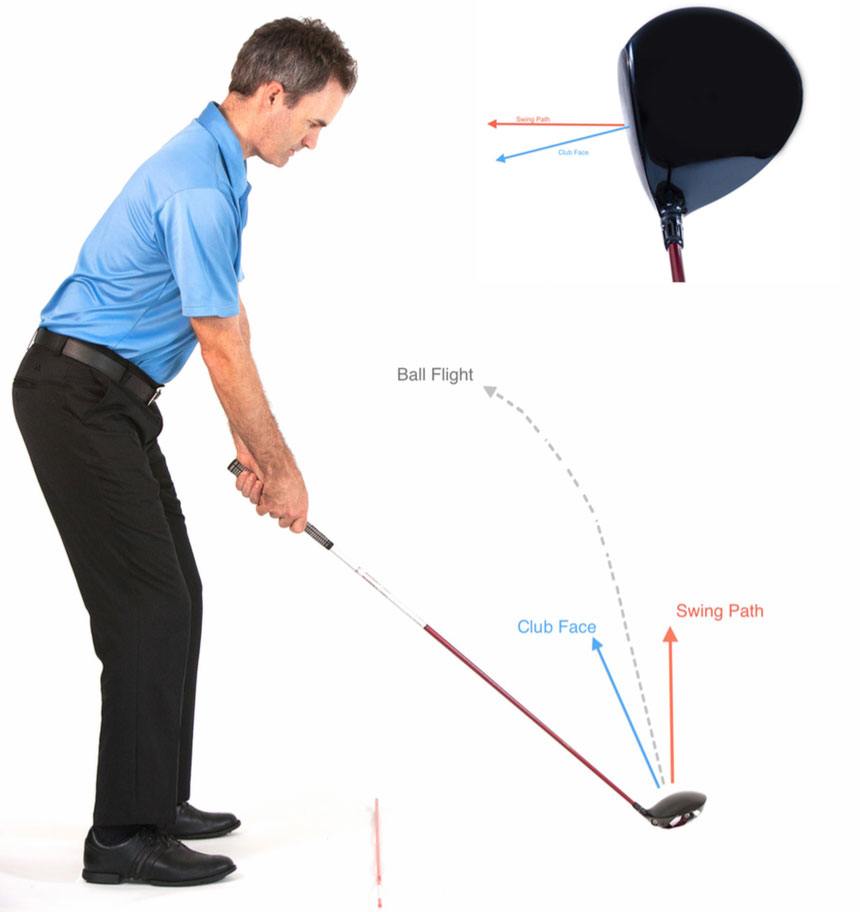
Image Source: about-golf.org
Deciphering the Golf Hook
A golf hook is a ball flight that starts to the right of the target (for a right-handed golfer) and curves sharply left. When done on purpose, it is called a “draw.” A draw is a powerful shot. It often rolls more after landing. This can add distance to your drives. It also helps you curve the ball around trees. You can reach pins tucked behind hazards.
But sometimes, a hook happens by accident. This is usually a “snap hook.” A snap hook starts far left and curves even more left. It is often a very bad shot. It can put you in trouble. We want to learn the good hook, the intentional draw shot. We want to avoid the bad hook, the snap hook golf.
Distinguishing the Draw from the Unintended Hook
It is vital to know the difference.
- Intentional Draw Shot:
- Starts slightly right of your target.
- Curves gently back to the target.
- Ends on or near your target.
- It is controlled and helpful.
- Often adds distance.
- Unintentional Hook (Snap Hook Golf):
- Starts far left of your target.
- Curves sharply left, even more.
- Ends far off target, often in trouble.
- It is a miss-hit and costly.
- Happens due to too much spin.
We will focus on hitting the helpful, controlled draw.
Fathoming Golf Ball Flight Laws
To hook a golf ball, you need to know how the ball flies. The path of your club and the angle of your clubface are key. These two things decide how the ball spins. Spin makes the ball curve.
The golf ball flight laws tell us this:
- Start Direction: Where the ball starts depends mainly on your clubface angle at impact. If your clubface points right at impact, the ball will start right. If it points left, the ball starts left.
- Curve: The amount and direction of curve depend on the difference between your golf swing path and your clubface angle.
For a draw (a right-to-left curve for a righty):
* Your golf swing path must be “inside-out.” This means the club moves from inside your target line to outside it.
* Your clubface angle must be slightly closed (pointing left) relative to your swing path, but still open (pointing right) relative to the target.
Let’s look at this closely:
| Factor | Intentional Draw Shot | Unintentional Hook (Snap Hook Golf) |
|---|---|---|
| Clubface Angle | Slightly open to the target, slightly closed to path | Very closed to target, very closed to path |
| Golf Swing Path | Inside-out (to the right of target) | Very inside-out or flat, often pulling across body |
| Ball Start | Slightly right of target | Far left of target |
| Ball Curve | Gentle curve back to target | Sharp curve far left, often out of bounds |
| Result | Controlled, often longer | Wild, short, and in trouble |
Setting Up for an Intentional Draw Shot
How you stand and hold the club sets the stage. These small steps are very important for success.
Adjusting Your Golf Grip for Hook
A strong grip helps you close the clubface naturally. This makes the draw easier.
- How to check a strong grip:
- For a right-handed golfer: Hold the club. Look at your left hand. You should see two or three knuckles on your left hand.
- Your left thumb should be slightly to the right of the center of the grip.
- For your right hand: Place your right hand over your left. Your right palm should fit over your left thumb. Your right index finger should form a trigger shape.
- This grip helps your hands rotate the club more easily through impact. This rotation helps close the clubface. It gives you the spin you need for a hook.
Stance and Alignment Adjustments
Where you aim is key.
- Target Alignment: Aim your body slightly right of your target. This is called “aiming open” to the target. Your feet, hips, and shoulders should point to the right.
- Clubface Alignment: Point your clubface at your actual target. This is very important. Your body points right, but your clubface aims where you want the ball to end up. This setup creates the needed difference between your swing path and your clubface angle.
- Ball Position: Place the ball slightly more forward in your stance. For a driver, this means off the heel of your lead foot. For irons, it means slightly forward of center. A forward ball position gives you more time to get the club onto an inside-out path. It helps you hit the ball as the club is moving slightly upward.
The Swing Mechanics for a Draw
Now, let’s look at how you move the club. This is where the magic happens.
The Golf Swing Plane: Starting the Backswing
A good backswing sets up the right downswing.
- Swing Plane: Try to take the club back slightly more “inside” than usual. This means the club head stays closer to your body on the way back. Think of it as a flatter backswing. This helps you get on an inside-out swing path later.
- Rotation: Turn your body fully. Your shoulders should turn about 90 degrees. Your hips should turn about 45 degrees. A full turn creates power. It also helps keep the club on a good path.
- Wrist Hinge: Let your wrists hinge naturally. Do not force them. They should hinge upwards. This stores power.
Mastering the Inside-Out Swing Path
This is the most crucial part for a hook.
- The Transition: From the top of your backswing, start your downswing with your lower body. Your hips should start to turn towards the target. This drop of the club helps it fall into an inside position.
- The Path: As you swing down, feel like your club is coming from “inside” the target line. Imagine a line from the ball to the target. Your club should approach the ball from the right side of that line. This is the inside-out swing. Your golf swing path will be to the right of the target.
- Dropping the Club: Many pros talk about feeling like the club “drops” into the slot. This means it comes down from the inside. This feeling helps prevent an “over the top” swing. An “over the top” swing causes a slice, not a hook.
- Targeting the Ball: Imagine you are hitting the ball slightly to the right of your main target. Your body is aimed right. Your swing path is to the right.
The Moment of Impact: Clubface Angle and Release
This is where the ball gets its spin.
- Clubface Angle at Impact: Your clubface must be slightly open (pointing right) to your target. But, it must be slightly closed (pointing left) relative to your inside-out swing path. This is the key.
- Think of it this way: Your club is moving to the right of the target. But your clubface is pointing less to the right than your swing path. It’s pointing a bit more left than your path. This creates the side spin.
- Release: Your hands and wrists should release freely through impact. Let them rotate. Your right hand should cross over your left hand soon after you hit the ball. This helps close the clubface. It gives the ball the needed draw spin. Do not try to hold the clubface open. Let it release naturally.
The Follow-Through: A Natural Extension
A good follow-through is a sign of a good swing.
- Finish High and Left: After impact, your club should continue to swing around your body. Finish with your hands high and to the left of your head. This shows you have released the club properly.
- Balance: Hold your finish in balance. This means your swing was smooth and controlled. Your weight should be on your lead foot.
Table: Swing Mechanics for a Draw
| Phase | Action for a Draw | What it Helps Achieve |
|---|---|---|
| Setup | Strong grip; Body aimed right of target; Clubface at target; Ball forward | Sets up for inside-out path and proper clubface angle |
| Backswing | Take club slightly inside; Full body turn | Gets club on a flatter golf swing plane; prepares for inside-out |
| Downswing | Lead with hips; Drop club to the inside; Swing inside-out | Creates the crucial inside-out swing path for draw spin |
| Impact | Clubface slightly open to target, closed to path; Release hands | Imparts desired side spin (golf ball flight laws in action) |
| Follow-Through | Finish high and left; Maintain balance | Shows full release and proper swing completion |
Troubleshooting Common Hook Issues
Sometimes, a hook happens by accident. This can be frustrating. Here’s how to deal with it.
Fixing a Golf Hook (The Unintentional One)
If your ball constantly hooks too much, you are likely doing too much of something.
- Check Your Grip: Is your grip too strong? If you see all four knuckles on your left hand, your grip might be too strong. This makes it too easy to close the clubface too much. Try weakening your grip a little. Move your left hand slightly more to the left on the grip.
- Clubface Angle: Is your clubface too closed at impact? This is the main reason for a snap hook. Work on keeping the clubface more square to the target. You might be rotating your hands too much.
- Swing Path: Is your golf swing path too far inside-out? Or are you swinging too much to the right of the target? This can also cause an over-draw golf shot.
- Try to feel like you are swinging more “down the line” to the target.
- Do not swing so far to the right.
Avoiding the Snap Hook Golf Shot
The snap hook golf shot is the worst kind of hook. It goes way left and often goes out of bounds.
- Cause: A snap hook happens when your clubface is severely closed relative to your swing path, and your path is too much to the right. Or, your clubface is very closed to the target.
- Fix:
- Less Strong Grip: Weaken your grip slightly.
- Less Hand Action: Try to use less hand and wrist flip through impact. Let your body rotation do more work.
- Swing More Upright: Sometimes a swing that is too flat causes a snap hook. Try to feel a slightly more upright golf swing plane. This helps you bring the club down more on target.
- Don’t Overdo the Inside-Out: Do not try to swing too much from the inside. A slight inside-out path is good. Too much is bad.
Preventing the Over-Draw Golf Shot
An over-draw golf shot still goes left, but not as severely as a snap hook. It might start right and end too far left of the target.
- Refine Clubface Angle: The problem is usually your clubface being too closed compared to your path. You need to keep the clubface just a little bit open to the target at impact.
- Less Hand Release: Instead of a full aggressive hand rotation, try to feel more like your body rotation is squaring the clubface. This makes the draw spin more controlled.
- Focus on Target: Even though you aim right, your mind should be on the final target. This helps prevent over-curving.
Drills to Practice Your Draw
Practice is essential to master any shot. These drills will help you get the feeling for the draw.
Drill 1: The Gate Drill
This drill helps you get the right golf swing path.
- Setup: Place two alignment sticks (or clubs) on the ground.
- Place one stick just inside and parallel to your target line. It should be where your club head comes through.
- Place another stick a few inches outside and parallel to your target line, after the ball.
- Swing: Your goal is to swing between these two sticks. This forces an inside-out swing.
- Practice: Start slowly. Focus on hitting the ball without touching either stick. This teaches your club to come from the inside.
Drill 2: The Towel Drill
This drill helps flatten your golf swing plane and encourages the inside path.
- Setup: Take a small towel. Fold it. Put it under your lead armpit (left armpit for a righty).
- Swing: Keep the towel tucked through your swing. If it falls out, your arm is lifting too much or coming too far away from your body.
- Benefits: This drill promotes a more connected swing. It keeps your arms in front of your body. This makes it easier to swing on an inside-out path.
Drill 3: The Pump Drill
This helps you feel the transition and the club dropping inside.
- Setup: Take your normal setup.
- Swing: Go to the top of your backswing. Then, pump your hands down halfway. Stop. Feel the club dropping into the slot.
- Repeat: Do this “pump” motion a few times. Then make a full swing, trying to keep that feeling of the club dropping inside. This helps create the inside-out swing feeling.
Drill 4: Stronger Grip Practice
- Setup: Practice taking your stronger grip. Make sure you can see two or three knuckles on your left hand.
- Hitting Balls: Hit practice balls using this grip. Pay attention to how the ball starts and curves. You should see it starting right and drawing left.
- Adjust: If it hooks too much, make your grip a little weaker. If it slices, make it a little stronger. Find your sweet spot.
When to Use an Intentional Draw
Knowing how to hit a draw is one thing. Knowing when to use it is another.
- Dogleg Holes: A draw is perfect for a dogleg left hole. You can aim right of the bend. Your draw will curve the ball around the corner. This can cut off distance and give you a shorter shot to the green.
- Windy Conditions: If the wind is blowing from left to right, a draw can fight the wind. The draw spin helps the ball stay straighter. It reduces the wind’s effect.
- Longer Distance: A well-struck draw typically produces less backspin than a fade. This makes the ball roll more after landing. This can give you extra yards on your drives.
- Pin Positions: If a pin is tucked behind a bunker on the left side of the green, a draw can be very useful. You can aim right of the bunker. The ball curves onto the green, avoiding the hazard.
- Obstacles: If you have a tree in front of you that blocks a straight shot, a draw can let you curve the ball around it.
It is important to practice this shot a lot. Only use it on the course when you feel confident. A poorly executed draw can quickly turn into a snap hook.
Cultivating Consistency in Your Draw Shot
Hitting a good draw every time takes work. Here are tips for getting consistent.
Repetition and Feel
- Many Swings: The more you practice, the more natural the swing will feel. Hit hundreds of balls. Focus on the feeling of the inside-out swing. Feel how the clubface closes.
- Slow Motion: Practice the swing in slow motion. This helps you feel each part of the movement. Focus on your grip, setup, backswing, and especially the downswing path and release.
Video Analysis
- Record Yourself: Use your phone to record your swing. Watch it back.
- Check Key Points: Look for your golf swing path. Is it inside-out? Check your clubface angle at impact. Is it slightly open to the target but closed to your path? Check your golf swing plane. Is it consistent? Seeing yourself swing helps you find and fix mistakes.
Work with a Coach
- Expert Eye: A golf coach can spot issues you might miss. They can give you specific drills. They can help you tailor your swing to your body.
- Instant Feedback: A coach can give you instant feedback. This speeds up your learning. They can also tell you if you are trying to fix a golf hook that isn’t really there, or if you are overdoing it.
Patience and Persistence
- Small Steps: Learning a new shot takes time. Do not expect perfect results right away. Celebrate small wins.
- Be Patient: You will hit bad shots. This is part of learning. Learn from them. Do not get discouraged. Keep trying.
Key Learnings for Mastering the Hook
To hit a good draw (intentional hook), remember these core ideas:
- Setup is Key: A strong golf grip for hook, body aimed right, clubface aimed at the target, and forward ball position.
- Swing Path: The most important part is the inside-out swing path. Your golf swing path must be to the right of your target line.
- Clubface Control: The clubface angle at impact must be slightly closed (left) relative to your swing path, but still slightly open (right) relative to your target. This creates the side spin.
- Ball Flight Laws: Remember the golf ball flight laws: Clubface angle points where the ball starts; the path-to-face difference causes the curve.
- Avoid Mistakes: Be careful not to create a snap hook golf shot or an over-draw golf shot. This happens when your clubface is too closed, or your path is too extreme.
- Practice: Use drills like the Gate Drill and Towel Drill to refine your swing.
Mastering the draw shot will add a powerful weapon to your golf bag. It will help you navigate tricky holes. It will help you gain distance. It will make your game more complete and more fun. So, grab your clubs, head to the range, and start practicing your perfect draw.
Frequently Asked Questions (FAQ)
H3. Q1: What is the main difference between a hook and a slice?
A hook is a shot that curves from right to left (for a right-handed golfer). A slice is the opposite. It curves from left to right. A hook happens when the clubface is closed relative to the swing path. A slice happens when the clubface is open relative to the swing path.
H3. Q2: Can a hook help me hit the ball further?
Yes, an intentional draw (or controlled hook) can often lead to more distance. This is because a draw typically has less backspin than a straight shot or a fade. Less backspin means the ball rolls more after it lands. This can add extra yards to your total distance.
H3. Q3: Is it possible to hit a hook with every club?
Yes, you can hit an intentional draw with almost any club in your bag, from your driver to your short irons. The principles remain the same: an inside-out golf swing path and a clubface that is slightly closed relative to that path. However, the amount of curve will be less with shorter clubs due to less clubhead speed and loft.
H3. Q4: How do I know if my golf grip for hook is too strong?
For a right-handed golfer, if your left hand is too strong, you will see four or more knuckles. This makes it very easy to over-rotate your clubface. To fix an unintentional hook, try weakening your grip slightly. You should see two or three knuckles on your left hand.
H3. Q5: What if I keep hitting an over-draw golf shot even when trying for a draw?
An over-draw means your ball is curving too much to the left. This often happens if your clubface is too closed compared to your swing path. Or, your swing path is too far inside-out. Try these fixes:
* Make your grip a little weaker.
* Feel like your clubface is staying slightly more open through impact.
* Swing less aggressively from the inside. Aim for a slightly straighter swing path.
H3. Q6: Does the golf swing plane matter for hitting a draw?
Yes, the golf swing plane matters a lot. A flatter swing plane (taking the club more inside on the backswing) helps set up an inside-out swing path. This inside-out path is crucial for hitting a draw. If your swing plane is too upright, it is harder to achieve the necessary inside-out path.