
Protecting Your Power: Can Golf Cart Batteries Freeze?
Yes, golf cart batteries can freeze. This happens when the liquid inside, called electrolyte, turns to ice. A golf cart battery is most likely to freeze if it is not fully charged. Cold weather seriously impacts how batteries work. It can even cause lasting harm. Knowing how to care for your battery is key. This helps protect your golf cart all year round.
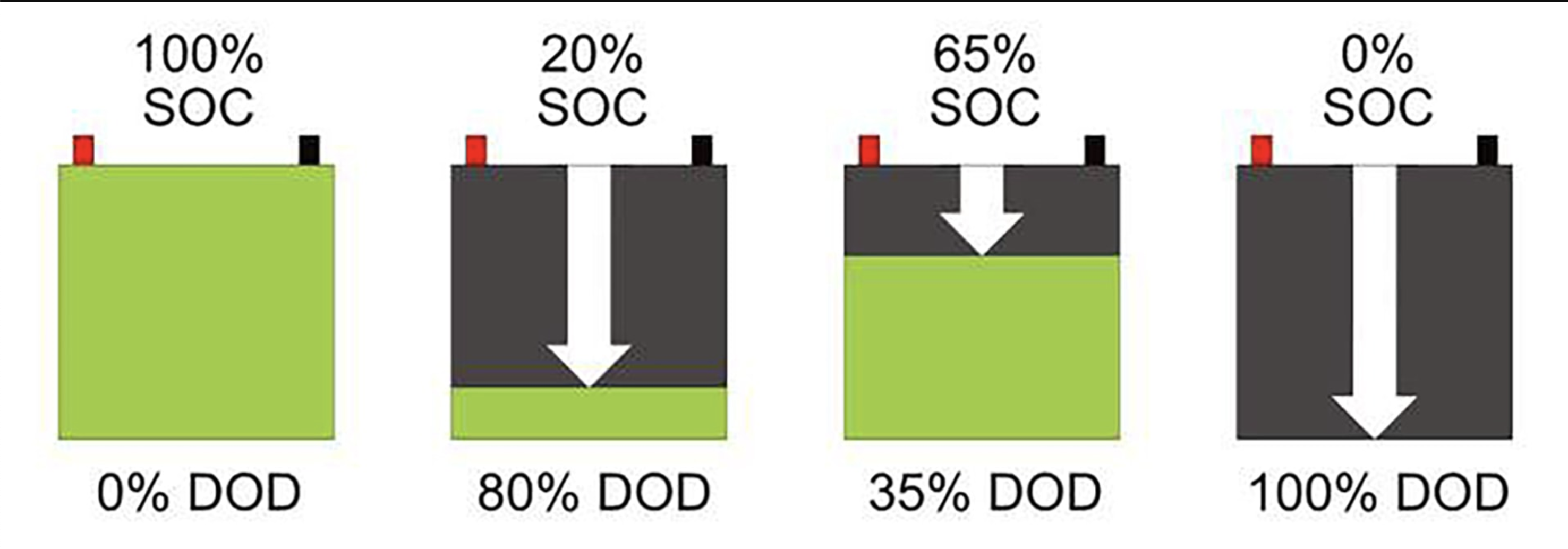
Image Source: jsgolfcarts.com
Decoding How Batteries Work in the Cold
Golf cart batteries are usually lead-acid batteries. They have lead plates and a mix of water and sulfuric acid. This mix is called electrolyte. When your battery works, a chemical reaction happens. This reaction makes electricity. The electrolyte helps this process.
In cold weather, things change. The chemical reactions slow down. This means your battery gives less power. It also takes longer to charge. Think of it like trying to run in deep snow. It’s much harder and slower. This is the impact of cold weather on golf cart batteries.
The real danger comes from freezing. When the electrolyte freezes, it expands. This expansion can break the battery case. It can also harm the lead plates inside. This damage is often permanent. A broken battery can leak acid. This is unsafe.
When Do Batteries Freeze?
The exact temperature golf cart batteries freeze is not one fixed number. It depends on how much charge the battery has. This is very important. A fully charged battery is much harder to freeze.
Why? The electrolyte in a fully charged battery has more sulfuric acid. This makes it like antifreeze. It lowers the freezing point. A battery with less charge has more water. Water freezes easily.
Let’s look at the fully charged golf cart battery freeze point. A battery at 100% charge can handle very cold temperatures. It might not freeze until about -70°F (-57°C). That’s extremely cold. Most places do not get that cold.
But what if your battery is only half charged? Or even less? The freezing point goes up a lot. A battery that is only 25% charged could freeze at just +5°F (-15°C). A totally dead battery could freeze around +20°F (-7°C). These temperatures are common in winter.
This is also true for deep cycle battery freezing temperature. Golf cart batteries are deep cycle batteries. They are made to release power slowly over time. They are also made to be deeply discharged and recharged many times. But they still follow the same rules for freezing. The less charged they are, the higher their freezing point.
Here is a table showing the freezing points:
| Battery Charge Level | Electrolyte Specific Gravity | Approximate Freezing Point |
|---|---|---|
| 100% (Full Charge) | 1.265 – 1.280 | -70°F (-57°C) |
| 75% Charged | 1.200 | -25°F (-32°C) |
| 50% Charged | 1.150 | -15°F (-26°C) |
| 25% Charged | 1.100 | +5°F (-15°C) |
| 0% (Dead) | 1.050 | +20°F (-7°C) |
This table shows why keeping your battery charged is the most important thing. It is your best defense against freezing.
What Happens When They Freeze?
When the electrolyte in your golf cart battery freezes, bad things happen. You need to know what happens when golf cart batteries freeze.
First, ice takes up more space than water. This means the freezing electrolyte expands. This expansion puts a lot of stress on the battery case. The case is usually made of plastic. This stress can cause the case to bulge. It can also cause it to crack.
If the case cracks, battery acid can leak out. This acid is very strong. It can damage your golf cart. It can also harm people and animals. Acid leaks are a big safety risk.
Inside the battery, the freezing also harms the lead plates. These plates are delicate. The expanding ice can bend or break them. This internal damage is very bad. It makes the battery lose its ability to hold a charge. It shortens the battery’s life a lot. In most cases, a battery with internal damage from freezing is ruined. You will need to buy a new one.
Knowing the signs of a frozen golf cart battery is helpful. These signs can tell you if your battery has been damaged:
- Bulging Battery Case: The sides of the battery might look swollen. This is a common sign of expansion.
- Cracks in the Case: Look for any cracks or splits on the top, sides, or bottom of the battery. Even small cracks are bad.
- Leaking Fluid: You might see wet spots or a white, crusty residue around the battery. This is leaked electrolyte. It might smell like rotten eggs.
- No Power or Very Low Power: If your golf cart does not start or runs for only a very short time, the battery might be dead or severely damaged.
- Battery Feels Warm (After Thawing): If you try to charge a damaged battery, it might get unusually warm. This is a sign of internal damage.
- Frozen Terminals: You might see ice around the battery posts or cables.
If you see these signs, your battery is likely frozen or has been frozen. You need to be very careful.
Preventing Freezing: Your Winter Playbook
The best way to deal with a frozen battery is to stop it from freezing in the first place. There are many easy steps you can take. These steps explain how to prevent golf cart battery freezing.
1. Keep Batteries Fully Charged: This is the most important rule. A fully charged battery has a much lower freezing point. Charge your batteries before cold weather arrives. Keep them charged all winter long.
2. Store in a Warm Place: If possible, store your golf cart or its batteries in a warm spot. A garage, shed, or basement is much better than outside. Temperatures above freezing are ideal.
3. Use a Battery Maintainer or Trickle Charger: For long storage, a smart charger is key. These chargers give a small, steady charge. They keep your batteries at full power without overcharging them. They turn off when the battery is full. Then they turn on again when the charge drops a little. This stops the battery from going flat.
4. Disconnect Batteries for Long Storage: If you are storing your golf cart for many months, disconnect the battery cables. This stops small drains that can slowly discharge the battery. Always check the charge level monthly. Then recharge as needed.
5. Clean Battery Terminals: Dirty or corroded terminals can stop your battery from charging well. Clean them regularly. Use a wire brush and a mix of baking soda and water. Rinse with clean water and dry.
6. Check Electrolyte Levels: For lead-acid batteries that are not sealed, check the water levels. The plates inside must always be covered by fluid. If levels are low, add distilled water. Do this after charging. Never fill them to the very top. Leave some space for expansion.
These actions are part of good golf cart battery winter storage tips. Doing them will save you money and headaches.
Dealing with a Frozen Battery
So, you think your battery is frozen. Or you find one that has already frozen. Can you thaw a frozen golf cart battery? Yes, you can try. But you must be very careful. There is a risk of harm.
Here is what you should do:
- Move to a Warm Place: Gently move the golf cart or the battery to a warm area. A heated garage or basement is best.
- Thaw Slowly: Let the battery thaw on its own. Do not use direct heat. Do not use a heater, hairdryer, or hot water. Rapid thawing can make things worse. It can stress the battery. It can even cause it to explode.
- Give It Time: Thawing can take many days. Be patient.
- Inspect Carefully: Once it is fully thawed, look at it closely. Check for any cracks, bulges, or leaks. Remember the signs of a frozen golf cart battery.
- Test the Battery: If there are no signs of damage, you can try to charge it. Use a good battery charger. Watch it closely while it charges. If it gets very hot, smells bad, or swells, stop charging right away.
Important Warning: Never try to charge a frozen battery. The charger will try to force current through ice. This is dangerous. It can cause the battery to overheat. It can cause it to swell or explode. Charging a frozen battery can also cause hydrogen gas buildup. This gas is very flammable.
Even if a frozen battery thaws and seems to work, it is likely damaged. The internal plates may be bent or broken. This can lead to:
- Reduced Capacity: The battery will not hold a full charge. Your golf cart will not run as long.
- Shorter Lifespan: The battery will die much sooner than it should.
- Safety Risks: A damaged battery is more likely to leak acid or explode.
The damage from frozen golf cart batteries is often not worth the risk. It is usually best to replace a battery that has frozen.
Beyond Freezing: Cold Weather Performance
We talked about the impact of cold weather on golf cart batteries and freezing. But even if it doesn’t get cold enough to freeze, cold weather still affects your battery.
When it’s cold, the chemical reactions inside the battery slow down. This means:
- Less Range: Your golf cart will not go as far on a single charge. The battery gives less power.
- Less Power: The cart might feel sluggish. It might not climb hills as well.
- Longer Charging Times: Batteries take longer to fully charge in cold weather. This is because the chemical reactions are slower. They need more time to absorb energy.
So, even if you live in a place where batteries are unlikely to freeze, you still need to think about the cold.
Here are tips for using your golf cart in colder, but not freezing, weather:
- Charge More Often: If you use your golf cart in cold weather, charge it more frequently. Do not let the charge drop too low.
- Charge Indoors: If possible, charge the battery in a warm place. This helps it take a full charge better.
- Warm Up Before Use: If your golf cart has been sitting in the cold, let it warm up a bit before using it. This lets the battery temperature rise naturally.
Key Takeaways and Maintenance Reminders
Taking care of your golf cart batteries is a smart move. It saves you money and trouble. Here are the main points to remember:
- Charge Is Your Shield: A fully charged battery is your best friend against freezing. It makes the freezing point much lower.
- Cold Slows Things Down: Even without freezing, cold weather makes batteries perform worse. They give less power and need more charging.
- Look for Trouble Signs: Watch for bulging, cracks, or leaks. These mean your battery might be frozen or damaged.
- Slow Thaw is Key: If a battery freezes, thaw it slowly. Do not use direct heat. Never charge a frozen battery.
- Prevention is Best: Store batteries in a warm place. Use a smart charger. Check fluid levels. Clean terminals. These steps keep your batteries healthy.
- Replace If Damaged: A frozen battery is usually a ruined battery. Replacing it is often the safest and smartest choice.
Regular maintenance for your golf cart batteries is not just for winter. It helps them last longer all year. Always keep them clean. Always keep them charged. Always check their fluid levels (if they are not sealed). By doing these simple things, you can enjoy your golf cart for many years. You will avoid the big problems that come from a frozen battery.
Frequently Asked Questions (FAQ)
Q: Is it okay to leave my golf cart battery outside in winter?
A: It is not a good idea. Leaving a golf cart battery outside in winter raises the risk of it freezing. This is especially true if the battery is not fully charged. Always try to store your golf cart or its batteries in a warm, protected place during cold months.
Q: How often should I charge my golf cart battery in winter storage?
A: You should charge your golf cart batteries fully before storage. Then, check their charge level about once a month. If the charge drops, recharge them. Using a smart battery maintainer makes this easier. It keeps them topped up without you checking all the time.
Q: Can a frozen battery explode?
A: Yes, a frozen battery can explode. When the electrolyte freezes, it expands. This puts pressure on the battery case. If the case cracks, acid can leak. If you try to charge a frozen battery, it can create a lot of hydrogen gas. This gas is very flammable. It can lead to an explosion if a spark is present. This is why you should never try to charge a frozen battery.
Q: What’s the best way to store a golf cart battery in cold climates?
A: The best way is to fully charge the battery. Then, store it in a warm place. A heated garage, shed, or basement is ideal. If you cannot move the whole golf cart, you can take out the batteries. Bring them inside for storage. Use a smart battery maintainer to keep them charged.
Q: Does extreme cold kill golf cart batteries instantly?
A: Extreme cold does not kill golf cart batteries instantly unless they freeze. Freezing can cause severe damage. But even without freezing, cold weather slows down battery performance. It reduces power and range. It also makes batteries take longer to charge. If a battery is very cold but does not freeze, it might work again once it warms up. But its overall life might be shorter due to the stress.