
Image Source: assets.ltkcontent.com
How Many Acres Is An Average Golf Course: Your Guide
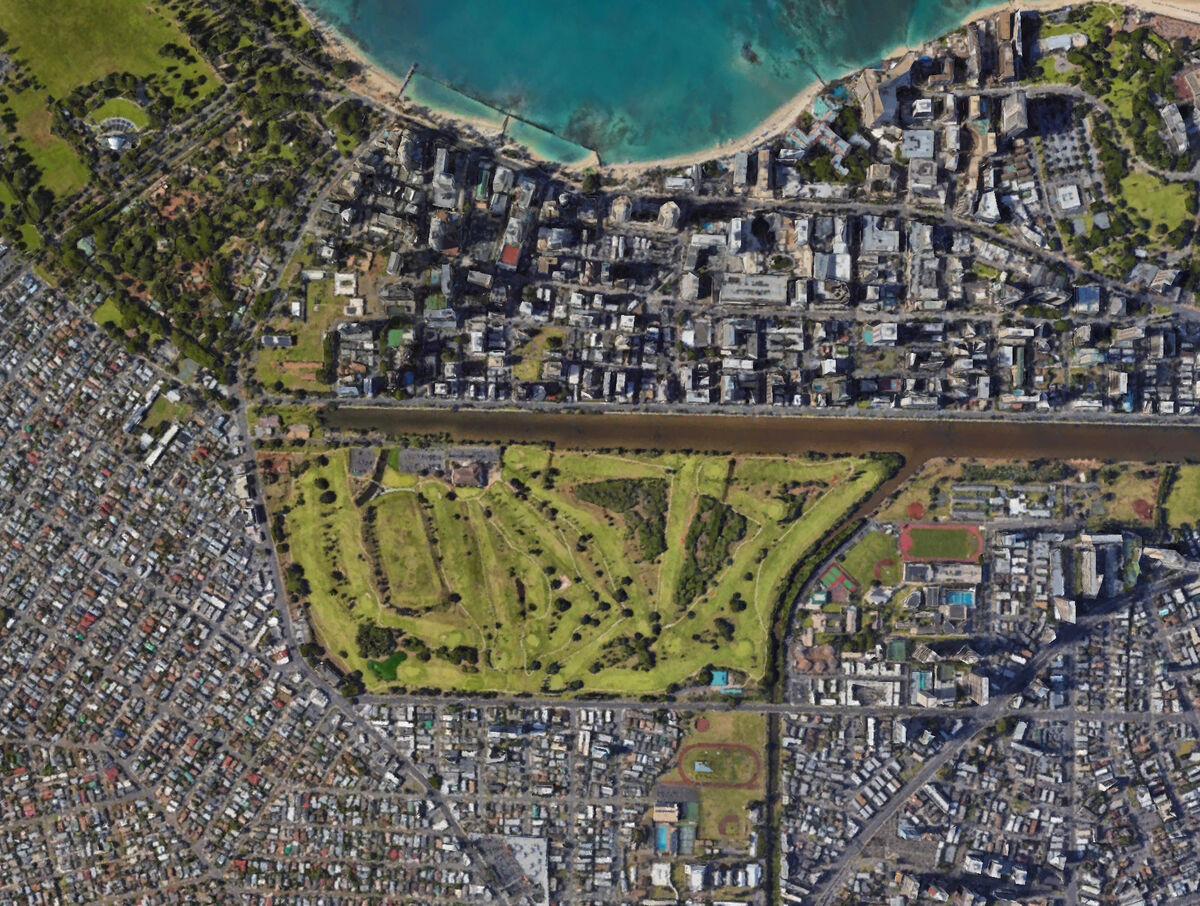
How big is a golf course? An 18-hole golf course often needs a lot of space. It usually covers 120 to 180 acres. This is the average golf course size. Some courses can be smaller. Others can be much bigger. A 9-hole golf course size is less. It usually needs 50 to 90 acres. This wide range shows how much land golf courses use. The typical golf course acreage depends on many things. These include its design and the land it sits on.
Grasping the Size of a Standard Golf Course
A golf course is more than just green grass. It has many parts. Each part needs a certain amount of land. Knowing these parts helps us see why golf course land area varies.
What Makes Up Golf Course Land Area?
Many different areas make up a golf course. Each plays a role.
- Fairways: These are the long, mown grass paths. Players hit their shots along fairways. They make up a large part of the course.
- Greens: These are very short-cut grass areas. The hole is on the green. This is where players putt. Greens need careful care.
- Tees: These are small, flat areas. Players start each hole from a tee. There are often several tees per hole for different skill levels.
- Rough: This is the taller, thicker grass. It sits next to the fairways. It makes hitting the ball harder.
- Hazards: These are natural or man-made obstacles. Sand bunkers are common. Water hazards like ponds and streams are also used. They add challenge to the game.
- Practice Areas: Many courses have practice zones. A driving range lets players hit long shots. Putting greens help with short shots. Chipping areas are also common.
- Clubhouse and Parking: The clubhouse is the main building. It has locker rooms and a pro shop. It might have a restaurant. Parking lots are also needed for cars.
- Maintenance Areas: These spots store equipment. They are for keeping the course in good shape. They need space too.
- Buffer Zones: These are empty spaces around the course. They separate the course from other land. They can protect homes nearby.
Average Golf Course Size: Key Factors
Many things change the size of a golf course. No two courses are exactly alike.
- Topography: This means the shape of the land. Flat land might need less space. Hilly land can need more room. This is because holes might need to go around hills.
- Course Design: How the course is laid out matters a lot. A long course needs more land. A short course needs less. The number of holes changes the size too.
- Water Features: Lakes and streams add beauty. They also take up land.
- Trees and Woods: Natural wooded areas can be part of the course. They can also act as borders. They take up land.
- Environmental Rules: Laws might protect certain lands. These could be wetlands or forests. This can limit where a course can be built. It can also make a course bigger.
- Budget: The money available affects size. More money can mean a bigger, fancier course. Less money might mean a smaller, simpler one.
- Location: Land in a city is very expensive. Courses in cities are often smaller. Land in rural areas is cheaper. These courses can be much larger.
Deciphering Standard Golf Course Dimensions
The size of a golf course is often measured in acres. But it is also talked about in yards. This is the total length of all holes.
The 18-Hole Golf Course Area
An 18-hole course is the most common type. Its size can vary greatly.
- Par Levels: Each hole has a “par.” This is the expected number of strokes. Par 3 holes are short. Par 4 holes are medium. Par 5 holes are long. A course with many par 5s will be longer. It will need more land.
- Typical Yardage: Most 18-hole courses are 6,000 to 7,500 yards long. This is from the tee to the hole. The total length of the course helps figure out its needed area.
-
Converting Yards to Acres: It’s not a simple math problem. You cannot just divide total yardage by a fixed number. This is because a golf course is not just a straight line. It has width. It has non-playing areas. Think of it like this: A course that is 7,000 yards long does not mean it is 7,000 yards of only playing surface. There are fairways, rough, hazards, and space between holes.
- A typical 18-hole course with a total playing length of 6,500 yards might need 120-150 acres.
- A longer course, say 7,200 yards, might need 160-180 acres.
- If a course has a lot of unused land, it might be even bigger. This could be for nature areas or big buffer zones.
-
Regulation Golf Course Size for an 18-hole course: There is no single “regulation” size. It refers more to the length of holes and overall course design. A course built for professional play, like a championship course, will be longer. It will need more land. It must meet specific rules set by golf bodies. These rules are about the length of the holes, not the total acreage. However, meeting those length rules often requires more land.
-
Par 72 Golf Course Acres: A “par 72” course means it has 18 holes. The sum of all pars for these 18 holes is 72. This is a very common par for an 18-hole course. The land needed for a par 72 golf course can range widely. It often sits between 140 and 180 acres. This is because a par 72 course often includes a mix of par 3s, par 4s, and par 5s. This mix of hole lengths usually demands more land than a course with mostly par 3s.
Here is a general guide for 18-hole courses:
| Course Type | Typical Yardage Range | Average Golf Course Size (Acres) |
|---|---|---|
| Executive/Short | 4,000 – 5,500 | 80 – 120 |
| Standard (Par 72) | 6,000 – 6,800 | 120 – 160 |
| Championship (Par 72+) | 6,800 – 7,500+ | 160 – 200+ |
These numbers are just a guide. Actual sizes can differ a lot.
The 9 Hole Golf Course Size
A 9-hole golf course is half the number of holes. But it is not always exactly half the size. Many 9-hole courses are designed to be more compact.
- Average Acreage for 9 Holes: A typical 9-hole course needs 50 to 90 acres. This is a good general estimate for the 9 hole golf course size.
- Space-Saving Designs: Some 9-hole courses use clever designs. They might have shared greens or fairways. This saves land. This makes them good for smaller areas.
Executive and Par-3 Courses
These courses are designed for quicker play. They need much less land.
- Executive Courses: These courses usually have a mix of par 3s and par 4s. They might have one or two par 5s. They are shorter than standard courses. They are often 80 to 120 acres for 18 holes.
- Par-3 Courses: All holes on these courses are par 3s. They are very short. They need the least amount of land. An 18-hole par-3 course might only need 50 to 80 acres. A 9-hole par-3 course could be as small as 20 to 40 acres. They are great for beginners or for quick practice.
Golf Course Land Requirements: More Than Just Holes
Building a golf course involves more than just the playing areas. There are other important needs for land. These extra areas add to the total golf course land area.
Space for Play: The Core Layout
The main playing parts of the course need careful planning. Their sizes are key.
- Fairway Width: Fairways need to be wide enough. This allows for safe play. It also allows for different shot paths. A standard fairway might be 30 to 60 yards wide. Wider fairways mean more land used.
- Green Sizes: Greens vary in size. They can be 5,000 to 10,000 square feet. A bigger green needs more care. It adds a little to the total acreage. But not as much as fairways.
- Tee Box Dimensions: Tee boxes are where players start. They need to be large enough for players. They also need to be flat. They are small parts of the course. But they add up over 18 holes.
- Rough Area: The rough runs along the fairways. It makes up a lot of the course. It is often left in a more natural state. This means it needs less care. But it still adds to the land total.
Non-Playing Areas: Essential Services
These areas are vital for the course to work well. They are not where golf is played. But they are part of the overall golf course land requirements.
- Clubhouse, Pro Shop, Restaurants: These buildings need land. They provide services for golfers. They are often near the first tee and last green.
- Parking Lots: Golf courses need large parking areas. Many golfers drive to the course. These lots can take up several acres alone.
- Maintenance Buildings: Tractors, mowers, and other tools need a home. These buildings need land. They are often out of sight from players.
- Irrigation Systems: Golf courses need a lot of water. Systems are put in place to water the grass. This can include ponds or pumping stations. These parts take up land.
- Cart Paths: Many golfers use golf carts. Paved paths are built for these carts. These paths wind through the course. They take up a small amount of space. But they add to the total.
- Driving Ranges and Practice Greens: As mentioned, these are extra areas. They allow golfers to warm up. They can be quite large. A full driving range might take 10 to 20 acres.
Buffers and Environmental Zones
Modern golf course design often includes these areas. They add to the total golf course land area. They are important for safety and nature.
- Setbacks from Property Lines: Courses need space between the course and homes. This keeps homes safe from golf balls. These “buffer” areas add to the total land needed.
- Wildlife Habitats: Many courses now try to protect nature. They set aside areas for animals and plants. These areas are not played on. They help the local ecosystem. They increase the land size.
- Wetland Preservation: If wetlands are on the land, they must be protected. Laws often require this. These areas cannot be built on. They add to the total land size.
- Tree Conservation: Old or important trees are often saved. They become part of the course’s natural beauty. They take up space.
Fathoming Golf Course Design and Its Impact on Acreage
The way a golf course is designed greatly affects its size. Good design can make a smaller piece of land feel large. Or it can make a large piece of land seem more efficient.
The Role of the Course Architect
A golf course architect plans the layout. They decide where holes go. They decide where fairways are. Their choices directly impact the land needed.
- How Designs Can Save or Use More Land: A clever architect can route holes in a tight space. They might use a figure-eight pattern. Or they might put holes close together. This saves land. A less efficient design might spread holes out too much. This needs more land.
- Creative Routing: Routing is how the holes connect. A good route flows well. It can use the land wisely. This can reduce the overall golf course land area. For example, some courses have “return nines.” This means holes 1-9 go out from the clubhouse. Then holes 10-18 come back to the clubhouse. This often needs a specific shape of land.
- Multi-use Areas: Some architects design areas to serve more than one purpose. For example, a large, open space might be rough for one hole. It might also be a safety buffer for another. This can make the course more compact.
Land Contours and Terrain
The natural shape of the land plays a big part. It influences the design and size.
- Hilly Courses Might Need More Land to Spread Out: If the land has many hills, holes must follow the hills. This can mean longer paths between holes. It might need more twists and turns. This uses more acres. It is hard to build a course on very steep land.
- Flat Land Can Be More Efficient, But Maybe Less Scenic: Flat land is easier to build on. It can allow for a more direct layout. This can make the course more compact. But flat land might lack natural beauty. Architects might add hills or water features to make it more interesting. These additions can also take up space.
Water Features and Aesthetics
Water adds a lot to a golf course. It makes it pretty. It also makes it harder to play.
- Lakes and Ponds Add Beauty: Water features are visually appealing. They create a nice view. They can make a course feel special.
- They Also Take Up Land: Lakes and ponds cover a lot of space. This land cannot be used for playing golf. So, more water features mean a larger total acreage is needed.
- They Help with Drainage and Irrigation: Water features are not just for looks. They can be part of the course’s water system. They can collect rainwater. This water can then be used to water the grass. This can help the environment. But it still means more land is used for these water bodies.
The Cost of Land and Building a Golf Course
The money involved is a major factor. It affects both how much land is bought and how the course is built. This is part of the total golf course land requirements.
Land Value: A Huge Cost Factor
The price of land varies a lot. This is often the biggest cost for a new golf course.
- Urban Land Is Expensive: Land in or near cities costs a lot. This means city courses are often smaller. They must be designed to fit into less space. This helps keep costs down.
- Rural Land Is Cheaper: Land in the countryside is less costly. This allows for bigger courses. They can be more spread out. They might have more natural features.
- This Affects How Much Land a Course Can Afford: If land is expensive, developers buy less of it. They then build a more compact course. If land is cheap, they can buy more. This allows for a more spacious design. The standard golf course dimensions are thus heavily influenced by land price.
Construction Costs
Building the course itself is also very costly. This includes moving earth, planting, and building structures.
- Moving Earth: Land often needs shaping. Hills might be created or flattened. This needs heavy machines. It costs a lot of money. The more the land is changed, the higher the cost.
- Planting Grass: Special grass types are used on golf courses. They need careful planting. They need proper care to grow. This is a big expense.
- Building Clubhouses: The main buildings are a major cost. They need to be well-built and look good.
- Irrigation Systems: Installing pipes and sprinklers is expensive. These systems make sure the grass gets enough water. They are vital for a healthy course.
- These Costs Often Relate to Total Land Area: A bigger course means more fairways to plant. More rough to maintain. More cart paths to build. So, a larger land area usually means higher construction costs. This is why the typical golf course acreage is a balance. It balances desired size with budget.
Looking Ahead: Future Golf Course Sizes
The way golf courses are designed and built is changing. New trends aim for different goals. These might change the average golf course size in the future.
Smaller Footprints, More Play
Some new ideas focus on using less land. This is good for cities and for saving resources.
- New Designs Might Use Less Land: Architects are finding ways to make courses more compact. They might use fewer bunkers. They might make rough areas smaller. They might design holes to cross over each other safely.
- Focus on Walking Courses: Some new courses are designed for walking. This means fewer cart paths. It can mean a simpler layout. This can save some space.
- Urban Golf Concepts: In cities, land is scarce. New ideas for golf are emerging. These might be small, short courses. They might use simulators. Or they might be very creative 9-hole layouts. These courses have very small land requirements. They aim to bring golf to more people.
Eco-Friendly Designs
Protecting the environment is a growing concern. Golf courses are becoming greener. This can affect land use.
- Saving Water: New courses use less water. They use native plants that need little water. They use smart irrigation systems. This can mean less large ponds for water storage. But it can also mean planting more natural areas. These areas take up space.
- Protecting Wildlife: Courses are often built to help animals. They create natural habitats. They leave large areas untouched. These areas are not for golf play. But they are part of the course’s land. They increase the total land size.
- Using Native Plants: Planting local plants helps the environment. These plants need less water and care. They can create beautiful natural borders. They are part of the buffer zones. They add to the golf course land area. These efforts show a shift. Courses are not just about golf. They are about managing land responsibly. This means the standard golf course dimensions might include more natural zones.
Conclusion: A Vast and Varied Green Space
The question, “How many acres is an average golf course?” does not have a single answer. It is complex. An 18-hole course generally falls between 120 and 180 acres. This is the typical golf course acreage. A 9-hole course is much smaller. It usually needs 50 to 90 acres. However, many things change this number.
The course’s design, the type of land, and even the budget all play a part. Golf course land area includes fairways, greens, and tees. But it also includes non-playing areas. These are clubhouses, parking, and maintenance zones. Environmental buffers also add to the size.
The regulation golf course size is more about its length and design. It is not a fixed acreage. A par 72 golf course acres range widely based on its layout. From vast championship courses to compact urban designs, golf courses are diverse. They are more than just sports venues. They are large green spaces. They have economic and environmental impacts. The future may bring smaller, more eco-friendly designs. This means golf courses will keep changing to meet new needs.
Frequently Asked Questions (FAQ)
How many acres is an 18-hole golf course?
An 18-hole golf course typically ranges from 120 to 180 acres. This includes playing areas, practice areas, clubhouses, parking, and maintenance zones. Some large championship courses can be over 200 acres.
What is the smallest golf course size?
A very small golf course can be a 9-hole par-3 course. It might need as little as 20 to 40 acres. Some very short, urban golf setups might be even smaller. They might not even be full courses.
Can a golf course be built on less than 100 acres?
Yes, it is possible. A compact 18-hole executive course might fit on 80-120 acres. A 9-hole course can easily be built on less than 100 acres. This is common in areas where land is expensive or limited.
Do all golf courses need a driving range?
No, not all golf courses have a driving range. While many do, especially larger clubs, smaller or older courses might not. Some courses rely on separate driving range facilities nearby. Or they may not offer that practice option.
How long does it take to build a golf course?
Building a full 18-hole golf course can take a long time. It usually takes 18 to 36 months from start to finish. This includes planning, land preparation, grass planting, and construction of buildings. Bad weather or complex land can make it take longer.