
How Much To Build Mini Golf Course: Everything You Need
Building a mini golf course can cost anywhere from a few hundred dollars for a simple backyard setup to over $500,000 for a large, commercial theme park attraction. The exact cost to build a putt putt course depends on many factors. These include the size, design, materials, and whether it’s for private or public use. The average cost to build a mini golf course for commercial purposes typically falls between $15,000 and $500,000. For a small backyard mini golf, you might spend $500 to $5,000.
Mini golf is fun for all ages. It can be a great family project. It can also be a smart business move. This guide will help you see all the costs. It will cover everything from simple DIY mini golf course budget projects to big commercial mini golf course price tags.
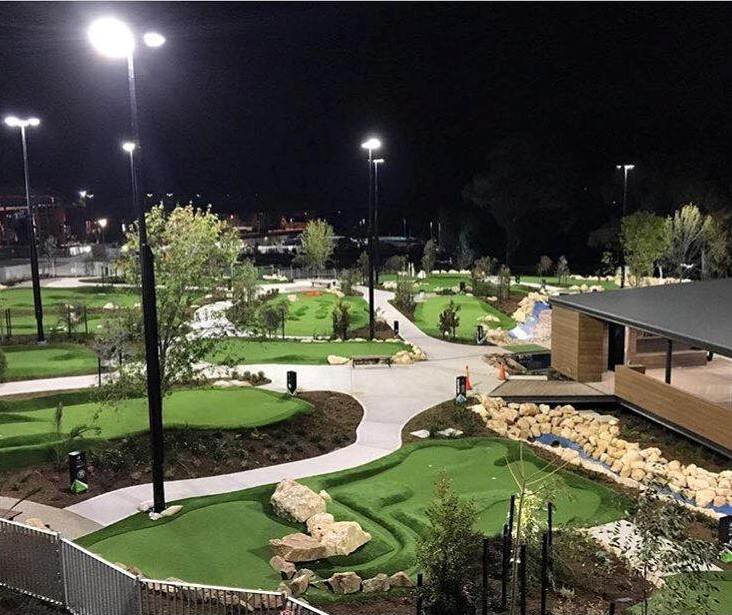
Image Source: minigolfcreations.com.au
Grasping Mini Golf Course Expenses
The mini golf course construction cost is not just one number. It has many parts. Each part adds to the final price. You need to think about land, design, and what you want to build.
Here are the main things that affect the cost:
- Size: How many holes do you want? More holes mean more space and more materials.
- Location: Where will it be? Land costs are very different in different places.
- Type: Is it for your home? For a business? Is it inside or outside?
- Design: Simple or fancy? Do you want a theme? Fancy designs cost more.
- Materials: What will you use for the greens, edges, and obstacles?
- Labor: Will you build it yourself, or hire pros?
- Added Fun: Lights, water features, special obstacles.
Let’s look at these costs in more detail.
Land and Location Costs
The place where you build your course matters a lot.
- Buying Land: If you need to buy land, this will be your biggest cost. Land prices change a lot. A small plot in a city can be very costly. A big plot in a rural area might be cheaper.
- Using Your Own Land: If you use land you already own, you save a lot. But you still need to prepare the ground. This means clearing trees, leveling the earth, and making sure water drains well. This can add to the
mini golf course construction cost.
Design and Planning Expenses
Before you build, you need a plan.
- Hiring a Designer: For a commercial course, you might hire a designer. They draw up plans for the holes, paths, and overall look. This can cost $5,000 to $20,000 or more. A good design makes a course fun and safe. It also helps with the flow of players.
- DIY Design: For a backyard course, you can draw your own plans. This saves money. But you need to think about how each hole works.
- Permits and Fees: Many places need you to get permits before you build. This is true for commercial courses. These fees can be hundreds or thousands of dollars. You might need permits for building, zoning, and environmental rules. Check with your local government early on.
Mini Golf Course Materials Cost
This is a big part of the budget. What you use makes a big difference.
- Turf (Putting Surface): This is the green carpet.
- Artificial Turf: Most courses use artificial turf. It looks like grass but needs less care. Good quality turf lasts long. It costs $2 to $10 per square foot. You need enough for all the putting greens and paths.
- Outdoor Carpet: Cheaper options exist, like outdoor carpet. It might not last as long. It can be $0.50 to $2 per square foot.
- Edging: This keeps the ball on the green.
- Rubber or Wood: Common and affordable. Rubber edging costs $1 to $3 per linear foot. Wood can be similar.
- Stone or Brick: These look nice but cost more. They can be $5 to $15 per linear foot.
- Hole Cups and Flags:
- Cups: Plastic cups are cheap, around $5-$10 each. Metal cups are stronger, $20-$50 each.
- Flags: Simple flags are $5-$15 each. Custom flags cost more.
- Obstacles and Features: This is where you get creative.
- Basic Obstacles: Tunnels, ramps, simple bumps. You can buy these for $50 to $500 each. Or you can make them from wood, PVC, or concrete.
- Themed Obstacles: Windmills, lighthouses, castles, animal shapes. These can cost $500 to $5,000 or more per piece. Custom-made ones are the most expensive.
- Water Features: Ponds, streams, waterfalls. These add a lot to the look. But they also add a lot to the cost. Think $1,000 to $10,000 for a simple feature.
- Lighting: For night play. LED lights are energy efficient. They can cost $500 to $5,000 or more for a full course.
- Landscaping Materials:
- Plants and Trees: Add beauty. Cost depends on type and size.
- Rocks and Mulch: For paths and decorative areas.
- Fencing: If you need to enclose the area.
- Foundation Materials:
- Gravel/Crushed Stone: For a good base under the turf. Helps with drainage.
- Sand: For leveling.
- Concrete: For strong bases or paths.
Here is a simple table showing some mini golf course materials cost estimates:
| Item | Cost Per Unit (Approx.) | Notes |
|---|---|---|
| Artificial Turf | $2 – $10 per sq ft | Quality and thickness vary. |
| Edging (Rubber/Wood) | $1 – $3 per linear ft | Basic boundary. |
| Edging (Stone/Brick) | $5 – $15 per linear ft | More durable, better look. |
| Hole Cups (Plastic) | $5 – $10 each | Standard. |
| Hole Cups (Metal) | $20 – $50 each | More durable. |
| Flags & Poles | $5 – $15 each | Basic designs. |
| Basic Obstacles | $50 – $500 each | Ramps, tunnels, simple shapes. |
| Themed Obstacles | $500 – $5,000+ each | Windmills, custom pieces. |
| Gravel/Sand | $20 – $60 per ton | For base and leveling. |
| Concrete | $100 – $150 per yard | For paths or strong foundations. |
| Basic Landscaping | $100 – $1,000+ | Plants, mulch, rocks. |
Labor Costs
Who builds your course? This makes a big difference.
- DIY (Do It Yourself): If you build it yourself, you save on labor. This is great for a
DIY mini golf course budget. But it takes a lot of time and effort. You need to know how to use tools. You also need to be able to lift heavy things. - Hiring Help: For commercial courses, you will need to hire people. This includes general workers, landscapers, and special builders for themes. Labor can be 40% to 60% of the total cost. This varies by region and how complex the build is. A professional team can build faster and with better quality.
Cost Breakdowns by Type of Mini Golf Course
The mini golf course construction cost changes a lot based on what kind of course you build.
How Much To Build A Backyard Mini Golf
A backyard course is usually small. It might have 1 to 9 holes. It is often built by the homeowner.
- Budget Range: $500 to $5,000.
- Low End ($500 – $2,000):
- Materials: Outdoor carpet or cheaper turf, simple wooden borders, plastic cups.
- Design: Very simple, maybe just a few bumps.
- Labor: All DIY.
- Example: Three to six basic holes with turf laid directly on prepared soil, simple wooden edges. You might use old tires or bricks for obstacles.
- Mid-Range ($2,000 – $5,000):
- Materials: Better quality turf, rubber edging, metal cups.
- Design: Some small ramps, simple tunnels, maybe a small theme.
- Labor: Mostly DIY, but maybe hire help for ground prep.
- Example: A 9-hole course. Each hole has a good base. Some basic obstacles. You might add some fun paint.
- Factors to Keep Costs Down:
- Use what you have. Re-use old wood, tires, or rocks.
- Keep it small. Fewer holes mean less material.
- Borrow tools instead of buying them.
- Do all the work yourself.
Commercial Mini Golf Course Price
Building a mini golf course for a business is a big project. It needs a lot more money and planning.
- Budget Range: $15,000 to $500,000+.
- Small Commercial Course (9-18 holes, basic): $15,000 – $75,000
- Land: You might already own the land. Or you might lease a space.
- Design: Simple, maybe pre-designed holes.
- Materials: Standard artificial turf, basic edging, simple obstacles.
- Labor: Professional crew for construction.
- Permits: Necessary for commercial use.
- Example: A basic 18-hole course. It has standard green turf. Some basic obstacles like ramps and pipes. Not much theme.
- Medium Commercial Course (18 holes, themed): $75,000 – $250,000
- Land: Could be bought or leased. Needs good location.
- Design: Custom design with a theme (e.g., pirate, jungle, space).
- Materials: High-quality turf, durable edging, custom-made themed obstacles.
- Labor: Skilled construction team, theme artists.
- Added Features: Better lighting, maybe a small water feature, benches, small snack stand area.
- Example: A very fun 18-hole course. It could look like a pirate ship. It has custom made pirate obstacles. It has good lighting. It has benches for people to rest.
- Large Commercial Course (18+ holes, elaborate theme park level): $250,000 – $500,000+
- Land: Prime location, often requires significant land purchase.
- Design: Highly detailed, immersive theme with many interactive elements.
- Materials: Top-tier turf, custom fabricated obstacles, durable everything.
- Labor: Large team of specialists (engineers, artists, builders).
- Added Features: Large water features, animated props, high-tech sound/light effects, club house, parking lot, restrooms.
- Example: A huge course that feels like you are in a movie. It has big waterfalls. It has moving animals. It has its own snack bar and restrooms. This is a very high-end build.
The average cost to build a mini golf course for commercial use is highly variable. It really depends on the level of detail and quality you want.
Indoor Mini Golf Course Cost Estimate
Building a mini golf course inside has its own costs.
- Budget Range: $20,000 to $200,000+.
- Space: You either need to buy or lease a building. This is often the biggest cost.
- Climate Control: You need heating and air conditioning. This adds to building costs and running costs.
- Lighting: Special lighting is often used. This includes blacklight golf. Blacklight golf needs special paint and lights. This makes it more expensive.
- Soundproofing: If it’s in a shared building, you might need soundproofing.
- Materials: Often use artificial turf. Obstacles might be lighter. They can be moved more easily.
-
Theming: Indoor courses often have strong themes. This can be things like glow-in-the-dark or cityscapes. This adds to the cost.
-
Low End ($20,000 – $60,000):
- Space: Using an existing, simple building.
- Materials: Basic turf, simple wood or plastic obstacles.
- Lighting: Standard lighting.
- Example: A 9-hole course in a rented warehouse space. Simple obstacles.
- Mid-Range ($60,000 – $150,000):
- Space: Nicer leased space.
- Materials: Better turf, custom obstacles.
- Lighting: Special effects lighting, maybe some blacklight features.
- Theme: A clear theme with painted walls and props.
- Example: An 18-hole course in a shopping center. It has a fun “space” theme. It uses blacklights.
- High End ($150,000 – $200,000+):
- Space: Large, custom-built space or renovated building.
- Materials: Top-tier turf, very detailed custom obstacles, interactive elements.
- Lighting/Sound: Advanced lighting, sound systems, animated props.
- Theme: Fully immersive experience with unique effects.
- Example: A very popular indoor spot. It has a full pirate ship inside. It has sound effects like waves. It has many rooms.
The indoor mini golf course cost estimate can be high because of the building and special effects needed for an indoor space.
Weighing DIY vs. Professional Build
You can save money by doing things yourself. But it takes time and skill.
DIY Mini Golf Course Budget
This is great for a backyard course.
- Pros:
- Lower Cost: You save a lot on labor. This is the core of a
DIY mini golf course budget. - Personal Touch: You can make it exactly how you want.
- Fun Project: It can be a rewarding hobby.
- Lower Cost: You save a lot on labor. This is the core of a
- Cons:
- Time: It takes much longer.
- Skill Needed: You need to be handy. Measuring, cutting, building.
- Tools: You might need to buy or rent tools.
- Quality: Might not be as durable as a professional build.
- Permits: Even for DIY, check if local rules apply.
- Tips for DIY:
- Start small. Build one hole at a time.
- Use recycled materials. Old tires, wood scraps, concrete blocks.
- Look for free plans online. Many websites offer ideas.
- Get help from friends and family.
Professional Mini Golf Course Construction
For commercial projects, hiring pros is almost always best.
- Pros:
- Quality: Higher build quality, more durable.
- Speed: They build much faster.
- Expertise: They know the best ways to build. They can handle complex designs.
- Safety: They build to code. This means it is safer for players.
- Warranty: Many builders offer a warranty on their work.
- Cons:
- Higher Cost: This is the main downside. Labor costs add up.
- Less Control: You hand over much of the work to others.
- When to Hire:
- For any commercial project.
- If you want a highly themed or complex course.
- If you lack the time or skills to do it yourself.
Beyond the Build: Ongoing Costs and Profitability
Building the course is just the start. You need to keep it nice. And if it’s a business, you want it to make money.
Mini Golf Course Maintenance Cost
A course needs regular care.
- Turf Care: Even artificial turf needs cleaning. You need to clear leaves and dirt. Sometimes you need to repair worn spots. Small repairs are cheap. Replacing a whole section of turf can be costly ($100-$500 for a patch).
- Obstacle Repair: Obstacles can break or get damaged. Repairs might be simple, like repainting. Or they might be complex, like fixing a broken motor on a windmill. Budget $100 to $500 per month for general repairs.
- Landscaping: If you have plants, they need watering and trimming. If you have paths, they need cleaning.
- Equipment: You need to buy golf balls and putters. These wear out and get lost. Budget $50-$200 per month for new equipment.
- Cleaning: Keeping the course clean is important. This means sweeping, wiping, and trash removal.
- Utilities (for commercial/indoor): Electricity for lights, water for features, heating/cooling for indoor spaces. These are ongoing costs.
- Staff (for commercial): You need people to manage the course. They greet guests, give out clubs, and clean.
On average, plan for mini golf course maintenance cost to be $200 to $1,000 per month for a commercial course. A backyard course costs much less, perhaps $50-$100 per year for materials and small repairs.
Mini Golf Course Profitability
Can a mini golf course make money? Yes, if it’s planned well.
- Revenue Streams:
- Ticket Sales: Main source of income. Prices are usually $5-$15 per person per round.
- Concessions: Snacks, drinks, ice cream. High-profit items.
- Party Packages: Birthday parties, group events. Charge more for these.
- Arcade Games: Some courses add arcade games for more fun and income.
- Merchandise: T-shirts, hats with your logo.
- Factors for Profitability:
- Location: High foot traffic or easily accessible areas are best.
- Attraction: A fun, well-designed course draws more people.
- Pricing: Find the right price that people will pay.
- Marketing: Let people know you are open. Use social media, ads.
- Customer Service: Friendly staff makes people want to come back.
- Operating Costs: Keep your daily running costs low.
- Break-Even Point: This is when your income equals your costs. A small commercial course might break even in 1-3 years. A very big one could take 3-5 years.
- Potential Earnings:
- A modest 18-hole course charging $10 per round could see 100 players on a busy day. That’s $1,000 a day. Over a good season (e.g., 6 months), that’s $180,000.
- After paying for staff, utilities, and maintenance, profits can range from $20,000 to $100,000+ per year for a well-run course.
The mini golf course profitability is clear. It can be a very good investment if done right.
Tips for Saving Money on Your Mini Golf Course
No matter your budget, you can find ways to cut costs.
- Start Small: If building for commercial use, begin with a 9-hole course. You can add more later. For backyard, start with a simple 3-hole course.
- Use Recycled Materials: Old tires, bricks, PVC pipes, wood scraps can become great obstacles.
- Do It Yourself (DIY) Where Possible: For ground prep, landscaping, or basic obstacle building, do the work yourself. This saves on labor.
- Shop Around for Materials: Get quotes from different suppliers for turf, edging, and other items. Buy in bulk if you can.
- Look for Sales: Keep an eye out for sales on outdoor carpet or turf.
- Simplify Design: Complex designs with many curves and levels cost more. Straight lines and simple shapes are cheaper.
- Choose a Basic Theme (or no theme): Elaborate themes need custom work, which is costly. A general garden theme uses natural elements and costs less.
- Borrow or Rent Tools: Instead of buying expensive equipment you will only use once, rent it or borrow from friends.
- Phase Your Project: Build the course in steps. Finish the greens first. Then add obstacles or landscaping over time as your budget allows.
- Research Local Regulations Early: Know what permits you need. Avoid fines or costly reworks later.
Frequently Asked Questions (FAQ)
Q1: How long does it take to build a mini golf course?
A1: A small backyard course might take a few weekends. A professional commercial course can take 3 to 6 months. Very large, complex courses can take a year or more.
Q2: What is the best turf for mini golf?
A2: Artificial putting green turf is best. It offers a smooth roll for the ball. It also needs less care than real grass. Look for turf made for putting greens.
Q3: Do I need permits to build a backyard mini golf course?
A3: For a simple backyard course, you might not need a building permit. But always check with your local city or county office. Rules change by location. If you plan to dig deep or change water flow, you might need a permit.
Q4: Is mini golf a good business investment?
A4: Yes, mini golf can be a very good business. It has low operating costs once built. It draws families and groups. Many courses make good money, especially if they are in a good spot and are well-maintained.
Q5: Can I build a mini golf course on uneven land?
A5: Yes, but it will cost more. Uneven land needs more work to level it. Or you can design the course to use the hills and slopes. This can add fun. But it needs more skill and planning.
Q6: What kind of obstacles are popular?
A6: Classic obstacles like windmills, ramps, and loops are always popular. Themed obstacles like castles, lighthouses, and animals are also big hits. Water features add a lot of charm.
Q7: How many holes should a commercial mini golf course have?
A7: Most commercial courses have 18 holes. This gives players a full game. Some have 9 holes. Or they have two 18-hole courses. This allows for more players.
Building a mini golf course is a big job. But it can be very rewarding. Whether it is for fun in your backyard or for a new business, knowing the costs helps you plan well. By thinking about design, materials, and labor, you can make a fun course that fits your budget.