
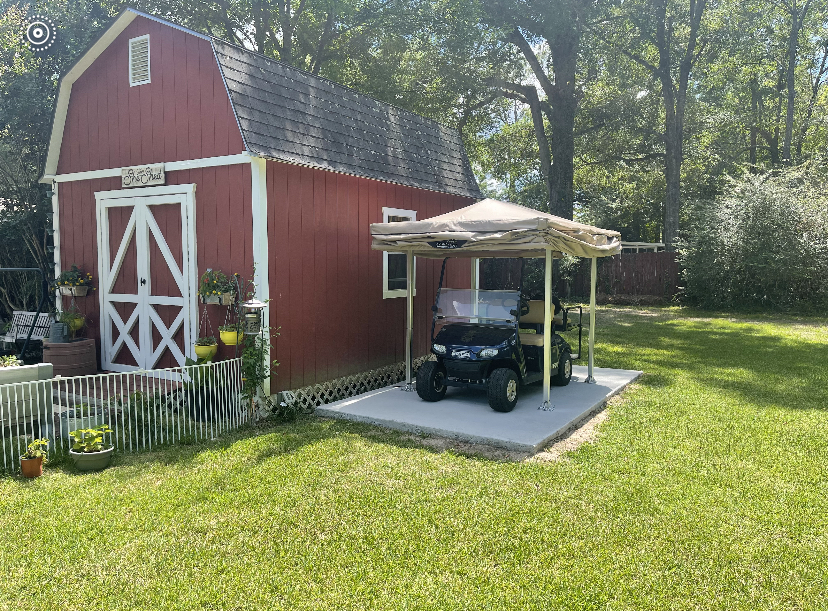
Image Source: touchlesscover.com
Can You Store A Golf Cart Outside In The Winter? Learn How.
Yes, you can store a golf cart outside in the winter. But you must take many steps to do it right. Simply leaving it out will cause big problems. Cold, snow, and ice can hurt your golf cart a lot. Proper care helps it last longer. It also makes sure it starts fine next spring. This guide will show you how to protect your golf cart outdoors all winter.
Why Outdoor Storage Is a Challenge
Winter brings many harsh things. Extreme cold can damage parts. Moisture from snow and ice can cause rust. Freezing rain is also a big danger. Wild animals and pests look for shelter. Your golf cart might look like a good home to them. All these things make outdoor storage risky. But you can lessen these risks with good planning.
Key Steps for Outdoor Golf Cart Winterization
Preparing your golf cart for winter outside is key. This process is called winterization. It helps your cart brave the cold months. It keeps big repair bills away. It also helps your cart work well next year.
The Essential Golf Cart Winterization Checklist
This list covers what you need to do. Follow these steps carefully. They apply to both gas and electric carts. Some steps are only for one type. We will explain those later.
- Clean the Cart: Wash your golf cart thoroughly. Remove all dirt and grass. Clean the seats, floor, and body. Dirt can hold moisture. This moisture can cause rust.
- Check Fluid Levels: For gas carts, check engine oil and coolant. For electric carts, check battery water levels. Make sure all are full and clean.
- Add Fuel Stabilizer (Gas Carts): This keeps fuel from going bad. Bad fuel can clog lines. It can also hurt your engine.
- Charge Batteries Fully: Both gas and electric carts have batteries. Charge them completely before storing.
- Disconnect Batteries: This stops power from draining. It helps batteries hold their charge.
- Check Tire Pressure: Inflate tires to the right pressure. This stops flat spots from forming.
- Lubricate Moving Parts: Grease all moving parts. This includes steering parts and linkages. This stops rust and helps them move freely.
- Protect from Pests: Block off any openings. Pests can build nests inside.
- Cover the Cart: Use a strong, waterproof cover. This is very important for outdoor storage.
- Choose a Good Spot: Find a place that is sheltered. A spot under a porch or awning is best.
A Closer Look at Cleaning Your Cart
Cleaning is the first step. It is very simple but important.
Use a mild soap and water. Wash the whole cart. Get rid of all mud and leaves. Pay special attention to the underside. Dirt here can trap moisture. This leads to rust.
Dry the cart completely. Do not let it air dry. Water spots can form. More importantly, leftover moisture can freeze. This can cause damage. A leaf blower works well for quick drying. A soft towel also works.
Fuel and Oil Care for Gas Carts
Gas golf carts need special fuel care. Fuel can go bad over time. Bad fuel turns into a gummy mess. This gummy mess can block fuel lines. It can also harm the engine.
Add a fuel stabilizer to the gas tank. Follow the directions on the stabilizer bottle. Run the engine for a few minutes after adding it. This makes sure the stabilizer reaches all parts of the fuel system. This includes the carburetor and fuel lines.
Check the engine oil. Change it if it looks dirty. Old oil can have acid. This acid can harm engine parts. Use the right type of oil for your cart.
Check the coolant. Make sure it is full. It should have enough anti-freeze. This stops the engine block from cracking.
Shielding Your Cart: The Right Cover Matters
A good cover is your cart’s best friend in winter. It acts like a coat. It protects the cart from snow, ice, and cold winds. Not just any cover will do. You need one made for outdoor use.
Choosing an Outdoor Golf Cart Cover for Winter
When picking a cover, look for certain things.
* Material: It must be waterproof. It should also be breathable. This means it lets moisture out. If it doesn’t breathe, moisture can get trapped under it. This can lead to mold or rust. Look for materials like heavy-duty polyester. Many covers have a special coating for water protection.
* Fit: The cover should fit your cart well. Too loose, and wind can blow it off. Too tight, and it might rip. Check your cart’s make and model. Buy a cover made for that size.
* Features: Look for features like elastic hems. These help the cover stay on tight. Straps and buckles are also good. They keep the cover from blowing away in strong winds. Vents are good for breathability.
* Durability: Winter weather is harsh. The cover must be strong. It should not tear easily. A UV-resistant cover is also good. It will last longer under sun exposure.
Protecting Golf Cart From Snow and Ice
Snow and ice can be very heavy. They can put a lot of weight on your golf cart. This weight can damage the roof or frame.
Effects of freezing rain on golf carts are very serious. Freezing rain forms a layer of ice. This ice can be heavy. It can also get into small cracks. When water freezes, it expands. This expansion can crack plastic parts. It can damage wires. It can even hurt metal parts.
To protect against snow and ice:
* Use the cover: A strong, waterproof cover is the first line of defense. It sheds most of the snow and ice.
* Clear snow: If there is heavy snowfall, clear snow from the cover. Do this gently. Use a broom or soft brush. Do not use a shovel. A shovel can tear the cover.
* Park smart: Park your cart where snow does not drift much. Under a car porch or awning is ideal. This gives extra protection from falling snow and ice.
* Raise the cart: If possible, raise your cart off the ground. This stops tires from freezing to the ground. It also keeps the undercarriage drier. You can use jack stands or wood blocks.
Powering Through Winter: Battery Care
Batteries hate cold weather. They lose power faster in the cold. Extreme cold can even ruin them. Proper battery care is vital for both electric and gas carts.
Cold Weather Golf Cart Battery Storage (Electric Carts)
Electric golf carts run on large battery banks. These batteries are very sensitive to cold.
Electric golf cart freezing temperatures can cause big problems. When batteries are not fully charged, the water inside them can freeze. This is because a discharged battery has more water and less sulfuric acid. Water freezes at a higher temperature than acid. When the water freezes, it expands. This expansion can crack the battery case. A cracked battery is ruined.
Follow these steps for electric golf cart battery storage:
1. Charge fully: Before storing, fully charge all batteries. Use your cart’s charger. A full charge makes the acid stronger. This lowers the freezing point of the liquid inside.
2. Check water levels: If you have lead-acid batteries, check the water levels. Add distilled water if needed. Do this after charging. Never overfill.
3. Clean battery tops: Wipe down the tops of the batteries. Remove any dirt or corrosion. This stops current from leaking.
4. Disconnect: Disconnect the main battery cables. Start with the negative cable first. Then disconnect the positive cable. This stops any power drain.
5. Remove if possible: The best choice is to remove the batteries. Store them in a warm, dry place. A garage or basement is perfect. This saves them from the cold.
6. Charge often: If you cannot remove the batteries, check them often. Charge them every 4-6 weeks. Use a “trickle charger” or “battery maintainer.” This keeps them full without overcharging. It stops them from freezing.
Gas Golf Cart Winter Storage Precautions (Gas Carts)
Gas golf carts also have a battery. This battery starts the engine. It is much smaller than electric cart batteries. But it still needs care.
* Charge it: Charge the battery fully before storing.
* Clean it: Clean the battery posts. Remove any white or blue stuff. This is corrosion.
* Disconnect it: Disconnect the battery cables. This stops it from losing power slowly.
* Remove it: It is a good idea to remove the gas cart battery. Store it inside your home. A warm place keeps it healthy.
* Charge it often: If you leave it in the cart, use a battery maintainer. Or charge it every few weeks.
Preparing Your Cart: A Step-by-Step Guide
Beyond covers and batteries, other parts of your cart need attention. This makes sure your how to prepare golf cart for winter outside plan is complete.
How to Prepare Golf Cart for Winter Outside
Think of this as a deep cleaning and check-up.
1. Wash and Dry Completely: As mentioned before, wash the entire cart. Pay attention to the underside. Make sure it’s completely dry. Any water left can freeze and expand.
2. Inflate Tires to Max PSI: Check your tire’s side wall. It will show the max PSI (pounds per square inch). Inflate tires to this maximum. This helps prevent flat spots.
3. Block Up the Cart (If Possible): If you can, lift the cart off its tires. Use jack stands or wood blocks. This takes the weight off the tires. It stops flat spots from forming. It also extends tire life.
4. Lubricate All Moving Parts: Use a good grease or spray lubricant. Apply it to all pivot points. This includes:
* Steering linkage
* Brake cables
* Accelerator linkage
* Suspension parts
* Bushings
This stops rust. It also keeps parts moving smoothly.
5. Check Brakes: Make sure the brakes work well. Adjust them if needed. You want them ready to go in the spring.
6. Protect Against Pests: Mice and other critters love warm, dark places. Your golf cart is a perfect spot. They can chew wires. They can build nests.
* Stuff steel wool into exhaust pipes.
* Block air intake vents.
* Use dryer sheets inside the cart. Pests hate the smell.
* Place mouse traps nearby.
* Close all windows and doors on your golf cart.
Guarding Your Golf Cart’s Tires
Tires are important. They are the only part that touches the ground. Cold and weight can cause them harm.
Preventing Golf Cart Tire Damage in Winter
- Proper Inflation: We talked about this before. Keep tires at max pressure. This is the simplest step. It spreads the weight evenly. This stops the rubber from flattening in one spot.
- Lift the Cart: Lifting the cart off the ground is the best way to save tires. If the cart sits all winter, the rubber can get a flat spot. This happens because the weight is always on one part of the tire. When you lift it, no weight is on the tires.
- Move the Cart: If you cannot lift the cart, move it every few weeks. Roll it a few feet back and forth. This changes where the weight sits on the tires. It helps stop flat spots.
- Clean Tires: Before storing, clean your tires. Remove any mud or grime. These can hold moisture against the rubber. This can cause the rubber to crack.
- Avoid Direct Sunlight: Even in winter, sun can harm rubber. UV rays can make tires crack. If possible, store the cart in a shady spot. The cover helps with this too.
- Check for Cracks: Before storing, look at your tires. Check for any small cracks. Cold weather can make small cracks bigger. Fix them now or plan to replace them in spring.
Best Practices for Golf Cart Outdoor Storage
Beyond the specific steps, general good habits matter. These best practices for golf cart outdoor storage ensure peace of mind.
- Location, Location, Location: Pick the best possible spot.
- Level Ground: Park on a flat, even surface. This keeps the cart stable. It prevents uneven pressure on parts.
- Sheltered Area: A car porch, awning, or even a sturdy lean-to helps a lot. This gives an extra layer of protection from snow, ice, and direct cold wind.
- Away from Drains: Do not park near downspouts or areas where water collects. You do not want water pooling around your cart.
- Good Drainage: Make sure the ground drains well. You want water to run away from the cart, not towards it.
- Regular Checks: Even with good preparation, check on your cart often.
- Look under the cover: Is it still secure? Is there any damage?
- Check for pests: Are there any signs of animals?
- Clear snow: Remove heavy snow from the cover.
- Check battery (if not removed): Test the charge level.
- Security: If your cart is outside, it might be an easy target.
- Lock the brake.
- Remove the key.
- Consider a wheel lock or a chain.
- Park it in a visible spot if you have security cameras.
- Ventilation: Even under a cover, some airflow is good. It stops moisture buildup. That’s why breathable covers are important. Avoid sealing the cart completely.
- Documentation: Keep a record of what you did. Note when you winterized. Note when you checked the battery. This helps you remember what’s done.
Long-Term Benefits of Proper Winter Storage
Taking the time to store your golf cart right has many perks.
* Extends Cart Life: Proper care means fewer repairs. Your cart will last many more years. It saves you money in the long run.
* Maintains Performance: When spring comes, your cart will be ready. It will start easily. It will run smoothly. You won’t have to deal with dead batteries or rusty parts.
* Saves Money: Replacing parts like batteries, tires, or even engines costs a lot. Winterization prevents these costly repairs. It is an investment in your cart’s future.
* Better Resale Value: A well-cared-for cart holds its value. If you ever decide to sell it, proper storage shows. Buyers will pay more for a cart that has been looked after.
* Peace of Mind: You won’t worry about your cart in the cold. You will know it is safe and sound.
Frequently Asked Questions (FAQ)
Q1: Can I just throw a simple tarp over my golf cart for winter storage?
No, a simple tarp is not enough. Tarps can trap moisture underneath. This moisture can lead to mold, mildew, and rust. A good outdoor golf cart cover for winter is breathable and waterproof. It also fits better and has secure straps. This provides much better protection.
Q2: How often should I check my golf cart battery if it’s stored outside?
If you cannot remove the battery, check its charge level every 4 to 6 weeks. Use a battery maintainer or smart charger. This keeps the battery at a full charge. A full battery is much less likely to freeze and get ruined in cold weather.
Q3: What happens if I don’t winterize my golf cart and leave it outside?
Many bad things can happen. The battery can freeze and crack. Fuel can go bad and clog the engine. Tires can develop flat spots. Rust can form on metal parts. Pests can build nests and chew wires. Overall, your cart can suffer costly damage. It might not start in the spring.
Q4: How cold is too cold for an electric golf cart battery?
A fully charged electric golf cart battery can withstand temperatures down to about -50°F (-45°C). However, a discharged battery can freeze at much warmer temperatures. For example, a 50% charged battery might freeze around 15°F (-9°C). A fully discharged battery can freeze near 20°F (-6°C). This is why keeping batteries fully charged or removing them is so important for electric golf cart freezing temperatures.
Q5: Should I remove the tires when storing my golf cart outside?
No, you do not need to remove the tires. It is better to just take the weight off them. You can do this by lifting the golf cart onto jack stands or wood blocks. This prevents flat spots. It also helps preserve the tires.
Q6: Can I start my golf cart every few weeks during winter storage?
For gas carts, starting the engine briefly (a few minutes) after adding fuel stabilizer can help. But generally, it’s not needed if you’ve done proper winterization. For electric carts, starting it is not necessary. The focus is on battery charge. Frequent starting can use up the battery power. This makes it more likely to freeze. Stick to the charging schedule.
Storing a golf cart outside in winter is possible. It needs careful steps. But with the right care, your cart will be safe. It will be ready for many fun rounds in the spring.