
How often to replace golf clubs? This is a common question for golfers. There is no one-size-fits-all answer. Your golf clubs do wear out over time. This wear changes how well they work. The exact moment to get new clubs depends on many things. It depends on how much you play. It depends on how you care for your clubs. It also depends on how you hit the ball. Paying attention to these things helps you know when new clubs are needed. This guide will help you spot the signs. It will also help you figure out the golf club lifespan for different clubs.
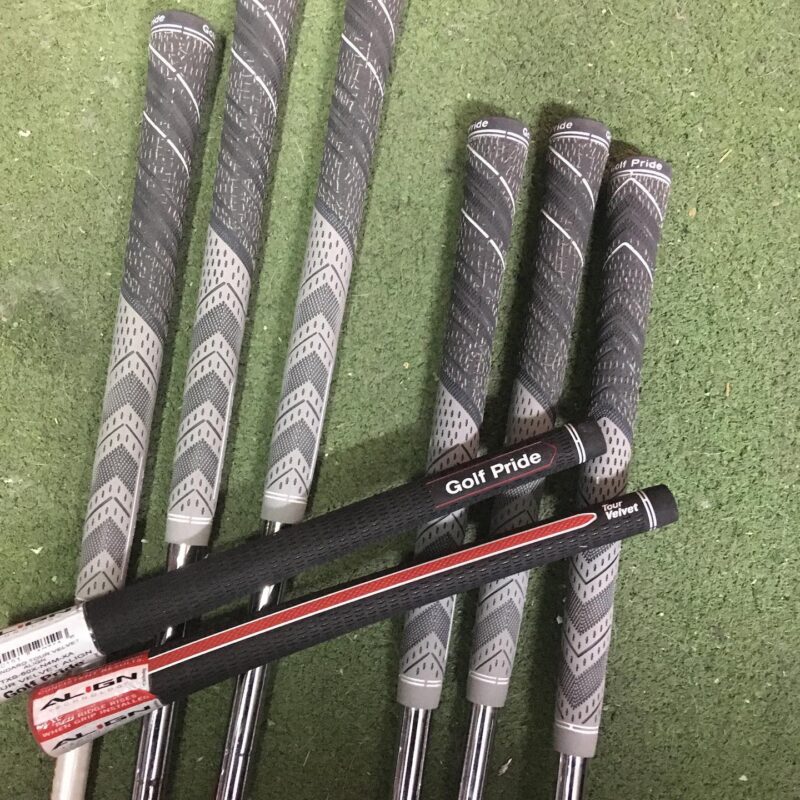
Image Source: highperformancegolf.com
Factors Affecting Golf Club Lifespan
How long your golf clubs last varies greatly. Several key things play a big role. These things affect how fast your clubs show signs of wear.
Play Frequency and Intensity
How often do you play golf? Do you hit many balls at the driving range? More play means more wear. A golfer who plays once a month will see less wear than someone who plays three times a week. Hitting golf balls is a forceful act. It slowly breaks down the club materials. Stronger swings also cause more stress on the clubface and shaft. If you have a very fast swing speed, your clubs might wear out faster.
Care and Maintenance
How well you care for your clubs matters a lot.
* Cleaning: Not cleaning your clubs often lets dirt build up. This dirt can wear down grooves and faces.
* Storage: Storing clubs in a hot car or a damp garage can harm them. Extreme temperatures can weaken shafts. Moisture can cause rust.
* Grips: Grips wear out faster than club heads. Worn grips make it harder to hold the club. This affects your swing and club feel. Replacing grips often helps extend the life of your clubs’ playability.
Club Material Quality
Clubs are made from different materials.
* Drivers: Often made from titanium or carbon composite. These are light but strong. They can still dent or crack over time.
* Irons: Usually made from steel. Forged irons are softer. They might show face wear faster. Cast irons are harder. They can be more durable but offer less feel.
* Wedges: Often made from softer steel. This helps create spin. But softer steel wears out grooves faster.
The quality of the material and how it’s made affects how long a club lasts.
Signals for Club Replacement
How do you know it’s time for new clubs? Your clubs will show you signs golf clubs need replacing. These signs can be visual. They can also be how the club performs. Noticing these signs is key to keeping your game at its best.
Visible Wear and Damage
Look closely at your clubs.
* Dents and Cracks: Check the clubhead, especially on drivers and woods. A dent or crack can change how the club performs. It can also lead to bigger damage. This is a clear sign for replacement.
* Worn Grooves: Grooves on irons and wedges are vital. They help grip the ball and create spin. When grooves are worn down, they look shiny and shallow. They won’t grab the ball as well. This leads to less spin and control. This is a major sign for wedges.
* Rusty or Pitted Clubfaces: Rust or small pits on the clubface affect ball contact. This can cause inconsistent shots.
* Worn Grips: Grips are the first thing to wear out. They become smooth, shiny, and hard. They lose their tackiness. Worn grips make it hard to hold the club firmly. Your hands might slip. This can mess up your swing. You might squeeze the club too hard. While you can replace grips, very worn grips often mean the clubs are old.
* Shaft Damage: Look for bends, dents, or cracks in the shaft. Even small damage can change how the shaft flexes. This affects distance and accuracy. Carbon fiber shafts can fray or splinter. Steel shafts can rust or bend.
Performance Degradation
Sometimes, your clubs look fine. But they do not feel or play the same. This is golf club performance degradation.
* Loss of Distance: Are your shots shorter than they used to be? Worn clubfaces, especially on drivers and irons, lose their “spring.” This means less ball speed and distance.
* Loss of Spin Control: For irons and wedges, worn grooves mean less spin. The ball will not stop as quickly on the green. It will roll out more. This makes it harder to control shots.
* Inconsistent Ball Flight: Are your shots flying off line more often? Do you hit hooks or slices that you did not before? Worn clubs can cause erratic ball flight. The sweet spot might feel different.
* Changes in Sound and Feel: Does your driver sound dull when you hit it? Do your irons feel dead? A change in the sound or feel of a club often means something is off. The club might have internal damage. It might have lost its original design properties.
Changes in Your Game
As your game improves, your old clubs might not fit you anymore.
* Skill Improvement: If your swing speed changes, or your swing path becomes more consistent, your old clubs might not be ideal. You might need different shaft flex or clubhead design.
* Physical Changes: As you age, your swing speed might slow down. Or you might become stronger. These changes can mean your current clubs are no longer suited for your body.
Replacing Specific Club Types
Different golf clubs wear out at different rates. Knowing this helps you plan for replacements.
Drivers
The driver replacement frequency is often tied to technology. Drivers hit the ball with the most force. They also use the newest tech.
* Lifespan: A driver’s lifespan can be 3 to 5 years for active golfers. For casual players, it can be 7 to 10 years or more.
* Wear Signs: Look for dents or cracks on the clubface or crown. The face can lose its “trampoline effect.” This means less ball speed and distance. Small scratches are normal. Big dents are not.
* Technology Impact: Driver technology changes fast. New drivers often offer more forgiveness or distance. This is due to new materials or face designs. Even if your old driver is not broken, a newer model might offer a big advantage. Many golfers upgrade drivers every 3-5 years because of golf equipment technology changes.
Irons
Iron set longevity is generally good. Irons are durable.
* Lifespan: A set of irons can last 7 to 12 years for regular players. For less frequent players, they can last 15 years or more.
* Wear Signs: The main wear on irons is on the clubface and grooves. Look for shiny, shallow grooves. Especially on scoring irons (7-iron down to pitching wedge). The leading edge of the sole can also wear down. This changes how the club goes through the turf. Rust or pitting on the face can also be an issue. Shafts can become fatigued over time, especially if you have a fast swing.
* Replacing Individual Irons: You do not always need to replace a full set. Sometimes, you might replace a favorite iron. Or a set of scoring irons, as they wear out faster.
Wedges
Wedges are the shortest-lived clubs in your bag. They take a lot of abuse.
* Lifespan: Wedges need replacing often. For active golfers, this can be every 1 to 3 years. For casual players, maybe every 3 to 5 years.
* Wear Signs: The biggest factor for wedges is wedge groove wear. Grooves are vital for spin and control around the green. They wear down quickly from hitting sand, rough, and practice balls. When grooves are shallow, your wedge shots will have less spin. The ball will roll out more. The sole (bottom) of the wedge can also wear. This changes the bounce angle. This affects how the club interacts with the ground.
* Importance of Spin: Many pro golfers replace their wedges often to keep maximum spin. This is a crucial part of their game. For amateur golfers, new wedges can also improve short game control.
Putters
Putters are different. They rarely wear out in terms of performance.
* Lifespan: A putter can last a lifetime. Unless it is badly damaged.
* Wear Signs: Look for severe dents or bends. These can change the putter’s balance or alignment. Grips on putters wear out like other grips.
* Reason for Replacement: Most putter changes come from feel or preference. New putter designs come out often. These might offer better alignment aids or different weighting. A golfer might change putters to find one that feels better. Or one that gives them more confidence on the green.
Woods and Hybrids
Fairway woods and hybrids are similar to drivers in material. They are usually very durable.
* Lifespan: These clubs can last 5 to 10 years or more. This depends on how often you use them.
* Wear Signs: Look for dents or cracks on the clubhead or face. The face can lose its spring, just like a driver. Scratches on the sole from hitting the ground are normal. Deep gouges or cracks are a problem. Shafts can also weaken or crack over time.
When to Opt for New Clubs
It is not just about wear. Other reasons make it a good time for when to upgrade golf clubs.
Golf Equipment Technology Changes
Golf technology moves fast. New clubs often bring real improvements.
* Driver Evolution: Drivers saw big changes in the past (e.g., bigger clubheads, new materials). Today, changes are smaller but still important. New designs focus on forgiveness, ball speed, and adjustability. These features can help your game.
* Iron Advancements: Irons have changed too. They now have thinner faces for more speed. They have better weighting for forgiveness. And stronger lofts for more distance.
* Fitting Technology: Club fitting has also grown. New clubs can be custom-fit to your swing. This includes shaft flex, club length, lie angle, and grip size. A proper fitting can make a big difference. Even a club in good shape might not be the best fit for your swing.
* Benefits of Newer Models: Newer clubs often offer more forgiveness on off-center hits. They can give higher launch angles and lower spin. These changes can lead to more distance and straighter shots. Staying up-to-date can give you an edge. Especially if your current clubs are very old.
Skill Improvement and Personal Changes
As you play more, your golf swing might change.
* Swing Speed: If your swing speed gets faster or slower, your shaft flex might be wrong. A shaft that is too stiff or too flexible hurts performance.
* Swing Path and Tempo: As your swing becomes more consistent, you might benefit from clubs designed for better players. These clubs might offer more workability.
* Physical Health: Injuries or aging can change your swing. New clubs, perhaps with lighter shafts or more forgiving heads, can help you keep playing well.
* Game Goals: If you start taking golf more seriously, you might want clubs that offer more control. Or clubs that are better for shaping shots.
Irreparable Damage
Sometimes, a club gets broken beyond repair. A bent shaft, a cracked face, or a deep dent means the club is done. Trying to fix it might cost more than a new one. Or the repair might not restore its performance.
Desire for a New Look or Feel
Sometimes, you just want something new. A fresh set of clubs can boost confidence. They can make you excited to play. This “feel good” factor is real. It can help your game, even if your old clubs were still fine.
The Average Club Age
Many golfers wonder about the average golf club age. It is important to know that these are just averages. Your personal usage will make the biggest difference.
Here is a general guide:
| Club Type | Average Lifespan (Years) | Key Factors Affecting Life |
|---|---|---|
| Driver | 3-5 (Active Player) | Face wear, technology changes, dents/cracks |
| 7-10+ (Casual Player) | ||
| Fairway Woods | 5-7 (Active Player) | Face wear, dents/cracks, shaft integrity |
| Hybrids | 5-7 (Active Player) | Face wear, dents/cracks, shaft integrity |
| Irons (Full Set) | 7-12 (Active Player) | Groove wear (especially scoring irons), face wear, shaft fatigue |
| 15+ (Casual Player) | ||
| Wedges (Pitching, Sand, Lob) | 1-3 (Active Player) | Groove wear (most critical), sole wear |
| 3-5 (Casual Player) | ||
| Putter | 15+ (Lifetime) | Rarely wears out; replacement usually for feel/preference/damage |
Remember, these numbers are guidelines. A club cared for well and played rarely will last much longer. A club used often and hit hard will wear out faster.
The Impact of Wear
When golf clubs do golf clubs wear out, it directly impacts your score. This is where golf club performance degradation really hurts.
Lost Distance
Worn clubfaces, especially on drivers and woods, lose their spring. This means the ball does not leave the face as fast. You lose yards on your drives and longer iron shots. This can make holes play longer than they should. It might force you to hit harder. Or use a longer club than normal.
Reduced Spin and Control
This is most clear with wedges and irons. Worn grooves cannot grip the ball well.
* Less Backspin: Shots will fly lower. They will roll out more on the green. This makes it harder to stop the ball near the pin.
* Side Spin Issues: Less efficient contact can also lead to more side spin. This means more hooks and slices. Shots will not go where you aim.
Inconsistent Ball Striking
As clubs age, their balance can change. The sweet spot might feel different. This leads to inconsistent contact. One shot might feel pure, the next might feel dead. This makes it hard to trust your clubs. It hurts your confidence on the course.
Poor Feel and Sound
A club that used to feel solid might start feeling “clunky” or “dead.” The sound might change from a crisp crack to a dull thud. These changes mean the club is no longer working as it should. This can mess with your mental game.
Caring for Your Clubs
Extending your golf club lifespan is easy. Good care goes a long way.
Keep Them Clean
After every round, wipe down your clubs. Use a wet towel to clean the faces and grooves. A soft brush can help get dirt out of grooves. Dry them completely before putting them away. This stops rust and grime build-up.
Store Them Properly
Store your clubs indoors in a dry place. Avoid hot car trunks or damp garages. Extreme temperatures can damage shafts and grips. Use headcovers on your woods and hybrids. This protects them from dings and scratches. Many golfers use iron covers for extra protection.
Replace Grips Regularly
Grips wear out faster than the clubs themselves. Replace grips every 1 to 2 years for active golfers. Or every 40-60 rounds. Worn grips make it hard to hold the club. This can make you grip too tightly. It affects your swing and comfort. New grips feel great and restore confidence.
Check for Damage Often
Before each round, quickly check your clubs. Look for dents, cracks, or loose parts. Catching small problems early can prevent bigger damage.
Concluding Thoughts
Deciding when to replace golf clubs is a mix of art and science. There is no magic number of years. Pay attention to how often you play. Watch for the visible signs of wear. Notice any drop in how your clubs perform. Remember, do golf clubs wear out? Yes, they do. Their performance fades over time.
Think about your golf goals. Are you trying to improve? New clubs can give you a boost. Keep an eye on golf equipment technology changes. These can offer real advantages. Regular maintenance helps your clubs last longer. But eventually, even the best clubs reach the end of their useful life. Replacing them at the right time ensures you play your best golf. It helps you get the most enjoyment from the game.
Frequently Asked Questions (FAQ)
Q: Can I just replace one club instead of a whole set?
A: Yes, absolutely! Wedges are often replaced one by one. You might also replace a driver or a single iron that gets damaged. You do not need to buy a full new set at once.
Q: Do more expensive golf clubs last longer?
A: Not always. Expensive clubs often use premium materials. These materials might be more durable. But they can also be softer for feel. Softer materials like those in some forged irons or wedges can show wear faster. Durability depends more on material and use than just price.
Q: How often should I re-grip my golf clubs?
A: You should re-grip your clubs every 1 to 2 years if you play regularly. Or after 40-60 rounds. Even if they look okay, grips lose their tackiness and firmness. This makes it harder to hold the club. Replacing grips is a cheap way to feel like you have new clubs. It greatly improves your connection to the club.
Q: Will new clubs really improve my game?
A: New clubs can improve your game, especially if your old clubs are worn out. They can offer more distance or forgiveness. They can also improve spin. A proper club fitting is key here. Fitted clubs match your swing. This helps you get the most from new technology. New clubs can also boost your confidence. This alone can help you play better.
Q: What is the biggest sign my driver needs replacing?
A: The biggest sign is a loss of distance or a dull sound. If your drives are shorter. Or if the driver sounds dead when you hit it. This often means the face has lost its spring. Also, look for dents or cracks on the face or crown. These are clear signs.