
Is Your Back Pain Golf-Related? Can Golf Cause Sciatica?
Yes, golf can cause sciatica or make it worse. The forceful, twisting motions in a golf swing put a lot of stress on your lower back. This stress can lead to problems that pinch the sciatic nerve, causing pain. If you feel shooting pain, numbness, or tingling down your leg, especially after playing golf, it could be sciatica.
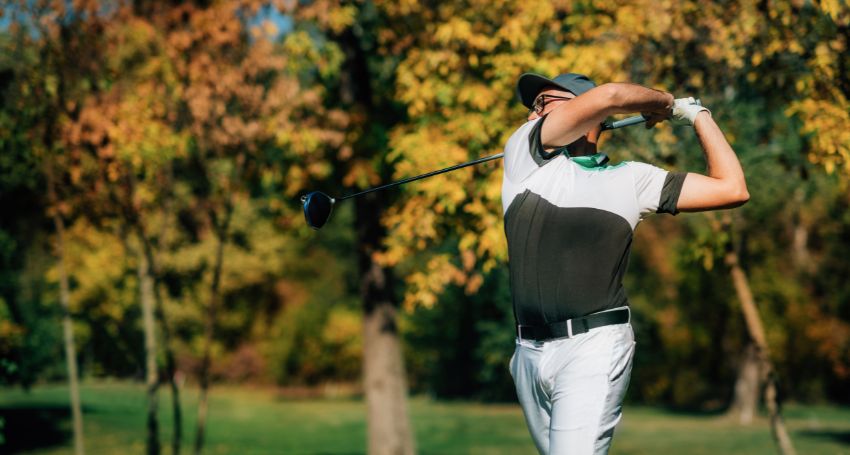
Image Source: swingfit.net
How Golf Can Affect Your Sciatic Nerve
Golf looks like a smooth sport, but it asks a lot from your body. The golf swing is a fast, powerful move. It involves twisting, bending, and extending your back. These motions happen very quickly. Over time, or with one bad swing, this can strain your lower back. This can lead to pain in your lumbar spine.
The sciatic nerve is the longest nerve in your body. It runs from your lower back, through your hip, and down each leg. When this nerve gets pressed or irritated, you feel sciatica. Golf can be a big reason for this irritation.
Deciphering the Sciatica-Golf Connection
Many things in golf can lead to sciatica. It’s often not one single thing. It’s a mix of how you swing, how fit you are, and old injuries. Let’s look at the main reasons why golf can hurt your back and cause sciatica.
The Golf Swing and Your Lower Back
The golf swing is a complex movement. It puts a lot of stress on your spine. This stress is especially true for your lower back. When you swing a golf club, your body goes through several phases. Each phase can stress your lumbar spine. This stress can lead to golf swing lower back pain.
Hitting the Ball: Force and Twist
During the backswing, your upper body turns a lot. Your hips turn less. This creates a twist in your lower back. This twist can be very hard on your spinal discs. It can also strain the muscles around your spine.
Then, during the downswing, you untwist and power through the ball. This part of the swing is very fast. It creates huge forces on your spine. If your body isn’t ready for this, problems can arise. A sudden twist or turn can cause damage. It might push a disc out of place. This can lead to nerve pain. This is a common way the golf swing can be aggravating sciatica.
Common Swing Mistakes that Hurt Your Back
Many golfers make mistakes that hurt their backs.
* Reverse Spine Angle: This happens when your upper body leans towards the target during your backswing. Your lower back arches too much. This puts a lot of pressure on the discs in your lower back.
* Sway or Slide: This is when your hips move too much side-to-side. It adds extra stress to your spine. It makes your back work harder to keep you stable.
* Over-Rotation: Turning your upper body too much without proper hip turn. This twists your lower spine beyond its safe limits.
* Poor Finish: If you don’t finish your swing in a balanced way, your back can take the hit. It might twist awkwardly.
These swing flaws can increase the pressure on your spinal discs. They can also make muscles tense. This can lead to nerve compression.
Specific Back Problems in Golfers
Several conditions can lead to sciatica. Golf can cause or worsen these issues.
Herniated Disc Golf: When Discs Slip
Between each bone in your spine are soft, jelly-like discs. They act as shock absorbers. A herniated disc golf injury happens when one of these discs pushes out. It can press on nearby nerves, like the sciatic nerve.
The powerful twisting and compression of a golf swing can cause a disc to bulge or rupture. When this happens, you often feel sharp pain. This pain can go down your leg. It is a common cause of sciatica in golfers. The sudden load on your spine when you hit the ball can be the trigger.
Piriformis Syndrome Golfers: A Muscle Problem
The piriformis muscle is a small muscle deep in your buttock. It runs near the sciatic nerve. In some people, the sciatic nerve even goes through this muscle. If this muscle gets tight or spasms, it can squeeze the sciatic nerve. This causes pain that feels much like sciatica. This is called piriformis syndrome.
Golfers are prone to piriformis syndrome. The repeated hip rotation in the golf swing can make the piriformis muscle tight. Sitting for long periods, like in a golf cart, can also make it worse. If you have pain that starts in your buttock and goes down your leg, think about piriformis syndrome. It’s a very common issue for golfers.
Nerve Compression Golf: Pressure on the Nerve
Sciatica is simply pain caused by nerve compression. This means something is pressing on your sciatic nerve. This pressure can come from different sources.
* A herniated disc.
* Bone spurs.
* Tight muscles, like the piriformis.
* Narrowing of the spinal canal (spinal stenosis).
The forces from golfing can create or worsen any of these problems. The repeated motion can lead to nerve compression over time. Or a single, strong swing can cause sudden nerve compression golf issues.
Lumbar Spine Golf Pain: General Back Ache
While sciatica is specific nerve pain, many golfers also feel general lumbar spine golf pain. This is pain in the lower back itself. This can be muscle strain, ligament sprain, or joint issues. This pain often comes before full-blown sciatica. It’s a sign that your back is stressed. Ignoring this pain can lead to more serious nerve problems.
Table: Common Golf-Related Back Issues
| Condition | Description | How Golf Can Affect It | Typical Sciatica Link |
|---|---|---|---|
| Herniated Disc | A disc between spinal bones bulges or ruptures, pressing on nerves. | Forceful twisting and compression in swing; sudden impact. | Direct pressure on sciatic nerve; common cause of true sciatica. |
| Piriformis Syndrome | The piriformis muscle in the buttock tightens or spasms, compressing the sciatic nerve. | Repeated hip rotation in swing; muscle overuse; prolonged sitting. | Sciatic nerve squeezed by muscle; mimicry of sciatica. |
| Muscle Strain/Sprain | Overstretching or tearing of back muscles or ligaments. | Overuse; sudden jerky movements; poor warm-up; swing flaws. | Can lead to muscle spasms that irritate nerves; precursor to nerve pain. |
| Spinal Stenosis | Narrowing of the spinal canal, putting pressure on nerves. | Golf can aggravate existing stenosis due to extension and compression. | Nerve compression due to narrowed space. |
| Facet Joint Syndrome | Arthritis or inflammation of the small joints in the spine. | Repeated extension and rotation in the swing irritate these joints. | Inflammation can cause radiating pain that mimics sciatica. |
Risk Factors for Golf-Related Sciatica
Not all golfers get sciatica. Some factors make you more likely to develop it.
Poor Sciatica Golf Posture
Your setup before you swing matters a lot. If your sciatica golf posture is bad, it puts extra stress on your back.
* Too much hunching: Rounds your upper back.
* Too much arching: Overextends your lower back.
* Wrong weight distribution: Can make your back unstable.
A good golf posture helps protect your spine. It lets your body turn without too much stress. If your posture is off, your swing forces might not go through your body well. This can push the strain onto your lower back.
Lack of Physical Fitness
If your core muscles are weak, your back works too hard. Your core muscles act like a natural back brace. They keep your spine stable during the swing. If these muscles are not strong, your spine takes more load. This raises your risk of injury.
Also, if you lack flexibility, especially in your hips and hamstrings, your back will try to make up for it. Tight hamstrings can pull on your pelvis, leading to lower back strain. This can make sciatica worse.
Improper Warm-Up
Jumping straight into a full swing without warming up is a big risk. Your muscles and joints need time to get ready. A proper warm-up increases blood flow. It makes your muscles more flexible. It prepares your body for the quick, powerful moves of the golf swing. Skipping this step makes your back more prone to injury.
Overtraining or Playing Too Much
Even if you have good form and are fit, too much golf can be bad. Repetitive motions can lead to overuse injuries. Your body needs time to recover. Playing rounds back-to-back or hitting too many balls on the range can stress your back. This can cause muscles to fatigue. When muscles are tired, they protect your spine less well. This increases the chance of nerve compression.
Preventing Golf Sciatica: Protect Your Back
The good news is you can do a lot to prevent golf sciatica. It takes effort, but it’s worth it to keep playing pain-free. Preventing golf sciatica involves a mix of physical readiness, proper technique, and smart playing habits.
1. Warm Up Properly
Always warm up before you play or practice. This should take at least 10-15 minutes.
* Light cardio: A few minutes of walking or light jogging.
* Dynamic stretches: Arm circles, leg swings, torso twists.
* Golf-specific movements: Practice swings with light clubs.
2. Strengthen Your Core and Hips
A strong core protects your spine. Strong hip muscles help with proper rotation.
* Core exercises: Planks, bird-dog, glute bridges. Do these a few times a week.
* Hip exercises: Hip abduction, external rotation exercises. These improve your swing mechanics.
3. Improve Flexibility
Good flexibility, especially in your hamstrings, hips, and back, is key.
* Hamstring stretches: Seated or standing hamstring stretches.
* Hip flexor stretches: Kneeling hip flexor stretch.
* Spinal twists: Gentle seated spinal twists.
* Piriformis stretch: Lie on your back, cross one ankle over the opposite knee, pull knee gently towards chest.
4. Master Your Sciatica Golf Posture and Swing
Work with a golf pro to check your posture and swing.
* Setup: Ensure you have a balanced stance. Keep a slight bend in your knees. Maintain a neutral spine.
* Swing mechanics: Focus on using your hips and core for rotation. Limit excessive lower back twist.
* Finish: End in a balanced, stable position.
5. Choose the Right Equipment
The right golf clubs matter.
* Shaft flexibility: If your clubs are too stiff, you might try to overswing. This can stress your back.
* Grip size: Correct grip size helps you hold the club without excess tension.
* Shoes: Good golf shoes give you a stable base.
6. Listen to Your Body
Don’t push through pain. If your back feels sore, take a break.
* Rest: Give your body time to recover.
* Ice/Heat: Use ice for acute pain, heat for muscle stiffness.
* Modify: If you feel pain during your swing, try a half-swing. Or use an easier club.
Treating Golf Related Sciatica: Getting Back in the Game
If you already have sciatica from golf, don’t worry. There are ways to treat it. The goal is to ease pain and help you get back to golfing safely. Treating golf related sciatica often involves a few steps.
1. Rest and Modify Activity
The first step is often rest. This does not mean complete bed rest. It means avoiding activities that make your pain worse. For golfers, this means taking a break from the course. Let your irritated nerve calm down.
* Avoid twisting motions.
* Limit sitting for long periods.
* Use good posture even when resting.
2. Ice and Heat Therapy
- Ice: For new or sharp pain, use ice packs for 15-20 minutes. Do this several times a day. Ice helps reduce swelling and numb the pain.
- Heat: For chronic stiffness or muscle spasms, use a warm compress or heating pad. Heat helps relax muscles and increase blood flow.
3. Physical Therapy
A physical therapist (PT) is key in treating golf-related sciatica. They will:
* Assess your movement: Find out what makes your pain worse.
* Teach you exercises: These will stretch tight muscles. They will also strengthen weak ones. This includes your core, hips, and glutes.
* Guide you on posture: Help you learn proper sciatica golf posture for daily life and golf.
* Offer manual therapy: Use hands-on techniques to ease muscle tension.
Common PT exercises for sciatica:
* Gentle lower back stretches (e.g., knee-to-chest).
* Piriformis stretches.
* Core stability exercises (e.g., pelvic tilts, abdominal bracing).
* Nerve glides to help the sciatic nerve move freely.
4. Medications
Over-the-counter pain relievers can help with mild to moderate pain.
* NSAIDs (like ibuprofen or naproxen) can reduce pain and swelling.
* Muscle relaxants might be prescribed for severe muscle spasms.
* For severe pain, your doctor might suggest oral steroids or nerve pain medications.
5. Injections
If pain is severe and not getting better, your doctor might suggest injections.
* Epidural steroid injections: Steroids are injected near the sciatic nerve. This reduces inflammation and pain.
* Trigger point injections: For piriformis syndrome, injections into the muscle can help it relax.
6. Surgery
Surgery is rare for golf-related sciatica. It is usually only considered if:
* Pain is severe and doesn’t get better with other treatments.
* You have nerve damage that causes muscle weakness or loss of bladder control.
* This is usually for severe herniated discs.
Golfing with Sciatica Tips: Playing Smart
If you have sciatica but still want to play, it’s possible. But you need to be smart about it. Golfing with sciatica tips focus on protecting your back and managing pain.
1. Consult Your Doctor or PT
Before playing, talk to your healthcare provider. Get their OK. They can tell you if it’s safe. They can also offer specific advice.
2. Warm Up More Thoroughly
Dedicate extra time to your warm-up. Focus on gentle stretches for your back, hips, and hamstrings. Do light swings to get your body ready.
3. Modify Your Golf Swing
This is crucial. You might need to change your swing to avoid aggravating sciatica golf swing movements.
* Shorter backswing: Don’t twist your body as much. Limit the rotation of your lower back.
* Less aggressive downswing: Swing with less power. Focus on smooth motion, not brute force.
* Controlled follow-through: Don’t force your finish. Stay balanced.
* Consider a “Stack and Tilt” style: This swing style puts less rotational stress on the lower back. It favors a more upright posture.
4. Use a Cart
Walking the course is good exercise, but it can strain your back. Using a golf cart reduces impact on your spine. It also saves energy.
5. Choose Flat Courses
Avoid hilly courses that require uneven stances. Play on flatter ground if possible. This helps keep your spine in a more neutral position.
6. Practice Smart
Don’t hit too many balls at the driving range. Start with fewer balls. Focus on form, not power. Take frequent breaks. Don’t hit balls for too long.
7. Opt for Softer Clubs
Consider clubs with more flexible shafts. These require less force. This puts less stress on your back.
8. Wear Supportive Shoes
Good golf shoes offer stability. This helps keep your body aligned during your swing.
9. Use Pain Management Tools
- Heat wraps: Wear a thin heat wrap on your lower back. This can keep muscles warm and loose.
- Pain relievers: Take over-the-counter pain medicine before a round if needed.
- Breaks: Take extra breaks during your round. Stretch gently between holes.
10. Listen to Your Body, Again!
If you feel pain, stop. It’s not worth making your sciatica worse. A few holes of golf are not worth weeks or months of severe pain. Know your limits and respect them.
When to Seek Medical Help
It’s important to know when to get help for your back pain.
* If your pain is severe or gets worse.
* If you have numbness, tingling, or weakness in your leg or foot.
* If you have trouble controlling your bladder or bowels. This is a medical emergency.
* If your pain lasts more than a few days, even with rest.
A doctor can figure out the cause of your sciatica. They can then plan the best way to treat it.
Conclusion: Stay on the Green, Pain-Free
Golf is a sport many people love. It offers exercise, social time, and mental challenge. But it also carries a risk for your lower back and sciatic nerve. Knowing how the golf swing stresses your body is the first step. Preventing golf sciatica means preparing your body. It means swinging with good form. And it means listening to your body.
If you already have sciatica, treatments can help. You can often still play golf. But you must change how you play. Prioritize your health. Work with professionals. With careful choices, you can keep enjoying golf without severe back pain. Your back will thank you!
Frequently Asked Questions (FAQ)
Q1: Can stretching help my golf-related sciatica?
A1: Yes, stretching is very helpful. Focus on your hamstrings, hips, and piriformis muscle. These areas often get tight in golfers and can cause sciatica. Gentle back stretches can also help. Always warm up before stretching.
Q2: Should I stop playing golf if I have sciatica?
A2: It depends on how bad your pain is. For mild pain, you might be able to play with modifications. For severe pain, it’s best to stop until you see a doctor or physical therapist. They can tell you when it’s safe to return. Always listen to your body and don’t play through sharp or increasing pain.
Q3: What type of exercises are best to prevent sciatica for golfers?
A3: Focus on exercises that strengthen your core, hips, and glutes. Examples include planks, bird-dog, glute bridges, and hip external rotations. Also, improve your flexibility with stretches for hamstrings, hip flexors, and the piriformis muscle. These exercises help stabilize your spine and support your golf swing.
Q4: Is it better to walk or use a cart when golfing with sciatica?
A4: If you have sciatica, using a golf cart is often better. Walking the course can put extra stress on your back. It can also make your pain worse. A cart reduces impact and fatigue, helping you save energy and protect your spine.
Q5: How can I change my golf swing to reduce back pain?
A5: To reduce back pain, focus on a swing that uses your hips and core more, and your lower back less. Try a shorter backswing and a less forceful downswing. Avoid excessive rotation in your lower back. A golf pro can help you adjust your swing to be more back-friendly.