
A Complete Guide: How Long Are Golf Tournaments?
Golf tournaments can last anywhere from one day to several days. For most professional golf events, like those on the PGA Tour, tournaments usually last four days. Amateur and junior golf competitions often have shorter timeframes, sometimes just one or two days. The exact length depends on the level of play, the number of rounds, and other specific rules for the event.
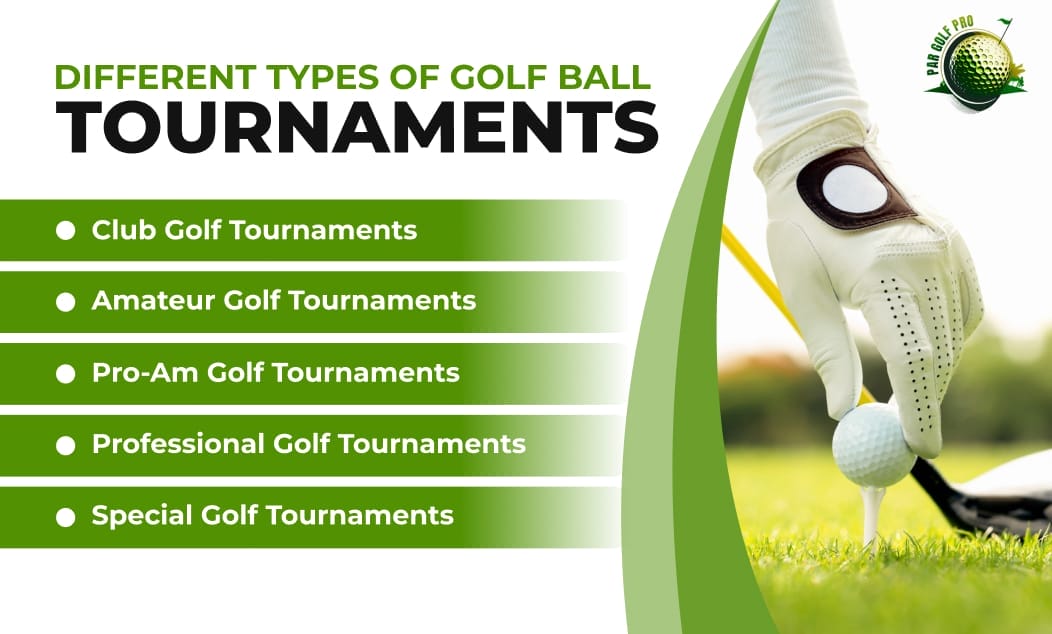
Image Source: e23wu2p9i3o.exactdn.com
Golf Tournament Length: A Detailed Look
How long a golf tournament lasts is a common question. It depends a lot on who is playing and what kind of event it is. Let’s break down the different types and their usual lengths.
Professional Golf Events: The Standard Duration
When you watch golf on TV, you are likely seeing a professional tournament. The typical PGA tour event length is four days. These events almost always run from Thursday to Sunday. Players compete over 72 holes in total, playing 18 holes each day.
The Cut Rule:
A key part of many professional tournaments is the “cut.” After two rounds (on Friday), a certain number of players are removed from the competition. Only those who score well enough continue to play on Saturday and Sunday. This makes the field smaller for the final two days. The cut line usually lets the top 65 players (and ties) continue. This rule helps keep the tournament on schedule and focuses attention on the top performers.
For example, a PGA Tour event often starts with 144 players. After Friday’s cut, around 70-80 players might remain. This makes the weekend rounds faster and more exciting.
Major Championship Golf Duration
Major championships are the most important events in professional golf. These include the Masters, the PGA Championship, the U.S. Open, and The Open Championship (British Open). People often ask, “how many days is a golf major?” The answer is always four days. Just like regular PGA Tour events, major championship golf duration is set for Thursday to Sunday, with 72 holes of play.
Majors are known for their tough courses and strong fields. Winning a major is the dream for many golfers. Even with the high stakes, they stick to the four-day format. The intensity and difficulty are higher, but the schedule remains the same.
Other Professional Tours
Beyond the PGA Tour, there are other professional tours around the world. These include the DP World Tour (in Europe), the LPGA Tour (for women), and the Korn Ferry Tour (a stepping stone to the PGA Tour). Most events on these tours also follow the four-day, 72-hole format. This standard length allows players to compete fairly and provides a consistent schedule for fans and broadcasters.
| Tournament Type | Typical Days | Total Holes | Cut Rule? |
|---|---|---|---|
| PGA Tour Event | 4 (Thu-Sun) | 72 | Yes |
| Major Championship | 4 (Thu-Sun) | 72 | Yes |
| LPGA Tour Event | 4 (Thu-Sun) | 72 | Yes |
| DP World Tour Event | 4 (Thu-Sun) | 72 | Yes |
| Korn Ferry Tour Event | 4 (Thu-Sun) | 72 | Yes |
Amateur and Junior Golf Tournaments: Varied Timeframes
The amateur golf competition timeframe is much more flexible than professional events. These tournaments can range widely in how long they last. Junior golf tournament duration also varies a lot, depending on the age group and level of play.
One-Day Events: Many local club events, high school matches, or smaller junior tournaments are only one day. Players might play 18 holes, or sometimes even just 9 holes. These are great for new players or those who want a quick competition.
Two-Day Events: Some amateur championships, college tournaments, or larger junior events might last two days. Players would play 18 holes on Saturday and 18 holes on Sunday, for a total of 36 holes. These events often have a smaller field, or they might not have a cut.
Three-Day Events: Higher-level amateur championships, like state amateur championships, can sometimes last three days. This would involve 54 holes of play. Very rarely, some major amateur events might stretch to four days, mirroring the professional format, but this is less common.
Why the variation?
Amateur and junior events have different goals. They might focus more on fun, learning, or fitting into busy schedules. Professional events are about finding the best player over a longer, tougher test.
Club Championships and Local Events
Club championships often last two or three days. They are a big deal at local golf clubs. Players compete against others from their own club. The format might be stroke play (counting every shot) or match play (winning holes). The duration is usually chosen to allow members to play without taking too much time off work.
High School and College Golf
High school and college golf tournaments are typically one or two days long. College tournaments often play 36 holes in one day, then 18 the next. This makes for a very long day of golf, but it fits into academic schedules. These events often focus on team scores, not just individual ones.
Typical Golf Tournament Rounds: What to Expect
A full round of golf is 18 holes. In most tournaments, players complete 18 holes each day they play.
The average golf round playing time for a group of four golfers is about 4 to 5 hours. This time can change based on many things:
- Pace of Play: If groups play slowly, the round takes longer.
- Course Difficulty: A very hard course with thick rough and tricky greens will slow down play as golfers search for balls or take more shots.
- Weather: Wind, rain, or very hot weather can make play slower.
- Course Traffic: In some amateur events, the course might be busy, leading to waits between holes.
For professional events, the goal is usually to keep rounds under 5 hours. This helps with TV broadcasts and ensures players finish before dark. Marshals and rules officials help keep play moving.
| Group Size | Expected Round Time (18 holes) | Notes |
|---|---|---|
| Foursome | 4 hours – 5 hours | Most common for social and tournament play |
| Threesome | 3.5 hours – 4.5 hours | Faster pace possible |
| Twosome | 3 hours – 4 hours | Much faster, less waiting |
| Single | 2.5 hours – 3.5 hours | Quickest way to play |
Factors Influencing Golf Tournament Time
Many things can change how long a golf tournament actually takes. Even if a tournament is set for four days, external factors can stretch it out. These are the main factors influencing golf tournament time:
Weather Conditions:
* Rain: Heavy rain can make courses unplayable. Play might stop for hours or even days.
* Lightning: This is very dangerous. All play stops immediately if lightning is near.
* High Winds: Strong winds make golf much harder and slower. Balls might roll off greens, and players take more time to aim.
* Fog: Thick fog means players cannot see where their shots go. Play must stop until the fog lifts.
If a tournament is delayed by weather, it might run into Monday. This is common for professional events, especially majors, where they want to complete all 72 holes.
Course Conditions:
* Difficulty: A very long course, or one with lots of water and bunkers, will naturally take longer to play. Players might spend more time looking for balls or recovering from bad shots.
* Rough: Very thick rough slows down play as players search for their balls.
* Green Speed: Extremely fast greens can lead to more putts and longer times spent around the hole.
Pace of Play:
* Slow Groups: Some players or groups play slower than others. This can cause backups on the course.
* Rulings: Sometimes, players need a rules official to make a decision. This stops play for that group.
* Large Fields: If there are many players, especially in the first two rounds of a professional event, the course can get crowded, leading to slower play.
Playoffs:
If two or more players tie for the lead at the end of regulation play (72 holes), a playoff is needed. This is a common way for a golf tournament to extend past its planned finish time. We will look at playoffs in more detail below.
Field Size and Start Times:
The number of players in a tournament affects how long it takes. For professional events, players start in groups of two or three, at set intervals (e.g., every 8-10 minutes). This helps manage the flow. Amateur events might have less strict start times, which can lead to delays.
Tournament Format:
* Stroke Play: Most professional events use stroke play, where every shot counts. This is usually played over 72 holes.
* Match Play: In match play, players compete hole by hole. The person who wins more holes wins the match. Match play tournaments are often shorter in total days, but each “match” might take a similar amount of time as an 18-hole stroke play round. The overall tournament length depends on the number of matches each player has to win.
* Team Events: Events like the Ryder Cup or Presidents Cup have different formats each day (foursomes, fourballs, singles). These are typically three-day events.
The Professional Golf Schedule Overview
The professional golf schedule overview shows that it is a long season. For example, the PGA Tour season runs for most of the year, from January through August or September. During this time, there is almost a tournament every week.
A typical professional golf week schedule looks like this:
| Day | Activities |
|---|---|
| Monday | Travel day, practice rounds for some players, qualifiers for others. |
| Tuesday | Practice rounds, media interviews, pro-am events (professionals playing with amateurs). |
| Wednesday | Official pro-am event, final practice, player meetings. |
| Thursday | Round 1: All players compete 18 holes. Play typically starts early morning and finishes in late afternoon. |
| Friday | Round 2: All players compete 18 holes. After this round, the “cut” is made. |
| Saturday | Round 3: Only players who made the cut compete 18 holes. Tee times are usually grouped by score (leaders last). |
| Sunday | Final Round: Remaining players compete 18 holes. The winner is decided. A playoff may happen if there’s a tie. |
| Monday | Travel day for players to the next event. |
This professional golf schedule overview shows a very tight and consistent weekly routine for players, tournament staff, and broadcasters.
Playoff Scenarios: When Tournaments Extend
The golf tournament playoff length can vary, but it’s usually short. A playoff happens when two or more players are tied for the lead after the final round (72 holes). This is how a single winner is decided.
Types of Playoffs:
- Sudden Death: This is the most common type of playoff on the PGA Tour and many other tours. Players go back to a specific hole (often the 18th or a par-3 near the clubhouse). They play the hole, and the first player to score lower than the others on that hole wins. If they tie again, they go to the next hole, and so on, until someone wins. Sudden death playoffs can last one hole or many. Most end within 1 to 3 holes.
- Aggregate Playoff: Some tournaments use an aggregate playoff. This means players play a set number of holes, like two, three, or four holes. The player with the lowest total score over those holes wins. If they are still tied after these holes, then it might switch to sudden death.
- Example: The Open Championship (British Open) uses a 4-hole aggregate playoff. The Masters uses a sudden-death format. The U.S. Open used to have an 18-hole playoff on Monday, but now uses sudden death after two holes.
Impact on Duration:
A playoff typically adds anywhere from 15 minutes to an hour (or sometimes more, if it goes many holes) to the end of the tournament. This means a Sunday finish could stretch into the early evening, especially if it’s a long sudden-death playoff.
Comparing Tournament Lengths
Here’s a table to sum up the typical durations for different types of golf tournaments:
| Tournament Type | Typical Duration | Notes |
|---|---|---|
| Professional (PGA, LPGA, Majors) | 4 days | Thursday-Sunday, 72 holes, usually with a cut. |
| High-Level Amateur (State/National) | 2-3 days | 36-54 holes, may have a cut, can sometimes be 4 days. |
| College Golf | 2 days | 36 or 54 holes total, often two rounds on one day. |
| Junior Golf (Local/Regional) | 1-2 days | 18 or 36 holes, varies widely by age group and event. |
| Local Club Event/Charity Outing | 1 day | Typically 18 holes, sometimes 9. Often a scramble or fun format. |
| Ryder Cup / Presidents Cup | 3 days | Friday-Sunday, team match play format. |
Beyond the Clock: The Golfer’s Experience
While we focus on how long a tournament lasts, it’s also about the full experience for the golfer. A 4-day professional event means intense practice days, travel, media duties, and then the actual competition. For amateur players, it might mean balancing golf with work or school.
The length of a tournament is carefully planned to offer a fair test of skill. It also aims to provide an exciting show for fans, whether they are watching from the course or at home.
The evolution of golf tournaments has always tried to find this balance. Modern tournaments aim for consistency, fairness, and a good viewing experience. The standard four-day professional event has become the norm because it hits these goals. It lets the best player rise to the top over a challenging test.
From the quiet focus of a single round to the high drama of a major championship playoff, golf tournaments offer varied lengths. Each one brings its own challenge and excitement.
Frequently Asked Questions (FAQ)
Q1: How long does a typical professional golf tournament last?
A: Most professional golf tournaments, including those on the PGA Tour and major championships, last four days. They run from Thursday to Sunday.
Q2: Do all golf tournaments have a cut?
A: No, not all golf tournaments have a cut. Most professional tournaments do, typically after two rounds. Many amateur, junior, and local club events do not have a cut.
Q3: What happens if there’s a tie in a golf tournament?
A: If players are tied at the end of the final round, a playoff decides the winner. This is often a “sudden death” playoff, where players keep playing extra holes until one person scores lower than the others on a given hole. Some events use a set number of playoff holes.
Q4: How long do major golf tournaments last?
A: Major golf tournaments (The Masters, PGA Championship, U.S. Open, The Open Championship) last four days. They follow the same Thursday-Sunday, 72-hole format as regular professional events.
Q5: Can a golf tournament be shorter than 4 days?
A: Yes, many golf tournaments are shorter than four days. Amateur, junior, high school, and college events commonly last one, two, or three days.