
Golf grips should be replaced every 40 rounds of golf or at least once a year, whichever happens sooner. This is a common guide. However, many things can change this. How much you play, your swing style, and even the weather can make grips wear out faster. Paying attention to your grips is a smart way to help your golf game.
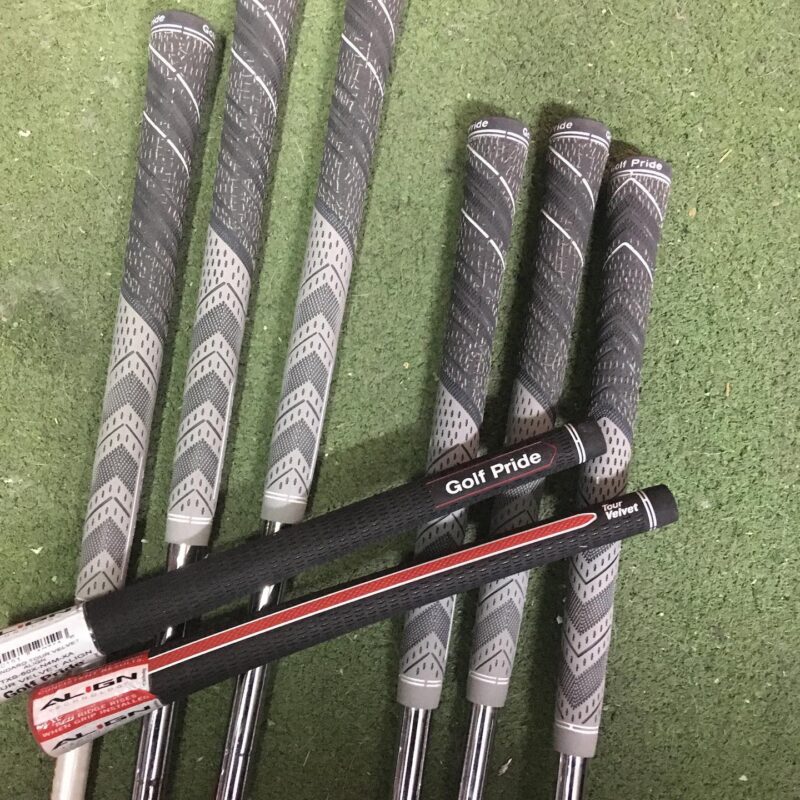
Image Source: highperformancegolf.com
Why New Grips Boost Your Game
Having fresh grips is very important for your golf game. Your grip is your only link to the golf club. If that link is weak, your control goes down. Worn golf grip performance impact is huge. Old grips make it hard to hold the club correctly. They can slip. This makes you grip tighter. Tighter gripping adds tension to your hands and arms. This tension makes your swing less smooth. It can also lead to bad shots like hooks or slices. New grips give you a firm, steady hold. This helps you swing freely. It improves your club control. It also makes your shots more accurate. Good grips mean more confidence. They help you play your best. Golf grip deterioration effects can truly harm your game.
Signs Your Grips Need Changing
Knowing when to replace your golf grips is key. Your grips will tell you when they are old. You just need to know what to look for. Both how they look and how they feel are important golf grip replacement indicators. Paying attention to these signs will help you know when it’s time for a change.
Visual Clues on Your Grips
Look closely at your golf grips. The way they look can tell you a lot.
- Smooth, Shiny Spots: New grips have a rough texture. This helps you hold the club. If parts of your grips look smooth and shiny, the texture is gone. This often happens where your thumbs and fingers press most. These smooth spots mean less friction. This makes the grip harder to hold. It is one of the main signs of worn golf grips.
- Faded Color: The color of your grips can also fade. This happens because of sun, dirt, and use. If your grips look dull or different from when they were new, they might be old.
- Cracks or Tears: Look for small cracks, especially near the top or bottom of the grip. You might see tiny tears or splits. These show the material is drying out or breaking down. Cracks make the grip uncomfortable. They also show the grip is losing its life.
- Worn-Down Texture: Many grips have a special pattern or small bumps. This texture helps you grip. If this pattern is worn flat, the grip is losing its purpose. You will not have the same secure feel.
How Your Grips Feel
The way your grips feel is just as important as how they look. Sometimes, a grip can look okay but feel bad.
- Slippery Feel: Your hands might slip on the grip, even in dry weather. This is a big sign. It means the grip has lost its stickiness or “tack.” You might feel like you have to squeeze the club to keep it from turning.
- Hard or Brittle: New grips feel soft and a bit springy. Over time, the material can get hard and stiff. It might feel like plastic instead of rubber. This happens as the grip loses its oils and flexibility. A hard grip does not absorb shock well. It also makes your hands work harder.
- Lack of Tackiness: Tackiness is that slightly sticky feel. It helps your hands cling to the grip. If your grips feel slick or dry, they have lost their tack. This is especially true after you clean them. If cleaning does not bring back the tack, it is time for new grips.
- Need to Grip Tighter: Do you find yourself squeezing the club much harder than before? This is a common sign of worn grips. Your body tries to make up for the lost friction. Gripping too tight causes tension. It hurts your swing. It also makes your hands tired faster.
- Hand Discomfort or Blisters: If you start getting blisters or sore spots on your hands after playing, your grips might be the problem. Old grips can cause friction. They can also make you grip too hard. Both lead to hand pain.
By checking both how your grips look and feel, you can catch issues early. Replacing them when these signs appear will help your game.
Factors Affecting Grip Lifespan
The question “how long do golf grips last?” has no single answer. Many things change the golf grip lifespan. These things can make your grips wear out faster or slower. Knowing these factors helps you plan when to replace them.
How Much You Play
This is the biggest factor. The more you play golf, the faster your grips wear out.
- Frequent Players: If you play several times a week, your grips will likely need changing every 3-6 months. Each swing, each practice shot, adds wear.
- Average Players: Playing once a week or twice a month means your grips might last 6-12 months.
- Occasional Players: Even if you play only a few times a year, your grips still age. They can dry out and lose their tackiness even without much use. They may still need changing once a year.
Your Playing Style
How you swing and how you hold the club affects grip wear.
- Swing Speed: Golfers with fast swing speeds put more stress on their grips. The force and friction are greater.
- Grip Pressure: If you tend to grip the club very tightly, you will wear down the grip texture faster.
- Hand Movement: Some golfers’ hands move or twist slightly on the grip during the swing. This creates more friction and wear.
Hand Sweat
Your hands play a big role.
- Sweaty Hands: If your hands sweat a lot, the moisture and natural oils can break down grip materials faster. This is especially true for rubber grips. They can get slick more quickly. You might need to change your grips more often if you have very sweaty hands.
- Gloves: Using a glove can help protect your grip from some sweat and oils. However, the glove itself can add friction.
Where You Store Clubs
The environment where you keep your golf clubs matters.
- Sunlight and Heat: Storing clubs in hot places, like the trunk of a car, can harm grips. High heat makes grip materials dry out. They can become hard and brittle. Direct sunlight can also fade colors and speed up wear.
- Cold Weather: Very cold temperatures can also make grips stiff.
- Humidity: High humidity can make some grips feel sticky. Low humidity can make them dry.
- Storage Location: Always store your clubs in a cool, dry place. A garage or basement is usually good. Avoid leaving them in a car trunk for long periods.
Material Makes a Difference
The golf grip material durability varies greatly. Different materials wear out at different rates.
- Rubber Grips: These are the most common. They offer good feel and shock absorption. They wear out steadily with use. They can harden over time.
- Cord Grips: These grips have cotton fibers mixed into the rubber. This gives them a firmer feel and better grip in wet conditions. They are often more durable than pure rubber grips. The cord helps them last longer.
- Synthetic Grips: These grips use various man-made materials. Some are very soft and provide great feel. Others are firmer. Their durability varies a lot by brand and specific material blend. Some hybrid grips use a mix of materials. They might have rubber on the bottom and cord on top. This can change their lifespan.
Here is a table showing the general durability of different grip materials:
| Grip Material | General Durability | Feel (Typical) | Notes |
|---|---|---|---|
| Rubber | Medium | Soft, Tacky | Most common. Can harden/dry out. Good shock absorption. |
| Cord | High | Firm, Abrasive | Excellent in wet conditions. Very durable. |
| Synthetic | Varies (Medium-High) | Varies (Soft-Firm) | Can be very durable, depends on specific polymers used. |
| Hybrid | High | Mixed | Combines materials (e.g., rubber bottom, cord top). Aims for best of both worlds. |
By considering these factors, you can get a better idea of how often your grips need changing. It’s not just about how many rounds you play. It’s about how you play and how you care for your clubs.
How Often to Change Your Grips
So, when exactly should you change your golf grips? Regripping golf clubs frequency depends on several things. But there are general rules and specific scenarios to consider.
The General Rule
Most golf pros and grip makers suggest changing your grips every 40 rounds of golf or at least once a year.
- 40 Rounds: If you play often, you might hit 40 rounds in a few months. For example, if you play once a week, you’ll hit 40 rounds in about 10 months.
- Once a Year: Even if you do not play 40 rounds, grips still age. The materials dry out. They lose their tackiness and flexibility. This happens just from being exposed to air and changing temperatures. So, an annual golf grip check and replacement is a good idea for almost everyone.
If You Play a Lot
If you are a very active golfer, your grips will wear out faster.
- More Than Once a Week: If you play two or three times a week, or practice very often, your grips might need changing every 3-6 months. That means you could be changing them two or three times a year. This is because of the high number of swings and practice sessions. Each session adds wear and tear.
If You Play Less Often
What if you only play a few times a year, or only for special trips?
- Still Yearly: Even with low use, grips age. They can become hard, slick, and lose their feel simply from time. The natural oils in the rubber dry out. They can get stiff. So, even if you play only 10 rounds a year, aim for a yearly check and replace them if they show signs of aging.
Why Yearly Checks Help
An annual golf grip check is very important. It lets you inspect all your grips at once. You can catch problems before they hurt your game. It also helps you start each new season with fresh equipment. Think of it like getting a yearly tune-up for your car. It keeps things running smoothly. This simple step can greatly improve your golfing experience.
Here is a guide to help you decide on your regripping frequency:
| Playing Frequency | Recommended Regripping Frequency | Notes |
|---|---|---|
| 1-2 times/week | Every 3-6 months (2-3 times/year) | High use accelerates wear. |
| Once a week | Every 6-9 months (1-2 times/year) | Consistent use. |
| 1-2 times/month | Every 9-12 months (Once a year) | Standard recommendation. |
| Less than 1 time/month | Once a year (due to aging) | Material degrades over time regardless of use. |
Remember, these are guides. Always pay attention to the signs your grips give you. If they feel bad, change them.
Caring for Your Golf Grips
Proper golf grip maintenance can extend their life. It will also keep them feeling better for longer. Cleaning and proper storage are two key steps.
Simple Cleaning Tips
Grips get dirty. Dirt, sweat, and oils from your hands build up. This makes them slick. Cleaning your grips is easy and helps a lot.
- What You Need: A soft brush (like a dish brush or nail brush), mild soap (dish soap works well), and water.
- How to Clean:
- Wet your grips with water.
- Put a small amount of soap on the brush.
- Gently scrub the grip. Make sure to cover the whole grip.
- Rinse the grip completely with water. Make sure no soap is left.
- Dry the grips with a towel. Then let them air dry fully before using them.
- How Often: Clean your grips every 5-10 rounds, or if they feel slick. Regular cleaning removes grime. This can bring back some of their tackiness.
Smart Storage Habits
Where and how you store your clubs has a big effect on grip life.
- Cool, Dry Place: Always store your clubs in a cool, dry spot. A basement, garage, or even a closet inside your house is ideal.
- Avoid Extreme Heat: Never leave your clubs in a hot car trunk for long periods. High heat breaks down grip materials quickly. They can dry out, crack, and become hard.
- Out of Direct Sunlight: Keep clubs out of direct sunlight. UV rays can also damage grip materials over time.
- Upright: Storing clubs upright helps keep moisture away from the grips.
What Not to Do
Some things can harm your grips quickly.
- No Harsh Chemicals: Do not use strong cleaners or solvents. These can strip away the oils in the grip material. This makes them dry out and crack faster. Stick to mild soap and water.
- Avoid Oils and Lotions: Try not to get hand lotions or sunscreens on your grips. These can make grips very slippery. They can also break down the grip material over time.
By following these simple care tips, you can help your grips last longer. You can keep them feeling new for more rounds.
The Impact of Old Grips on Your Game
Playing with worn golf grips has many bad effects. These effects can hurt your score and make golf less fun. The golf grip deterioration effects are not just about comfort. They truly impact your performance.
Loss of Club Control
This is the biggest problem. If your grip is slick, the club can twist in your hands during your swing. You lose control of the clubface. This means your shots might go left or right of your target. A secure grip lets you control the club path and face angle. This is key for straight shots.
Added Hand Tension
When grips are worn, you naturally grip the club harder. You do this to stop the club from slipping. This added tension travels up your arms to your shoulders. It makes your swing stiff and jerky. A smooth, relaxed swing is much harder with tight hands. This tension can also lead to fatigue.
Shot Mistakes
Slipping grips lead to many common shot mistakes.
- Slices and Hooks: If the club face opens or closes too much at impact due to slippage, you get a slice (ball curving right for right-handers) or a hook (ball curving left).
- Thin or Fat Shots: Lack of control can lead to hitting the ball too high on the club (thin) or hitting the ground before the ball (fat). Both lose distance and accuracy.
- Off-Center Hits: It becomes harder to hit the sweet spot on the clubface. This also hurts distance and feel.
Less Power
When you grip too tight, you slow down your swing speed. This means you hit the ball with less power. You will not get as much distance as you could. A relaxed grip lets your hands and wrists work correctly. This creates more clubhead speed. More speed means more distance.
Hand Discomfort
Old grips can be rough on your hands. They can cause blisters, calluses, or soreness. This makes playing golf painful. It also makes you less likely to want to practice or play.
In short, worn grips make you work harder for worse results. They take away the joy of a good shot. Changing them is a simple fix for a lot of problems.
The Benefits of Fresh Grips
New golf grips do more than just feel good. They give you many real benefits that improve your game.
- Improved Feel and Comfort: New grips feel soft and tacky. They provide a much better connection to the club. This comfort lets you focus on your swing, not on how your hands feel.
- Better Club Control: A firm, non-slip grip means better control of the clubface throughout your swing. This leads to straighter, more accurate shots. You can swing with confidence, knowing the club will stay put.
- Reduced Hand and Arm Tension: With tacky grips, you do not need to squeeze the club so hard. This reduces tension in your hands, wrists, and arms. A relaxed swing is a more powerful and consistent swing.
- Enhanced Shot Consistency: When you have better control and less tension, your swing becomes more repeatable. This means more consistent shots. You will hit the ball more often in the center of the clubface.
- More Confidence: Knowing your equipment is in top shape gives you a mental edge. You step up to the ball with more confidence. You trust your grip. This trust can lead to better performance.
- Increased Distance: A relaxed grip allows for a faster, smoother swing. This can translate to more clubhead speed and, in turn, more distance on your shots.
- Better Shock Absorption: New grips absorb more of the impact shock. This is especially good for golfers with hand or wrist issues. It makes hitting the ball feel softer.
Changing your grips is one of the easiest and most cost-effective ways to give your golf game a big boost. It is like getting a new set of tires for your car. Everything just works better.
The Regripping Process: A Quick Look
Once you know it is time to change your grips, you have a few choices. You can replace them yourself or have a pro do it.
- Doing It Yourself (DIY): Many golfers like to regrip their own clubs. You need a few simple tools: a vice, a hook blade or grip removal tool, grip tape, grip solvent, and the new grips. There are many videos online that show you how. It can save you money. It also lets you pick the exact grip you want.
- Professional Regripping: Most golf shops and pro shops offer regripping services. This is a good choice if you are not comfortable doing it yourself. Pros have the right tools and experience. They can also help you pick the right size and type of grip for your hands and game. This usually costs a bit more. But it saves you time and ensures the job is done right.
No matter how you do it, changing grips is a quick process. It takes just a few minutes per club. The biggest part is waiting for the solvent to dry if you do it yourself. This usually takes a few hours.
Summing It Up
Your golf grips are vital tools. They are often overlooked. But they are crucial for a good golf swing. They are your only connection to the club. Replacing them regularly is not just a suggestion. It is a key part of good golf equipment care.
Look for the signs of worn golf grips: smooth spots, cracks, or a slippery feel. Remember that golf grip lifespan depends on how much you play and how you care for them. Aim for an annual golf grip check. Plan for regripping golf clubs frequency every 40 rounds or once a year, at least. Proper golf grip maintenance, like cleaning and smart storage, can help. But new grips will always bring back the best feel and control. Do not let old grips hold your game back. Fresh grips can truly transform your play. They give you better control, more comfort, and more confidence. They are a small investment for a big return on the golf course.
Frequently Asked Questions (FAQ)
Can old grips really hurt my game?
Yes, absolutely. Old grips lose their tackiness. They make your hands slip. This forces you to grip the club much tighter. This added tension makes your swing stiff. It hurts your club control. It can lead to bad shots like slices or hooks. It also reduces your power and can cause hand pain. The impact on your game is often bigger than most golfers realize.
How long do golf grips last if I barely play?
Even if you barely play, golf grips should still be replaced every year. Grip materials like rubber dry out and harden over time. This happens even if they are not used. They lose their feel and tackiness. So, while wear from playing is less, the aging of the material still makes them less effective after about a year.
Is it worth regripping my old clubs?
Yes, it is very much worth it. Regripping can make older clubs feel like new again. It is a cost-effective way to improve your clubs without buying a whole new set. If your clubs are still in good shape, but the grips are worn, new grips can make a huge difference in how they feel and perform. It is one of the best upgrades you can do for existing clubs.
What’s the best way to clean my golf grips?
The best way to clean golf grips is with mild dish soap, a soft brush, and water. Wet the grip, put a little soap on the brush, and gently scrub the whole grip. Rinse thoroughly with water to remove all soap. Then, towel dry and let them air dry completely. This removes dirt and oils. It can restore some of the grip’s original tackiness. Do this every 5-10 rounds or when they feel slick.
How can I tell if my grips are worn without looking?
You can tell by how they feel. If you have to squeeze the club harder than before to keep it from slipping, your grips are likely worn. If they feel hard, slick, or greasy even after cleaning, they need replacing. Also, if your hands feel tired or sore after a round, worn grips might be the cause. The feel of the grip is often the first and most important indicator.