
As an Amazon Associate I earn from qualifying purchases.
Choosing a Sippy Cup Infant can feel harder than it should. Babies may need help moving from a bottle to a cup, while you want fewer spills and parts to wash.
Pay attention to the drinking style, handle design, age guidance, capacity, and cleaning setup. Soft spouts suit early learners, while weighted straws and spoutless designs support different transitions.
These five picks cover several useful approaches without repeating colour or size variants. They include starter cups, straw trainers, a spoutless option, and sets with multiple sipping components.
This guide explains who each cup suits best, what sets it apart, and which features matter for everyday use at home or on the go.
Our Top 5 Sippy Cup Infant Picks at a Glance
| Product | ||
|---|---|---|
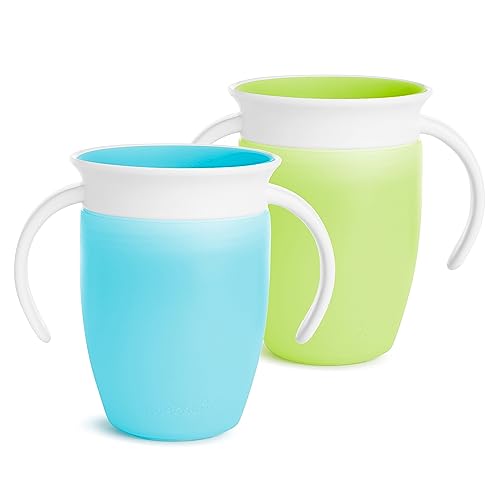 |
Munchkin Miracle 360 Trainer Cup Spoutless first-cup transition |
Check Price |
 |
Dr. Brown’s Baby’s First Straw Cup Weighted-straw practice |
Check Price |
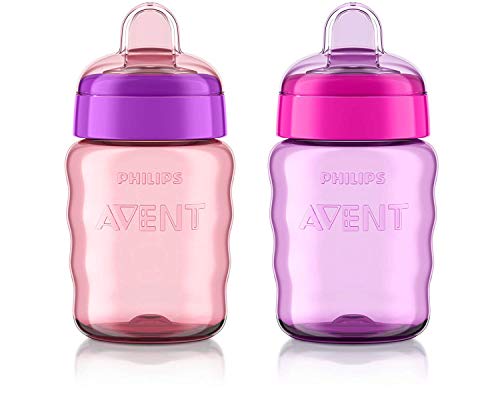 |
Philips Avent My Easy Sippy Cup Simple cleaning |
Check Price |
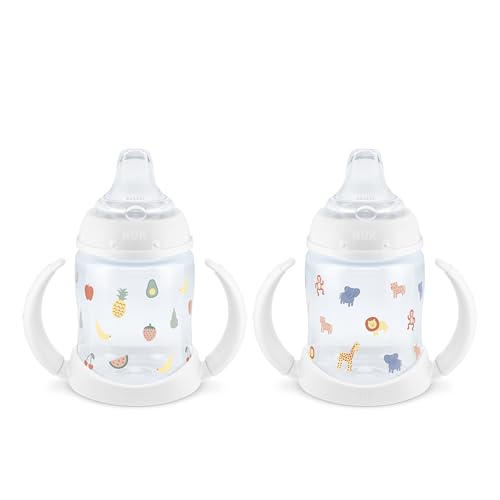 |
NUK Learner Sippy Cup 5oz 2-Pack Bottle-to-cup learners |
Check Price |
 |
Seposeve Silicone Straw Sippy Cups 2-Pack Flexible straw training |
Check Price |
Top 5 Sippy Cup Infant: Detailed Reviews
1. Munchkin Miracle 360 Trainer Cup
The Munchkin Miracle 360 Trainer Cup is a Sippy Cup Infant option for babies 6mo+ who are beginning to move beyond bottles. Its 360-degree drinking edge lets your child sip from anywhere around the rim, while the spoutless, dentist-recommended design supports practice with a regular cup. The edge seals automatically when drinking stops to help reduce spills, and easy-grip handles suit small hands. You get two BPA-free, 7-ounce cups in blue and green, with no extra valves or parts to wash.
What We Like:
- Spoutless rim encourages regular-cup sipping without a traditional spout.
- Automatic sealing helps contain messes after your child stops drinking.
- Handles give small hands a more manageable grip.
- Two cups support daily rotation between home and outings.
- No extra valves or parts keeps cleanup straightforward.
What Could Be Improved:
- Children used to a traditional spout or straw may need time to learn the open-rim style.
- The 7-ounce capacity may feel limiting as your child drinks more.
- Because it has no straw, it is not the right choice for straw training.
Buy it if you want a simple, spoutless transition from bottle drinking to a regular cup, with handles and spill control for everyday use. Skip it if your child specifically needs a straw, prefers a traditional spout, or needs more than 7 ounces at a time.
2. Dr. Brown’s Baby’s First Straw Cup
Dr. Brown’s Baby’s First Straw Cup is a 9-ounce training cup designed to help your baby move from a bottle to a cup. This Sippy Cup Infant option uses a soft silicone weighted straw that follows the liquid, so your baby can tip the cup in different directions while drinking. Side-grip handles make it easier for small hands to hold, and you can remove them as skills improve. A sliding lid stores the straw for travel, while measurement marks help you track how much your baby drinks.
What We Like:
- The weighted straw supports drinking from different angles.
- Soft silicone feels gentler for early straw practice.
- Removable side handles let the cup adapt as grip improves.
- The sliding lid keeps the straw covered during travel.
- Measurement marks make intake easier to monitor.
What Could Be Improved:
- Straw drinking requires a different skill from using a bottle or spout, so some babies may need extra practice.
- Removable handles add another piece to keep track of.
- The one-pack format gives you only one cup for daily rotation.
Buy it if your baby is ready to practise straw drinking and you want a cup that supports tipping, gripping and travel. It suits families who value a covered straw and visible measurements. Skip it if your child is not ready for straw suction or you prefer a simpler spout-style cup.
3. Philips Avent My Easy Sippy Cup
The Philips Avent My Easy Sippy Cup is a practical Sippy Cup Infant option for ages 12–24 months. Its soft silicone spout feels gentle on gums, while the rippled texture gives little hands a more secure grip. The one-piece, built-in valve is designed to prevent spills, and the few parts simplify assembly and washing. Because every component is dishwasher safe, cleanup takes less effort after each drink. You get two 9oz cups made from BPA-free material, making this a useful pair for home and outings.
What We Like:
- The soft silicone spout is gentle on gums.
- The rippled texture helps small hands hold the cup securely.
- The one-piece valve reduces the number of pieces to manage.
- Dishwasher-safe components make cleanup especially straightforward.
- Two included cups give you a convenient spare.
What Could Be Improved:
- This is a soft-spout cup, so it may not suit families specifically seeking straw practice.
- The 12–24-month design may not be the best fit for children outside that age range.
- The valve is designed to prevent spills, but it should not be treated as a guarantee against every leak or mess.
Buy it if you want a simple, soft-spout transition cup with easy cleanup and a spare included. It suits toddlers learning to hold and drink independently. Skip it if your child needs straw-focused practice or you want a cup intended for a different age stage.
4. NUK Learner Sippy Cup 5oz 2-Pack
For a Sippy Cup Infant moving from breast or bottle, the NUK Learner Sippy Cup offers a gentle first step. Its soft, spill-proof spout feels kinder on gums while letting liquid flow when your baby sips. Removable, anti-slip handles give small hands a steadier grip, then come off as cup skills improve. The air vent helps reduce swallowed air, and dishwasher-safe, BPA-free construction simplifies cleanup. This 5oz, two-pack is recommended for ages 8 months and up, making it a practical choice for early cup practice.
What We Like:
- The soft spout is gentle on gums during early learning.
- Removable handles adapt as your baby’s grip improves.
- The air vent may help reduce swallowed air.
- The spill-proof design helps limit mess during practice.
- Dishwasher-safe construction makes daily cleanup easier.
What Could Be Improved:
- The 5oz capacity may feel limiting as your baby’s drinking needs increase.
- It is recommended for ages 8 months and up, so it may not suit younger learners.
- A spout-based design teaches a different drinking motion than a straw or open cup.
Buy it if you want a gentle, bottle-to-cup transition with grippy handles, a soft spout, and straightforward cleaning. Skip it if your baby is younger than the recommended age, needs a larger cup, or you prefer to start directly with straw or open-cup skills.
5. Seposeve Silicone Straw Sippy Cups 2-Pack
This Sippy Cup Infant option from Seposeve gives babies two ways to practise straw drinking. Each 6 oz cup includes a soft textured spout straw and a bite-to-sip straw, so you can choose the feel that suits your child. Clear oz and mL measurement windows show how much remains without removing the lid. Soft silicone, contoured handles, and a textured base support small hands and steadier table use. The secure lid, snug straw connection, and bite-to-sip valve help reduce drips, while removable parts make thorough cleaning easier.
What We Like:
- Two straw styles let you adjust the drinking experience as your baby learns.
- Four included straws give you useful spares for rotation and replacement.
- Measurement windows make it easy to monitor remaining liquid.
- Contoured handles and soft silicone suit small hands.
- The textured base helps the cup sit more steadily on a table.
What Could Be Improved:
- Four straws and removable parts create more pieces to wash and keep track of than a basic cup.
- The 6 oz capacity may mean more frequent refills as your child drinks more.
- The cups are leak-resistant rather than fully leakproof, so some spill risk remains.
Buy this set if you want flexible straw practice, easy liquid checks, and spare straws for daily rotation. It suits babies learning to hold a cup, but you should skip it if you prefer a single-piece design, minimal washing, or a larger capacity.
How To Choose A Sippy Cup Infant
The right Sippy Cup Infant choice depends on your baby’s current drinking skills, not just the cup’s appearance. Start by deciding whether you want to move from a bottle, introduce a straw, or practise drinking from a rim without a spout. That first step narrows the options and helps you avoid buying a cup that asks your baby to learn too many new skills at once.
Choosing the right Sippy Cup Infant design
Consider how your baby already drinks. A spout-style cup can make the move from a bottle feel more familiar, while a straw cup introduces a different drinking motion. A spoutless design may suit a baby ready to practise drinking from the rim. Choose the format that matches your next small step rather than the skill you hope your baby will master eventually.
Check the learning curve
Some cups focus on a straightforward bottle-to-cup transition, while others support straw or open-rim practice. Think about whether your baby is willing to try something new or becomes frustrated quickly. A familiar-feeling option may encourage early attempts, but a more targeted design can make sense if you are specifically working on straw use or spoutless drinking.
Prioritise cleaning and daily handling
Look at how many parts the cup has and whether you can reach the areas where liquid may collect. Simple assembly makes regular washing less of a chore, especially if the cup will be used several times a day. Also consider the shape and grip: you want something your baby can hold comfortably and something you can fill, close, and carry without unnecessary fuss.
Match the cup to your routine
Decide whether you need one cup for focused practice or multiple cups for home and outings. A two-pack can be useful if you want a spare, while a single training cup may be enough when you are carefully observing which design your baby prefers. Flexible features, such as a weighted or flexible straw, may help with particular learning goals, but they should support your routine rather than complicate it.
Which Sippy Cup Infant Should You Choose?
The Munchkin Miracle 360 Trainer Cup is the best overall pick for a broad first-cup transition because its spoutless design focuses on a clear next step beyond bottle drinking. The Dr. Brown’s Baby’s First Straw Cup is the best alternative if straw practice is your priority, with a weighted straw aimed at helping your baby learn that skill. Choose between them based on the drinking method you want to introduce first.