
Imagine stepping onto a lawn so lush and green it looks like a carpet of emeralds. That’s the dream for many Florida homeowners, but achieving it can feel like a constant battle. Do you find yourself staring at bags of fertilizer at the store, wondering which one will actually make your grass happy and not just burn it or attract more weeds?
Florida’s unique climate, with its sandy soils and intense sun, presents a special challenge for grass. Choosing the wrong fertilizer can lead to weak, sickly turf that’s more susceptible to pests and diseases. It can also waste your money and time. You want a vibrant lawn, but the sheer variety of products and confusing labels can leave you feeling overwhelmed.
This post is here to clear up the confusion. We’ll break down exactly what your Florida grass needs and guide you through selecting the best fertilizer to get that picture-perfect lawn you’ve always wanted. Get ready to say goodbye to lawn frustration and hello to healthy, beautiful turf!
Top Fertilizer For Florida Grass Recommendations

- This spring lawn fertilizer is one application and done for a season
- Contains natural beneficial microorganisms for lawn care that revitalize soil
- This grass fertilizer contains 5% iron for deep greening
- Contains polymer coated urea that slowly releases nitrogen up to 4 months for lawn growth and greening
- This fertilizer for grass is not available in Hawaii and South Dakota

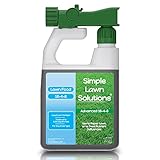
- Complete NPK Lawn Food: 16-4-8 is the perfect blend of key macronutrients. This lawn liquid food turf fertilizer also contains Seaweed & Fish.
- Contains High Quality Feed Grade Ingredients: Nourish your lawn with pure liquid Nutrients in a ready to use sprayer
- Easy To Use: Designed to be easily applied. This complete Nitrogen, Phosphate and Potash formula gives your grass greening & growth while providing nutrients for lush lawns
- All Grass types: Including Bermuda, St. Augustine, Zoysia, Buffalo, Centipede, Florida Palmetto, Bahia, Fescue, Ryegrass & Kentucky Bluegrass
- Produced In The United States: 16-4-8 is manufactured in the United States of America, by a family owned business with 25 years of former experience in the commercial professional turf industry.

- Feeds for deep greening in just 3 days
- Dual-action, 2-in-1 formula feeds and supplements with iron
- Guaranteed not to stain when used as directed
- Apply to any grass type; OK to re-enter lawn immediately after product is applied
- Recommended for many lawns as part of the Scotts Lawn Care Plan; Not sold in FL
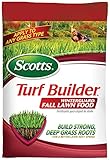
- FALL LAWN FERTILIZER: Scotts Turf Builder WinterGuard Fall Lawn Food is a fertilizer that builds strong, deep grass roots for a better lawn next spring
- SUMMER LAWN RECOVERY: Our fertilizer provides nutrients lawns need to help recover from summer heat, drought, and regular activity while preparing roots to take on harsh winter conditions
- APPLY IN FALL TO PREPARE YOUR LAWN FOR WINTER: Apply this grass fertilizer to a wet or dry lawn in the fall
- USE ON ANY GRASS TYPE: This lawn care product is a lawn food for grass that can be used on any grass type
- SMALL LAWN COVERAGE: One 10 lb. bag of Scotts Turf Builder WinterGuard Fall Lawn Food covers 4,000 sq. ft.

- WHERE TO USE: Lawn fertilizer for grass can be used on any grass type
- GRASS FERTILIZER FOR LAWNS: Scotts Turf Builder Lawn Food feeds and strengthens your grass to help protect against future problems
- STRONG ROOTS: Our pesticide-free lawn food for grass builds strong, deep roots, improving your lawn's ability to absorb water and nutrients (vs unfed lawn)
- HOW TO APPLY: Apply to a wet or dry lawn in spring, summer, or fall

- Grow grass up to 2X times faster than seed alone with Scotts Turf Builder Rapid Grass Sun & Shade Mix (when applied at the new lawn rate, subject to proper care)
- Revolutionary mix of seed and fertilizer results in full, green grass in just weeks
- This grass seed mix is for overseeding bare or thin areas in your lawn and establishing new grass
- Apply this lawn care product in the spring or fall when temperatures are between 60°F and 80°F
- One 2.4 lb. bag of Scotts Turf Builder Rapid Grass Sun & Shade Mix has a new lawn coverage of 355 sq. ft. and an overseeding coverage of 1,200 sq. ft.

- WHEN TO APPLY : This lawn seed mix of Kentucky bluegrass seed, perennial ryegrass, and fine fescue grass seed germinates best when daytime temperatures are between 60°F and 80°F with no danger of frost
- PATCH & REPAIR: Scotts EZ Seed Patch & Repair Sun and Shade is a revolutionary grass seeding product that makes grass patch repair for lawns easy; it's designed to fill in bare spots and repair lawn damage
- COVERAGE: One 3.75 lb. jug of EZ Seed Patch & Repair lawn grass seed mix covers up to 85 sq. ft. in 3 easy steps: prep the area, evenly apply the seed and water until no more water is being absorbed
- WHERE TO USE: This sun and shade lawn repair grass seed mix is guaranteed to grow anywhere with proper care including in full sun, dense shade, high traffic areas and on slopes
- SUN AND SHADE GRASS: Contains a combination of high performance grass seed for lawns, mulch that expands to surround the seed, controlled release fertilizer, tackifier to help keep seed from washing away and a protectant to help keep seedlings safe

- LESS PLASTIC WASTE: The reusable grass food spray applicator is designed to be used again with our convenient refill bottles (sold separately)
- EASY TO USE: Attaches as a hose-end sprayer for easy application; translucent bottle lets you see exactly how much lawn food you're using as you apply it to any grass type
- A LUSH LAWN: The 29-0-3 NPK fertilizer formula delivers nitrogen and potassium your lawn needs to grow thick, green grass
- KID AND PET SAFE: Kids and pets can get back to enjoying the lawn as soon as the spray dries (when used as directed)
Choosing the Best Fertilizer for Your Florida Grass
Florida’s warm climate and sandy soil present unique challenges for lawn care. Choosing the right fertilizer is crucial for a healthy, vibrant green carpet. This guide will help you navigate the options and find the perfect feed for your Florida grass.
Key Features to Look For
When shopping for fertilizer, pay close attention to these key features:
Nitrogen (N): The Green Machine
Nitrogen is the primary nutrient that makes grass grow and turn a lush green color. Look for a fertilizer with a good amount of nitrogen. It’s usually the first number on the fertilizer bag (e.g., 20-5-10).
Phosphorus (P): Root Powerhouse
Phosphorus helps develop strong roots. Healthy roots anchor your grass and help it absorb water and nutrients better. While important, many Florida soils already have enough phosphorus, so you might not need a high percentage.
Potassium (K): The All-Around Athlete
Potassium strengthens your grass against stress, like heat, drought, and disease. This is super important in Florida’s climate. It helps your lawn bounce back when things get tough.
Slow-Release vs. Quick-Release Nitrogen
Slow-release nitrogen feeds your lawn gradually over time. This means fewer applications and less risk of burning your grass. Quick-release nitrogen gives your lawn a fast green-up but can also lead to rapid growth and potential burning if over-applied.
Micronutrients: The Little Helpers
These are nutrients like iron, manganese, and zinc. They are needed in small amounts but are vital for healthy growth and vibrant color, especially in sandy Florida soils that can lack them.
Important Materials to Consider
The ingredients in your fertilizer matter. Here’s what to keep an eye on:
Organic vs. Synthetic Fertilizers
- Organic fertilizers come from natural sources like compost, manure, or bone meal. They feed the soil and release nutrients slowly. They are great for improving soil health over time.
- Synthetic fertilizers are man-made and provide nutrients quickly. They are effective for fast green-up but don’t improve soil structure as much as organic options.
Granular vs. Liquid Fertilizers
- Granular fertilizers are small pellets that you spread on the lawn. They are easy to apply and often contain slow-release nutrients.
- Liquid fertilizers are mixed with water and sprayed. They provide nutrients quickly and can be absorbed by the grass blades and roots.
Factors That Improve or Reduce Quality
Several things can make a fertilizer work better or worse for your lawn:
Improving Quality:
- Proper NPK Ratio: The right balance of Nitrogen, Phosphorus, and Potassium for your specific grass type and soil needs.
- Presence of Micronutrients: Especially iron, which helps prevent yellowing.
- Slow-Release Formulations: Provides consistent feeding and reduces the risk of burn.
- High-Quality Ingredients: Pure, well-processed ingredients lead to better results.
Reducing Quality:
- Too Much Phosphorus: Can lead to water pollution and isn’t always needed in Florida.
- Over-Application: Can burn your grass and harm the environment.
- Low-Quality Fillers: Some cheaper fertilizers contain materials that don’t benefit your lawn.
- Lack of Micronutrients: Can lead to a dull or yellowing lawn.
User Experience and Use Cases
The best fertilizer for you depends on your lawn’s needs and your preferences.
For a Quick Green-Up:
If you want your lawn to look vibrant fast for a party or event, a fertilizer with a higher percentage of quick-release nitrogen can do the trick. Just be careful not to overdo it.
For Long-Term Lawn Health:
Choose a slow-release fertilizer with a balanced NPK ratio and added micronutrients. This approach builds a healthier lawn over time and requires fewer applications. Organic options are excellent for this.
For Sandy Soil:
Florida’s sandy soil often needs help retaining nutrients. Fertilizers with slow-release nitrogen and added organic matter can improve soil structure and nutrient availability.
For Specific Grass Types:
Different grass types (like St. Augustine, Zoysia, or Bahia) have slightly different nutrient needs. Check if the fertilizer is recommended for your specific grass.
Always follow the instructions on the fertilizer bag for the best results. Proper application is key to a beautiful and healthy Florida lawn.
Frequently Asked Questions about Fertilizer for Florida Grass
Q: What is the best NPK ratio for Florida grass?
A: A common and effective ratio for many Florida lawns is 3-1-2 or 4-1-2 (Nitrogen-Phosphorus-Potassium). However, it’s best to get a soil test to know your exact needs.
Q: How often should I fertilize my Florida lawn?
A: For most Florida grasses, fertilizing 3-4 times a year is usually sufficient. This often aligns with spring, summer, and fall.
Q: Can I fertilize my grass when it’s hot?
A: Yes, but it’s best to use a slow-release fertilizer and water it in well to prevent burning. Avoid fertilizing during extreme heatwaves.
Q: What does “slow-release” fertilizer mean?
A: Slow-release fertilizer means the nutrients are released gradually over a longer period, providing consistent feeding and reducing the risk of burning your grass.
Q: Do I need a soil test?
A: A soil test is highly recommended. It tells you exactly what nutrients your soil is lacking, helping you choose the most effective fertilizer and avoid over-fertilizing.
Q: What are the best grass types for Florida?
A: Popular Florida grass types include St. Augustine, Bahia, Zoysia, Centipede, and Bermuda. Each has slightly different care needs.
Q: Is organic fertilizer better than synthetic for Florida lawns?
A: Organic fertilizer improves soil health over time, which is great for sandy Florida soils. Synthetic fertilizers offer quicker results. Many people find a combination works best.
Q: How do I apply fertilizer correctly?
A: Always follow the instructions on the fertilizer bag. Use a spreader for even application and water the lawn thoroughly after fertilizing.
Q: Why is my grass turning yellow after fertilizing?
A: Yellowing can be a sign of over-fertilizing (fertilizer burn) or a lack of iron. Ensure you’re applying the correct amount and consider a fertilizer with added iron.
Q: Can I fertilize a new lawn?
A: Yes, but use a starter fertilizer specifically designed for new grass. These have higher phosphorus to encourage root growth.