
Is It Smart? Can You Use A Golf Rangefinder For Hunting?
Yes, you can use a golf rangefinder for hunting, but it is often not the best choice. While a golf rangefinder can give you a distance, it lacks many key features that a dedicated hunting rangefinder offers. These missing features are vital for safe, accurate, and ethical hunting. Think of it like using a wrench when you need a hammer; it might work, but it’s not the right tool for the job.
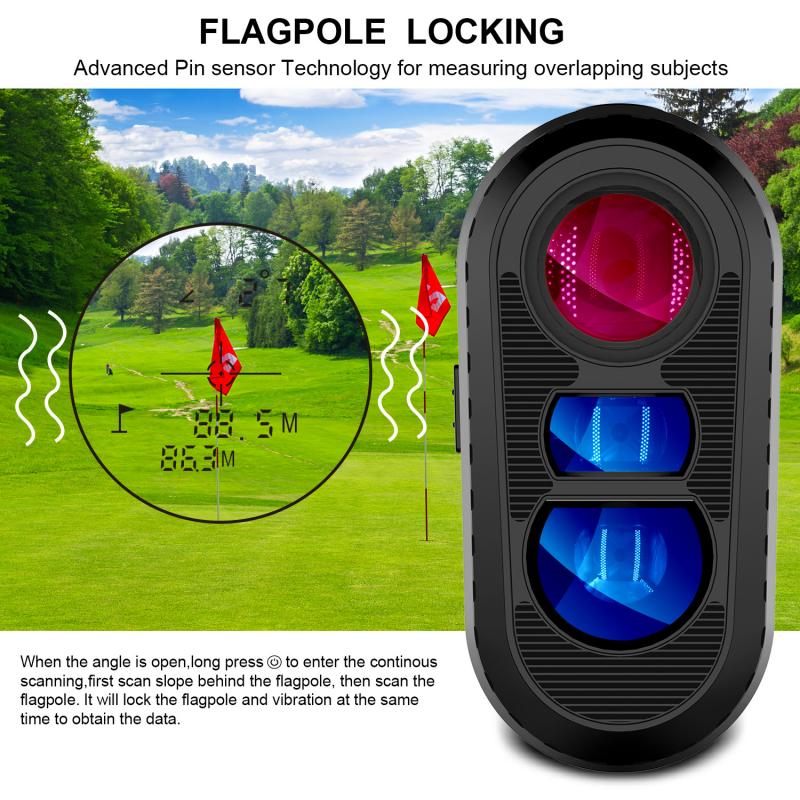
Image Source: img.kentfaith.com
Weighing Your Options: Golf Rangefinders vs. Hunting Specific Devices
Finding the right gear is key for any outdoor activity. This is very true for hunting. Many hunters wonder if they can save money by using a golf rangefinder instead of buying a special one for hunting. While both tools measure distance, they are built for very different tasks. A golf rangefinder helps you pick the right club. A hunting rangefinder helps you make a clean, ethical shot. Let’s look closer at each device and what makes them different.
What is a Golf Rangefinder?
A golf rangefinder is a small device golfers use to measure the distance to the flag or other points on a golf course. Its main goal is to tell you how far away the pin is. This helps a golfer choose the right club. These rangefinders are great for bright, open areas. They usually have a special mode to find the closest target, like a small flagstick. Many golf rangefinders also have “slope” features. This tells you the uphill or downhill adjustment for your shot. But this slope feature is different from what hunters need.
What is a Hunting Rangefinder?
A hunting rangefinder is a tool designed specifically for hunters. It measures distances to animals and terrain. These devices are built to handle tough outdoor conditions. They offer many features vital for hunting success and safety. Hunting rangefinder features include things like longer range, better low-light viewing, and special modes to help with bullet drop or arrow flight. They are made to be durable and often have special coatings. They help hunters know the exact distance to their target, even in tricky spots.
Key Differences: Golf vs. Hunting Rangefinders
The biggest differences between golf and hunting rangefinders come from their purpose. Golfers aim at a small, fixed object in a known area. Hunters aim at moving animals, often in changing terrain and light. These different needs lead to very different designs and features.
Here is a table showing the main differences:
| Feature | Golf Rangefinder | Hunting Rangefinder |
|---|---|---|
| Main Target | Golf flag, bunkers, trees | Animals, trees, rocks |
| Typical Max Range | 400-800 yards (to flag) | 800-1500+ yards (to deer, reflective targets) |
| Target Priority Mode | First Target Priority (finds closest object, e.g., flag) | Last Target Priority (finds farthest object, e.g., deer behind brush) |
| Angle Compensation | “Slope” mode for golf ball trajectory | Angle compensation technology for true horizontal distance for bullet/arrow drop |
| Ballistic Aid | No ballistic data | Often includes ballistic rangefinder capabilities (holdover, bullet drop) |
| Low Light Performance | Fair to poor | Good to excellent (low light rangefinder performance) |
| Durability/Weather | Often water-resistant, less rugged | Usually waterproof rangefinder hunting, fogproof, durable |
| Reticle/Display | Basic LCD, sometimes black | Clear OLED/LCD, often red/green, brightness adjust |
| Scan Mode | Yes, for multiple targets | Yes, for moving targets or scanning terrain |
| Cost | Generally lower | Generally higher |
| Eye Relief | Shorter eye relief | Longer eye relief, good for glasses |
| Optics Coating | Basic coatings | Advanced coatings for clarity and light gathering |
Range and Accuracy: Hitting Your Mark
One key area is the distance a rangefinder can measure. Golf rangefinders usually work well up to 800 yards for golf flags. But they may struggle to range a deer at that distance. Deer are not as reflective as a golf flag. A long distance ranging device for hunting needs to work much farther. It needs to range animals accurately at 1000 yards or more. This is vital for rifle hunting. You need to know the exact distance for a clean shot.
For bow hunting, distances are much shorter, usually 10-60 yards. But accuracy is still super important. A few yards off can mean a missed shot. Deer hunting rangefinder accuracy is not just about big numbers. It is about consistent, precise measurements every time. Hunting rangefinders are built to give accurate readings on non-reflective targets like animal hides. Golf rangefinders are made for highly reflective targets like golf flags. This difference matters a lot.
Angle Compensation: The True Distance
Imagine you are on a steep hill. An animal is across a ravine. The straight-line distance might be 300 yards. But if you shoot, gravity pulls your bullet down more or less than if you were on flat ground. This is where angle compensation technology comes in.
Golf rangefinders have a “slope” feature. It tells you the adjusted distance for your golf shot. This helps you pick the right club. However, this slope function is not the same as a hunter’s true horizontal distance. For hunting, you need to know the “true horizontal distance.” This is the flat-ground distance your bullet or arrow would travel. It tells you how much gravity will affect your shot.
A terrain compensation rangefinder gives you this true horizontal distance. It is vital for ethical hunting, especially in hilly or mountainous areas. Without it, you might aim too high or too low, leading to a wounded animal. Golf rangefinders’ slope feature usually calculates an “effective playing distance” for a golf ball. This is different from the actual ballistic calculation needed for a bullet or arrow.
Ballistic Assistance: Aiming Smart
This is a big feature gap. Most golf rangefinders do not offer any kind of ballistic help. A dedicated hunting rangefinder can have ballistic rangefinder capabilities. This means it can do more than just tell you the distance. It can tell you how much to hold over (aim higher) or how many clicks to adjust your scope. Some advanced models can even link to your phone. They use data like your bullet type, muzzle velocity, and wind speed. This helps you make a precise shot based on real-time numbers.
For rifle hunters, this feature is a game changer, especially at longer distances. Knowing the exact bullet drop for 400 yards is crucial. A golf rangefinder will only tell you “400 yards.” A ballistic hunting rangefinder might tell you “400 yards, hold over 10 inches.” This added information reduces guesswork. It makes your shots much more accurate.
Low Light Vision: When Animals Move
Animals are most active during dawn and dusk. This is when light is low. A good hunting rangefinder needs to perform well in these dim conditions. Low light rangefinder performance is a huge factor. Many golf rangefinders use basic LCD screens. These screens can be hard to read in low light. They might not gather enough light to range targets in deep shadows or near dark.
Hunting rangefinders often use OLED or advanced LCD displays. These displays are brighter and clearer. Many have red or green reticles that you can adjust for brightness. This means you can see your reading clearly, even in the last minutes of light. This is critical for knowing the distance to an animal that appears just before dark. Poor low-light performance means you might miss your chance or make a bad shot.
Durability and Weather: Built for the Wild
Hunting means facing all kinds of weather. Rain, snow, fog, and dust are common. Your gear needs to hold up. Most golf rangefinders are water-resistant. This means they can handle a light sprinkle. But they are often not fully waterproof. A sudden downpour could ruin a golf rangefinder.
A waterproof rangefinder hunting model is built to survive harsh conditions. They are usually sealed and purged with nitrogen. This stops fogging inside the optics. They are also made with tougher materials. They can handle bumps and drops better. Hunting rangefinders are designed to be reliable in the wild, not just on a golf course. Imagine hiking miles into the backcountry. You need gear you can trust, no matter what the weather does.
Target Modes: Pin vs. Animal
Golf rangefinders usually have a “first target priority” mode. This means they aim for the closest object. This is perfect for picking out a small flagstick against a busy background of trees. But for hunting, you often need the “last target priority” mode. This mode finds the farthest object in the range. It helps you range an animal standing behind a few branches or tall grass. You want the distance to the animal, not the twig in front of it. Hunting rangefinder features are specifically designed to help you get the distance to your intended target, not just the closest thing.
Displays and Reticles: Clarity When It Counts
The display inside your rangefinder matters. Golf rangefinders often have basic black LCD displays. These are fine in bright daylight. But they can be hard to see in low light or against dark backgrounds. Hunting rangefinders often feature advanced OLED or illuminated LCD displays. These can show numbers in red or green. You can adjust the brightness. This means you can always see your distance reading clearly, whether it’s bright noon or dim dusk. The reticle (the crosshairs you look through) is also often designed to be clearer and more useful for a hunter.
When a Golf Rangefinder Might Work (and When It Won’t)
A golf rangefinder might work for very specific hunting situations:
* Small game hunting at close range: For squirrels or rabbits within 50 yards on flat land, a basic golf rangefinder might give you a decent distance.
* Practice on a flat range: If you are just practicing on a known, flat shooting range, a golf rangefinder can measure target distance.
However, a golf rangefinder will likely fail you in most real hunting scenarios:
* Big game hunting: For deer, elk, or bears, you need extreme accuracy and often longer range. Ethical shots are critical.
* Hilly or mountainous terrain: Without proper angle compensation, your shot will be off.
* Low light conditions: You will struggle to get a reading when animals are most active.
* Long-range shooting: Golf rangefinders simply do not have the power or accuracy for long hunting shots.
* Bad weather: They are not built for rain, snow, or fog.
The Importance of a Dedicated Hunting Rangefinder
Choosing a dedicated hunting rangefinder benefits you in many ways. It improves your chances of success. More importantly, it helps you make ethical shots. Wounding an animal because you had the wrong distance is not acceptable. A dedicated device gives you confidence. You know your distance is accurate. You know your gear will work in the field.
For bow hunting rangefinder essential features are often about speed and precision at shorter ranges. Bow hunters need to range targets quickly and quietly. They need true horizontal distance, especially from a treestand. Some hunting rangefinders have a special “bow mode” that focuses on these close-range, angle-compensated readings. They are also built to be easy to use with one hand. They often have clear reticles that do not block your view of the animal. This makes them perfect for archers who need quick, precise readings.
A good hunting rangefinder is an investment. It is an investment in your hunt, your safety, and the well-being of the game you pursue. It is a tool made for the job. It provides the right data, in the right way, when you need it most.
A general rule to follow: if you are going to take an animal’s life, you should use the right tools to do it as quickly and humanely as possible. A golf rangefinder, while a good tool for its intended purpose, simply falls short for the serious hunter.
Summary of Benefits
- Accuracy: Designed for animals, not golf flags.
- Range: Measures much farther for rifle hunters.
- Angle: Provides true horizontal distance for tricky terrain.
- Ballistics: Helps with bullet/arrow drop, reducing guesswork.
- Low Light: Works when animals are most active.
- Durability: Built to withstand harsh outdoor conditions.
- Targeting: Special modes for animals behind brush.
Choosing the right rangefinder is a big part of being a prepared and responsible hunter. Do your research. Read reviews. Choose a device that matches your hunting style and the terrain you hunt in. Do not compromise on such a vital piece of gear.
Frequently Asked Questions (FAQ)
Q1: Can I really hunt with a golf rangefinder?
A1: Yes, you can. But it has many limits. It works best for very close range and flat terrain. For most hunting, especially big game or in hilly areas, it is not a good choice.
Q2: How far can a hunting rangefinder reach?
A2: A good hunting rangefinder can measure distances to deer-sized targets from 800 to over 1500 yards. They can range reflective targets even farther, sometimes over 2000 yards.
Q3: Is angle compensation really needed for hunting?
A3: Yes, angle compensation is very important for hunting. It tells you the true horizontal distance to your target. This is key for accurate shot placement on steep hills or valleys. Without it, your bullet or arrow will hit too high or too low.
Q4: What makes a rangefinder “ballistic”?
A4: A ballistic rangefinder does more than just measure distance. It uses built-in math to tell you how much your bullet or arrow will drop at that distance. It can even suggest holdover points or scope adjustments.
Q5: Are golf rangefinders waterproof enough for hunting?
A5: Most golf rangefinders are water-resistant, but not fully waterproof. They can handle light rain. Dedicated hunting rangefinders are built to be fully waterproof and fogproof. They can survive heavy rain, snow, and even being dropped in water.
Q6: What is the best rangefinder for bow hunting?
A6: For bow hunting, you need a rangefinder that is fast and accurate at close ranges. It must have angle compensation for treestand shots. Look for models with a “bow mode” or very quick readings. These features are often found in dedicated hunting rangefinders.