
Proper How To Store Electric Golf Cart For Winter Prep
Winter comes for many places. Cold weather can hurt your electric golf cart. Proper storage is very important. It helps your cart stay in good shape. It saves you money on repairs. It makes sure your cart is ready to go next spring. This guide will show you how to prepare your electric golf cart for long, cold months. It covers everything from batteries to tires. Follow these steps for the best results.
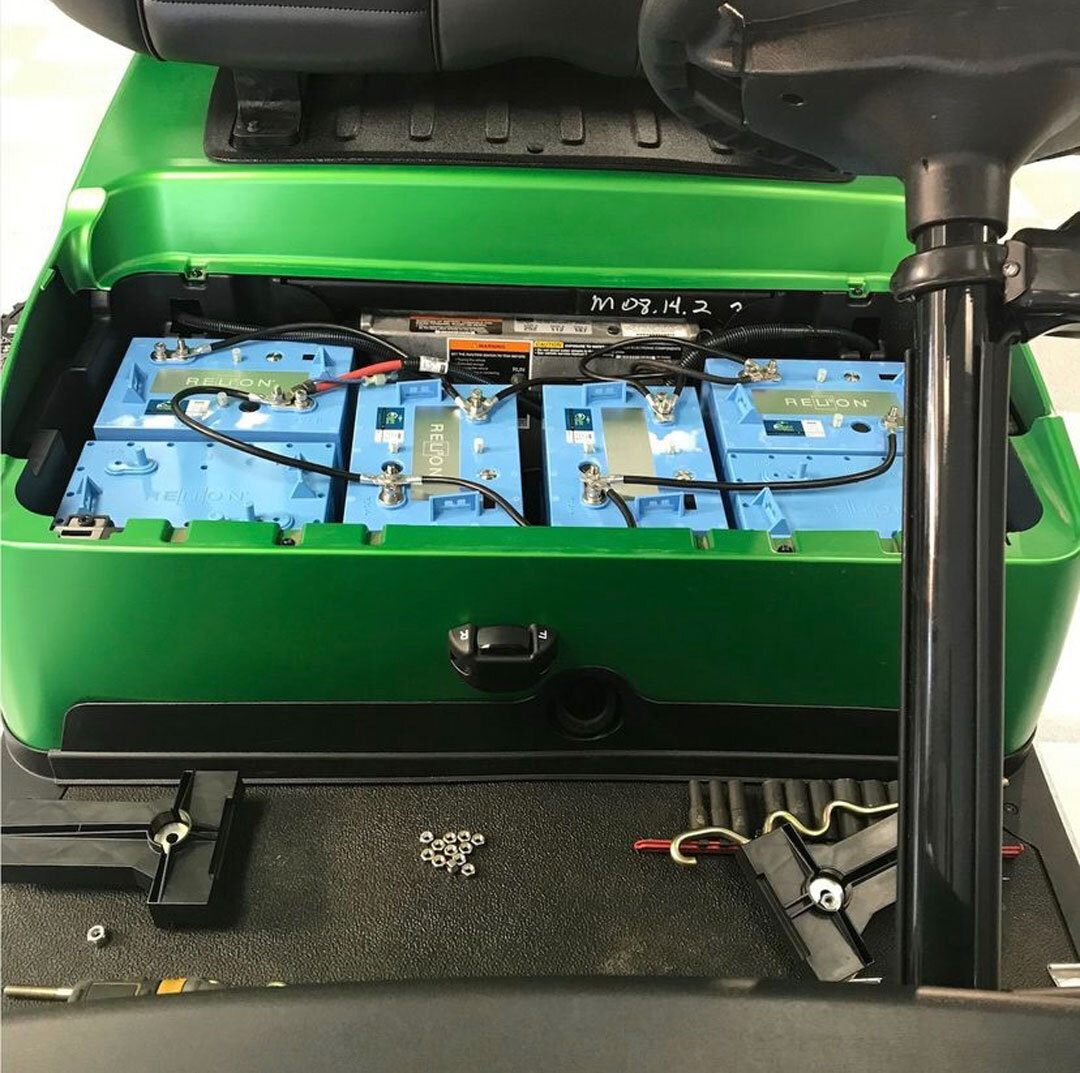
Image Source: ceb8596f236225acd007-8e95328c173a04ed694af83ee4e24c15.ssl.cf5.rackcdn.com
The Core of Winter Prep: Battery Care
The battery pack is the heart of your electric golf cart. Cold weather can severely damage batteries if not cared for. Golf cart battery winter care is the most important part of winter prep. It stops big problems. It makes batteries last longer.
Golf Cart Battery Winter Care: Key Steps
Taking care of your golf cart batteries in winter is crucial. Batteries lose power faster in the cold. They can even freeze and break. Follow these steps carefully.
Cleaning Your Battery
Start by cleaning your batteries. Dirt and grime can make them lose power. Use a stiff brush to remove any loose dirt. Mix baking soda with water. Make a paste. Put this paste on the battery terminals. This will clean off any corrosion. Corrosion looks like a white or green powdery substance. Use an old toothbrush to scrub it gently. Rinse the paste away with clean water. Be careful not to get water inside the battery cells. Dry the batteries completely with a clean cloth. Clean batteries work better. They last longer.
Checking Water Levels
Most electric golf carts use lead-acid batteries. These batteries need water. Check the water levels in each cell. Each cell has a cap. Open the caps. Look inside. The water level should be above the plates. If the water is low, add distilled water. Do not use tap water. Tap water has minerals. These minerals can hurt the battery. Add water just to cover the plates. Do not fill to the very top yet. We will charge them first.
Fully Charge Batteries
Always charge your batteries fully before storing your cart. A full charge helps prevent damage. It stops a common problem called sulfation. Sulfation happens when batteries sit uncharged. It makes them weak. Charge your cart completely. Use your regular golf cart charger. This may take several hours. Make sure the charger finishes its cycle. Once charged, check the water levels again. Now, you can add more distilled water if needed. Fill to about 1/4 inch below the fill hole. This leaves room for expansion.
Disconnect Batteries
After fully charging, you should disconnect the batteries. This stops any small power drain. Even things like clocks or lights can slowly drain a battery. First, take off the negative cable. This is usually marked with a minus (-) sign. Then, take off the positive cable. This is usually marked with a plus (+) sign. Use a wrench. Store the cables safely. Make sure they cannot touch each other. This stops any accidental short circuits. Disconnecting them prevents power loss.
Prevent Golf Cart Battery Drain Winter with a Trickle Charger
Even disconnected batteries can lose power over many months. To prevent golf cart battery drain winter, use a golf cart battery trickle charger. A trickle charger gives a very slow, steady charge. It keeps the batteries topped off. It does not overcharge them. This is often called a “maintainer” or “float charger.” Connect the trickle charger to your battery pack. Follow the charger’s instructions. Check it every few weeks. Make sure it is working. This is the best way to keep your batteries healthy all winter.
Optimal Storage Temperature for Batteries
Where you store your batteries matters. Cold rooms are okay. But freezing rooms are bad. Batteries should not freeze. Try to keep them in a place where the temperature stays above 32°F (0°C). A garage or shed is good. If it gets very cold, consider taking the batteries inside. Store them in a basement or heated area. Always store batteries on a wood or plastic surface. Do not put them directly on a concrete floor. Concrete can make them lose power faster.
Here is a simple guide for checking battery voltage:
| Battery Type | Full Charge Voltage | Action if Voltage is Low |
|---|---|---|
| 6-Volt | 6.3 – 6.4 Volts | Recharge immediately. |
| 8-Volt | 8.4 – 8.5 Volts | Recharge immediately. |
| 12-Volt | 12.6 – 12.7 Volts | Recharge immediately. |
| Whole Pack | (Sum of individual) | Recharge entire pack. |
Note: Use a voltmeter to check individual battery voltage. A low voltage means the battery is discharged and can be damaged by freezing.
Cleaning Electric Golf Cart for Winter
A clean cart stores better. It helps you find any small problems. Cleaning electric golf cart for winter is more than just making it look good. It protects your cart.
Exterior Wash
Wash the entire outside of your cart. Use mild soap and water. Use a soft sponge or cloth. Clean off all dirt, mud, and grass. Pay attention to the undercarriage. Dirt can hold moisture. Moisture can cause rust. Rinse the cart well. Make sure no soap is left behind. Dry the cart fully. You can use a leaf blower or towels. A clean cart is less likely to rust.
Interior Clean
Clean the inside of your cart too. Remove all trash. Take out floor mats. Vacuum the floors and seats. Wipe down all surfaces. Use an interior cleaner for plastic parts. Check under the seats. Look for crumbs or spills. These can attract pests. Make sure everything is dry. Use a fabric protector on seats if you have cloth seats. This keeps them from getting moldy.
Tire Care and Shine
Clean your tires and wheels. Use a tire brush and cleaner. Make sure they are free of mud and dirt. You can add a tire shine product. This makes them look good. It also protects the rubber. Check the tire pressure. We will talk more about tires soon.
Rust Prevention
After cleaning, look for any spots of rust. If you find rust, clean it off. You can use a rust remover. Then, touch up the paint. Apply a thin coat of wax to painted surfaces. This adds a layer of protection. It helps prevent new rust. Use a silicone spray on metal parts that move. This includes hinges and springs. This protects them from moisture.
Electric Golf Cart Pre-Winter Inspection: What to Check
Before putting your cart away, do a full check. This is an electric golf cart pre-winter inspection. It helps you find small issues now. Fixing them now is easier. It saves you bigger problems later.
Brake Check
Check your brakes. Do they work well? Do they feel soft? Look at the brake pads. Are they worn out? If they are thin, plan to replace them. Check the brake fluid if your cart uses it. Make sure it is at the right level. If your brakes need work, get them fixed before storage.
Steering and Suspension
Move the steering wheel. Does it feel loose? Are there any strange noises? Look at the front suspension. Are any parts bent or broken? Check the shocks. Do they look oily? This could mean they are leaking. A good steering and suspension system keeps your ride smooth. It is safer.
Lights and Signals
Turn on all the lights. Check the headlights, tail lights, and turn signals. Make sure they all work. If a bulb is out, replace it now. Check the horn too. These small checks make sure your cart is ready for next season.
Charger and Cables
Inspect your charger. Look at the power cord and the golf cart connector. Are there any cuts? Are any wires showing? Frayed wires are dangerous. They can cause fires. Check the charging port on the cart. Make sure it is clean. A good charger is key for healthy batteries.
Fluid Levels (if applicable)
Electric golf carts do not have many fluids. But some might have brake fluid or differential fluid. Check your owner’s manual. See what fluids your cart uses. Make sure all fluid levels are correct. Top them off if needed.
Tire Flat Spots Prevention Golf Cart: Keeping Tires Round
Tires can get flat spots. This happens when a cart sits in one place for a long time. The weight of the cart presses down on one part of the tire. This makes it flat. To avoid this, you need tire flat spots prevention golf cart methods.
Inflate Tires Properly
Make sure your tires have the right amount of air. Check your owner’s manual for the correct tire pressure. It is usually around 18-22 PSI. Inflate them to the high end of the recommended range. This helps the tires hold their shape. It puts less pressure on one spot.
Move the Cart Often
If you can, move your cart every few weeks. Roll it forward or backward a few feet. This changes where the weight sits on the tires. This simple step can prevent flat spots. Even a small move helps.
Lift the Cart
The best way to prevent flat spots is to lift the cart. Use jack stands. Place them under the frame. Lift the cart so the tires are off the ground. All four tires should be off the ground. This takes all the weight off the tires. This is the best way to keep them perfectly round. If you cannot lift the whole cart, try lifting at least two wheels. Then move it and lift the other two.
Long-Term Golf Cart Storage Preparation: Beyond the Basics
After caring for batteries, cleaning, and inspecting, there are more steps. These steps are for long-term golf cart storage preparation. They protect the cart’s body and parts.
Choosing the Right Storage Spot
Where you store your cart matters a lot.
* Indoors is best: A garage, shed, or dedicated storage unit is ideal. It protects the cart from snow, rain, and ice. It also keeps it safe from harsh winds.
* Dry place: Make sure the spot is dry. High humidity can cause rust. It can also lead to mold or mildew on seats.
* Pest-free: Look for signs of mice or other pests. They can chew wires. They can build nests in your cart. We will talk more about pest control soon.
* Flat surface: Store the cart on a flat, level surface. This helps with tire care.
Covering Your Cart
Use a good golf cart cover. A breathable cover is best. It lets moisture escape. This stops mold and mildew. A good cover protects against dust. It protects against pests. It also protects against accidental scratches. Do not use a tight, non-breathable plastic tarp. These can trap moisture. This can cause more problems.
Pest Control
Mice, rats, and even insects love warm, cozy places. Your golf cart can be a perfect home for them.
* Cleanliness: A clean cart is less attractive to pests. Make sure there are no food crumbs.
* Block openings: Check for any small openings. Mice can squeeze through tiny holes. Block them if you find any.
* Repellents: You can use mouse traps. Or use natural repellents. Peppermint oil balls work for some. Dryer sheets also help keep mice away. Place them inside the cart. Put them in storage compartments.
* Check often: If you store your cart for many months, check on it. Look for signs of pests. Clear out any nests you find.
Brake Release
For carts stored on a flat surface, release the parking brake. If you leave the parking brake engaged for months, it can seize up. This means the brake might stick. It might not release easily later. Chock the wheels instead. Use blocks or wedges to keep the cart from rolling. If you lifted the cart off the ground, you do not need to worry about the brake.
Electric Golf Cart Cold Weather Maintenance Tips
Even when stored, cold weather can affect your cart. Electric golf cart cold weather maintenance focuses on keeping components safe from low temperatures.
Battery Warm-up
If you plan to use your cart on a cold day, allow batteries to warm up. Batteries work less well in the cold. Let the cart sit in a warmer spot for a bit. Or drive it slowly for a few minutes. This helps the batteries perform better. It also makes them last longer.
Charging in Cold
Do not charge batteries that are frozen. Charging frozen batteries can damage them. Bring cold batteries into a warmer spot before charging. Let them warm up for several hours. Then, charge them. This protects the battery cells.
Using in Cold
Try to avoid using your electric golf cart in very cold weather. Cold weather makes batteries drain much faster. It also puts more stress on other parts. If you must use it, drive it gently. Do not push it too hard. Keep your trips short.
Winterizing Electric Golf Cart Checklist
Here is a simple winterizing electric golf cart checklist. Use this to make sure you do not miss any steps.
- Battery Care:
- Clean battery tops and terminals.
- Check and fill water levels (distilled water only).
- Fully charge batteries before storage.
- Disconnect battery cables (negative first, then positive).
- Connect a golf cart battery trickle charger/maintainer.
- Store batteries in a place above freezing.
- Cleaning:
- Wash and dry the entire cart (exterior and undercarriage).
- Clean the interior, remove all items and food.
- Clean tires and wheels.
- Apply wax or silicone spray for rust prevention.
- Inspection:
- Check brakes for proper function and wear.
- Inspect steering and suspension for looseness or damage.
- Test all lights (headlights, tail lights, turn signals) and horn.
- Examine charger and cables for damage.
- Check fluid levels (if applicable, e.g., brake fluid).
- Tires:
- Inflate tires to recommended pressure.
- Consider moving the cart every few weeks.
- Best option: Lift the cart onto jack stands to keep tires off the ground.
- Storage Environment:
- Store indoors in a dry, pest-free area.
- Use a breathable golf cart cover.
- Implement pest control measures (repellents, traps).
- Release the parking brake if not lifted; use wheel chocks.
Off-Season Golf Cart Storage Tips: A Quick Review
To summarize, off-season golf cart storage tips boil down to a few key points:
- Batteries are King: They need the most attention. Full charge, clean, disconnected, and on a trickle charger. Keep them warm.
- Cleanliness is Key: A clean cart avoids rust, mold, and pests.
- Inspect Everything: Find small problems before they become big ones.
- Protect Tires: Keep them round to avoid flat spots.
- Choose Good Storage: A dry, sheltered spot is best. Cover your cart. Keep pests away.
Following these steps will make sure your electric golf cart stays in top condition. When spring arrives, your cart will be ready for the golf course. You will avoid costly repairs. You will enjoy more time on the green.
Frequently Asked Questions (FAQ)
Q1: Can I leave my electric golf cart outside in winter if it’s covered?
A1: It is not best. Leaving it outside, even with a cover, exposes it to freezing cold. This can harm batteries. It can also hurt other parts. It is much better to store it inside a garage or shed.
Q2: How often should I check my golf cart battery during winter storage?
A2: If you use a smart trickle charger, it should manage the charge. But it is good to check every 2-4 weeks. Make sure the charger is on. Check battery fluid levels once a month if your charger allows.
Q3: What happens if I don’t charge my golf cart batteries before winter?
A3: If batteries are not fully charged, they can lose power. This leads to sulfation. Sulfation hardens the battery plates. This makes batteries lose capacity. They might not hold a charge anymore. They can also freeze and crack. This ruins the battery.
Q4: Do I need to remove my golf cart batteries from the cart for winter storage?
A4: You do not have to remove them. But you must disconnect them from the cart’s electrical system. Then, connect them to a trickle charger. If your storage area gets very cold (below freezing), taking them inside to a warmer spot is a good idea.
Q5: Should I put anything in the tires to prevent flat spots?
A5: No, do not add anything inside the tires. The best ways to prevent flat spots are to inflate them properly. Or move the cart every few weeks. Or lift the cart onto jack stands. This takes the weight off the tires completely.