
Essential Guide: How To Choose A Golf Cart Wisely!
Choosing a golf cart can feel like a big task. It needs careful thought. You pick one based on how you will use it. Think about its purpose, what powers it, if it is new or used, and what features you need. This guide helps you make a smart choice.
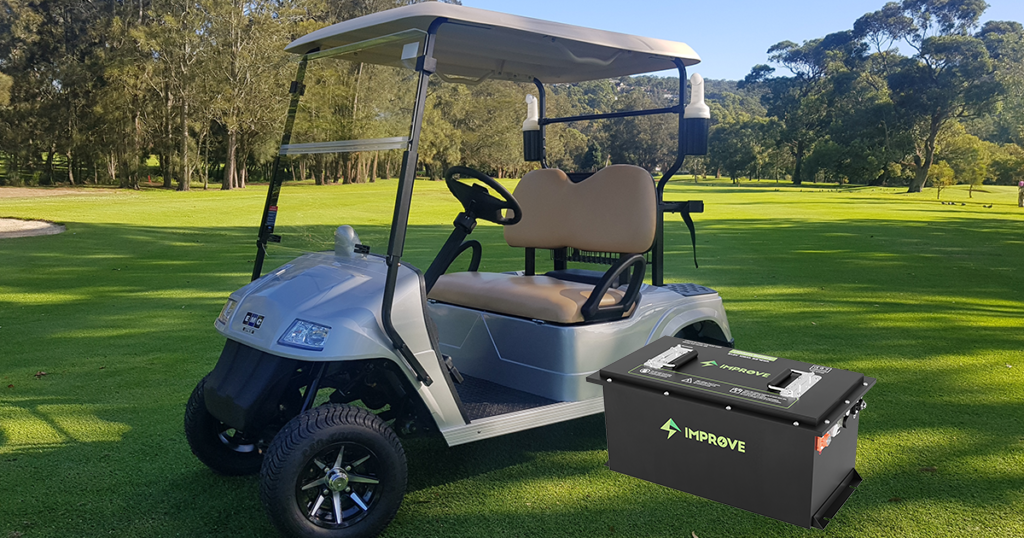
Image Source: cdn.improve-battery.com
Your Golf Cart’s Role: What Will It Do?
Before you look at carts, think about why you want one. Will it be just for golf? Or do you need it for your yard, around your neighborhood, or even for work? Different uses need different carts.
- For the Golf Course: You will want good range and easy turning.
- For Your Neighborhood: Speed, comfort, and perhaps street legal features matter.
- For Property Work: Hauling power and tough tires are key.
- For Camping or Hunting: Off-road ability and quiet operation might be important.
Knowing its main job helps narrow down your choices right away.
Engine Type: Electric vs Gas Golf Cart
One of the biggest choices is the engine type. Do you want an electric cart or a gas cart? Both have good points and bad points. Let’s look at them closely.
Electric Golf Carts
Electric carts run on batteries. They use an electric motor.
* Pros:
* Quiet: They make very little noise. This is great for early morning golf. It is also good for quiet neighborhoods.
* Clean: They make no exhaust fumes. This means better air quality. They are better for the earth.
* Low Upkeep: They have fewer moving parts than gas carts. This means less need for oil changes. They do not need spark plugs or fuel filters. This often means lower repair costs over time.
* Smooth Ride: Electric motors give a steady, smooth speed. They are easy to drive.
* Charging At Home: You can plug them into a normal outlet.
* Cons:
* Limited Range: They can only go so far on one charge. If you use it a lot, you might need to charge it often.
* Charging Time: It takes many hours to fully charge the batteries.
* Battery Cost: New batteries can be expensive. You need to replace them every few years.
* Power Drop: As the battery runs low, the cart might slow down. It might not climb hills as well.
Gas Golf Carts
Gas carts run on fuel, like a small car engine.
* Pros:
* Longer Range: They can go much farther on a full tank of gas. You can fill up quickly.
* More Power: Gas carts often have more power. They are better for steep hills or hauling heavy loads.
* Quick Refuel: You can fill the tank in minutes. This is faster than charging.
* No Power Loss: They keep their full power until they run out of gas.
* Cons:
* Noisy: Gas engines make noise. This can be annoying on a quiet golf course. It can bother neighbors.
* Emissions: They put out exhaust fumes. This is not good for air quality.
* More Upkeep: They need oil changes, new spark plugs, and air filters. They have more parts that can break. This means higher golf cart maintenance cost.
* Fuel Cost: Gas prices can add up over time.
* Vibration: The engine can cause some shaking.
Here is a quick look at electric vs gas golf cart differences:
| Feature | Electric Golf Cart | Gas Golf Cart |
|---|---|---|
| Noise | Very Quiet | Loud |
| Emissions | None | Yes (exhaust fumes) |
| Fuel/Power | Batteries (charge) | Gasoline |
| Range | Limited (needs charging) | Long (quick refuel) |
| Power | Steady, less hill power when low | Strong, consistent |
| Maintenance | Lower, but battery cost | Higher (engine upkeep) |
| Refueling | Slow (hours to charge) | Fast (minutes to fill) |
| Cost to Run | Cheaper electricity | More expensive gas + upkeep |
Choose electric for quiet, clean use. Pick gas for long trips, lots of power, and quick refills.
New vs Used Golf Cart: Which Is Right For You?
Deciding between a new cart and a used one is a big step. Both have clear benefits. Both also have some drawbacks.
New Golf Carts
Buying a new golf cart means you get the latest features. It comes with a warranty.
* Pros:
* Reliability: It works well from day one. You get new parts.
* Warranty: Most new carts come with a warranty. This covers repairs for a set time. This gives you peace of mind.
* Latest Features: New carts often have better technology. They might have nicer seats or stronger batteries.
* Customization: You can pick the exact color and add-ons you want.
* No Hidden Issues: You do not worry about what the last owner did.
* Cons:
* Higher Cost: New carts cost much more upfront.
* Depreciation: Like cars, golf carts lose value fast.
Used Golf Carts
A used golf cart can save you a lot of money. But you need to be careful.
* Pros:
* Lower Price: You can get a good cart for much less money. This is the biggest reason to buy used.
* Less Depreciation: Most of the value loss has already happened.
* Immediate Availability: You can often take it home right away.
* Cons:
* Unknown History: You might not know how well it was cared for.
* No Warranty (Usually): Most used carts do not come with a warranty. You pay for all repairs.
* Hidden Problems: There might be issues you cannot see right away.
* Older Technology: It might not have the newest features.
* Battery Life (for electric): Used electric carts often need new golf cart battery types soon. This adds to the cost.
Tips for Buying a Used Golf Cart:
If you choose a used cart, here are some golf cart buying tips:
1. Check the Frame: Look for rust or cracks.
2. Test Drive: Drive it. Check the brakes and steering. Make sure it runs smooth.
3. Check Batteries (Electric): Look at the battery date codes. Old batteries mean you will need to buy new ones soon. This can be costly.
4. Listen to the Engine (Gas): Does it sound smooth? Or does it make odd noises?
5. Look at Tires: Are they worn down evenly?
6. Ask for Records: Ask about service history.
7. Get a Mechanic to Look: If you are unsure, have a trusted mechanic check it. This small cost can save you big money later.
A used cart can be a great deal. Just do your homework first.
Powering Your Ride: Golf Cart Battery Types
If you pick an electric golf cart, the batteries are the heart of the cart. Knowing about golf cart battery types is very important. They affect how far you can go and how much you will spend over time.
There are two main kinds of batteries for golf carts: lead-acid and lithium-ion.
Lead-Acid Batteries
These are the most common type. They have been used for a long time. There are a few types of lead-acid batteries.
* Flooded Lead-Acid (FLA):
* Common Type: These are often called “wet cell” batteries. They have liquid acid inside.
* Need Care: You must add distilled water to them often. This keeps them working right.
* Cost: They are the cheapest to buy upfront.
* Life: They last about 3 to 7 years. This depends on care and use.
* AGM (Absorbed Glass Mat) Lead-Acid:
* No Maintenance: You do not need to add water. The acid is held in glass mats.
* Spill-Proof: They are sealed. They will not spill acid.
* Cost: They cost more than flooded batteries.
* Life: Similar life span to flooded, but less common for golf carts.
* Gel Cell Lead-Acid:
* No Maintenance: Like AGM, they are sealed. The acid is in a gel.
* Resist Heat: They handle heat well.
* Cost: They are usually the most expensive lead-acid type.
* Charge Slow: They charge slower than other types.
Lithium-Ion Batteries
These are newer to golf carts. They are gaining favor fast. They are like the batteries in your phone or laptop.
* Pros:
* Longer Life: They last much longer than lead-acid. Often 8-10 years or more.
* Lighter Weight: They weigh much less. This makes the cart faster and more efficient.
* Faster Charging: They charge much quicker. Sometimes in just 2-3 hours.
* No Maintenance: They do not need water. They are sealed.
* Full Power: They give full power until they are almost empty. No slowing down.
* Cons:
* High Upfront Cost: They cost a lot more to buy at first. But they might save you money over time due to their long life.
* Hard to Fix: If they break, they are hard to fix.
Here is a simple table for golf cart battery types:
| Battery Type | Upfront Cost | Life Span (Years) | Maintenance | Weight | Performance |
|---|---|---|---|---|---|
| Flooded Lead-Acid | Low | 3-7 | High (add water) | Heavy | Drops with charge |
| AGM Lead-Acid | Medium-High | 3-7 | Low | Heavy | Drops with charge |
| Gel Cell Lead-Acid | High | 3-7 | Low | Heavy | Drops with charge |
| Lithium-Ion | Very High | 8-10+ | None | Very Light | Stays strong |
Think about your budget and how much care you want to give. Lithium-ion costs more upfront. But they offer ease of use and long life.
Top Players: Best Golf Cart Brands
Many companies make golf carts. Some brands are well-known for their quality and lasting power. Knowing the best golf cart brands can help you pick.
- Club Car:
- Known for: Quality build, comfort, and good looks. They are very popular.
- Models: Often seen on golf courses. They make many models for home use too.
- Features: Known for strong frames and good suspension.
- EZ-GO:
- Known for: Reliability and value. They offer a range of options.
- Models: From basic golf carts to more powerful utility carts.
- Features: Often have good parts availability.
- Yamaha:
- Known for: Smooth gas engines. Their gas carts are often very quiet for their type.
- Models: Make both gas and electric carts.
- Features: Known for strong engines and good ride quality.
- Cushman:
- Known for: Heavy-duty utility carts. They are built for work.
- Models: Often used by businesses or on large properties.
- Features: Focus on hauling, towing, and lasting power.
- Star EV:
- Known for: Value and a good range of options. They offer many carts for street use.
- Models: Many types, including lifted carts and multi-passenger carts.
- Features: Often come with many accessories already installed.
These brands are well-loved for good reasons. They offer good carts for many needs.
Key Things To Check: Golf Cart Features Comparison
Beyond the engine and brand, many features make a golf cart right for you. Think about what you need and what you want.
Golf Cart Seating Capacity
How many people will ride in your cart? This is a key feature.
* 2-Seater: Standard golf cart. Good for one or two people and golf clubs.
* 4-Seater: Most popular for families or friends. They often have a rear-facing seat. This seat can fold down into a cargo bed.
* 6-Seater or More: Great for big families or groups. These are longer carts. They are harder to turn in tight spots.
Consider your group size. Think about future needs too.
Speed and Range
- Speed: Most golf carts go 12-15 mph. Some can go faster, especially street legal golf cart models. Check local speed limits if you will drive on roads.
- Range:
- Electric: A full charge might last 20-40 miles. This depends on battery type and use.
- Gas: A full tank might get you 100-200 miles or more.
Think about how far you need to go between charges or fill-ups.
Suspension and Tires
- Suspension: This affects ride comfort. Basic carts have basic suspension. Lifted carts or carts for rough terrain need stronger suspension.
- Tires:
- Turf Tires: Gentle on grass. Best for golf courses.
- Street Tires: Good for pavement. Give a smooth ride.
- All-Terrain Tires: Good for dirt, gravel, and some off-road use. They are tougher.
Pick tires based on where you will drive the most.
Brakes
Make sure the brakes feel strong and work well. Test them during your drive. Some carts have drum brakes. Others have disc brakes, which are often better.
Lights, Horn, Mirrors
These are important for safety.
* Headlights and Tail Lights: A must for night driving.
* Turn Signals and Brake Lights: Needed for street legal carts.
* Horn: Good for warning others.
* Mirrors: Side mirrors and a rearview mirror help you see around your cart.
Storage
Where will you put your golf clubs, groceries, or tools?
* Basket or Cargo Bed: Some carts have small baskets. Others have larger beds.
* Under-Seat Storage: Some carts have space under the seat.
* Glove Box: Small space for phones or wallets.
Taking It To The Streets: Street Legal Golf Cart
Can you drive a golf cart on public roads? Sometimes, yes! But it needs to be a street legal golf cart. These are also called Low-Speed Vehicles (LSVs).
What makes a golf cart street legal? Rules vary by state and town. But most LSVs need these things:
* Headlights: Must be on when driving.
* Tail Lights: Must be seen from behind.
* Brake Lights: Turn on when you press the brake.
* Turn Signals: For turning right or left.
* Reflectors: On the sides and back.
* Windshield: Clear, safe glass.
* Seatbelts: For all seats.
* Rearview Mirror: To see behind you.
* Side Mirrors: To see to the sides.
* Horn: To warn others.
* License Plate: Must be registered.
* VIN (Vehicle Identification Number): A unique number for the cart.
* Maximum Speed: Usually 20-25 mph. They cannot go on roads with speed limits over 35 mph.
Important: Check your local laws! What is legal in one town might not be in another. Make sure you know the rules before you buy. This ensures you can drive your cart where you want.
Keeping It Running: Golf Cart Maintenance Cost
No matter if you choose gas or electric, a golf cart needs care. This care comes with a cost. Understanding golf cart maintenance cost helps you budget.
Electric Golf Cart Maintenance
- Battery Care: This is the biggest part.
- Watering (Flooded Lead-Acid): You must add distilled water to flooded batteries often. This is a small cost, but it takes time.
- Cleaning: Keep battery terminals clean.
- Replacement: This is the biggest cost. Lead-acid batteries need replacing every 3-7 years. A new set can cost $600-$2000. Lithium batteries last longer. But they cost $2000-$4000 upfront.
- Tires: Check air pressure often. Replace when worn. This is like a car.
- Brakes: Pads wear down. They need checking and replacing.
- Steering: Check for loose parts.
- Electric Motor: Generally very low maintenance.
Overall, electric carts have lower daily running costs. But the big battery cost can hit you every few years.
Gas Golf Cart Maintenance
Gas carts are more like small cars.
* Oil Changes: Like a car, the engine needs regular oil changes.
* Filters: Air filter, fuel filter. These need changing.
* Spark Plugs: Need replacing over time.
* Belts: Engine belts can wear out.
* Fuel: Constant cost to fill the tank.
* Tires, Brakes, Steering: Similar to electric carts.
Gas carts have more moving parts. This means more things can break. They often have higher yearly maintenance costs. But they do not have the big battery replacement cost.
In short, gas carts often have higher routine costs. Electric carts have lower routine costs but a big battery replacement cost every few years.
Make It Your Own: Golf Cart Accessories Guide
Once you have your cart, you can make it special. There are so many golf cart accessories guide options! They can add to comfort, looks, or usefulness.
Comfort and Protection:
- Enclosures/Covers: Keep out rain, wind, or sun. They make the cart usable in more weather.
- Coolers: Attach to the cart to keep drinks cold.
- Custom Seats: More padded or stylish seats.
- Fans: For hot days.
Performance and Looks:
- Lift Kits: Raise the cart higher off the ground. This allows for bigger tires. It gives a tougher look.
- Custom Wheels and Tires: Change the look and feel. Different tires for different terrains.
- Light Kits: Add more lights. Light bars for off-road use. Underglow lights for show.
- Paint Jobs/Wraps: Change the cart’s color.
Utility and Fun:
- Rear Cargo Boxes/Beds: Add space for hauling.
- Sound Systems: Bluetooth speakers or full stereo setups.
- Golf Bag Holders: Special attachments to carry golf bags easily.
- Gun Racks: For hunting carts.
- Windshields: Half or full windshields.
Remember to pick accessories that fit your main use for the cart. Do you need more hauling power? Or do you want to cruise in style? The golf cart accessories guide can help you decide.
Smart Shopping: Golf Cart Buying Tips
You have thought about the type, age, and features. Now it is time to buy. Here are some key golf cart buying tips to make a smart purchase.
- Set a Clear Budget: Decide how much you can spend. This includes the cart price and any needed updates or accessories. Do not forget taxes and delivery fees.
- Define Your Needs: Revisit the first section. What is the cart mainly for? Golf, neighborhood, work, or off-road fun?
- Research Dealers: Find reputable dealers in your area. Read reviews. Good dealers often offer service and support after the sale.
- Consider Private Sellers: You might find a better price from a private seller. But there is more risk. You might not get a warranty. You must inspect the cart very well.
- Always Test Drive: Drive the cart before you buy it.
- Check how it handles.
- Listen for strange noises.
- Test the brakes.
- Check for smooth acceleration (electric) or engine sound (gas).
- Inspect Thoroughly:
- Look for rust on the frame.
- Check the tires for wear.
- Examine the seats for tears.
- For electric carts, look at the batteries. Check the date codes. See if they are clean and free of corrosion.
- For gas carts, check for fluid leaks.
- Ask About Warranty/Service:
- New carts usually have a warranty. Ask what it covers and for how long.
- For used carts from a dealer, ask if they offer any short-term warranty.
- Ask about service plans or if they have a service department.
- Understand Delivery: How will you get the cart home? Does the seller deliver? Or do you need to arrange transport?
- Factor in Insurance: Will you need to insure your golf cart? Check with your home insurance or car insurance company.
- Do Not Rush: Take your time. Look at different options. Do not feel pushed to buy. A smart choice means you get the right cart for your needs.
Final Thoughts
Choosing a golf cart is a journey. It has many steps. Think about if you want an electric vs gas golf cart. Decide if a new vs used golf cart fits your budget. Learn about golf cart battery types if you go electric. Know the best golf cart brands. Compare golf cart features comparison like golf cart seating capacity. If you plan to drive on roads, learn about street legal golf cart rules. Factor in golf cart maintenance cost. And look at fun golf cart accessories guide options.
By using these golf cart buying tips, you can make a smart choice. You will find a cart that brings you joy for years. Enjoy your ride!
Frequently Asked Questions (FAQ)
Q1: How fast do golf carts go?
A1: Most golf carts go about 12-15 miles per hour (mph). Street legal carts can go up to 25 mph.
Q2: How long do golf cart batteries last?
A2: Lead-acid golf cart batteries last 3-7 years. Lithium-ion batteries can last 8-10 years or more. This depends on how well you care for them.
Q3: Can I drive my golf cart on public roads?
A3: Yes, if your golf cart meets specific rules to be a Low-Speed Vehicle (LSV) and is registered. Rules vary by state and local town. Always check your local laws first.
Q4: Is it cheaper to maintain an electric or gas golf cart?
A4: Electric golf carts usually have lower daily upkeep costs. But you will have a big cost to replace batteries every few years. Gas golf carts have more regular maintenance needs. They need oil changes and filter replacements. This can add up.
Q5: What are the best brands for golf carts?
A5: Top brands include Club Car, EZ-GO, Yamaha, Cushman, and Star EV. Each brand is known for different strengths, like quality, value, or heavy-duty use.
Q6: What should I look for when buying a used golf cart?
A6: When buying used, check the frame for rust. Test drive the cart. Look at the tires. For electric carts, check the age and condition of the batteries. For gas carts, listen to the engine. Ask for service records if possible. Consider having a mechanic inspect it.