
Can You Polish Golf Clubs for Better Play & Shine?
Yes, you absolutely can polish golf clubs! Polishing your golf clubs can make them look better and might even help your game. A clean, shiny club face can help the ball fly true. It also protects your clubs from rust and wear. This guide will show you how to give your golf clubs a new look and feel. We will cover all you need to know about polishing them at home.
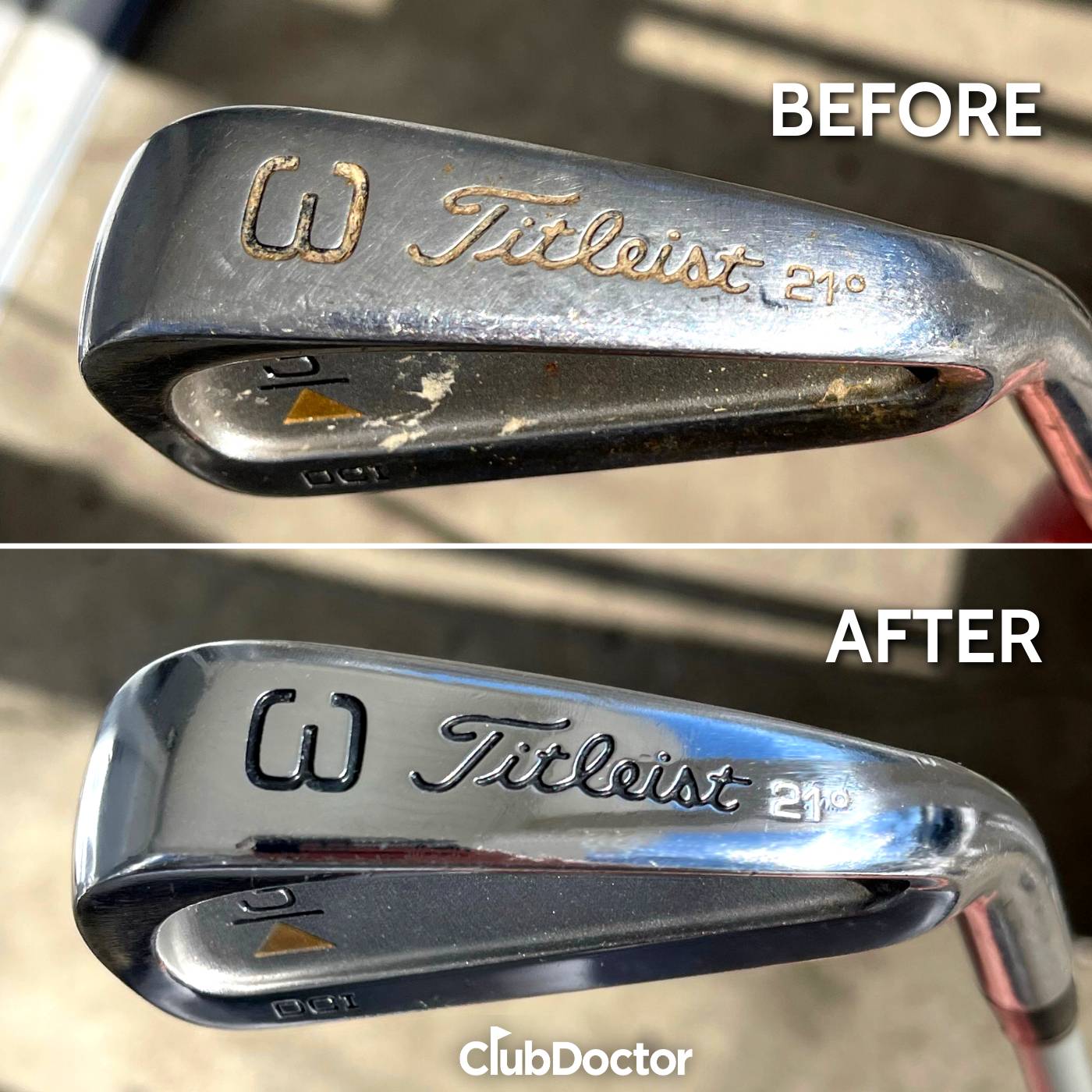
Image Source: clubdoctorgolf.com
The Appeal of Polished Clubs
Golf clubs work hard. They hit balls, dig in dirt, and get wet. Over time, they lose their shine. They collect grime and show scratches. A dull, worn club can make you feel less confident. A bright, polished club feels new. It looks good in your bag. This can boost your mood on the course. A clean club face also ensures better contact with the ball. This means more control over your shots.
Why Shine Matters for Your Game
Some golfers think how a club looks does not matter. But a clean club face is key for good shots. Grooves on the club face grab the ball. They put spin on it. This helps control the ball’s flight. If grooves are dirty or worn, they cannot do their job well. Polishing keeps these grooves clear and sharp. This helps you hit straighter shots. It helps you stop the ball on the green. A smooth, clean surface also lowers friction. This lets the club glide through the air and hit the ball better.
When to Polish Your Golf Clubs
You do not need to polish your clubs every time you play. Think of it as a deeper clean. You should clean your clubs after every round. Polishing is for when they start looking tired.
Look for these signs:
* Dull finish: The clubs no longer have their original shine.
* Small scratches: Light marks on the club face or head.
* Minor rust spots: Small orange or brown specks.
* Sticky grime: Dirt that regular cleaning cannot remove easily.
Polishing is part of how to restore golf clubs to their former glory. It brings back their good looks. It helps them play better.
What You Need for Polishing
Gathering your tools makes the job easier. You will need a few simple things. Most of these you can find around your house.
Here is a list:
| Item | Use |
|---|---|
| Warm water | For initial washing |
| Mild dish soap | To clean off dirt and grime |
| Soft brushes | For scrubbing grooves (old toothbrush works) |
| Microfiber cloths | For drying and buffing |
| Golf club polish | The main product for shine and protection |
| Isopropyl alcohol | For sticky residue or stubborn spots |
| Fine-grit sandpaper (optional) | For deep scratches or rust (use with care) |
| Rust remover (optional) | For larger rust spots |
| Eye protection | To keep your eyes safe |
| Gloves | To protect your hands |
Using the right tools makes a big difference. It helps you get the best shine. It also keeps your clubs safe.
Initial Cleaning Steps: The Foundation of Shine
Before you polish, your clubs must be very clean. This is the first step in golf club cleaning tips. Polishing dirt just locks the dirt in.
Here is how to do a good initial clean:
- Brush off loose dirt: Use a stiff brush to remove grass, mud, and sand. Do this before wetting the clubs.
- Soak club heads: Fill a bucket with warm water and a little dish soap. Put the club heads in. Let them soak for 5-10 minutes. This softens tough dirt. Do not soak clubs with wooden inserts or older, delicate finishes for too long.
- Scrub the grooves: Take each club out of the water. Use a soft brush, like an old toothbrush. Scrub the club face. Pay close attention to the grooves. Make sure they are clear of all dirt.
- Clean the sole and back: Scrub all parts of the club head. Remove any dirt or scuff marks.
- Rinse thoroughly: Rinse each club under clean running water. Make sure no soap is left behind. Soap can leave a film.
- Dry completely: Use a clean microfiber cloth to dry the clubs. Make sure they are totally dry. Any water left can cause rust.
- Inspect: Look closely at each club. Are there any spots you missed? Are there visible scratches or rust?
This thorough cleaning makes your clubs ready for polishing. It sets the stage for a great shine.
Fixing Flaws: Addressing Scratches and Rust
After cleaning, you will see the real condition of your clubs. You might find scratches or rust. Dealing with these before polishing is important. This step helps remove scratches from golf clubs and deals with rust.
Erasing Scratches
Most golf clubs get small scratches from play. These are often just on the surface.
* Light Scratches: For light marks, sometimes a good polish is enough. The polish fills in tiny lines. It makes them less visible.
* Deeper Scratches: For deeper marks, you might need a bit more work.
* Stainless Steel/Chrome Irons: Use a very fine-grit sandpaper (2000-grit or higher). Gently rub the scratch. Always rub in the direction of the club’s grain. Use very light pressure. The goal is to smooth the edges of the scratch. Do not press hard. You do not want to make new scratches. After sanding, use a finer polish. This helps blend the area.
* Titanium/Composite Woods: Be very careful here. These materials can be easily damaged. Avoid sandpaper unless you are very sure. Often, a good polish is enough for woods. If a scratch is deep, it might need pro help.
* Black Finishes: Scratches on black clubs are tough to hide. Polishing can reduce their look. Some black finishes might even come off with harsh scrubbing. Test a small, hidden spot first.
Remember, you might not remove deep scratches completely. But you can make them much less noticeable.
Conquering Rust
Rust often appears as small orange or brown spots. It forms when metal gets wet and then air hits it.
* Light Rust: For small rust spots, a good scrub with warm water and dish soap can work. A stiff brush helps. Sometimes, a fine steel wool pad (like 0000 grade) with a little water can remove light rust. Use gentle circles.
* Stubborn Rust: For tougher rust spots, use a special golf club rust removal product. Follow the product’s directions carefully. These products often have mild acids. They break down the rust.
* Home Remedies: Vinegar or Coca-Cola can also work on rust. Soak the rusted part for a short time. Then scrub with a brush. Always rinse very well afterwards. Dry the club completely.
* After Rust Removal: Always polish the area after removing rust. This protects the metal from future rust. It also brings back the shine.
Be gentle when treating scratches and rust. Too much force can harm your clubs. The goal is to improve them, not damage them.
Selecting the Best Golf Club Polish
Choosing the right polish is key for good results. Different club materials need different polishes.
* For Metal Irons (Stainless Steel, Chrome):
* Metal Polishing Compounds: These are often paste-like. They contain mild abrasives. These help remove fine scratches and make metal shiny. Look for ones made for stainless steel or chrome. Brands like Flitz, Mother’s Mag & Aluminum Polish, or even car chrome polishes work well.
* Liquid Polishes: Some liquid polishes are made for metals. They are easier to apply. They give a good shine.
* For Wood Heads (Titanium, Steel, Composite):
* Car Wax or Detailer Sprays: These work well for woods. They are gentle. They add shine and a protective layer. They will not damage paint or carbon fiber.
* Specialty Golf Club Polishes: Some brands make polishes just for golf clubs. These are safe for various materials.
* For Putter Finishes (Carbon Steel, Nickel, etc.):
* Putter-Specific Waxes/Oils: Many putters have special finishes. Some are not meant to be super shiny. Carbon steel putters need oil or wax to prevent rust. Do not use abrasive polishes on them. Read the maker’s guide for your putter.
Table: Common Polish Types and Their Uses
| Polish Type | Best For | Benefits | Cautions |
|---|---|---|---|
| Metal Polishing Compound | Stainless Steel, Chrome Irons | Removes minor scratches, high shine | Can be abrasive; test in a hidden spot |
| Liquid Metal Polish | Stainless Steel, Chrome Irons | Easy to apply, good shine | Less abrasive than compounds, still test |
| Car Wax / Detailer Spray | Woods, Hybrids, Painted Irons | Protects, adds shine, gentle | Not for heavy scratching/rust removal |
| Specialty Golf Club Polish | All club types (check label) | Designed for golf clubs, often safe | Check for abrasiveness on different metals |
| Putter Wax / Oil | Carbon Steel Putters | Rust prevention, subtle shine | Do not use on stainless/chrome; not for shine |
Always read the polish label. Make sure it is safe for your club’s material. When in doubt, test a small spot first. Choose a hidden area on the club head.
The Art of Polishing: Polishing Golf Club Irons and Buffing Golf Club Heads
Now comes the fun part: polishing. This is where you see your clubs transform. It takes time and patience.
Polishing Golf Club Irons
Irons are usually made of stainless steel or chrome. They can take a bit more pressure.
1. Apply Polish: Put a small amount of your chosen polish on a clean microfiber cloth.
2. Rub in Circles: Rub the polish onto the iron head. Use small, overlapping circles. Work on one section at a time. Put a bit of pressure.
3. Focus on Face and Sole: Pay extra care to the club face. This is where ball contact happens. Also, polish the sole (bottom) of the club. It often gets scuffed.
4. Work the Grooves: Use a brush or an old toothbrush to work polish into the grooves. This helps clean them and get a full shine.
5. Let it Haze (if directed): Some polishes need to dry to a light haze. Read the product’s directions.
6. Buff to a Shine: Use a second, clean, dry microfiber cloth. Buff the club head. Use quick, firm strokes. Turn the cloth often to use clean areas. You will see the shine appear.
7. Check Your Work: Look at the club from different angles. Make sure there are no streaks or missed spots.
This process is part of DIY golf club polishing. It can be very rewarding.
Buffing Golf Club Heads (Woods and Putters)
Woods (drivers, fairway woods, hybrids) and putters need a gentler touch. They often have paint, composite, or softer finishes.
1. Apply Polish/Wax: Use a very small amount of car wax or a gentle golf club polish on a clean, soft microfiber cloth.
2. Gentle Rubbing: Rub the polish onto the club head. Use gentle, even strokes. Do not press hard. You want to spread a thin, even layer.
3. Avoid Painted Areas (if using abrasive polish): If your polish is for metal, be careful around painted parts of woods. Car wax is generally safe for all surfaces on woods.
4. Let it Cure (if using wax): Car waxes often need to dry for a few minutes. Check the product directions.
5. Gentle Buffing: Use a separate clean, dry microfiber cloth. Gently buff the club head to a shine. Use light pressure.
The goal for woods and putters is often a protective layer and a gentle sheen, rather than a mirror polish. This helps shine golf clubs at home without damaging them.
Beyond the Head: Shafts and Grips
While polishing focuses on the club head, do not forget the rest of the club. A full golf club maintenance guide covers all parts.
Shaft Care
- Graphite Shafts: Wipe graphite shafts with a damp cloth. Then dry them. Do not use abrasive cleaners. They can damage the finish. A little car wax can add shine and protection.
- Steel Shafts: Steel shafts can also be wiped clean. If they have light rust, use a very fine steel wool pad (0000 grade) with water. Then dry and apply a light coat of metal polish for protection.
- Check for Dents: Look for dents or bends. These can affect your swing. If you find any, a club repair shop might be needed.
Grip Care
Clean grips give you better control. Dirty grips are slippery.
1. Warm, Soapy Water: Mix warm water with a little dish soap.
2. Scrub with a Brush: Use a stiff brush (like a firm nylon brush or an old toothbrush). Scrub the grips well. This removes dirt and oils.
3. Rinse and Dry: Rinse the grips thoroughly with clean water. Dry them with a towel. Let them air dry completely before playing.
4. Inspect for Wear: Check grips for cracks, shiny spots, or worn areas. If they are too worn, replace them. New grips make a huge difference in feel and control.
Proper grip care is vital for good play. It is as important as a shiny club head.
Best Practices for Long-Term Club Care
Polishing is a good way how to restore golf clubs. But ongoing care keeps them looking good. Here are some golf club maintenance guide tips:
- Clean After Every Round: A quick wipe down after playing prevents dirt buildup. Use a damp towel or a golf brush.
- Dry Clubs Thoroughly: Never put wet clubs in your bag. Always dry them completely before storing. Moisture is the enemy of shine and promotes rust.
- Store Properly: Store clubs in a dry, temperate place. Avoid extreme heat or cold. These can damage grips and shafts.
- Use Headcovers: Use headcovers for your woods and putters. This protects them from dings and scratches in your bag.
- Regular Inspections: Look at your clubs often. Check for loose club heads, worn grips, or rust. Catching problems early saves money and extends club life.
- Deep Clean Periodically: Do a full clean every few months. This includes soaking and scrubbing.
- Re-polish When Needed: If clubs start to look dull again, repeat the polishing steps. This might be once a season or twice a year, depending on how much you play.
By following these tips, your clubs will stay in top shape. They will look great and perform well for many years.
Do’s and Don’ts of Club Polishing
To ensure you get the best results and keep your clubs safe, follow these simple rules.
Do:
* Always clean clubs first. Polishing dirty clubs locks in grime.
* Test polish on a hidden spot. This checks for bad reactions.
* Use microfiber cloths. They are soft and absorbent.
* Work in a well-lit area. You can see all the details.
* Rub in the direction of the grain on metal. This prevents new scratches.
* Be patient. Good polishing takes time.
* Wear gloves. Protect your hands from chemicals.
Don’t:
* Use harsh chemicals. Things like bleach or strong acids can damage finishes.
* Use abrasive pads on woods. Steel wool can scratch painted or composite surfaces.
* Polish grooves too much. Over-polishing can reduce their depth.
* Get polish on grips. It can make them slippery.
* Polish clubs too often. A good polish lasts a while. Over-polishing is not needed.
* Leave clubs wet. Always dry them right away after washing.
* Ignore safety labels. Follow all product instructions.
By following these do’s and don’ts, you will keep your clubs safe. You will also get the best shine.
Common Mistakes to Avoid
Even with good intentions, some common errors can occur during DIY golf club polishing. Knowing these can help you avoid them.
- Using the Wrong Polish for the Material: Using an abrasive metal polish on a soft putter finish can ruin it. Using car wax on deep rust will not help. Always match the polish to the club material.
- Not Cleaning Clubs Enough First: If there is dirt, sand, or grit on the club when you polish, you are basically rubbing that grit into the club. This creates more scratches. A thorough initial clean is a must.
- Rubbing Too Hard on Scratches: Trying to rub out a deep scratch with too much force can make the scratch wider. It can also create a dull spot around it. Gentle, even pressure is always better.
- Ignoring Rust Spots: Polishing over rust does not remove it. It just shines the rust. Rust needs to be treated and removed first. Otherwise, it will keep growing under the polish.
- Getting Polish on Grips: Polish on your grips makes them slick. This leads to lost control and missed shots. Be careful, or cover your grips before starting.
- Leaving Polish Residue: If you do not buff off all the polish, it leaves streaks or a hazy film. This makes your clubs look dirty. Buff until the club is streak-free and shiny.
- Not Drying Clubs Completely: After washing, any water left on the club can cause new rust. Make sure clubs are bone dry before applying polish or storing them.
- Using Steel Wool on Chrome: While very fine steel wool (0000 grade) can be used carefully on stainless steel for light rust, it should be avoided on chrome. Chrome is a very thin layer. It can be easily worn through.
By being aware of these mistakes, you can avoid common pitfalls. This helps ensure a safe and successful polishing job. Your clubs will thank you for it.
Frequently Asked Questions (FAQ)
Here are some common questions people ask about polishing golf clubs.
Q1: Will polishing affect the legal grooves on my club face?
A1: If done correctly, polishing will not affect your legal grooves. Focus on light polishing. Do not use harsh abrasives on the grooves themselves. A good polish just cleans and shines the surface. It does not change the groove depth.
Q2: How often should I polish my golf clubs?
A2: You do not need to polish your clubs often. For most golfers, polishing once or twice a year is enough. It depends on how much you play and how quickly your clubs get dull. Regular cleaning after every round is more important.
Q3: Can I use car polish on my golf clubs?
A3: Yes, you can use car polish. For stainless steel or chrome irons, a metal car polish works well. For woods, car wax or detailer sprays are great. Always check the label. Make sure the product is non-abrasive or safe for your club’s material. Test a small spot first.
Q4: Is polishing golf clubs really necessary for better play?
A4: Polishing makes clubs look better and feel good. A super clean club face can help ball contact and spin. But, it is not a magic fix. Practice and good technique are more important. Polishing helps with confidence and keeping clubs in good shape.
Q5: What’s the difference between cleaning and polishing?
A5: Cleaning removes dirt, mud, and grime from the surface. It is a quick, routine task. Polishing is a deeper process. It aims to restore shine, remove minor scratches, and add a protective layer. It is less frequent than cleaning.
Q6: Can I polish my graphite shafts?
A6: You can clean graphite shafts with a damp cloth. You can also use a gentle car wax or detailer spray for shine. Do not use abrasive polishes or harsh cleaners on graphite shafts. These can damage the finish or the shaft itself.
Q7: Will polishing remove deep gouges or dents?
A7: No. Polishing can only remove light surface scratches and minor scuffs. Deep gouges, dents, or major damage need professional club repair. Polishing will not fill in or fix structural damage.
Q8: What if I do not have a specific golf club polish?
A8: You can use common household items. Mild dish soap for cleaning. White vinegar or Coca-Cola for rust. For polishing irons, car metal polish often works. For woods, car wax or furniture polish can work in a pinch. Always test first.
Q9: How do I prevent rust on my golf clubs?
A9: To prevent rust:
* Always dry your clubs completely after play, especially if they get wet.
* Store them in a dry place.
* Apply a thin layer of metal polish or wax after cleaning. This adds a protective barrier.
* Use headcovers on woods and putters to keep moisture out.
Taking good care of your clubs makes them last longer. It helps them look and perform their best.