
How Fast Can A Gas Golf Cart Go: Top Speed Explained
A typical gas golf cart can go between 12 to 19 miles per hour (MPH) when it comes right from the factory. Many things change this speed. This speed depends on the golf cart’s make, model, age, and how it is used. For example, a newer cart might go faster. An older one might be a bit slower.
Gas golf carts are useful vehicles. People use them for many things. They are great for golf courses. They are also good for neighborhoods and private properties. Many people wonder about their speed. They ask, “How fast can a gas golf cart go?” This question is simple. But the answer has many parts. We will look at what makes a gas golf cart fast. We will also see how to make it faster. And we will learn about safe speeds.
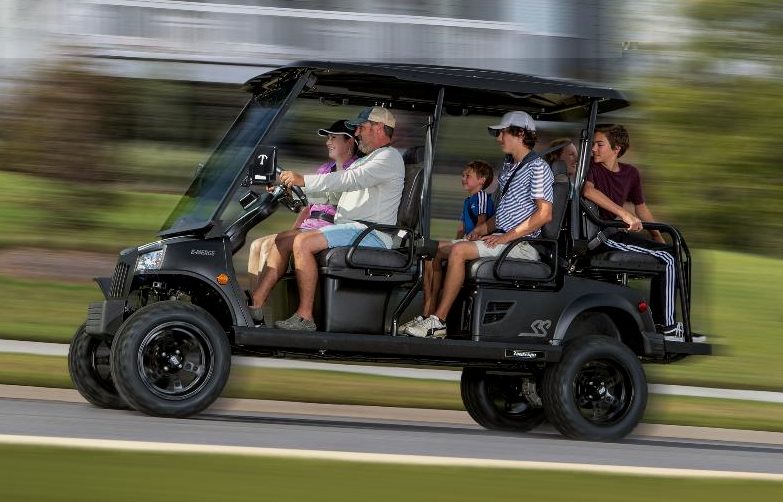
Image Source: jsgolfcarts.com
The Core of Gas Golf Cart Speed
The top speed of a gas golf cart is its fastest point. This is the maximum speed gasoline golf cart can reach. It happens on flat ground. No wind should push against it. The cart should not carry too much weight. This “top speed” is different from its average speed. The average gas golf cart speed is often lower. This is because most rides have stops. They might go up hills. Or they might carry more people.
Most golf carts are not built for speed. They are built for simple, slow trips. They need to be safe. They need to be easy to use. This means their parts are set up for these things. The engine, the gears, and other parts work together. They make sure the cart can carry people. They make sure it can go over grass. But they do not focus on going very fast.
Gas golf carts use small engines. These engines are like the ones in lawnmowers. They burn gasoline to make power. This power turns the wheels. The speed comes from how much power the engine makes. It also depends on how that power goes to the wheels. This is done through a system of belts and gears.
What Affects How Fast Your Golf Cart Goes?
Many things change how fast a gas golf cart can go. These are called factors influencing gas golf cart speed. Knowing these helps you guess a cart’s speed. It also helps if you want to make it faster.
Engine Horsepower
The engine is the heart of a gas golf cart. Its power is measured in horsepower (HP). A higher gas golf cart engine horsepower usually means more speed. Most stock gas golf carts have small engines. They often have 8 to 15 horsepower. This is enough for their normal jobs.
A stronger engine can push the cart harder. It can reach a higher speed. It can also keep that speed better on hills. But just having more horsepower is not always enough. Other parts must also handle the extra power.
Weight
Weight is a big factor. A golf cart’s weight slows it down. This includes the cart itself. It also includes the driver, passengers, and any cargo. A heavier cart needs more power to move. It will take longer to get fast. It will also have a lower top speed.
For example, a cart with one driver will be faster. The same cart with four adults will be much slower. This is why golf carts slow down when going uphill with many people.
Terrain
The ground you drive on changes speed. Flat, smooth ground is best for speed. Hills make a cart slow down. Going uphill needs more power. Going downhill can make a cart speed up. But this is not safe. It can be hard to control. Rough ground or soft ground also slows a cart. Think about driving on thick grass or sand. These surfaces create more drag.
Tire Size and Type
The tires on your golf cart matter a lot.
– Tire Size: Bigger tires make your cart go faster. This is because a larger tire covers more ground with each turn. Think of it like a bicycle. A bike with bigger wheels goes farther with one pedal push. But bigger tires also need more power to start moving. They can make the cart feel weaker when starting. They can also mess with the cart’s balance.
– Tire Type: Street tires are smooth. They roll easily on paved roads. Off-road tires have big treads. They grip dirt and grass well. But they also create more friction on smooth roads. This friction can slow the cart down a bit.
Maintenance
A well-kept golf cart runs better. It also runs faster. Poor maintenance can slow it down a lot.
– Engine Health: The engine needs clean oil. It needs a good air filter. Spark plugs must be clean. If these parts are dirty or old, the engine works harder. It makes less power. This means less speed.
– Tire Pressure: Tires need to be properly inflated. If they are too low, they flatten out. This creates more drag. The cart needs more power to move. This slows it down.
– Brakes: Brakes that drag can also slow the cart. If the brakes are not releasing fully, they cause friction.
– Belts: The drive belt transfers power from the engine. If it is worn or slipping, it loses power. This means less speed.
Governor Settings
Most gas golf carts have a speed governor. This is a safety device. It limits the engine’s top speed. It keeps the cart from going too fast. It helps keep the cart safe. It also helps prevent damage to the engine. The governor is usually set by the factory. It can be a simple spring or a more complex electronic system. This is a main reason why stock carts do not go very fast.
Golf Cart Gear Ratio Speed
The gear ratio is important. It is how many times the engine turns for one turn of the wheels.
– Low Gear Ratio: This means the engine turns many times for each wheel turn. This gives the cart more power. It is good for climbing hills. It is good for pulling things. But it means a lower top speed.
– High Gear Ratio: This means the engine turns fewer times for each wheel turn. This gives the cart more speed. It is good for flat ground. But it makes the cart feel weaker when starting. It might struggle on hills.
Most golf carts have a gear ratio meant for power, not speed. This helps them move slowly and steadily. It helps them carry a load.
Aerodynamics
This is a small factor for golf carts. Aerodynamics is how air moves around an object. A golf cart is not very sleek. It pushes a lot of air. At low speeds, this does not matter much. But at higher speeds, air resistance becomes a bigger problem. It works against the cart. It slows it down. This is why race cars are very smooth and low.
How to Make Your Gas Golf Cart Go Faster
Many people want more speed from their golf cart. There are several ways to make a gas golf cart go faster. Some ways are simple. Others are more complex. Always think about safety first.
Governor Adjustment
This is the most common way to get more speed. Almost all gas golf carts have a governor. It limits engine RPM (revolutions per minute).
– How it Works: The governor cuts off fuel or spark when the engine reaches a certain speed. This stops it from going faster.
– Adjustment: You can loosen or adjust the governor. This lets the engine turn faster. It lets the cart go faster.
– Steps:
1. Find the Governor: It is usually near the engine. It looks like a small arm or lever. It connects to a spring.
2. Loosen the Nut: There is often a nut that holds the governor arm. Loosen this nut a little bit.
3. Adjust the Arm: Move the arm to allow more cable pull. Or tighten the spring. Each cart model is a bit different. You might need to look up a guide for your specific cart.
4. Test Slowly: Make small changes. Test the cart. Do not loosen it too much at once.
– Warning: Too much adjustment can harm the engine. It can make parts wear out faster. The cart also becomes harder to control.
Tire Changes
As noted before, bigger tires can boost speed.
– Larger Diameter Tires: Putting on tires with a bigger overall height changes the effective gear ratio. For example, moving from 18-inch tires to 22-inch tires can add a few MPH.
– Lift Kit: To fit bigger tires, you often need a lift kit. This raises the cart body.
– Considerations:
– Bigger tires add weight. This can slow down starting.
– They can put more strain on the engine and suspension.
– The cart might become less stable, especially when turning.
Engine Performance Upgrades
For more serious speed gains, you can upgrade engine parts. These are gas golf cart performance upgrades.
– Air Intake and Exhaust:
– High-Flow Air Filter: Allows more air into the engine. More air means more power.
– Performance Exhaust System: A better exhaust lets gases leave the engine faster. This helps the engine “breathe” better. It adds power.
– Carburetor Tuning:
– The carburetor mixes air and fuel. You can adjust it. It can give the engine more fuel. This helps it make more power. Sometimes, replacing the carburetor with a bigger one also helps.
– Engine Rebuild/Swap:
– For the most power, some people rebuild the engine. They add better parts. Or they swap the engine completely. They put in a larger, more powerful engine. This is a big job. It costs a lot. It also changes the cart a lot.
– Clutch System Upgrades:
– The clutch transfers power to the wheels. Upgrading the clutch helps it handle more power. It also helps the cart get moving faster. A heavier duty spring or a whole new clutch might be needed. This is often needed if you add a lot more power.
– Performance Cams:
– A camshaft controls the engine valves. A performance cam changes how the valves open and close. This can let more air and fuel into the engine. This boosts horsepower. But it is a complex part to change.
Gear Ratio Changes
Changing the gears inside the rear axle is another way to gain speed.
– High-Speed Gears: You can replace the stock gears with “high-speed gears.” These gears change the golf cart gear ratio speed. They make the wheels turn more times for each engine turn. This means higher top speed.
– Trade-off: You get more speed. But the cart will have less power. It will be slower to get going. It will struggle more on hills. This is a direct trade-off between speed and power.
Weight Reduction
Making the cart lighter is simple. Less weight means the engine has less to push.
– Remove Unneeded Parts: Take out back seats if not needed. Remove heavy accessories.
– Lighter Materials: This is more extreme. It involves replacing heavy parts with lighter ones. This is usually for race carts.
Table: Typical Speeds for Gas Golf Carts
Here is a look at what speeds you can expect. This shows average gas golf cart speed. It also shows the maximum speed gasoline golf cart might reach.
| Category | Typical Speed Range (MPH) | Notes |
|---|---|---|
| Stock Cart | 12 – 19 | From the factory, with governor on. |
| Governor Adjusted | 18 – 25 | Governor loosened or bypassed. |
| Modified (Tires/Mild Engine) | 25 – 35 | Bigger tires, air intake, exhaust, basic tuning. |
| Heavily Modified | 35 – 45+ | High-speed gears, engine swap, advanced tuning. |
Note: These speeds are estimates. Actual speeds vary. They depend on specific parts, cart condition, and conditions.
Street Legal Gas Golf Carts: Speed Rules
Many people want to drive their golf carts on public roads. But there are rules for this. These rules are about street legal golf cart speed limits.
– Low-Speed Vehicles (LSV): In many places, a golf cart needs to be an LSV to go on roads. An LSV is a special type of vehicle. It must meet certain rules.
– LSV Speed Limits:
– Most LSVs cannot go faster than 20 to 25 MPH. This speed is set by law.
– They are only allowed on roads with speed limits of 35 MPH or less.
– This means even if your cart can go faster, you cannot legally drive it faster than 25 MPH on roads.
– Other LSV Requirements: To be street legal, an LSV needs more than just a speed limit. It often needs:
– Headlights and taillights
– Turn signals
– Stop lights
– A windshield
– Seat belts
– Mirrors
– A horn
– Vehicle Identification Number (VIN)
– Local Rules: Laws change from state to state. They also change from city to city. Always check your local laws. Do this before driving a golf cart on public roads. Breaking these rules can lead to fines. It can also be very unsafe.
Safety First: Going Faster Safely
Making a golf cart go faster can be fun. But safety must always be the top priority. A golf cart is not a car. It is not built for high speeds.
– Braking System: If you increase speed, you must improve braking. Stock brakes might not stop the cart well enough at higher speeds. You might need better brake pads. You might need disc brakes.
– Suspension: Faster speeds put more stress on the suspension. The cart might bounce more. It might be less stable. Upgraded shocks and springs can help. They make the ride safer. They make it more comfortable.
– Steering: At higher speeds, steering can feel loose. It can be hard to control. Check steering parts. Replace worn ones.
– Stability: Golf carts have a high center of gravity. This means they can tip over. This is more likely at higher speeds. Turning sharply at speed is very dangerous. Be careful.
– Lights and Belts: If you drive on roads, you need proper lights. You need seat belts. These are for your safety and the safety of others.
– Professional Help: For major changes, get help from a pro. An expert knows what to do. They can install parts safely. They can tune the cart correctly. Doing it yourself can be risky. It can harm the cart. It can also cause accidents.
Discerning Gas Golf Cart Performance
Learning about gas golf cart performance helps you make smart choices. It is about finding a good balance. You want enough speed. But you also want safety. You want the cart to last.
Think about how you will use the cart.
– For a golf course, stock speed is fine.
– For a large private property, a little more speed might be nice.
– For street legal use, you must follow the laws. The speed limit is set.
Remember, adding speed can mean less power for climbing hills. It can also mean a harsher ride. It can mean more wear on parts. Every change has a trade-off. Choose upgrades wisely. Do them step by step. Test the cart often. Make sure it stays safe and reliable. A fast cart is only good if it is safe to drive.
Frequently Asked Questions (FAQ)
Q: Is it hard to make a golf cart go faster?
A: Making a golf cart a little faster is not too hard. Adjusting the governor is often simple. Many people can do it. Adding bigger tires is also fairly easy. Making it much faster (like over 30 MPH) is harder. It needs more work and more parts. It is best to have help from a pro for big changes.
Q: Will making my golf cart faster hurt the engine?
A: Yes, it can. If you make the engine run too fast (beyond its safe limits), it can wear out faster. It can also break down. Over-adjusting the governor is a common cause of engine damage. It puts more stress on all parts. This includes the engine, transmission, and brakes.
Q: How much does it cost to make a golf cart faster?
A: Costs vary a lot.
– Governor adjustment: Often free, or very low cost if you pay someone.
– Bigger tires and lift kit: $400 – $1000 or more.
– Engine upgrades (air intake, exhaust, tuning): $200 – $800, depending on parts.
– High-speed gears: $300 – $700 plus installation.
– Engine swap or heavy modifications: $1000 – $3000+, or even more.
It depends on how much faster you want it to go. It also depends on who does the work.
Q: Do all gas golf carts have governors?
A: Most gas golf carts from the factory have a governor. This is a safety feature. It limits the top speed. This protects the engine. It also helps prevent accidents. Old golf carts might have a simple governor. Newer ones might have more complex ones.
Q: What is the fastest gas golf cart out of the box?
A: No single golf cart is always the fastest. Most new gas golf carts run in the 12-19 MPH range. Some newer models might push 20 MPH. Brands like Yamaha, EZ-GO, and Club Car all make similar carts. They usually have governors set to keep speeds low. If you want true speed, you often need to modify the cart.
In closing, gas golf carts are designed for a job. They are meant for golf and moving slowly. If you want more speed, you can get it. But always remember the rules of the road. And always put safety first. Enjoy your ride!