
Improve Swing: Why Am I Pulling My Golf Shots Explained!
If you are pulling your golf shots, it means your ball flies straight left of your target for a right-handed golfer, or straight right for a left-handed golfer, without any curve. This happens when your club face is square to your swing path, but your swing path goes too far to the left of the target (for a right-handed golfer). It’s a common issue that can frustrate any golfer, but many easy fixes exist. This guide will help you find out why you are pulling your shots and how to fix it for good.
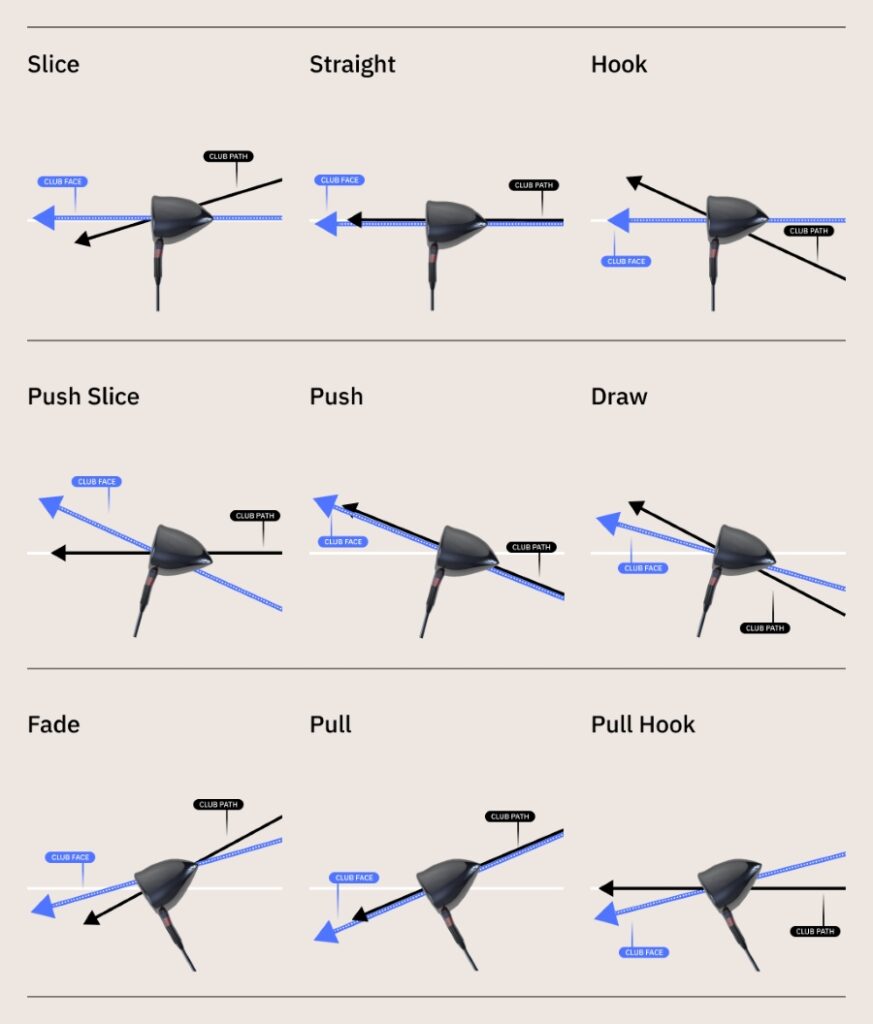
Image Source: hackmotion.com
The Root of Pulled Golf Shots: A Deep Dive
A pull shot is a direct flight left of the target. It does not curve. This happens when your club face aims left of the target at impact, and your swing path also goes left by the same amount. For example, if your club face is 5 degrees left of the target and your swing path is also 5 degrees left, you will hit a pull. The ball flies straight left. This is different from a pull hook, which starts left and curves even more left, or a pull slice, which starts left and curves right. The main cause is often an “over-the-top” swing path combined with a club face that is not open enough to correct it.
Causes of Pulled Golf Shots
Many things can make you pull your golf shots. They often work together. Let’s look at the main reasons.
Clubface Alignment Impact
The way your club face points at impact is very important for ball direction. For a pull shot, your club face often points to the left of your target. It might be square to your path, but if that path is already going left, the ball will go left.
Imagine your club face as a car’s steering wheel. If the wheels point left when you drive, the car goes left. In golf, if the club face points left at impact, the ball starts left. Even if your swing path is good, a closed club face will send the ball left. If your path is also left, it just makes the pull worse.
Golf Swing Path Error
One of the biggest reasons for a pull is a swing path that goes “outside-to-in.” This means your club head comes down from outside the target line and then moves across it to the inside after impact. This path makes the ball start left.
Think of it this way:
* Target Line: The line from your ball to your target.
* Outside-to-In Path: Your club comes from outside this line (away from your body) and swings across it to the inside (towards your body).
This swing path is often called “over the top.” It is a major cause of pulled shots. It often starts in the downswing when your shoulders turn too fast or you throw the club down from the top.
Golf Grip Pulling Shots
Your grip is how you hold the club. It has a big effect on your club face and swing path. A grip that is too “strong” or too “weak” can cause pulls.
- Strong Grip: For a right-handed golfer, this means your left hand is turned too far to the right (clockwise). You see many knuckles. This grip often makes your club face close too much at impact. While it can cause hooks, if combined with an outside-to-in path, it can lead to a pull. Your hands may try to pull the club across the line.
- Weak Grip: For a right-handed golfer, this means your left hand is turned too far to the left (counter-clockwise). You see very few knuckles. A weak grip often leads to an open club face, causing slices. But, to try and square the face, some golfers might swing more “over the top” to get the club back to the ball. This can lead to pulls if they overdo it.
The right grip helps you control the club face. A bad grip makes you use your hands too much, which can pull the club off its proper path.
Golf Posture Pulling Ball
Your setup posture is key. It affects your swing path and how you move your body. Small errors in posture can lead to big problems like pulls.
- Standing Too Close: If you stand too close to the ball, you might not have enough room for your arms to swing freely. This can make you lift your arms up and away from your body in the backswing. Then, in the downswing, you might swing “over the top” to get the club back to the ball.
- Bad Spine Angle: If your spine angle is too upright or too bent over, it can change your swing plane. If you stand too tall, you might lift the club up too much. This can lead to an “over the top” move.
- Weight Distribution: Starting with too much weight on your toes or your heels can throw you off balance. This affects how you shift your weight during the swing, often leading to a pull. Too much weight on the balls of your feet can make you stand up a little during the downswing, leading to an outside-to-in path.
Good posture helps you make a smooth, on-plane swing. Bad posture forces you to make moves that lead to pulls.
Weight Transfer Pulling Golf
How you move your weight during the swing is vital for power and accuracy. If you do not transfer your weight well, you might pull your shots.
- Staying on the Back Foot: Many golfers who pull shots do not shift their weight enough to their front foot in the downswing. They leave too much weight on their back foot. This makes it hard to rotate your hips and chest through the ball. Instead of turning, you might just use your arms. This often leads to an “over the top” move.
- Early Extension: This is when your hips move closer to the ball and you stand up too early in your downswing. This pushes your upper body and arms out, leading to an “over the top” path. It makes you swing across the ball, causing a pull.
Proper weight transfer lets you rotate your body fully and swing the club on the right path.
Shaft Lean at Impact
Shaft lean is about how much the club shaft points forward at impact. It affects your launch angle and spin. It also shows how well you are rotating your body.
- Too Much Forward Shaft Lean (without proper rotation): If you lean the shaft too much forward at impact, it can cause the club face to close a bit. While some forward shaft lean is good for solid contact, too much, combined with an “over-the-top” path, can lead to a pull. It means your hands are too far ahead and pulling the club through.
- Too Little or No Forward Shaft Lean: This often means you are flipping your wrists at the ball. To avoid slicing, you might try to pull the club across your body with your arms, leading to an outside-to-in path and a pull.
Getting the right shaft lean needs good body rotation and release of the club.
Addressing Specific Pull Types
Not all pull shots are exactly the same. Knowing the difference between a pull hook and a pull slice can help you fix your specific problem.
Golf Pull Hook vs Pull Slice
Both pull hooks and pull slices start left of the target (for a right-handed golfer). The difference is how they curve.
-
Pull Hook:
- Starts: Left of the target.
- Curves: More to the left. The ball goes very far left.
- Cause: Your swing path is to the left (outside-to-in), AND your club face is even more closed (aiming even further left) than your swing path. For example, if your path is 5 degrees left, your club face might be 8 degrees left. This makes the ball start left and then spin hard to the left, resulting in a pull hook.
-
Pull Slice:
- Starts: Left of the target.
- Curves: Right (back towards the target or even past it to the right).
- Cause: Your swing path is to the left (outside-to-in), AND your club face is open (aiming right of your swing path) at impact. For example, if your path is 5 degrees left, your club face might be 2 degrees left or even slightly right. The ball starts left because of the path, but the open club face creates sidespin that makes it curve back right. This is less common than a pull hook from an outside-to-in path but can happen if the golfer tries to “save” the shot.
Most true pulls are a form of pull hook where the club face is square to the path. If it hooks more, the face is even more closed. If it slices, the face is open relative to the path.
Fixing Pulled Golf Shots
Now that we know why pulls happen, let’s talk about how to fix them. The key is to change your swing path and improve club face control.
Over the Top Swing Correction
This is often the main problem. To fix an “over the top” swing, you need to shallow your swing path. This means bringing the club down more from the inside.
Here are some tips:
* Feel the “Slot”: At the top of your backswing, feel like your hands drop down, bringing the club into an “inside” position. Imagine dropping the club into a slot.
* Turn Your Back: In your backswing, focus on turning your back to the target. This helps you get fully coiled and sets you up for a better downswing.
* Lead with Your Hips: Start your downswing by shifting your weight and turning your hips. This helps keep your upper body from moving too fast and swinging “over the top.” Your arms should follow your body turn.
* The “Throw the Club” Drill: From the top of your backswing, imagine you are throwing the club head out towards the target, but underhand. This helps create a more inside-out path. Do this without a ball at first.
* Walk-Through Drill: Take a few steps forward in your follow-through. This helps you get your weight to your front foot and encourages your body to keep turning, instead of stopping and letting your arms come “over the top.”
Correcting Grip Issues
A neutral grip is best for most golfers. It helps you control the club face easily.
- For Right-Handed Golfers:
- Left Hand: Place the club in the fingers of your left hand. The thumb should point down the shaft. You should see about two knuckles on your left hand when you look down.
- Right Hand: The palm of your right hand should cover the left thumb. The V-shape made by your right thumb and forefinger should point between your right shoulder and chin.
- Check V-Shapes: Both “V” shapes (from thumb and forefinger) should point towards your right shoulder or slightly right of it.
If your grip is too strong or too weak, change it little by little. Do not try to change it all at once. Practice the new grip often, even without hitting balls.
Enhancing Posture and Setup
A good setup is the base of a good swing. It helps you swing on the right path.
- Distance from Ball: Stand at a comfortable distance. Let your arms hang freely from your shoulders. The club head should just touch the ground behind the ball. If you are reaching, you are too far. If you are hunched, you are too close.
- Spine Angle: Bend from your hips, not your waist. Your back should feel straight, not rounded. Your spine should be angled so your chest points slightly down.
- Knee Flex: Have a slight bend in your knees, but not too much. This helps you stay athletic and balanced.
- Weight Distribution: Feel your weight balanced over the middle of your feet, or slightly towards the balls of your feet. Do not be on your toes or heels.
- Aim Square: Make sure your feet, hips, and shoulders are all aimed at your target line. Use alignment sticks on the ground to check. Many golfers aim left without knowing it, which makes them swing “over the top” to try and hit the target.
Improving Weight Shift
Proper weight transfer is key for power and for keeping your club on the right path.
- Backswing: Shift your weight fully to your back foot. Feel like your body is loading up.
- Downswing: Start your downswing by shifting your weight to your lead foot (front foot). Feel like you are stepping into the shot. Your hips should turn first, pulling your upper body and arms along.
- Lead Side Push: Imagine pushing off your front foot through impact. This helps you rotate fully and finish your swing.
- Drill: Step-Through Drill:
- Set up to the ball as usual.
- As you start your downswing, take a small step forward with your lead foot just before impact.
- This forces your weight to shift forward and helps your body rotate through the ball.
Mastering Clubface Control
Even with a good path, a closed club face can cause pulls. You need to learn to square the club face at impact.
- Release the Club: In your downswing, let your hands and wrists unhinge naturally. Do not try to hold off the release. Your right hand (for a right-handed golfer) should feel like it is throwing the club head at the ball.
- Impact Bag Drill: Hit an impact bag or a sturdy cushion. Focus on hitting it squarely with a feeling of the club face being flat. Your hands should be slightly ahead of the club head.
- Slow Motion Swings: Practice slow swings, focusing only on the club face at impact. See if it is square to your target. Use a mirror or record yourself.
- Baseball Swing Drill: Take a few practice swings like you are hitting a baseball. This helps you feel the natural rotation of your forearms and hands, which helps square the club face.
Refining Swing Path
To stop pulling, you need to change your swing path from outside-to-in to inside-out or square.
- The “Gate” Drill:
- Place two headcovers or alignment sticks on the ground, creating a “gate” for your club path.
- Put one just outside and slightly ahead of the ball, and the other just inside and slightly behind the ball.
- The goal is to swing the club between them, forcing an inside-out path. Start with a wide gate and make it narrower as you improve.
- Targeting Drill:
- Set up normally.
- Imagine a target line extending from the ball to your main target.
- Now, pick a spot about 1-2 feet in front of the ball, slightly to the right of the target line (for a right-handed golfer).
- In your downswing, focus on swinging the club head over that spot. This helps train an inside-out path.
- Feel of the Downswing: Think about keeping your back to the target for a split second longer in the downswing. This helps your hips start the move and allows the club to drop more on the inside.
Common Pull Causes and Solutions Summary
Here is a quick look at the main reasons for pulled shots and how to fix them.
| Problem Area | Cause for Pull Shot | Solution |
|---|---|---|
| Swing Path | Over the top (outside-to-in) | Shallow the swing, lead with hips, turn back, “gate” drill, target right of ball. |
| Clubface Alignment | Closed club face relative to target, or square to left path | Neutral grip, proper release, impact bag drills, slow motion swings. |
| Golf Grip | Too strong or too weak, leading to path/face issues | Adopt a neutral grip; check knuckle count and V-shapes. |
| Golf Posture | Standing too close, bad spine angle, unbalanced | Adjust distance from ball, bend from hips, slight knee flex, balance weight over mid-foot, aim square. |
| Weight Transfer | Staying on back foot, early extension | Shift weight to lead foot, rotate hips, step-through drill, feel lead side push. |
| Shaft Lean | Too much or too little forward lean | Focus on proper body rotation; let the club release naturally; hands slightly ahead at impact. |
Practice Drills for Curing the Pull
Practice is key to making lasting changes. Here are some simple drills to help you stop pulling shots.
- Half-Swing Mirror Drill:
- Stand in front of a mirror with a club.
- Make slow, half-swings (backswing to hip height, follow-through to hip height).
- Focus on keeping the club on a good path and the club face square at impact.
- Watch your shoulder turn and arm movement. Make sure your arms are not moving “over the top.”
- Towel Under Armpit Drill:
- Place a small towel under your lead armpit (left armpit for right-handed golfers).
- Try to keep it there throughout your swing.
- This helps connect your arms to your body and stops you from lifting your arms up and “over the top.” It promotes a more connected, inside-out swing.
- Right Elbow Tucked Drill:
- As you start your downswing, feel like your right elbow (for right-handed golfers) stays tucked close to your body.
- This stops the club from coming out and “over the top.” It helps you drop the club into the “slot.”
- Parallel Sticks Drill:
- Place one alignment stick on the ground pointing at your target. This is your target line.
- Place another stick parallel to the first, under your feet. This is your foot line.
- This helps you check your aim and ensure you are not aiming left, which can cause you to swing “over the top.”
- One-Handed Swings:
- Practice hitting balls with only your lead hand (left hand for right-handed golfers). This helps you feel the proper path and release of the club.
- Then, try with only your trail hand (right hand). This helps you feel the power and how to square the face. Do this slowly at first.
- Pause at Top Drill:
- Take your normal backswing.
- Pause at the top for 2-3 seconds.
- Then, start your downswing by turning your hips first, allowing the club to drop more on the inside.
- This pause helps you break the habit of starting your downswing too fast with your upper body.
Remember to start slowly with any new drill. Focus on the feel and the movement. Do not worry about the result of the shot at first. As you get more comfortable, you can hit the ball with more speed. Be patient. Fixing a golf swing takes time and practice.
Frequently Asked Questions (FAQ)
Q1: What is the main difference between a pull and a hook?
A pull goes straight left of the target without curving. A hook starts at or slightly left of the target and then curves sharply to the left. A pull happens when both club face and swing path are left by the same amount. A hook happens when the club face is much more closed than the path.
Q2: Can standing too close to the ball cause a pull?
Yes. If you stand too close, your arms may not have enough room to swing freely. This can cause you to lift the club up in your backswing and then swing “over the top” in your downswing, leading to a pull.
Q3: How does an “over the top” swing cause a pull?
An “over the top” swing path means your club comes down from outside the target line and swings across it to the inside. If your club face is square to this path, the ball will start and fly straight left.
Q4: Is a strong grip always bad for a pull?
A strong grip can make your club face close too much. While it often leads to hooks, if you also have an “over the top” swing path, the combination can definitely result in a pull. It might make your hands try to pull the club across the line.
Q5: How can I check my swing path without a launch monitor?
You can place two golf balls or alignment sticks on the ground. Put one inside and behind the ball, and one outside and in front of the ball. Try to swing your club between them. If you hit the outside stick, your path is too outside-to-in. If you hit the inside stick, your path is too inside-out (which is often good!). You can also record your swing from behind.
Q6: Should I focus on my swing path or club face first?
Most coaches would suggest focusing on correcting your swing path first, especially if you have an “over the top” move. Once your path is better, it’s easier to control the club face. Often, fixing the path also naturally helps with club face control.
Q7: How much practice does it take to fix a pull?
It varies for everyone. Consistent, focused practice is key. Try short practice sessions (15-30 minutes) several times a week. Focus on drills, not just hitting balls. Be patient and give yourself time. Small improvements over time lead to big changes.