
Imagine trying to navigate the digital world when your device wasn’t built with your needs in mind. For millions of people who are blind or visually impaired, a smartphone is more than just a gadget; it is a vital tool for independence, communication, and safety. Yet, finding a phone that truly works for you can feel like an overwhelming task. Many devices are designed primarily for visual users, leaving those with vision loss to deal with frustrating interfaces, confusing settings, and poor accessibility features.
Choosing the right technology should not be a guessing game. The market is full of options, but not every phone offers the same level of screen reading support, voice command accuracy, or tactile feedback. You deserve a device that empowers your daily life rather than creating new obstacles. Whether you are looking for a phone with powerful built-in accessibility tools or one that pairs perfectly with specialized hardware, knowing what to look for makes all the difference.
In this guide, we will break down the best smartphones available today. We will explore key features that make a phone accessible, explain how to compare different operating systems, and highlight the top choices for various needs and budgets. By the end of this post, you will have the confidence to pick a device that fits your lifestyle perfectly. Let’s dive into the best phones for the blind and find the right match for you.
Top Phones For Blind Recommendations

- CONNECTS THE BLIND. The RealSAM Pocket is technology for the blind and visually impaired. Just tell the Pocket what you want it to do; no more poking small buttons trying to find something that works
- VOICE OPERATED SMARTPHONE: Make calls, add contacts, send and read text messages with the convenience of your voice. Say "call my daughter" and it dials for you. Similar thing for texting. English only
- UNLOCKED 5G: This unlocked 5G smart phone works with all major carriers and most of the others. It does not work with any aggregator that requires you to install an app to set up their service. Easiest way to get a SIM card is to select your carrier and do it online
- STAY ORGANIZED AND INFORMED. You can easily access location services by saying, "Where am I?" or "What's around me?" Stay on top of your appointments with smart reminders. Enjoy information such as local or global time and weather with a simple tap. Use Chrome and Maps to access directions and the world around you. Bluetooth and Wi-fI enabled
- SIGHTED VOLUNTEERS: Get assistance from sighted volunteers with "Be My Eyes" Feature. Through a live video call, volunteers supply blind and low-vision users with visual assistance for tasks such as matching colors, identifying objects, checking if the lights are on, preparing dinner

- 100% Accessible Design: Large tactile buttons, loud speaker, and full voice control make calling, texting, and navigation effortless for blind and low-vision users
- Use a Phone Without Seeing the Screen: Make calls, send texts, and manage contacts using simple voice commands with spoken menus that guide you step-by-step for independent phone use with confidence
- Emergency SOS Button: One press instantly alerts a trusted contact providing critical peace of mind for seniors and caregivers
- Remote Assistance Feature: Allows family members to help you manage settings and apps whenever needed
- Simplified Interface Without Overwhelming Apps: Clean, distraction-free interface designed specifically for visually impaired users to avoid the complexity of smartphones while still accessing essential features

- 【One-Touch Speed Dialing】 The cordless handset features M1–M3 one-touch dialing, while the corded phone features 4 one-touch big buttons. Customize the button photos with family and friends, so seniors with memory loss, poor vision, or cognitive impairments, as well as children who have difficulty remembering numbers, can simply press a photo to call instantly. Braille-marked number keys make dialing easier and add peace of mind
- 【Digital Answering System】 Please make sure the corresponding TAM function is enabled before use! Records up to 10 hours total, with up to 2 minutes for each message. Choose OGM1 or OGM2 to fit your needs, leave thoughtful notes for family with Memo, or record calls so important reminders from loved ones aren’t forgotten. A “DI--” beep sounds every 30 seconds when unread messages are present
- 【DECT 6.0 Technology】Supports multiple cordless handsets for clear calls with real-time signal strength. The corded phone and cordless handset can call each other for convenient two-room use. The flashing light CANNOT be turned off. The backlit display makes nighttime dialing easy. Stores 50 contacts, 30 incoming and 10 outgoing calls, with redial, alarm and multiple language settings. Note: Only 1 cordless handset is included. NOT support internet connections, RJ45, Bluetooth, or VoIP connections
- 【Hands-Free Calling】 The Uvital senior phone features one-touch hands-free calling, making it easier for seniors and those with limited mobility to make and receive calls without holding the handset. It’s especially helpful for bedridden individuals or people with Parkinson’s disease, offering a more comfortable and effortless way to stay connected
- 【Adjustable Loud Volume】 The ringtone volume reaches up to 85dB, while the Speakerphone volume reaches up to 70dB. With 5 independent volume settings, it’s easy to adjust the sound for different hearing needs, helping seniors and those with hearing difficulties stay connected with clearer, more comfortable conversations—even in noisy environments

- UNSURPASSED RANGE: Experience the best in long-range coverage and clarity, provided by a unique antenna design and advances in noise-filtering technology
- ANSWERING SYSTEM: This reliable cordless system includes a digital answering machine that can record up to 22 minutes of incoming messages, outgoing announcements and memos, and a voice-guide for easier set up
- SMART CALL BLOCKER & CALLER ID ANNOUNCE: Say goodbye to unwanted calls. Robocalls on your landline are automatically blocked from ever ringing through - even the first time. You can also permanently blacklist any number you want with one touch on the dedicated key on the handset. The call block directory can store up to 1,000 name and number entries. Plus, the handset announces the name of the caller, so you can decide to answer the call or block it - screening calls has never been easier
- LARGE 2-INCH SCREEN, BIG TEXT, LIGHTED KEY PAD: High-contrast text on the extra-large 2 inch screen makes it easy to read incoming caller ID or call history records. Plus, the enlarged font and extra-large and lighted handset keypad allows for easy dialing in low-light conditions. This feature is helpful for those who are visually impaired
- HANDSET SPEAKERPHONE, AUDIO ASSIST, INTERCOM: This cordless system has built-in full-duplex speakerphone on handset allowing both ends to speak - and be heard - at the same time for conversations that are more true to life. Also designed with useful features like Audio Assist and handset intercom to help make your daily communications enjoyable


- Large Button Phone for Seniors: This corded telephone features oversized keys for easy dialing, amplified ringer, and handset volume to aid those with poor eyesight and hearing.
- Easy Setup and Use: With quick dialing, loud ringer accompanied by a flashing light, and redial function, this phone is user-friendly and perfect for seniors.
- Reliable Communication: Stay connected even during power outages with this reliable landline phone designed for constant communication when you need it the most.
- Classic Design and Durability: The EX-LD-265 boasts a classic design with an ABS body for comfort and durability, making it a sleek addition to any home.
- Adjustable Ring Tone and Volume: Customize your ringing tone and earpiece volume to suit your preferences and ensure you never miss an important call.
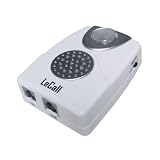
- The TA002 phone ringer amplifier is used to enhance the phone ringer volume for the hearing-impaired and people in noise environments, wake up heavy sleepers, etc.
- Adjustable ringer volume, HI/LO switch, up to 110dB(at 25cm of distance) and white LED flash light.
- Phone line powered, no need extra power adaptor or battery. Easy installation, plug and play.
- Compatible with any regular telephone lines, VoIP landlines(not IP phone), analog PABX/KSU extension lines, fixed wireless terminals. Compatible with regular corded telephone sets, cordless phones.
- Wall mountable design with mount accessories.

- 【About Random】NOTE: each blind box is randomly arranged. This series has 6 regular styles. You can get any of them in each single box in probability of 1/6.
- 【About Material】Made of PVC/Tinplate Material. Smooth and comfortable to touch.
- 【About Size】The Length of each phone chain is about 10 inches.
- 【About Usage】It is not for children!!! A perfect gift for age 15+. Good for decoration of smartphone. A piece-of-art expressing feelings and emotions. Great for sharing with family and friends.

- POP MART CRYBABY Wild but Cutie Series-Phone Charm Blind Box: TO LIGHT UP PASSION AND BRING JOY.
- Cute Accessories: The height of each box is 4.92 inches (12.5 cm).
- Non-toxic Material: harmless, and odorless PVC/ABS/NYLON/HARDWARE material. Lively and precise coloring. Smooth and high-quality surfacing.
- Customer Services: If you receive a damaged item or encounter quality issues, please refer to the contact information on the product detail page, or scan the QR code on the store's homepage under the 'Help' section. We are committed to ensuring a satisfying customer experience.
The Ultimate Guide to Choosing Phones for the Blind
Technology changes lives every day. For people who are blind or have low vision, a smartphone is more than just a gadget. It acts as a tool for navigation, communication, and independence. Choosing the right phone can feel overwhelming, but focusing on the right features makes the process much easier.
1. Key Features to Look For
The most important part of a phone for a blind user is the screen reader. This software reads text on the screen aloud. Apple’s VoiceOver and Google’s TalkBack are the industry leaders. Look for phones that integrate these features deeply into the operating system. You should also look for:
- Voice Commands: Siri and Google Assistant allow you to send texts or make calls without touching the screen.
- Tactile Feedback: Vibrations help you know when a button is pressed.
- High Contrast Settings: These help users with low vision see icons and text more clearly.
- Magnification Tools: These allow users to zoom in on specific parts of the screen.
2. Important Materials and Design
While software is the priority, hardware matters too. Phones with a slim, ergonomic design are easier to hold. A phone with a textured back or a grippy case helps prevent accidental drops. Some users prefer phones with physical buttons for volume or power, as these provide a clear “click” sensation that is easier to find by touch than a flat glass surface.
3. Factors That Improve or Reduce Quality
The quality of your experience depends on how well the phone handles accessibility. A phone with a fast processor will run screen readers without lag. Laggy performance makes it hard to navigate menus. Frequent software updates are also vital. Manufacturers that update their operating systems often ensure that accessibility features stay current and bug-free.
4. User Experience and Use Cases
Think about how you will use the phone. Do you need it for GPS navigation? If so, look for a phone with a strong battery and a precise GPS sensor. Are you using it for reading books? A phone with a high-quality camera can use apps to scan and read printed documents out loud. Many blind users find that sticking to major brands like Apple or Samsung offers the best experience because these companies have the most developers creating accessible apps.
Frequently Asked Questions
Q: Are iPhones or Android phones better for blind users?
A: Both are excellent. iPhones are often praised for their consistent “VoiceOver” experience across all apps. Android phones offer more customization and often come at a lower price point.
Q: Do I need a special phone for the blind?
A: Not usually. Most modern smartphones have built-in accessibility features that make them fully usable for blind people.
Q: Can I use a touchscreen if I am blind?
A: Yes. Screen readers allow you to move your finger across the screen to hear what is underneath it. You can then double-tap to select an item.
Q: How do I type on a touchscreen without sight?
A: Most phones offer a “braille keyboard” on the screen. You can also use voice-to-text to dictate messages.
Q: Are there apps to help with navigation?
A: Yes. Apps like “Lazarillo” or “Google Maps” provide audio cues to help you walk safely to your destination.
Q: Does a phone case affect accessibility?
A: A thin, grippy case is helpful. Avoid bulky cases that might cover up speakers or buttons.
Q: Can a blind user take photos?
A: Yes. Many phones have “scene description” features that tell you how many people are in the frame and where they are standing.
Q: Is battery life important?
A: Very. Since screen readers and GPS apps run constantly, they drain the battery faster than normal use.
Q: Can I get help setting up my phone?
A: Yes. Apple and many Android retailers offer accessibility training to help you set up your new device.
Q: Are these phones expensive?
A: Prices vary. You can find high-quality accessible phones at many different price points, including budget-friendly Android models.