
Can You Jump A Golf Cart With A Car Safely? Learn Here.
Can you jump a golf cart with a car? The short answer is usually no. It is often not safe. It is also not recommended for most golf carts. Why? Most golf carts use a different battery setup than cars. A car has a 12-volt (12V) battery. Many golf carts use higher voltages. They might be 36V, 48V, or even 72V. Trying to jump a golf cart with a car can cause big problems. It can damage your golf cart. It can also hurt your car. It might even be dangerous for you. This guide will tell you why and what to do instead.
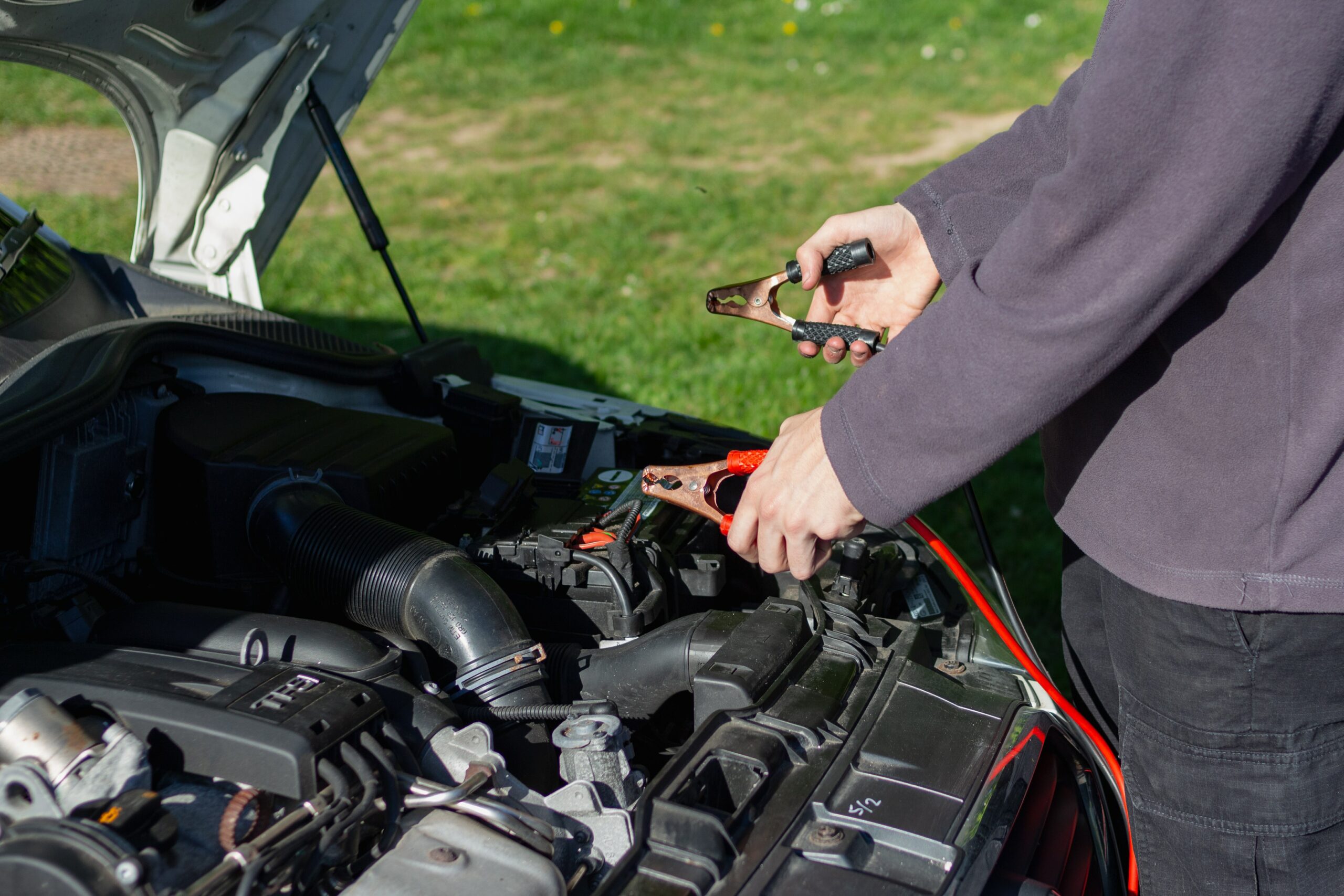
Image Source: jsgolfcarts.com
The Core Question: Jumping a Golf Cart with a Car
Many people wonder if they can jump start their golf cart. They see their car has a strong battery. It seems like a quick fix. But a golf cart is not like a car. Its power system is different. It needs special care.
Why Most Say No: The Voltage Mismatch
A car’s battery is 12 volts. This is standard. It is made to power a car’s engine and lights. A golf cart is different. It uses many batteries. These batteries work together. They make a higher voltage. This is often 36V, 48V, or 72V.
Imagine trying to fit a square peg into a round hole. It just does not work. Sending 12V from a car to a 36V or 48V golf cart is a bad idea. It is like trying to fill a swimming pool with a garden hose when you need a fire hose. The car battery is too weak to charge the golf cart. It will not give it enough power.
What if your golf cart is 12V? This is rare for the main power. Some older or smaller golf carts might use 12V. Even then, it is still risky. We will talk about this later.
Pushing too much voltage into a system is bad. Sending too little is also bad. It can harm the cart’s electric parts. This includes the golf cart electrical system damage risks. Parts like the controller can break. The motor can get hurt. The wires can burn out. Your charger port might also get damaged. These repairs are very costly. Sometimes, the damage is so bad, you need a new cart.
When It Might Be Possible (With Extreme Caution): The 12V Golf Cart Exception
Some very old golf carts use a 12-volt system. Some carts might have a separate 12V battery. This 12V battery might power lights, a radio, or other accessories. If your golf cart is truly a 12V system for its main drive, then jumping it with a car might be possible.
But this is not common. Most electric golf carts are 36V, 48V, or 72V. You must be sure of your golf cart battery voltage. Check its power system first. If you are not 100% sure, do not try it.
Even if you have a 12V golf cart, jump starting golf cart safety rules are key. You must follow them strictly. You must use the right golf cart jump cable requirements. The cables must be thick. They need strong clamps. You should still use a jump box for golf cart use if you can. A jump box is often safer. It is designed for this kind of quick boost.
When jumping a 12V golf cart:
1. Check the voltage: Be absolutely sure it is 12V.
2. Connect safely: Connect the red (positive) cable to the positive (+) terminal. Connect the black (negative) cable to the negative (-) terminal. Or, connect the black cable to a clean metal part on the golf cart frame. This is away from the battery.
3. Start the car: Let it run for a short time.
4. Try the golf cart: See if it starts.
5. Remove cables: Take them off in the reverse order.
But remember, even for 12V golf carts, this is usually a temporary fix. It means your golf cart battery is weak. It needs a proper charge. It might need a new battery.
Safer Solutions for a Dead Golf Cart Battery
If your golf cart battery is dead, there are much better ways to fix it. These ways are safer. They are better for your golf cart. They also save you money in the long run.
Here are the best options for dead golf cart battery solutions:
- Use a Golf Cart Charger: This is the best way to charge your golf cart. Get a charger that matches your golf cart’s voltage. If your cart is 48V, use a 48V charger. If it is 36V, use a 36V charger. These chargers are made for golf cart batteries. They charge them slowly and safely. This helps the batteries last longer.
- A Jump Box Made for Golf Carts: Some jump boxes can give a quick boost to a golf cart. But these are special. They must be able to give the right voltage. Do not use a car jump box on a high-voltage golf cart. A good jump box for golf cart use can be a lifesaver. It is good for moving a cart a short distance. Or it can help a battery take a charge.
- Battery Testing and Replacement: Sometimes, a battery is just too old. It cannot hold a charge anymore. If your battery keeps dying, it is time to test it. You might need new batteries. This is part of good golf cart battery maintenance.
Deciphering Your Golf Cart’s Power System
Before you do anything, you need to know your golf cart’s power system. This means knowing its total voltage. It is simple to find out.
How to Check Golf Cart Battery Voltage
Most electric golf carts use a series of smaller batteries. These are usually 6-volt (6V) or 8-volt (8V) batteries. Some might use 12V batteries. They are wired together. This makes a higher total voltage.
Here is how to check your golf cart battery voltage:
- Find the Batteries: Lift the seat of your golf cart. You will see a group of batteries. They are usually black boxes.
- Look at Each Battery: On top of each battery, you will see a label. It tells you the voltage. It will say “6V,” “8V,” or “12V.”
- Count the Batteries: Count how many batteries are in the pack.
-
Do the Math: Multiply the voltage of one battery by the number of batteries.
- Example 1: If you have six 6V batteries, your total voltage is 6V x 6 = 36V.
- Example 2: If you have six 8V batteries, your total voltage is 8V x 6 = 48V.
- Example 3: If you have four 12V batteries, your total voltage is 12V x 4 = 48V.
- Example 4: If you have nine 8V batteries, your total voltage is 8V x 9 = 72V.
This simple check tells you if your cart is 12V, 36V, 48V, or 72V. Most golf carts are 36V or 48V. It is very important to know this number. It tells you what kind of charger you need. It also tells you why you cannot jump it with a car.
Here is a table showing common golf cart voltages and battery counts:
| Individual Battery Voltage | Number of Batteries | Total Golf Cart Voltage |
|---|---|---|
| 6V | 6 | 36V |
| 8V | 6 | 48V |
| 12V | 4 | 48V |
| 6V | 8 | 48V |
| 8V | 9 | 72V |
| 12V | 3 | 36V |
| 12V | 1 | 12V (Very Rare for Main Drive) |
What Happens When a Golf Cart Won’t Start?
If your golf cart won’t start, a dead battery is one reason. But it is not the only reason. Sometimes, your cart might not start even if the batteries are charged. This is where golf cart won’t start troubleshooting comes in.
Here are some common reasons why a golf cart might not start:
- Low Battery Charge: The most common reason. The batteries simply do not have enough power. Check the charge meter.
- Corroded Battery Terminals: Look at the battery posts. Are they dirty? Do they have white or green crusty stuff? This is corrosion. It stops power from flowing. Clean them well.
- Loose Battery Cables: Check all the cables connected to the batteries. Are they tight? Wiggle them. If they are loose, tighten them.
- Low Water Levels in Batteries: Many golf cart batteries use water (distilled water). If the water level is too low, the battery cannot work. Look into each cell. The water should cover the plates. Fill it up if it is low. This is a key part of golf cart battery maintenance.
- Bad Fuses: Golf carts have fuses. They protect the electric parts. If a fuse blows, it stops power. Find the fuse box. Check for blown fuses. Replace them if needed.
- Solenoid Issues: The solenoid is like a switch. It sends power from the batteries to the motor. If it clicks but nothing happens, it might be bad. Or, if it does not click at all.
- Run/Tow Switch: Many golf carts have a run/tow switch. It is often under the seat. Make sure it is in the “Run” position. If it is in “Tow,” the cart will not move.
- Key Switch: Is your key switch working? Try wiggling it.
- Forward/Reverse Switch: Make sure the forward/reverse switch is fully engaged. It needs to be all the way in ‘F’ or ‘R’.
- Accelerator Pedal Switch: There is a switch under the accelerator pedal. When you press the pedal, it closes. This tells the cart to go. If it is faulty, the cart won’t move.
- Controller Problems: The controller is the “brain” of the cart. It tells the motor what to do. If the controller is bad, the cart won’t start. This is a more complex problem. It often needs a pro.
- Motor Issues: In rare cases, the motor itself can be bad. This also needs a trained person to fix.
For most of these, dead golf cart battery solutions start with the basics. Check power, connections, and basic switches first.
The Right Way to Recharge: Charging Golf Cart with Car Alternatives
Since charging golf cart with car is unsafe, what should you do? There are clear and safe steps to take.
Using a Golf Cart Specific Charger
This is the number one best way to charge your golf cart. A golf cart charger is made for your cart. It knows the right voltage. It knows the right way to charge the batteries.
- Matching Voltage: Always use a charger that matches your golf cart’s voltage. A 48V cart needs a 48V charger. A 36V cart needs a 36V charger. Using the wrong voltage charger can cause major golf cart electrical system damage risks.
- Smart Chargers: Many modern chargers are “smart.” They watch the batteries. They know when to charge. They know when to slow down. They stop when the batteries are full. This keeps your batteries safe. It also helps them last longer.
- Proper Connection: Plug the charger into the golf cart’s charging port. Plug it into a wall outlet. Make sure the charger light shows it is working.
- Charging Time: Charging a golf cart can take many hours. It might take 8-12 hours. Do not rush it. Let the charger do its job.
Using the right charger is key for golf cart battery maintenance. It keeps your batteries healthy. It helps them last for years.
The Role of a Jump Box for Golf Cart Use
A jump box, or portable power pack, can be useful. But it must be the right kind. You need a jump box that can put out the same voltage as your golf cart. A normal car jump box puts out 12V. This is not enough for most golf carts.
- Voltage Match is Critical: If your cart is 48V, you need a 48V jump box. These are special tools. They are not common. They are often larger and more expensive.
- Not for Charging: A jump box is for a quick boost. It is not for fully charging your batteries. It gives them just enough power to move. Or it helps them take a charge from your main charger.
- Safety Features: Look for a jump box with safety features. This includes spark-proof clamps. It also needs reverse polarity protection. This stops damage if you connect it wrong.
- When to Use: Use a golf cart jump box if your cart is dead in a bad spot. It can help you move it to a place where you can charge it properly. Or it might give a very flat battery enough juice to “wake up” and accept a charge.
Remember, a jump box is a temporary fix. It is not a long-term charging solution.
Why Charging Golf Cart with Car is a Bad Idea
We have talked about voltage mismatch. Let’s make it very clear. Trying to jump or charge your golf cart with a car is dangerous. It is not worth the risk.
- Voltage Mismatch: A car puts out 12V. Most golf carts need 36V, 48V, or 72V. You cannot force a lower voltage to power a higher voltage system. You cannot force a higher voltage into a lower one without damage.
- Golf Cart Electrical System Damage Risks:
- Controller: This is the brain. It is very costly to replace. Too much power or the wrong kind of power can fry it.
- Motor: The motor can burn out. This is also very expensive.
- Wiring: Wires can overheat and melt. This can cause fires.
- Onboard Charger: Some carts have a charger built in. It can get damaged.
- Battery Pack: You can damage the golf cart battery itself. You might shorten its life. You might even make it explode.
- Risks to Your Car:
- Car Alternator: The car’s charging system (alternator) is not built to handle the big power drain of a golf cart battery pack. It can get damaged.
- Car Battery: Your car battery can get drained too low. This can harm it.
- Fire Risk: Overheating wires and damaged batteries can cause fires. This is a very real danger.
- Personal Injury: Exploding batteries can spray acid. They can cause burns. Electrical shocks are also a risk.
In short, just don’t do it. There are safer and proper ways to deal with a dead golf cart battery.
Jump Starting Golf Cart Safety: Rules to Live By
If you absolutely must jump a 12V golf cart (which is rare), or if you are using a proper golf cart jump box, safety is number one. Following these rules can save you from injury or harm.
- Wear Safety Gear: Always wear eye protection. Safety glasses or goggles are a must. Wear gloves too. Battery acid can cause serious burns.
- Work in a Well-Aired Space: Batteries can give off gas. This gas can be explosive. Work in an open area. Make sure there is fresh air.
- Check Voltage First! We cannot say this enough. Know your golf cart battery voltage. Make sure your power source (jump box or other 12V source for a 12V cart) matches this voltage.
- Turn Off Everything: Turn off your golf cart. Turn off all lights and accessories.
- Connect in the Right Order:
- Connect the red (positive) golf cart jump cable to the positive (+) terminal of the dead golf cart battery. (If using multiple batteries, connect to the main positive terminal of the entire pack).
- Connect the other end of the red (positive) cable to the positive (+) terminal of the good battery (jump box or car battery).
- Connect the black (negative) golf cart jump cable to the negative (-) terminal of the good battery (jump box or car battery).
- Connect the other end of the black (negative) cable to an unpainted metal part of the golf cart frame. This should be far away from the battery. Do NOT connect it directly to the negative terminal of the golf cart battery. This helps prevent sparks near the battery.
- Start the Source: If using a car, start the car engine. Let it run for a few minutes. This sends power to the cables.
- Try to Start the Golf Cart: After a few minutes, try to start your golf cart. If it does not start right away, wait a bit longer. Do not crank it for a long time.
- Disconnect in Reverse Order: Once the golf cart starts (or if you stop trying):
- Remove the black (negative) cable from the golf cart frame first.
- Remove the black (negative) cable from the good battery/jump box.
- Remove the red (positive) cable from the good battery/jump box.
- Remove the red (positive) cable from the golf cart battery.
- Never Touch Tools: Do not let tools touch both battery terminals at once. This will cause a short circuit. It can cause sparks and injury.
- No Smoking or Open Flames: Keep all sparks, flames, and lit cigarettes far away from batteries.
Following these steps is very important. They protect you. They protect your cart.
Keeping Your Batteries Healthy: Golf Cart Battery Maintenance
Good golf cart battery maintenance is key. It makes your batteries last longer. It saves you money. It also helps avoid a dead golf cart battery in the first place.
Here are important steps for caring for your golf cart batteries:
- Clean Terminals Often: Battery terminals can get dirty. They can also get crusty with corrosion. Use a wire brush and a mix of baking soda and water to clean them. Rinse with clean water. Make sure they are dry before putting cables back. This makes sure power flows well.
- Check Water Levels (for Flooded Lead-Acid Batteries): Most golf cart batteries are “flooded lead-acid.” They need water. Check the water level every month or two. The water should cover the plates inside each cell. Use only distilled water. Do not use tap water. Tap water has minerals that can hurt the battery. Fill cells after charging, not before.
- Proper Charging Habits:
- Charge After Each Use: Even if you only used the cart for a short time, put it on the charger.
- Avoid Deep Discharge: Do not let your batteries get totally flat. This hurts them. Try to charge them before they get below 20% power.
- Avoid Overcharging: A good smart charger will prevent this. But older chargers can overcharge. Overcharging boils the water. It damages the plates.
- Do Not Stop Charging Early: Let the charger finish its cycle. Do not unplug it halfway through.
- Store Batteries Correctly: If you store your cart for a long time (like over winter):
- Charge batteries fully first.
- Keep them charged. A trickle charger or a smart charger can do this. It gives a small charge to keep them full.
- Store them in a cool, dry place. Extreme heat or cold can hurt them.
- Test Battery Health:
- Hydrometer: For flooded batteries, a hydrometer checks the acid in each cell. It tells you the battery’s health.
- Load Tester: A professional can use a load tester. This puts a load on the battery. It shows how much power it can give.
- Volt Meter: A simple volt meter can check the voltage of each battery. If one battery is much lower than the others, it might be going bad.
- Know When to Replace Batteries: Even with good care, batteries do not last forever. Golf cart batteries usually last 4-6 years. If they stop holding a charge, get weak fast, or one battery dies, it might be time for a new set. Replace all batteries at once. Do not just replace one. New batteries and old batteries do not mix well.
Taking care of your golf cart batteries is a smart move. It saves you from being stuck with a dead cart. It also saves you from big repair bills.
Conclusion
So, can you jump a golf cart with a car? The answer is almost always no. It is too risky. It can cause big damage to your golf cart. It can also harm your car. More importantly, it can put you in danger. The voltage differences are too great.
Instead, always use the right tools. Get a golf cart specific charger that matches your cart’s voltage. If you need a quick boost, consider a jump box made for the correct golf cart battery voltage. The best way to avoid a dead golf cart battery is with good golf cart battery maintenance. Keep your batteries clean. Check their water levels. Charge them properly after each use. These simple steps will keep your golf cart running well. They will also keep you safe. Do not take shortcuts when it comes to electric power.
Frequently Asked Questions (FAQ)
Q1: Can a car battery charge a golf cart battery directly?
A1: No, a car battery cannot safely charge a golf cart battery directly. Car batteries are 12V. Most golf carts are 36V, 48V, or 72V. This voltage mismatch can damage your golf cart’s electrical system. It can also hurt your car.
Q2: What if my golf cart is 12V? Can I jump it with a car then?
A2: If your golf cart is truly a 12V system for its main drive (which is rare), you might be able to jump it with extreme caution. But it is still not ideal. It is safer to use a dedicated 12V golf cart charger or a 12V jump box. Always know your golf cart battery voltage first.
Q3: How do I know if my golf cart battery is dead or just needs a charge?
A3: If your golf cart won’t start and makes no sound, the battery is likely dead or very low. If it clicks but does not move, it might be very low. The best way to know is to check the charge meter on your cart. You can also test the battery voltage with a multimeter. A fully charged 6V battery should read around 6.3-6.4V. A fully charged 8V battery should read around 8.4-8.5V.
Q4: How long does a golf cart battery last?
A4: With good golf cart battery maintenance, a set of golf cart batteries can last 4 to 6 years. Some can last longer. Poor care, like not charging them fully or letting them sit empty, can make them die much faster.
Q5: What kind of jump cables do I need for a golf cart?
A5: For a jump box or other approved jump, you need heavy-duty jump cables. Look for thick cables, like 4-gauge or 2-gauge. They need strong, large clamps. These golf cart jump cable requirements are important for safety. They make sure enough power can flow. Do not use thin, cheap cables.