
Do you ever feel stuck eating the same ground beef and steak every single day on the carnivore diet? While red meat is a fantastic staple, many people find themselves craving a change of pace. Adding fish to your routine is the perfect way to break the monotony while keeping your body in a state of peak performance.
Choosing the right seafood can be confusing, though. You might worry about mercury levels, healthy fat content, or even which options are actually carnivore-friendly. It is easy to feel overwhelmed by the variety at the grocery store, and choosing the wrong fish can leave you feeling hungry or unsatisfied. You deserve to know exactly which options will fuel your health goals without any guesswork.
In this guide, we will explore the best fish to include in your carnivore lifestyle. You will learn about the most nutrient-dense picks that provide essential omega-3 fatty acids and high-quality protein. We will also cover how to source the freshest options so you can stay confident in your choices. By the end of this post, you will have a clear list of delicious fish to add to your rotation. Let’s dive into the best seafood options to keep your carnivore journey exciting and nutritious.
Top Fish For Carnivore Diet Recommendations
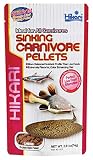
- Perfectly balanced to offer a daily diet most carnivores love
- Higher levels of carotenoids promote brilliant colors
- Free of unwanted parasites and bacteria common with live foods
- Higher digestible protein levels that carnivores need
- Absorbs water rapidly taking on a texture of a live fish

- Perfectly balanced to offer a daily diet most carnivores love
- Higher levels of carotenoids promote brilliant colors
- Free of unwanted parasites and bacteria common with live foods
- Higher digestible protein levels that carnivores need
- Absorbs water rapidly taking on a texture of a live fish


- Our Cichlid Carnivore Pellets deliver a palatable and highly digestible balanced feed. They are a complete pet food for fish. Tailored to meet the high protein needs of smaller carnivorous cichlid species from Africa and Central / South America.
- These soft, sinking pellets incorporate a unique formulation of proteins, including whole fish meal and a tailored blend of molluscs and crustaceans. The natural pigments of our key ingredients also help to support a healthy colouration in your fish.
- Each of our pellet diets are soft for ease of digestion and designed to sink slowly in water. This is to encourage a natural feeding experience for fish.
- Formulated for the carnivorous cichlid species of the African Rift Lakes and Central / South America, including: Haplochromis, Aulonocara, Protomelas, Julidochromis, Nimbochromis, Neolamprologus, Apistogrammas, Microgeophagus, Nanacaras and Laetacaras.

- WHOLE-INGREDIENT NUTRITION: Made with whole herring, sardine and Antarctic krill to deliver a nutrient-dense diet without low-value fillers.
- DESIGNED FOR: All types of carnivorous fish. 10mm pellet size suited to large predatory species and their feeding zone.
- FEEDING FORMAT: Slow-sinking format supports natural feeding behavior and makes portioning easier.
- CRAFTED IN CANADA: Produced with NorthFin's low-heat steam-extrusion process and made without artificial colors or added hormones.
- NUTRITION PROFILE: Minimum crude protein listed by NorthFin is 48%; use as directed and avoid overfeeding.


- High Palatability : Sword Prawn Flavor - A blend of wild sword prawns, fresh squids, vegetables and seaweed. A perfect 7:3 meat/vegetable protein ratio even the pickiest bottom feeding fish can’t resist. Quickly soften with water and does not disintegrate easily. Suitable for bottom feeder that use live bait as their staple food
- Superior Quality Ingredient : Made from carefully selected ingredients. All natural protein from fresh meat, vegetables and seaweed. No additives, no artificial flavors or coloring, no byproducts and other harmful ingredients
- Healthy Growth Formula : Rich in protein and vitamin D. It's not only tasty but also keeps fishes healthy! Jam-packed with a variety of vitamins (A, C, D3, E, B1, B2, B6, B12) great for bottom feeding fish's growth and keeping color vibrant. Added probiotics to increase the feed conversion rate, improve immune system and gut health
- Supplemental Use : Ultra Fresh food do not contain adhesives, the flat food sticks to the glass simply by applying pressure. Can be combined with the original feed to supplement additional nutrition. Adequate and diversified sources of nutrients will make the fish more healthy and strong. *Feed 1-3 times per day, no more than your fish can consume within 3 minutes
- No More Cloudy Water : 3 million CFUs/g probiotics are within the food to help dissolve fish excrements, residuals and keeps water clean. Tablets won’t dissolve or break down easily, so the food will not cloud the water

- AQUARIUM DIET SUPPLEMENT: Freeze-dried bloodworms are a nutritious supplement to boost energy and conditioning in your aquarium fish.
- FOR FRESHWATER & SALTWATER FISH: Perfect for bettas and ideal for small- to medium-sized tropical and marine fish.
- SPECIALLY PROCESSED: Minimizes any undesirable organisms found in live bloodworms.
- CHILD-SAFETY LID: Tetra BloodWorms should be kept out of reach of children.
- USAGE: Feed 2 to 3 times a week in addition to staple diet, only as much as your fish can consume within a few minutes.

The Ultimate Buying Guide: Choosing the Best Fish for Your Carnivore Diet
The carnivore diet focuses on animal products. Fish is a perfect addition to this eating plan. It provides high-quality protein and healthy fats. However, not all fish are the same. This guide helps you pick the best options for your health.
Key Features to Look For
When you shop for fish, look for freshness first. Fresh fish should smell like the ocean, not like ammonia. The eyes should be clear and bulging. The flesh should feel firm when you press it. If you buy frozen fish, check for ice crystals. Too many crystals mean the fish has been thawed and refrozen.
Important Materials and Sourcing
Always check where the fish comes from. Wild-caught fish is generally better than farm-raised fish. Wild fish eat a natural diet. This makes their nutrient profile superior. Look for labels that mention sustainable fishing practices. This protects our oceans while providing you with clean food.
Factors That Improve or Reduce Quality
Factors that improve quality:
- Omega-3 content: Fatty fish like salmon and mackerel offer the most benefits.
- Low mercury levels: Small fish like sardines have less mercury than large predators like swordfish.
- Proper storage: Fish kept at very cold temperatures stays fresh longer.
Factors that reduce quality:
- Added preservatives: Some stores add chemicals to keep fish looking bright. Avoid these.
- Excessive processing: Buy whole fillets rather than breaded or pre-marinated options.
- Long transport times: Local fish is usually fresher than fish flown across the globe.
User Experience and Use Cases
Eating fish on a carnivore diet is simple. You can pan-sear a salmon fillet in butter or bacon grease. Sardines make a quick, no-cook meal for busy days. You can also bake white fish like cod with a bit of sea salt. Most carnivore dieters find that fish provides a nice break from red meat. It is easy to digest and keeps you feeling full for hours.
10 Frequently Asked Questions
Q: Is canned fish okay for the carnivore diet?
A: Yes, as long as it is packed in water or olive oil. Check the label to ensure no sugar or vegetable oils were added.
Q: Which fish has the most fat?
A: Salmon, mackerel, herring, and sardines are the best sources of healthy fats.
Q: How often should I eat fish?
A: You can eat it as often as you like. Many people enjoy fish two to three times per week.
Q: Should I worry about mercury?
A: Stick to smaller fish. Large fish like tuna or shark accumulate more mercury over time.
Q: Is farm-raised salmon bad?
A: It is not “bad,” but wild-caught is usually healthier because it contains more nutrients and fewer antibiotics.
Q: Can I eat shellfish on this diet?
A: Yes! Shrimp, crab, and lobster are excellent additions to a carnivore diet.
Q: What is the best way to cook fish?
A: Pan-searing in butter, ghee, or tallow adds delicious flavor and healthy fats.
Q: Does frozen fish lose its nutrients?
A: No. High-quality frozen fish is often just as nutritious as fresh fish.
Q: Do I need to remove the skin?
A: No. The skin contains healthy fats and is perfectly fine to eat.
Q: Why is white fish less popular than fatty fish?
A: White fish is very lean. If you eat it, make sure to add extra fat like butter to your meal to stay satisfied.