
How Much To Build A Golf Course: Your Complete Cost Guide
Building a golf course is a big project. It costs a lot of money. The average cost to build an 18-hole golf course can range from $5 million to $20 million. Some courses cost even more, like $30 million or $40 million. This wide range depends on many things. These include the land, the design, and how fancy you want the course to be. This guide will show you all the costs involved. We will look at everything from land to equipment. We will help you plan your golf course development budget.
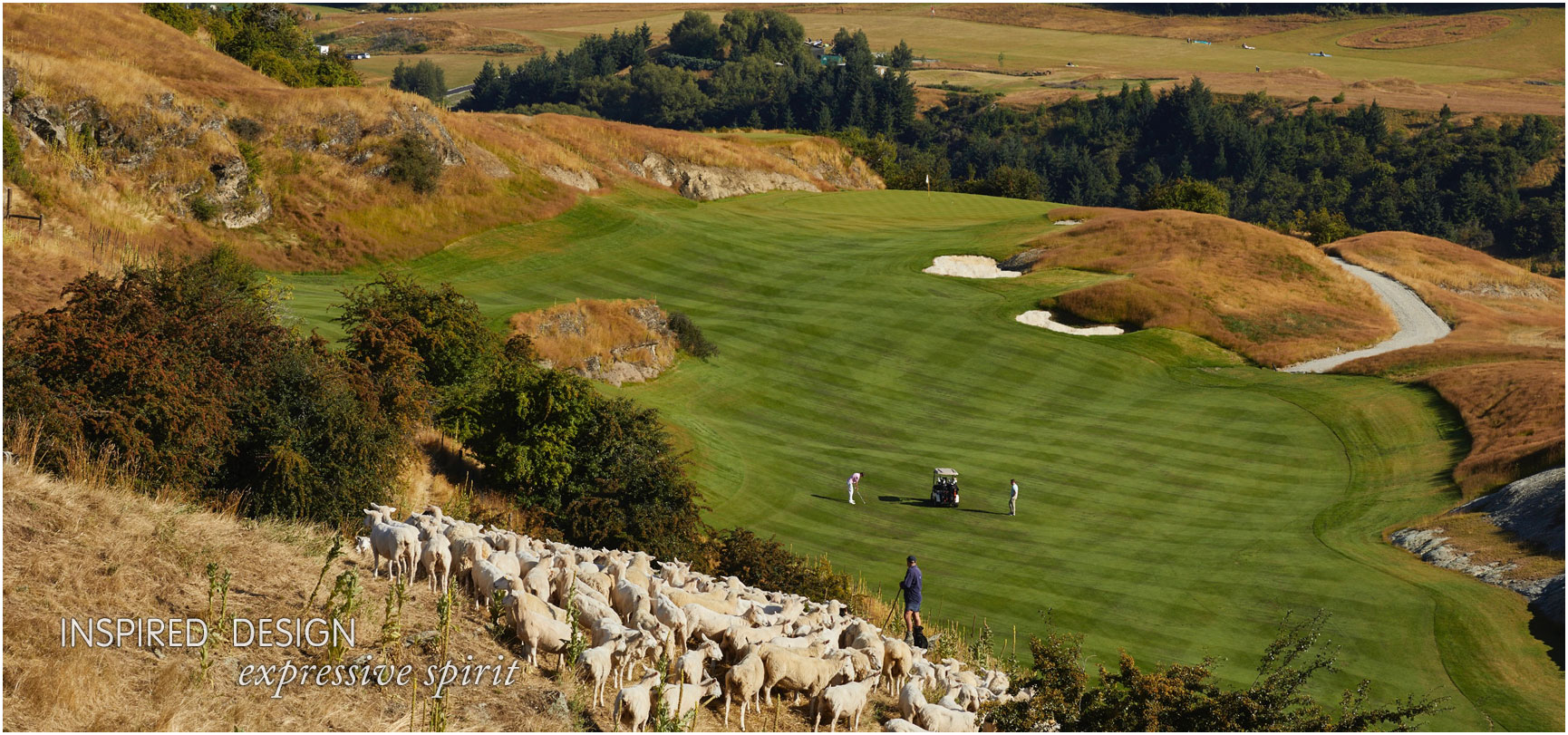
Image Source: www.scottmacphersongolfdesign.com
Grasping Golf Course Building Expenses
Building a golf course is complex. It involves many steps. Each step adds to the total golf course construction cost. You must think about land, design, and building work. You also need to buy equipment. Then there are ongoing costs. We will break down each part. This will give you a clear picture of what to expect.
Land: The First Big Expense
The land you buy is often the biggest cost. This is your golf course land acquisition cost. It changes a lot based on where the land is.
- Location Matters: Land near cities costs more. Remote land is cheaper.
- Size Needs: An 18-hole course needs about 150-200 acres. A 9-hole course needs about 60-100 acres. More land means more cost.
- Raw Land vs. Developed Land: Raw land is untouched. It might be cheaper to buy. But it needs more work. Developed land might have some roads or power. It costs more to buy but less to prepare.
- Land Condition: Flat, open land is easier to work with. Hilly or wooded land needs more clearing and shaping. This adds to the cost.
| Land Type | Acres Needed (18-Hole) | Estimated Cost per Acre | Total Land Cost Range |
|---|---|---|---|
| Rural, Basic | 150-200 | $5,000 – $15,000 | $750,000 – $3,000,000 |
| Suburban, Average | 150-200 | $15,000 – $50,000 | $2,250,000 – $10,000,000 |
| Prime Urban/Coastal | 150-200 | $50,000 – $200,000+ | $7,500,000 – $40,000,000+ |
Remember, these are just for the land. There are other costs to get the land ready.
Design: Crafting the Course
You need good plans for your golf course. This is where golf course design fees come in. You hire experts.
- Golf Course Architect: They draw the course layout. They decide where the holes, greens, and bunkers go. They make sure the course is fun and playable.
- Civil Engineers: They plan roads, drainage, and utilities. They make sure water flows correctly.
- Environmental Consultants: They check the land for environmental issues. They help you get permits.
- Landscape Architects: They choose plants and trees. They make the course look nice.
Design fees can be a percentage of the total construction cost. Or they can be a flat fee. The fee depends on the architect’s fame and the project’s size.
| Design Service | Typical Fee Structure | Estimated Cost Range (18-Hole) |
|---|---|---|
| Golf Course Architect | 3% – 10% of construction cost, or flat fee | $300,000 – $1,500,000+ |
| Civil Engineering | 1% – 3% of construction cost | $100,000 – $500,000 |
| Environmental/Other Consultants | Project-specific | $50,000 – $300,000 |
A good design saves money later. It stops problems during building.
Course Building: The Core Work
This is the main part of golf course construction cost. It involves a lot of digging, shaping, and planting. This is where a big chunk of your golf course development budget goes.
Earth Moving and Shaping
This is the first physical work.
* Clearing: Removing trees, rocks, and brush. This costs money.
* Grading and Shaping: Moving huge amounts of dirt. This makes the hills, valleys, and golf holes. It makes sure water drains well.
* Soil Type: Sandy soil is easy to work with. Clay soil is harder and costs more.
Greens and Tees
These areas need special care.
* Greens: They must be perfect. They use special soil mixes. They need good drainage. This is very important for playability.
* Tees: These are where golfers start each hole. They also need careful shaping and good grass.
Fairways and Roughs
These are the main playing areas.
* Fairways: The shorter grass areas. They are easier to hit from.
* Roughs: The longer grass areas. They make the course harder.
* Grassing: You can seed these areas. Or you can lay sod. Sod is faster but costs more.
Bunkers and Hazards
These add challenge and beauty.
* Bunkers: Sand traps. They need careful shaping and drainage. They use special bunker sand.
* Hazards: Ponds, streams, or rocky areas. They must be safe and look natural.
Bridges and Cart Paths
Golfers need ways to move around.
* Cart Paths: These are usually made of asphalt or concrete. They connect the holes. They need to be smooth and safe.
* Bridges: Needed for crossing water or rough ground. They can be simple or fancy.
Lakes and Water Features
Water features add beauty. They can also store water for irrigation.
* Excavation: Digging out the area for the lake.
* Lining: Sometimes a liner is needed to prevent leaks.
* Pumps: To move water in and out.
| Construction Component | Estimated Cost Range per 18 Holes |
|---|---|
| Earthwork (Clearing, Grading, Shaping) | $2,000,000 – $8,000,000 |
| Greens (18) | $1,500,000 – $3,000,000 |
| Tees (18) | $500,000 – $1,000,000 |
| Fairways & Roughs (Grassing) | $1,000,000 – $2,500,000 |
| Bunkers (average 50-70) | $500,000 – $1,500,000 |
| Cart Paths (5-7 miles) | $500,000 – $1,000,000 |
| Lakes & Water Features | $300,000 – $1,000,000+ |
| Drainage (Sub-surface) | $200,000 – $800,000 |
The total for these core construction elements can be a huge part of the overall cost. It often ranges from $6.5 million to $18 million for an 18-hole course. This can be much higher for a premium or private golf course construction project.
Water Matters: Irrigation Systems
A golf course needs a lot of water. A good golf course irrigation system cost is a key part of your budget. It keeps the grass healthy.
- Importance: Without proper watering, the grass will die. This makes the course unplayable.
- Types of Systems:
- Manual: You turn sprinklers on and off by hand. This is cheaper to install but needs more labor.
- Automatic: Computer controlled. It turns on and off by itself. This costs more to install but saves labor. It also saves water.
- Components:
- Pumps: To move water from the source.
- Pipes: To carry water across the course.
- Sprinklers: To spray water on the grass. These can be simple or advanced. Advanced ones can be controlled for each small area.
- Water Source:
- Well: Digging your own well can save money over time. But the initial cost is high.
- Municipal Water: Using city water. This can be expensive over time.
- Reclaimed Water: Treated wastewater. This is often the cheapest long-term option if available.
| Irrigation System Type | Estimated Cost Range (18-Hole) | Notes |
|---|---|---|
| Basic Manual System | $500,000 – $1,000,000 | Less automated, higher labor needs. |
| Standard Automatic System | $1,500,000 – $3,000,000 | Computer-controlled, good coverage. |
| Advanced Fully Automatic System | $3,000,000 – $5,000,000+ | Precise control, water-saving features, higher tech. |
This cost does not include the water itself. Ongoing water bills are a major operating expense.
Support Buildings and Facilities
A golf course is more than just grass. You need buildings for golfers and staff. These are private golf course construction expenses if you are building a private club.
- Clubhouse: This is the main building.
- Size: Can be small and simple or large and grand.
- Amenities: Pro shop, locker rooms, restaurant, bar, event spaces, offices. The more features, the higher the cost.
- Maintenance Facility: A place to store and fix equipment. It needs space for tools, parts, and vehicles.
- Cart Storage: A garage for golf carts. It might include charging stations.
- Parking: Enough space for cars. Paved lots cost more than gravel.
- Driving Range and Practice Areas: A place for golfers to warm up. This includes hitting bays, targets, and practice greens.
| Facility Type | Estimated Cost Range |
|---|---|
| Basic Clubhouse (1,000-3,000 sq ft) | $500,000 – $1,500,000 |
| Mid-Range Clubhouse (3,000-10,000 sq ft) | $1,500,000 – $5,000,000 |
| Luxury Clubhouse (10,000+ sq ft) | $5,000,000 – $15,000,000+ |
| Maintenance Facility | $300,000 – $1,000,000 |
| Cart Storage Building | $100,000 – $500,000 |
| Driving Range/Practice Area | $200,000 – $1,000,000 |
| Parking Lots/Roads | $100,000 – $500,000 |
These building costs can add millions to your overall golf course development budget.
Furnishing and Equipping the Course
Once the course is built, you need things to run it. This includes big machines and small items. This is where your golf course maintenance equipment price comes in.
Golf Carts
Most courses offer golf carts.
* Fleet Size: You need enough carts for busy days.
* Type: Electric or gas. Electric carts need charging stations.
* Cost: New carts are expensive. Used carts can save money.
Pro Shop Inventory
The pro shop sells golf gear.
* Items: Clubs, balls, clothing, shoes, accessories.
* Initial Stock: You need enough items to start selling.
Restaurant/Bar Equipment
If you have food and drink service.
* Kitchen Equipment: Ovens, refrigerators, fryers.
* Bar Equipment: Fridges, ice makers, glassware.
* Dining Furniture: Tables, chairs.
Office Furniture
For the course management team.
* Desks, chairs, computers, filing cabinets.
Course Maintenance Fleet
This is a very important cost. You need special machines to care for the grass. This is a large part of your golf course maintenance equipment price.
* Mowers: Many types for different areas (greens, fairways, roughs). They are very specialized and costly.
* Aerators: Machines that poke holes in the ground. This helps air and water get to the roots.
* Sprayers: To apply fertilizers and pest control.
* Utility Vehicles: For moving staff and supplies around the course.
* Tractors and Loaders: For bigger jobs.
| Equipment/Furnishing | Estimated Cost Range | Notes |
|---|---|---|
| Golf Cart Fleet (50-100 carts) | $300,000 – $800,000 | New electric carts are higher end. |
| Pro Shop Initial Inventory | $100,000 – $300,000 | Depends on size and range of products. |
| Restaurant/Bar Equipment | $200,000 – $800,000 | From basic snack bar to full-service kitchen. |
| Office & Locker Room Furniture | $50,000 – $200,000 | Basic to high-end. |
| Course Maintenance Equipment Fleet | $800,000 – $2,500,000+ | Specialized mowers, aerators, utility vehicles, etc. |
These items are essential for running the course. They add a significant amount to your private golf course construction expenses.
Soft Costs and Contingencies
These are costs that are not directly about building. But they are very important. They are a big part of your golf course development budget.
- Permits and Licenses: You need many permits from local and state governments. These can be complex and costly.
- Legal Fees: Lawyers help with land deals, contracts, and permits.
- Insurance: You need insurance during building. You also need it when the course opens.
- Marketing and Branding: Telling people about your new course. This includes websites, ads, and promotions.
- Pre-Opening Staff Training: Paying staff before the course opens. They need to learn their jobs.
- Contingency Budget: This is very important. Always set aside extra money. Unexpected problems can happen. Aim for 10% to 20% of your total budget. This covers surprises.
These soft costs can add $500,000 to $2 million or more to your total. For very large projects, they can be much higher.
The Cost for Different Course Sizes
The size of the golf course greatly affects the cost.
Average Cost for 18 Hole Golf Course
As mentioned before, an 18-hole course is a major investment. The average cost 18 hole golf course can be from $5 million to $20 million. Some high-end courses can go much higher. This cost includes everything we have talked about.
- Low-End (Basic, Public): Around $5 million to $10 million. This means cheaper land, simpler design, and basic facilities.
- Mid-Range (Standard, Semi-Private): Around $10 million to $15 million. Better land, good design, quality facilities.
- High-End (Premium, Private): Around $15 million to $40 million or more. Prime land, top architects, luxury clubhouse, advanced irrigation, and high-quality equipment. This is where private golf course construction expenses are highest.
| Cost Category | Estimated Range for 18-Hole Course |
|---|---|
| Land Acquisition | $750,000 – $40,000,000+ |
| Design & Engineering Fees | $450,000 – $2,300,000+ |
| Course Construction (Earthwork, Greens, etc.) | $6,500,000 – $18,000,000+ |
| Irrigation System | $500,000 – $5,000,000+ |
| Buildings & Facilities | $1,200,000 – $18,000,000+ |
| Equipment & Furnishings | $1,450,000 – $4,600,000+ |
| Soft Costs & Contingency | $500,000 – $2,000,000+ |
| **TOTAL ESTIMATED RANGE** | **$11,300,000 – $90,000,000+** |
Note: The high end of the total range shows that some individual categories can exceed their typical ranges, especially for ultra-luxury projects.
Cost to Build a 9 Hole Golf Course
Building a 9-hole golf course costs less than an 18-hole one. It needs less land. It needs less building work. The cost to build a 9 hole golf course can range from $2 million to $10 million.
- Land: You need about half the land. So, land costs are cut.
- Design: Less complex, so design fees might be lower.
- Construction: Fewer holes mean less earth moving, fewer greens, etc. This directly lowers the golf course construction cost.
- Irrigation: Smaller system needed.
- Facilities: Clubhouse and maintenance area can be smaller.
- Equipment: You might need fewer golf carts. You will still need a good set of maintenance equipment. But perhaps fewer of the largest machines.
| Cost Category | Estimated Range for 9-Hole Course |
|---|---|
| Land Acquisition | $300,000 – $20,000,000+ |
| Design & Engineering Fees | $200,000 – $1,000,000+ |
| Course Construction (Earthwork, Greens, etc.) | $3,000,000 – $9,000,000+ |
| Irrigation System | $300,000 – $2,500,000+ |
| Buildings & Facilities | $700,000 – $9,000,000+ |
| Equipment & Furnishings | $700,000 – $2,300,000+ |
| Soft Costs & Contingency | $250,000 – $1,000,000+ |
| **TOTAL ESTIMATED RANGE** | **$5,450,000 – $44,800,000+** |
Note: The total range again shows that individual categories can exceed their typical ranges, especially for ultra-luxury projects, even for a 9-hole course.
Analyzing Profitability
After building, you need to make money. This is golf course profitability analysis. You must look at how money comes in and goes out.
Revenue Streams (Money Coming In)
- Memberships: Fees people pay to join a club. This gives a steady income.
- Green Fees: Money golfers pay to play one round.
- Pro Shop Sales: Selling golf gear, clothing, and snacks.
- Food and Beverage: Money from the restaurant and bar.
- Events: Hosting tournaments, weddings, or company outings.
- Cart Rentals: Money from renting golf carts.
- Driving Range Fees: Money from people hitting balls.
Operating Costs (Money Going Out)
- Staff Wages: Paying groundskeepers, pro shop staff, restaurant workers, managers. This is a very large cost.
- Course Maintenance: Fertilizer, seeds, water, fuel for machines. Repairing equipment.
- Utilities: Electricity, gas, water bills for buildings.
- Property Taxes: Taxes on the land and buildings.
- Insurance: Ongoing business insurance.
- Marketing: Money spent on ads and promotions.
- Loan Payments: If you borrowed money to build the course.
Return on Investment (ROI) Considerations
- Long-Term View: Building a golf course is a long-term investment. It might take many years to make back the building cost.
- Market Demand: Is there a demand for a new golf course in your area? Are there too many already?
- Competition: What are other courses nearby doing? How will you be different?
- Management: Good management is key. It helps to control costs and bring in players.
Making a golf course profitable is hard work. It needs smart business choices. It needs great service.
Reducing Costs: Smart Choices for Builders
You can save money when building a golf course.
- Smaller Land Footprint: Choose land that needs less shaping. Design a course that fits the land naturally. This cuts down on earth moving.
- Less Complex Design: A simpler course design can save money on design fees and construction. Not every course needs huge hills or fancy water features.
- Phased Development: Build the course in steps. Maybe open 9 holes first. Then build the other 9 later. This spreads out the costs.
- Used Equipment: Buy used golf carts or maintenance machines. This can save a lot on the initial golf course maintenance equipment price. But check them carefully for quality.
- Smart Material Choices: Use local materials when possible. Choose more affordable options for cart paths or clubhouse finishes.
- Water Management: Invest in a smart irrigation system. This costs more at first. But it saves huge amounts on water bills over time.
- Partnerships: Work with local businesses. Share marketing costs. This can cut your private golf course construction expenses.
Even with careful planning, building a golf course is a huge financial commitment. It requires deep pockets and a strong business plan.
Conclusion
Building a golf course is an ambitious dream. It carries a significant golf course construction cost. The total expense depends on many factors. These include the land you buy, the design, and the quality of everything built. An average cost 18 hole golf course can be $5 million to $20 million. A 9-hole course costs less, from $2 million to $10 million.
Your golf course development budget needs to cover land, design, and building. It must also include irrigation, buildings, and equipment. Don’t forget soft costs and a contingency fund.
This project is not just about building. It is about creating a lasting business. You must carefully plan your golf course profitability analysis. Understand your market. Think about how to make money. Look for ways to save money too. With good planning, you can build a great golf course.
Frequently Asked Questions
Q: How long does it take to build a golf course?
A: Building a golf course usually takes 18 to 36 months. This depends on the size of the project. It also depends on weather, permits, and how complex the design is. The planning stage can take another 6 to 12 months before building even starts.
Q: Can I build a golf course myself?
A: No, building a golf course is not a DIY project. It needs many skilled professionals. You need golf course architects, civil engineers, and construction experts. Special heavy machinery is also needed. It’s a very big job that requires a team of pros.
Q: What are the main risks when building a golf course?
A: Risks include unexpected ground conditions. Bad weather can cause delays. Getting permits can be slow. Costs can go over budget. Market demand might not be as strong as hoped. Environmental issues can also cause problems. Good planning helps reduce these risks.
Q: Is building a golf course a good investment?
A: Building a golf course can be a good investment. But it is a long-term one. It depends on location, management, and market conditions. Many courses need many years to become profitable. Some are built as part of larger real estate projects. This helps the real estate sell for more money.