
Best Practices: How To Charge An Electric Golf Cart
Charging an electric golf cart is simple. You plug it in. But to make your golf cart battery last a long time, you must charge it the right way. This means knowing your golf cart battery types and how to use the charger correctly. Most electric golf carts use a 36-volt or 48-volt system. The golf cart charging voltage must match your charger. Always use a charger made for your golf cart’s specific voltage. Proper charging helps extend golf cart battery life extension. It also keeps your cart running well.
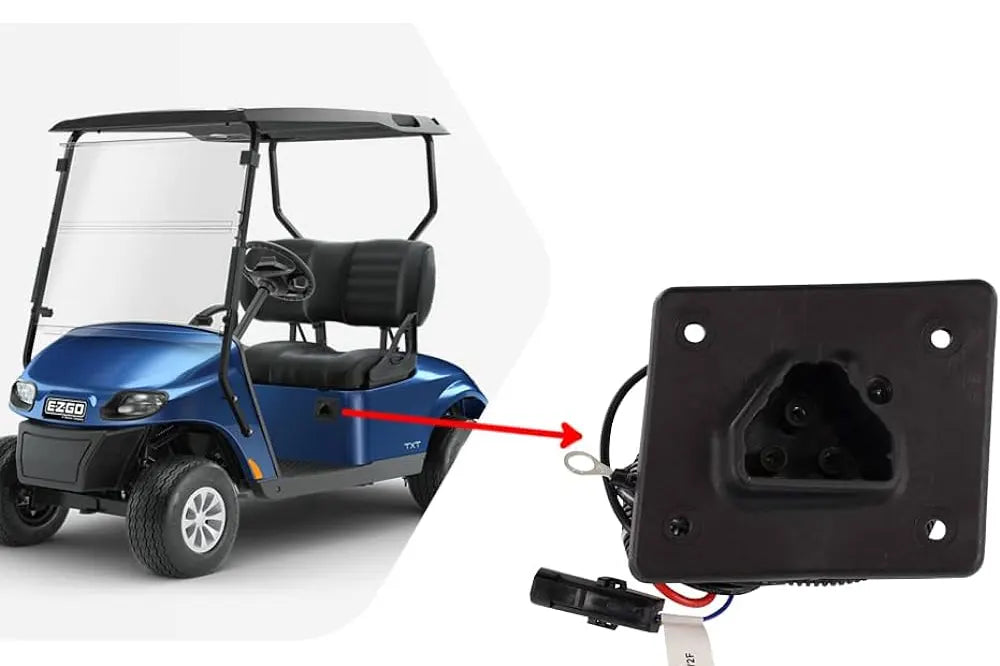
Image Source: www.vatrerpower.com
Mastering Golf Cart Power: A Guide to Proper Charging
Proper charging is key for any electric golf cart. It keeps your cart ready to go. It also saves you money on new batteries. This guide will show you how to charge your golf cart the best way. We will cover all you need to know.
Getting Started with Charging
Before you plug in, do a quick check. This keeps things safe. It also helps the charge go smoothly.
Safety First
Electricity can be dangerous. Always put safety first.
* Work in a dry area. Never charge in rain or wet spots. Water and electricity do not mix.
* Wear safety glasses and gloves. This protects your eyes and hands. Especially when checking batteries.
* Keep tools away from battery terminals. Metal tools can cause sparks. Sparks can be dangerous.
* Do not smoke near batteries. Batteries can give off gas. This gas can catch fire.
* Unplug the charger before touching battery cables. Make sure no power is flowing.
Finding Your Charging Port
Every electric golf cart has a charging port. This is where you plug in the charger.
* Check the front of the cart. Many carts have the port below the dashboard.
* Look on the side of the cart. Some ports are on the driver’s side or passenger’s side.
* Find it easily. The port often has a cover. It might be labeled.
Checking Your Charger
Make sure your golf cart charger is the right one.
* Match the voltage. Your charger must match your golf cart’s voltage. If your cart is 48V, use a 48V charger. Using the wrong voltage can harm the batteries.
* Look for damage. Check the charger’s cord. Check the plug. Look for any cuts or frayed wires. A damaged charger is unsafe. Do not use it.
* Clean the plug. Make sure the plug and the cart’s port are clean. Dirt can stop a good connection.
The Charging Process Explained
Charging your golf cart is easy once you know the steps. Follow these steps for a safe and full charge.
Connecting the Charger
- Park your golf cart. Park it in a safe, dry spot. A garage or shed is good.
- Turn off the cart. Make sure the key is off. Set the forward/reverse switch to neutral.
- Plug the charger into the cart. Push the charging plug firmly into the golf cart’s port. Make sure it goes all the way in.
- Plug the charger into a wall outlet. Use a proper wall outlet. It should be a 120V AC outlet. Some heavy-duty chargers need a 240V outlet. Check your charger’s manual.
Observing Golf Cart Charger Indicator Lights
Your charger has lights. These lights tell you what is happening.
* Power Light: This light comes on when the charger gets power. It means the charger is plugged into the wall.
* Charging Light: This light shows the charger is working. It means power is going into the batteries. It might blink or stay solid.
* Full Charge Light: This light turns on when the batteries are full. The charging process stops or slows down greatly.
* Error Light: If this light comes on, something is wrong. Check the connections. Look for problems with the battery or charger. Refer to your electric golf cart charger troubleshooting guide.
Deciphering Charging Status
The lights tell a story.
* Solid Charging Light: Batteries are taking a charge.
* Blinking Charging Light: Sometimes this means the battery is very low. Or it can show a specific stage of charging.
* Green Light On: The charge is done. Your batteries are full.
* Red Light On: This usually means an error. Unplug everything. Check all connections. Look at your charger’s manual for help.
Typical Golf Cart Battery Charging Time
How long does it take to charge a golf cart? This depends on many things.
* Battery type: Lead-acid batteries take longer than lithium-ion.
* Battery size: Bigger batteries take more time.
* How empty the battery is: A very low battery takes longer.
* Charger type: A faster charger finishes sooner.
Most golf carts with lead-acid batteries take about 8 to 12 hours for a full charge. If the batteries are very empty, it can take up to 16 hours. Lithium-ion batteries charge much faster. They can be full in 2 to 5 hours.
Here is a general guide for lead-acid batteries:
| Battery Charge Level | Typical Charging Time |
|---|---|
| Mostly Empty (20%) | 10-16 hours |
| Half Full (50%) | 6-10 hours |
| Lightly Used (80%) | 3-6 hours |
Always let the charger finish its cycle. Do not stop it early. This helps the batteries get a full charge. It also keeps them healthy.
Disconnecting Safely
Once charging is done, unplug correctly.
1. Unplug the charger from the wall outlet first. This stops power from flowing.
2. Then, unplug the charger from the golf cart. Pull on the plug, not the cord.
3. Store the charger. Put it in a safe, dry place. Keep it ready for next time.
Different Golf Cart Battery Types
Electric golf carts use different types of batteries. Each type needs special care. Knowing your golf cart battery types is important for proper charging and golf cart battery maintenance.
Lead-Acid Batteries
These are the most common type. They are heavy and less expensive.
* Wet Cell (Flooded) Batteries: These batteries need water. They have caps you can open. They need regular checks and watering golf cart batteries. This is very important. They are tough and last long if cared for.
* AGM Batteries: These are sealed. They do not need water checks. They are more expensive than wet cell. They handle cold better.
* Gel Batteries: These are also sealed. They are good for deep cycles. They are sensitive to overcharging. They are more expensive than AGM.
Lithium-Ion Batteries
These are newer in golf carts.
* Lighter: They weigh much less than lead-acid.
* Charge Faster: They get full in less time.
* Last Longer: They can last for more charge cycles.
* Higher Cost: They cost more up front.
* No Maintenance: They do not need watering or special cleaning.
Why Battery Type Matters for Charging
The battery type affects how you charge.
* Lead-acid: Need a specific charger for lead-acid. They charge slower. Overcharging can hurt them. Undercharging can also hurt them.
* Lithium-ion: Need a specific charger for lithium. They charge quickly. Their internal system manages the charge. You cannot overcharge them easily with the right charger.
Always use a charger that matches your battery type. A lithium charger will not work on lead-acid. A lead-acid charger will not work well on lithium. It can damage them.
Elevating Battery Health: Maintenance and Care
Good golf cart battery maintenance keeps your cart running strong. It also helps your batteries last longer. Small steps make a big difference for golf cart battery life extension.
Golf Cart Battery Maintenance
Regular checks are key.
* Keep batteries clean. Wipe down the tops of the batteries. Dirt and acid build-up can cause power leaks. Use a mix of baking soda and water to clean.
* Check cables. Make sure battery cables are tight. Look for any corrosion. Clean corroded terminals with a wire brush.
* Ventilation. Charge in a well-aired space. Batteries release gas during charging.
* Battery hold-downs. Ensure batteries are secure. They should not move around in their trays.
Watering Golf Cart Batteries (for Wet Cell Lead-Acid Only)
This is a critical step for wet cell batteries.
* Check water levels often. Do this every 2 to 4 weeks. Do it more often in hot weather.
* Use distilled water. Never use tap water. Tap water has minerals that hurt batteries.
* Fill after charging. The water level rises during charge. Fill the water just after the charge is done. Fill to about 1/4 to 1/2 inch above the plates. Do not overfill.
* Do not let plates dry out. If the plates are uncovered, they get damaged. This shortens battery life.
Keeping Terminals Clean
Corrosion is bad for power flow.
* Clean corrosion. White or blue-green powder on terminals is corrosion.
* Mix baking soda and water. Make a paste. Put it on the corrosion. It will fizz.
* Brush clean. Use a wire brush. Scrub the terminals until they are clean.
* Rinse with clean water. Dry with a cloth.
* Apply protector. Use a battery terminal protector spray or grease. This stops new corrosion.
Proper Storage Tips
If you store your golf cart for a long time, do these things:
* Charge fully before storing. Always store batteries fully charged.
* Charge every month or two. Even when not in use, batteries lose charge. A “maintainer” or “trickle charger” can help.
* Disconnect batteries. If storing for many months, disconnect the main negative cable. This stops small power drains.
* Keep batteries warm. Batteries lose power faster in the cold. Try to keep them in a place above freezing.
Golf Cart Battery Care Tips
These simple habits help your batteries last.
* Charge after every use. Even if you only drive a short distance, charge it. This keeps the battery “topped off.” It avoids deep discharges.
* Avoid deep discharges. Do not run the battery until it is totally dead. This hurts the battery cells.
* Let batteries cool. If you just drove the cart hard, let the batteries cool for 15-30 minutes before charging.
* Use the right charger. As stated before, match the charger to your battery type and voltage.
* Equalize lead-acid batteries (sometimes). Some lead-acid chargers have an “equalization” mode. This helps balance the cells. Do this only a few times a year. Check your manual.
Extending Your Battery’s Life
Good care means a longer life for your batteries. Golf cart battery life extension saves you money. It also means less hassle.
Golf Cart Battery Life Extension
Aim for these goals:
* Charge often. A battery that stays mostly full lasts longer.
* Avoid over-discharging. Do not drain batteries below 20% charge. This is the biggest killer of lead-acid batteries.
* Keep electrolyte levels correct. For wet cells, this is a must.
* Clean terminals. Good connections mean better power.
* Use a smart charger. A good charger stops when batteries are full. It does not overcharge.
Avoid Deep Discharges
Think of your battery like a bank account. Every time you drain it very low, it costs you. For lead-acid batteries, a deep discharge means:
* More stress: The battery works harder to bounce back.
* Shorter life: Each deep drain takes away some life.
* Less power: The battery might not hold a full charge anymore.
Try to plug in your cart when the battery meter shows it is half full or less.
Charge After Each Use
This is one of the best golf cart battery care tips.
* Prevents sulfation: When batteries sit empty, hard crystals (sulfates) form on the plates. This stops the battery from working right. Charging often prevents this.
* Keeps batteries balanced: Frequent charging helps keep all cells in the battery pack equal.
Store Charged
If your golf cart will sit for weeks or months:
* Charge fully. Make sure it is at 100% before you leave it.
* Check charge every 4-6 weeks. Top it off if needed.
* Use a smart maintainer. This small charger keeps the battery full without overcharging. It is great for long storage.
Resolving Charging Issues
Sometimes, things go wrong. Your golf cart might not charge. Or the charger acts strange. This section covers electric golf cart charger troubleshooting.
Electric Golf Cart Charger Troubleshooting
If your cart is not charging:
* No Power to Charger:
* Is the wall outlet working? Plug something else in it.
* Is the circuit breaker tripped? Check your home’s breaker box.
* Is the charger plugged in tightly to the wall and the cart?
* Charger Not Starting:
* Is the golf cart turned off? The key switch must be off.
* Is the forward/reverse switch in neutral?
* Are the battery terminals clean and tight? Bad connections stop charging.
* Is the charging port on the golf cart clean?
* Charger Stays on Too Long:
* Are the batteries very old or bad? Old batteries may never get a full charge.
* Is a battery cell dry (for wet cells)? Check water levels.
* Is there a bad battery in the pack? One bad battery can ruin the whole pack.
* Charger Hums but No Charge:
* The charger might be bad.
* A main fuse in the cart or charger might be blown.
* Charger Stops Too Early:
* One or more batteries might be bad. The charger sees an issue and stops.
* A connection might be loose.
Common Problems and Fixes
| Problem | Possible Cause | Simple Fix |
|---|---|---|
| Charger lights off | No power to charger | Check wall outlet, breaker, charger plug connections. |
| Charger hums, no charge | Bad connection, bad battery, bad charger | Check all plugs. Check battery terminals. Try another cart/charger if possible. |
| Charger stops early | Bad battery cell, loose connection, bad charger | Check water levels (wet cell). Clean terminals. Test batteries. |
| Charger runs too long | Bad battery pack, underfilled wet cell | Check water levels. Consider battery testing/replacement. |
| Cart not starting | Low charge, loose battery cables | Fully charge. Tighten cables. |
| Corrosion on terminals | Acid residue, poor ventilation | Clean with baking soda paste. Apply protector. |
When to Call a Pro
Sometimes, you need help. Call a golf cart mechanic or battery specialist if:
* You have tried basic troubleshooting and the problem stays.
* The charger smells like it is burning.
* You see smoke or sparks from the battery area.
* You are not sure what the problem is.
* You suspect a battery is bad but do not have a tester.
Do not guess with electricity. A professional can find and fix problems safely.
Setting Up for Success
A good golf cart charging station setup makes charging easy and safe. It helps your batteries last longer.
Golf Cart Charging Station Setup
Think about where you charge your cart.
* Location: Pick a spot that is dry and well-aired. A garage or carport is often best.
* Power Access: Make sure you have a proper wall outlet nearby. Avoid using long extension cords unless they are heavy-duty. Thin cords can overheat.
* Clear Area: Keep the charging area clear of clutter. No flammable items nearby.
* Lighting: Good light helps you see what you are doing.
Ideal Location
- Garage/Shed: Protects cart and charger from weather. Provides good ventilation.
- Flat Surface: Park the cart on a level surface. This helps prevent spills if you are working with wet cell batteries.
- Away from Living Spaces: While not often an issue, batteries can vent gasses. Keep them away from bedrooms or tightly sealed living areas.
Power Needs
- Dedicated Circuit: If possible, use an outlet on its own circuit. This means other devices won’t draw power from the same line. This is good for heavy-duty chargers.
- Proper Amperage: Ensure the outlet can handle the charger’s power needs. Most home outlets are 15 amps. Most golf cart chargers work fine on this. Bigger chargers might need 20 amps.
- Ground Fault Circuit Interrupter (GFCI) Outlet: Using a GFCI outlet is safer. It cuts power quickly if there is an electrical fault.
Safety Measures
- Fire Extinguisher: Keep a fire extinguisher nearby. A Class C extinguisher is best for electrical fires.
- First Aid Kit: Have basic first aid supplies on hand for minor cuts or acid splashes.
- Warning Signs: You might consider a small sign saying “Charging Area – No Smoking.”
- Regular Checks: Look over your charging station often. Make sure everything is clean and safe.
Frequently Asked Questions (FAQ)
Q1: Can I charge my golf cart everyday?
A1: Yes, you should charge your golf cart after every use. Even short trips. This is one of the best golf cart battery care tips. It prevents deep discharges and keeps batteries healthy.
Q2: What happens if I overcharge my golf cart batteries?
A2: Modern smart chargers usually stop charging when the batteries are full. Older or faulty chargers can overcharge. Overcharging can boil the water out of wet cell batteries. It can also hurt all battery types over time. This shortens golf cart battery life extension.
Q3: How often do I need to add water to my golf cart batteries?
A3: For wet cell lead-acid batteries, check water levels every 2 to 4 weeks. Add distilled water after charging. This is a key part of watering golf cart batteries.
Q4: How do I know when my golf cart battery is fully charged?
A4: Your golf cart charger indicator lights will tell you. Often, a green light comes on. Or the “charge” light turns off.
Q5: Can I mix battery types in my golf cart?
A5: No, never mix golf cart battery types. If your cart uses lead-acid batteries, all batteries in the pack must be lead-acid. The same for lithium. Mixing types can damage batteries and cause safety issues.
Q6: My charger clicks on and off. What does that mean?
A6: This can be a sign of a problem. It might mean a bad battery in the pack. Or the charger might be trying to “sense” the battery but failing. Check all connections. If it keeps happening, get batteries tested. This is part of electric golf cart charger troubleshooting.
Q7: Is it okay to use an extension cord for charging?
A7: Use the shortest and thickest (heavy-duty) extension cord you can. Thin, long cords can get hot. This can be unsafe and slow down charging. Ideally, plug the charger directly into a wall outlet.
Q8: What is the best golf cart charging voltage?
A8: The best golf cart charging voltage is the one that matches your golf cart’s battery system. Most golf carts are 36-volt or 48-volt. Your charger must match this voltage exactly.
Conclusion
Charging your electric golf cart is not just about plugging it in. It is about smart habits. It is about good golf cart battery maintenance. You learned about different golf cart battery types. You saw how to watch golf cart charger indicator lights. You now know about golf cart battery charging time. You also learned about golf cart charging voltage and how to troubleshoot problems.
By following these best practices, you ensure your cart is always ready for the course or the road. You also help your golf cart battery life extension. This saves you money and keeps your adventures going. Charge smart, ride far!