
Learning golf takes time. How long it takes depends on your goals, how much you practice, and if you take lessons. Most people can play a round of golf with basic skills in about 3 to 6 months. To play well and confidently, it might take 1 to 2 years. Reaching a good level often needs regular lessons and practice for many months.
The Path to Playing Golf: Setting Expectations
Many new golfers ask, “Is golf hard to learn?” The honest answer is yes, and no. The basic swing is simple to grasp. But getting good at golf needs a lot of work. You need to learn many different shots. You also need to control your mind. Golf is not just about hitting the ball. It is about thinking, planning, and staying calm.
The golf learning timeline is not the same for everyone. Some people learn faster. Others take more time. It all depends on how much you put in.
Here are things that change your golf journey:
- Your starting point: Are you new to sports? Or do you have good hand-eye skills?
- Your goals: Do you want to play for fun? Or do you want to play very well?
- How much you practice: More practice often means faster learning.
- Taking lessons: Good teaching helps you learn the right way from the start.
- Playing rounds: Getting on the course helps you learn real game situations.
- Your physical shape: Being fit can help your swing and stamina.
- Your mental game: How you handle bad shots or pressure matters a lot.
Phase 1: Getting Started (0-3 Months)
This is where your beginner golf progression begins. In these first few months, you build your base.
How Many Golf Lessons Needed?
For new players, it is smart to take lessons right away. Start with 3 to 5 lessons. These lessons help you learn the basic grip, stance, and swing. A good teacher will stop you from picking up bad habits. Bad habits are hard to fix later. These first lessons are key. They set you on the right path.
What You Will Do:
- Learn the basics: Your teacher will show you how to hold the club (grip). You will learn where to stand (stance). You will also learn a simple swing motion.
- Practice at the range: Spend time at the driving range. Hit many balls. Focus on making good contact. Do not worry too much about where the ball goes yet.
- Short game intro: Learn to putt. This is hitting the ball into the hole on the green. Learn to chip. This is a small shot near the green. These shots are a big part of your score.
- First time on the course: After a few weeks, try playing a few holes. Maybe play 3 or 6 holes. Do not worry about score. Just learn how the game flows.
Golf Practice Hours to Improve (Initial Phase):
Try to practice 2 to 3 times a week. Each session should be 1 to 2 hours long. This means 2-6 hours a week. Focus on what your teacher tells you. Repetition helps your body remember the moves.
Key Learnings:
- Holding the club right.
- Standing to the ball right.
- Making a basic swing.
- Hitting the ball somewhat straight.
- Putting the ball in the hole.
- Chipping near the green.
By the end of 3 months, you should feel a bit more at ease with a club. You can hit the ball fairly often. You can make a few putts. You might even play a full 9 holes. Your score will be high, but that is fine. You are learning.
Phase 2: Building Skills (3-6 Months)
Now you start to build on your base. This phase focuses on making your swings more consistent. You also work a lot on your short game. This is the time to play golf confidently from time to time.
What You Will Do:
- More lessons: Keep taking lessons. Maybe 1-2 lessons a month. Your teacher can help you fix issues. They can also teach you new shots.
- Refine your full swing: Work on hitting the ball more often and farther. Learn to hit different clubs.
- Short game focus: Spend much time on chipping and putting. These are the parts of the game that save strokes. Many golfers say “drive for show, putt for dough.” This means long drives look good. But putting is what wins.
- Practice on the course: Play 9 or 18 holes regularly. Try to play once a week. This helps you learn how to play on different parts of the course. It also helps you learn rules and golf manners.
Golf Practice Hours to Improve (This Phase):
Keep up your practice. Aim for 3-5 hours a week. Split this time between the driving range, the putting green, and chipping areas. Try to spend half your practice time on the short game.
Beginner Golf Progression: Milestones
This table shows what you might aim for in your first 6 months.
| Milestone Goal | What it Means | Typical Time Frame |
|---|---|---|
| Basic Grip & Stance | Hold the club right, stand to the ball right. | 0-1 Month |
| Consistent Ball Contact | Hit the ball often without missing or topping. | 1-3 Months |
| Putting from 5 feet | Make most putts from 5 feet or less. | 2-4 Months |
| Basic Chipping | Get the ball on the green near the hole from short grass. | 3-5 Months |
| Play 9 Holes | Finish 9 holes, follow rules, have fun. | 2-4 Months |
| Play 18 Holes | Finish a full round, keep score. | 4-6 Months |
| Hit Driver with Purpose | Hit your driver fairly straight most times. | 5-6 Months |
By 6 months, you should be able to play a full round of golf. You might hit some good shots. You will hit some bad ones too. Your score might still be over 110-120 for 18 holes. This is normal. You are making good progress.
Phase 3: Better Play and Scoring (6-12 Months)
This is where you start to feel like a golfer. You move beyond just hitting the ball. You start to think about your game. This phase often sees you hit your breaking 100 golf timeline.
What You Will Do:
- Strategic lessons: Your lessons now might focus on course strategy. This means how to play each hole. Or how to get out of trouble. You might learn to hit specific shots. Maybe you learn to hit a draw or a fade.
- Short game excellence: Continue to refine your chipping, pitching, and putting. These shots are key to lowering your score. Spend 60% of your practice here.
- Full course play: Play 18 holes as often as you can. Try to play once or twice a week. This is vital for your game. You learn how to handle pressure. You also learn how different courses play.
- Golf skill development duration: This is the phase where your skills really grow. You will see more consistent shots. You will start to think like a golfer. You will manage your game better.
Golf Practice Hours to Improve (This Phase):
Maintain 4-6 hours of practice a week. Mix range time with short game. Also, use a practice putting mat at home. Every bit helps.
Average Time to Get Good at Golf (Early Stages):
Many people say it takes about a year to get “good enough” at golf. This means you can play a full round without too much trouble. You can keep the ball mostly in play. You might shoot under 100 on an easier course. This is a good goal for your first year.
Breaking 100 Golf Timeline:
Many golfers aim to break 100. This means shooting 99 or less for 18 holes. For most people, this happens between 6 months and 1.5 years of regular play and practice. It shows you can keep the ball in play. It also shows you have a decent short game.
Key Learnings and Goals:
- Breaking 100: Your main goal for scores.
- Consistent contact: Most shots hit the sweet spot of the club.
- Trouble shots: Getting out of sand traps or deep rough.
- Course strategy: Playing smart, knowing when to be safe.
- Understanding clubs: Knowing how far you hit each club.
By 12 months, you should be able to play a full 18 holes. You will know the rules. You can play at a decent speed. Your best scores will be in the 90s. You will feel good about your game.
Phase 4: Becoming Proficient (12+ Months and Beyond)
This is the long game. This is where you work on lowering your scores even more. You might aim for breaking 90. Or even breaking 80. This phase is about fine-tuning everything. This is about your golf proficiency time frame.
What You Will Do:
- Advanced lessons: Lessons might focus on specific ball flights. Or managing difficult lies. Or the mental side of golf. Some golfers take lessons for years. They always find ways to get better.
- Specialized practice: You might practice specific drills. These help you hit different types of shots. Or improve a weak part of your game.
- Playing with purpose: Each round becomes a chance to improve. You track your shots. You see where you lose strokes. Then you work on those areas.
- Fitness for golf: Many golfers start to do special exercises. These help their strength and flexibility. This can make a big difference in power and avoiding injury.
- Mental game: You learn to stay calm under pressure. You learn to let go of bad shots. This is a huge part of golf.
Golf Practice Hours to Improve (Long Term):
The hours can vary. Some play and practice 6-10 hours a week. Others do more. The key is smart practice. Quality over just quantity. Focus on drills that fix your weaknesses.
Golf Proficiency Time Frame:
To be truly proficient (shooting in the 80s or lower consistently), it takes years for most people.
* Breaking 90: Many golfers reach this level after 2-4 years of serious effort. This shows a solid all-around game.
* Breaking 80: This is very hard. It takes a lot of talent, time, and effort. It might take 5-10 years or more. Many golfers never reach this level.
The Golf Learning Timeline: The Ongoing Journey
Golf is a game you can play and learn your whole life. There is always something new to learn. Your skills will change. Your body will change. The game keeps you on your toes. Even pros take lessons.
Key Elements Accelerating Your Progress
If you want to speed up your golf skill development duration, focus on these points.
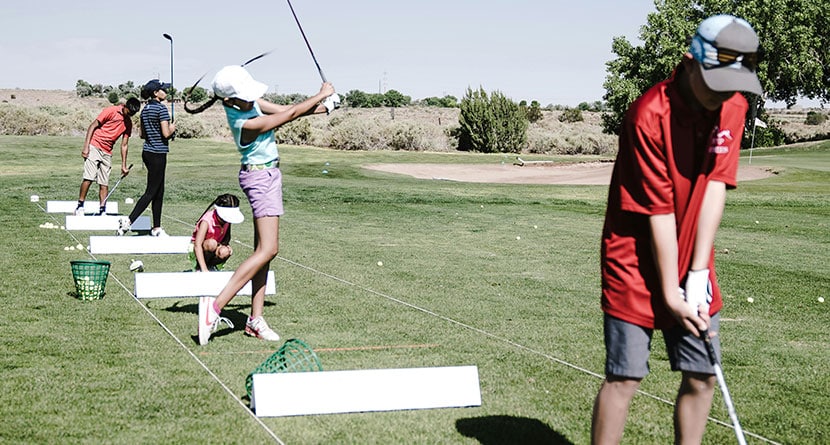
Image Source: clubhouse.swingu.com
Quality Instruction: How Many Golf Lessons Needed Overall
Lessons are not just for beginners. They are for everyone.
* Start strong: Get 3-5 lessons at the start.
* Regular checks: Take a lesson once every 1-2 months for the first year. This helps you stay on track.
* Problem-solving: If you hit a wall, take a lesson. A good teacher can spot issues you cannot see.
* Total lessons: There is no magic number. Some people take 20 lessons in their first year. Others take 5. More good lessons often mean faster progress. Invest in good coaching. It pays off.
Consistent Practice: Golf Practice Hours to Improve
Practice is where you make your swing your own.
* Be regular: Better to practice 3 times a week for 1 hour than 1 time for 3 hours.
* Mix it up: Do not just hit driver at the range. Spend time on putting, chipping, and pitching. These are called the “short game.”
* Practice with purpose: Do not just hit balls. Have a goal for each practice session. Work on a specific move or shot.
* Quality over quantity: A focused 30-minute practice is better than a distracted 2-hour one.
Playing Regularly
The golf course is your real classroom.
* Apply your skills: You learn how to use your shots in real game situations.
* Course management: You learn what clubs to use. You learn where to aim. You learn how to play from bad spots.
* Mental game: You learn to handle pressure. You learn to stay calm after a bad shot.
* Track your progress: Keep score. Note what went well. Note what needs work.
Proper Equipment
Having the right clubs helps.
* Start simple: A half-set (driver, 5, 7, 9 iron, sand wedge, putter) is fine for beginners.
* Get fitted: Once you play more, consider getting clubs made for you. This helps a lot. It makes it easier to hit the ball well.
* Do not buy too soon: Wait until you have a basic swing before spending a lot on clubs.
Physical Fitness
Golf is a sport. Being in shape helps.
* Strength: Core strength is key for a strong swing.
* Flexibility: Being able to turn your body helps your swing speed.
* Stamina: You walk many miles in a round. Being fit helps you play well all 18 holes.
Mental Approach
This is often overlooked.
* Patience: You will hit bad shots. It is part of golf. Do not let it get you down.
* Focus: Stay in the moment. Think about the shot you are about to hit.
* Enjoy the game: Remember why you started. It is a fun game to play.
A Practical Golf Learning Timeline Example
Let us look at a possible golf learning path for someone who wants to play well.
Month 1-3: The Foundation
* Lessons: 4-6 private lessons (1-2 per month). Focus on grip, stance, posture, basic swing.
* Practice: 2-3 times a week, 1-1.5 hours each. 70% range, 30% putting/chipping.
* Course Play: Play 3-hole or 6-hole loops a few times. Maybe a full 9-hole round, focusing on rules and pace.
* Goal: Hit the ball with some contact often. Understand the basic flow of the game.
Month 4-6: Building Consistency
* Lessons: 2-3 private lessons (1 every 2-3 weeks). Focus on full swing mechanics, short game control.
* Practice: 3-4 times a week, 1.5-2 hours each. 50% range, 50% putting/chipping/pitching.
* Course Play: Play 9 holes 1-2 times a week. Start playing a full 18 holes once a month.
* Goal: Consistent ball striking with irons. Get chips and putts close more often. Start to track scores (high 100s for 18 holes). Time to play golf confidently on some shots.
Month 7-12: Strategic Growth
* Lessons: 1 lesson a month. Focus on course management, trouble shots, maybe driver.
* Practice: 3-4 times a week, 1.5-2 hours each. 40% range, 60% short game.
* Course Play: Play 18 holes 1-2 times a week. Work on strategy.
* Goal: Break 100 on a standard course. Improve short game. Know your club distances. Your golf skill development duration is speeding up here.
Year 2: Refining and Lowering Scores
* Lessons: As needed (every 1-2 months). Focus on specific weaknesses.
* Practice: 4-6 hours a week. Mix of range, short game, and on-course practice.
* Course Play: Play 18 holes 2 times a week if possible. Play different courses.
* Goal: Consistently break 100. Start to challenge breaking 90. Your average time to get good at golf to a decent level is around this point.
Year 3+: Continued Mastery
* Lessons: Occasional lessons.
* Practice: Regular, focused practice.
* Course Play: Play often.
* Goal: Consistently break 90. Work towards breaking 80 (a very tough goal). This is your golf proficiency time frame.
This is just an example. Your path may be faster or slower. The key is to be consistent. Enjoy the journey.
Navigating Challenges on Your Golf Path
Learning golf is not always easy. You will hit bad shots. You will have frustrating days. This is normal. Here are some common problems and how to deal with them:
- Getting too frustrated: Golf is a mental game. When you hit a bad shot, let it go. Focus on the next one. Do not let one bad shot ruin your whole round.
- Trying to change too much at once: When you get a lesson, work on one thing at a time. Do not try to fix everything at once. Small changes add up.
- Only practicing full swings: Remember, the short game (chipping, pitching, putting) is where you save strokes. Spend at least half your practice time on these.
- Not playing enough: Practice is good, but playing on the course is vital. It teaches you how to manage a real game.
- Comparing yourself to others: Everyone learns at their own pace. Focus on your own progress. Celebrate your small wins.
- Bad habits forming: This is why lessons are so important. A teacher can spot bad habits early. Fixing them later is much harder.
- Ignoring fitness: Golf needs movement. Being flexible and strong helps. Even simple stretches can help your swing.
Frequently Asked Questions (FAQ)
Q: How long does it take for a beginner to play golf?
A: A beginner can usually play a full 9 or 18 holes (even if badly) within 3 to 6 months of starting. This assumes regular lessons and practice.
Q: How many hours a week should I practice golf?
A: For beginners, aim for 2-4 hours a week. As you get better, 4-6 hours a week is a good goal. Quality practice is more important than just hitting balls without a plan.
Q: Is it realistic to break 100 in 6 months?
A: For some, yes. For many, it takes 6 months to 1.5 years. It depends on your natural talent, how much you practice, and if you take lessons. Breaking 100 needs a decent short game and consistent ball striking.
Q: Can I learn golf without lessons?
A: You can, but it is much harder. You will likely pick up bad habits. These bad habits can be very hard to fix later. Lessons give you the right start and speed up learning.
Q: What is the hardest part of learning golf?
A: For many, it is the mental game. Staying calm after bad shots. Or dealing with pressure. Also, getting a consistent swing that works for all clubs can be tough.
Q: How long does it take to get good at golf if I practice every day?
A: If you practice every day (1-2 hours) and take lessons, you will learn much faster. You could get “good” (shooting in the 90s) in 6-12 months. But this is a very high level of commitment.
Q: What is the fastest way to learn golf?
A: The fastest way is a mix of:
1. Regular, high-quality lessons from a good coach.
2. Consistent, purposeful practice (split between full swing and short game).
3. Playing on the course often.
4. Focusing on the mental side.
Q: How long does it take to get a golf handicap?
A: To get a handicap, you need to play a certain number of rounds and submit your scores. This varies by region, but it is usually 3-5 rounds at first, then more rounds for a more accurate handicap. You can start getting one as soon as you play 18-hole rounds. Most golfers start tracking their handicap after 6-12 months of playing.
Q: Is golf an expensive sport to learn?
A: It can be. Lessons, green fees, range balls, and clubs add up. But you can start affordably. Buy used clubs. Go to public ranges. Take group lessons. As you get more serious, costs will go up.
Conclusion
Learning golf is a rewarding journey. It takes time, patience, and effort. There is no one-size-fits-all golf learning timeline. But with a good plan, regular practice, and smart lessons, you can see great progress. From your first swing to breaking 100, and even breaking 90, each step is exciting. Remember to enjoy the process. Celebrate your small victories. Golf is a game for life. It is worth the time it takes to learn and master.