
Avoid Bad Shots: How To Tell If A Golf Ball Is Waterlogged
Can a golf ball get waterlogged? Yes, it can, and often does, especially if it spends time in water hazards. A waterlogged golf ball is one that has absorbed water into its core or inner layers. This changes how the ball plays, causing it to fly shorter, spin less predictably, and feel different when hit. Knowing how to spot a waterlogged ball can save you from frustrating shots and help improve your golf game.
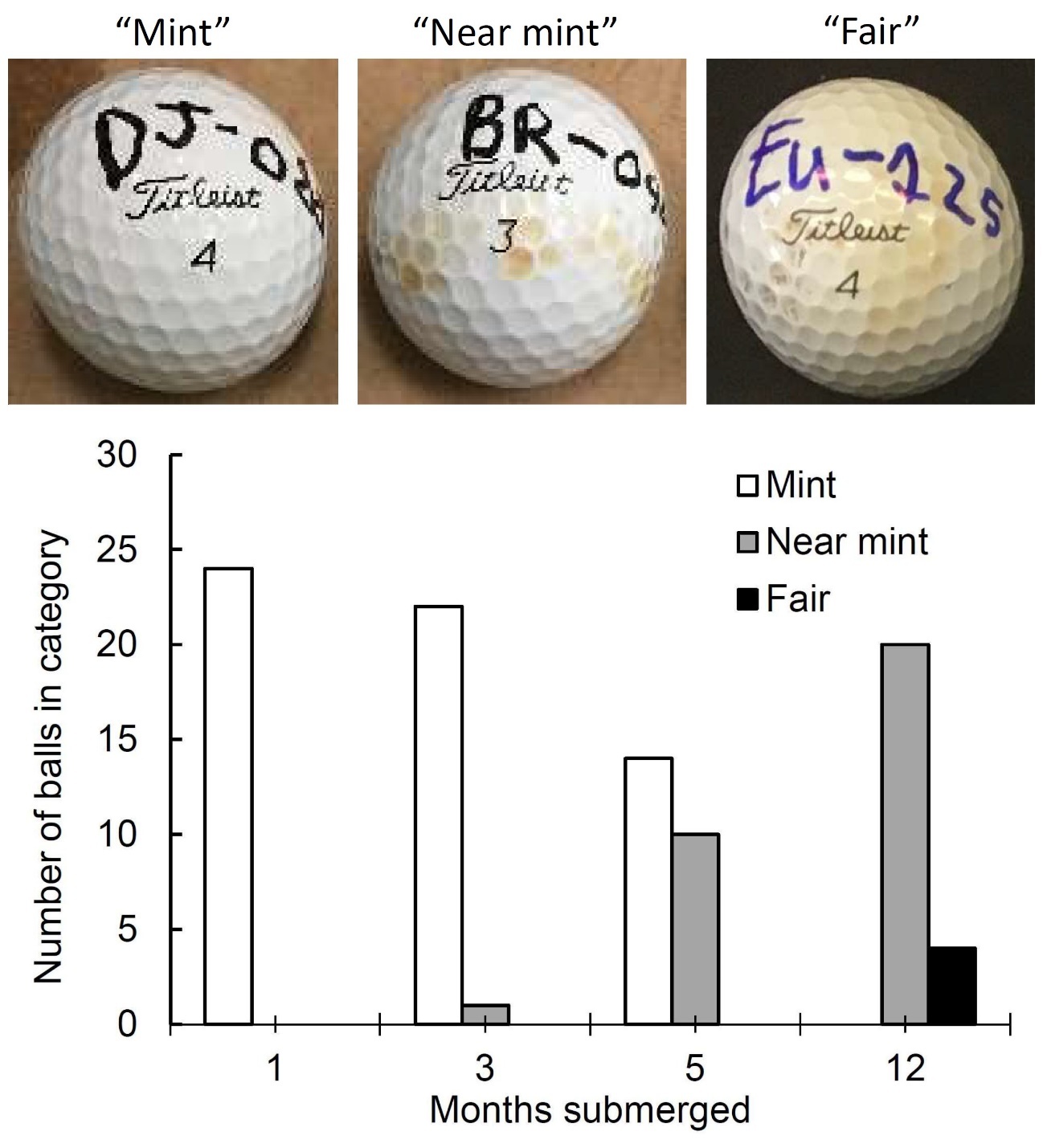
Image Source: www.golfsciencejournal.org
The Hidden Danger: Waterlogged Golf Balls
Golf is a game of precision. Every part of your gear matters. This includes the golf ball itself. We often do not think much about our golf balls after hitting them into a pond or finding one near a water hazard. Yet, these balls can hide a big problem: they might be waterlogged.
A waterlogged golf ball is not just a wet golf ball. It has taken in water deep inside its layers. This water changes the ball’s weight, its balance, and how it reacts when struck. It can make a good shot go bad, or a great shot turn into a terrible one. We will look at why golf balls soak up water and how this changes their performance. This will help you know when a ball is no good to play.
Why Golf Balls Soak Up Water
Golf balls look tough on the outside. They have a hard cover. But this cover is not fully waterproof. Over time, or with hard hits, small cracks can appear. These cracks are often too small to see with your eye. But water can sneak in through them.
Think about how a golf ball is made. Most golf balls have many layers. They have a core, then one or more mantle layers, and an outer cover. The core is often rubber or plastic. The layers around it give the ball its feel and speed. The outer cover protects it. When a ball sits in water, even a small crack in the cover lets water pass through. It can get into the inner layers. This process is called golf ball water absorption. The longer a ball stays in water, the more water it can take in.
Sometimes, a golf ball might not even have a visible crack. The cover material itself can be a bit porous. This means it has tiny holes. These holes are too small for us to see. But water molecules are tiny. They can pass through these small spaces over time. This is why golf balls found in lakes or ponds are often waterlogged. They have been sitting in water for days, weeks, or even months. The longer they sit, the more water soaks into them.
How a Wet Ball Hurts Your Game
A waterlogged golf ball changes how it flies and feels. These changes hurt your game in clear ways. You will notice a drop in performance. This is why knowing about waterlogged golf ball performance is key.
One of the first things you will notice is a loss of golf ball distance. A waterlogged ball is heavier. This extra weight makes it harder to hit far. It also changes the ball’s center of gravity. A ball that is off balance will not fly straight. It will wobble or dive. This means your drives might be shorter. Your iron shots might not reach the green. It will be harder to judge how far you need to hit the ball.
The extra water inside also affects the golf ball spin rate. A normal golf ball spins in a certain way when hit. This spin helps it lift and gives it control. A waterlogged ball often spins less. This means less lift. It can also cause the ball to hook or slice more. This happens because the weight inside is not even. The ball might wobble in the air instead of spinning true. This makes it harder to control where the ball lands. You might miss fairways or greens more often.
Water also affects the ball’s firmness, or its golf ball compression issues. A golf ball needs to compress slightly when hit. This compression helps it spring off the clubface with speed. Water inside a ball makes it less likely to compress well. It becomes harder or feels “dead.” When it does not compress right, you lose energy. This means less speed off the club. The ball simply does not jump off the club face as it should. It can feel like hitting a rock. This dull feeling tells you something is wrong inside the ball. The sound might also change, becoming a dull thud instead of a crisp click.
In short, a waterlogged ball flies shorter, spins less, and feels heavy or dead. It messes up your shots. It takes away your control. Playing with such a ball can be very frustrating. It can make you think your swing is bad, when it’s really the ball.
Spotting a Waterlogged Golf Ball
It is important to know how to spot a waterlogged golf ball. There are several ways to check a ball you think might be wet inside. Some tests are easy to do at home. Others you can feel for during a round.
The Buoyancy Test: A Simple Check
The most common and effective way to test for waterlogging is the golf ball buoyancy test. This test tells you if the ball has taken in water. It is simple to do.
Steps for the Buoyancy Test:
1. Get a bowl of water: Fill a bowl or bucket with clean water. Make sure it is deep enough for the ball to float freely.
2. Place the ball in water: Gently put the golf ball into the water.
3. Watch what happens: Observe the ball for a few minutes.
What to Look For:
* Good Ball: A normal, dry golf ball should float high on the surface. It will sit with most of its body above the water line. It will bob lightly.
* Waterlogged Ball: A waterlogged golf ball will sink or float very low in the water. It might sit just barely above the surface. Or it might sink all the way to the bottom. If it sinks quickly, it is very waterlogged. If it floats very low, it has taken in a lot of water.
This test works because water adds weight to the ball. A normal golf ball is lighter than the water it pushes aside. So it floats. A waterlogged ball becomes heavier than the water it pushes aside. So it sinks or floats low. This test is a quick and good way to tell. If a ball fails this test, do not play with it.
Checking the Weight
Another way to check is by feeling the weight of wet golf ball. This is not as exact as the buoyancy test. But it can give you a hint.
How to Check:
* Hold a known good ball: Pick up a brand new golf ball or one you know is dry. Feel its weight in your hand.
* Hold the suspect ball: Now, pick up the ball you think might be waterlogged. Compare its weight to the good ball.
What to Look For:
* Heavier Feel: A waterlogged ball will often feel heavier than a dry one. The difference might be small. But you can often feel it. If a ball feels “dead” or heavy in your hand, it might have water inside.
* No Difference: If it feels the same, it might be fine. But this test is less clear than the water test.
This test relies on your touch. It gets better with practice. But it is a good quick check when you do not have water nearby.
Looking at the Ball’s Surface
The outside of the golf ball can also give clues. You need to look closely at the golf ball dimple integrity and the cover.
What to Look For:
* Cracks or Scratches: Look all over the ball for any cracks, cuts, or deep scratches. Even a tiny crack can let water in. These are often signs of a ball that has hit something hard.
* Discolored Spots: Some waterlogged balls might show dark or faded spots on the cover. This can happen if water has seeped in and changed the inner materials.
* Dents or Deformations: If the ball has major dents or has lost its perfectly round shape, it is likely damaged. Water can get in through such damage.
* Soft Spots: Press your thumb around the ball. Do you feel any areas that are softer than the rest? A soft spot can mean the inner layers are damaged. It can also mean water has soaked into that area.
Paying attention to used golf ball condition is very important. Many golfers use found balls. These balls might have been in water for a long time. They might have hidden damage. Always check the cover carefully. If the cover looks bad, it is often a sign of a bad ball.
Feeling the Ball’s Firmness
You can also check for golf ball compression issues by touch. A golf ball is designed to compress. This gives it spring. Waterlogging can change this.
How to Check:
* Squeeze the ball: Try to squeeze the ball gently. Compare it to a new ball.
* Drop the ball: Drop the ball onto a hard surface (like concrete) from about waist height. Listen to the sound.
What to Look For:
* Soft or Spongy Feel: A waterlogged ball might feel softer or more “spongy” than a new ball. It might not spring back as quickly when you squeeze it. This shows that the inner layers are not compressing correctly.
* Dull Thud: When a dry ball is dropped, it makes a crisp, bouncy sound. A waterlogged ball might make a duller thud. It might not bounce as high. This is because the water dampens the rebound. The energy is lost.
This check helps confirm problems that the buoyancy test might have shown. It tells you about the ball’s true health.
Listening for Changes
The sound a golf ball makes can also tell you about its condition.
What to Look For:
* Dull Impact Sound: When you hit a waterlogged ball, it often makes a dull, muted sound. A good ball makes a crisp, clean sound off the clubface. A “thwack” instead of a “crack” can mean water is inside.
* Noisy Core: Some very waterlogged balls might even slosh a little if you shake them. But this is rare. Usually, the water is absorbed, not free-moving.
This method is less reliable by itself. But combine it with other signs. If your shot feels dead and sounds dull, it’s a strong sign the ball is waterlogged.
The Science Behind the Problem
To truly grasp why a waterlogged golf ball plays differently, it helps to know a little about what goes on inside. Water is a dense substance. When it enters the golf ball, it changes the ball’s internal structure and properties.
What Happens Inside?
When water gets into a golf ball, it does not just fill empty spaces. It soaks into the materials of the core and layers. This is like a sponge soaking up water. This leads to internal golf ball damage.
- Core Softening: The core, often made of rubber or a similar material, can absorb water. This makes it softer and less bouncy. A softer core will not transfer energy as well. This leads to less ball speed off the club.
- Layer Separation: Golf balls have multiple layers. These layers are bonded together. Water can get between these layers. This can cause the layers to separate. When layers separate, the ball loses its structure. It becomes off-balance. This can cause the ball to wobble in flight. It also affects how the ball spins.
- Weight Imbalance: As water soaks into certain parts of the ball, it does not always spread evenly. This creates heavy spots inside the ball. A ball that is not balanced will not fly true. It will have an uneven spin. This means it will drift left or right.
These internal changes are permanent. You cannot fix them. Once a ball takes in water, it is damaged forever.
How Water Changes Ball Properties
The water inside a golf ball changes its physical properties. These changes are what cause the bad performance.
- Density Changes: Water adds mass without adding much volume. This increases the ball’s overall density. A denser ball is harder to get airborne. It also falls faster.
- Center of Gravity Shifts: As mentioned, water can make the ball heavier in one spot. This shifts the ball’s center of gravity. A golf ball needs a perfectly centered mass to fly straight. If the center of gravity is off, the ball will wobble or spin unevenly. This makes shots go off line.
- Effects on Flight: All these changes combine to hurt the ball’s flight. The ball will have:
- Lower Ball Speed: Less energy transfer from the club.
- Lower Launch Angle: Harder to get the ball up in the air.
- Less Carry Distance: Falls to the ground sooner.
- Erratic Spin: Unpredictable side spin leading to hooks and slices.
These effects make it very hard to play good golf. You might hit a perfect swing, but the ball goes wild. This is often due to a hidden waterlogged ball.
When to Throw a Ball Away
Knowing when to discard a golf ball is just as important as knowing how to spot a bad one. Even if a ball looks fine, if it has been in water for a long time, it is best to get rid of it.
Here are clear signs it’s time to toss a golf ball:
* It fails the buoyancy test: If it sinks or floats very low, throw it out. This is the clearest sign of waterlogging.
* You find cracks or deep cuts: Any major damage to the cover is an entry point for water. It also affects the ball’s aerodynamics.
* It feels soft or spongy: This means the internal structure is damaged.
* It feels much heavier than a new ball: Extra weight is a strong sign of absorbed water.
* It has clear discolored spots: These can show internal damage or water absorption.
* You suspect it came from a water hazard: If you found a ball near or in a pond, assume it is waterlogged. Even if it looks good.
Always inspect used golf ball condition carefully. Many golfers buy “lake balls” or found balls. While these can save money, they often come with risks. You do not know how long they sat in water. It is safer to use fresh, dry balls.
Playing with a waterlogged ball is like trying to drive a car with a flat tire. It will move, but not well. It will hurt your score. It will make you frustrated. It is always better to play with a ball you trust. A good golf ball is a small investment for a much better game. Do not let a bad ball ruin a good round.
| Sign of Waterlogging | What to Look For | Why It Matters for Your Game |
|---|---|---|
| Buoyancy Test | Sinks or floats very low in water | Clear proof of water inside, increases weight of wet golf ball. |
| Weight | Feels heavier than a new, dry ball | Water adds mass, affecting launch and carry. |
| Surface | Visible cracks, cuts, deep scratches, or faded spots | Water can get in through these flaws. Hurts golf ball dimple integrity. |
| Feel | Feels soft, spongy, or “dead” when squeezed | Indicates golf ball compression issues and core damage. |
| Distance | Shots consistently fly shorter than usual | A prime result of loss of golf ball distance due to water. |
| Spin | Ball hooks or slices more, or has less backspin | Changes golf ball spin rate, making shots less accurate. |
| Sound | Dull thud instead of a crisp click when hit or dropped | Water absorbs energy, showing internal golf ball damage. |
Frequently Asked Questions (FAQ)
Q: How long does it take for a golf ball to get waterlogged?
A: It depends on the ball’s condition and the type of water. If a ball has small cracks, it can start to absorb water in a few hours. If it’s fully submerged and damaged, it can become significantly waterlogged in a few days. For an intact ball without visible damage, it still takes time for water to seep through, but it can become waterlogged over weeks or months.
Q: Does a waterlogged golf ball go shorter?
A: Yes, absolutely. A waterlogged golf ball loses distance. The added weight and internal damage mean it comes off the clubface with less speed and does not fly as far. This leads to a noticeable loss of golf ball distance.
Q: Can I dry out a waterlogged golf ball?
A: No, you cannot effectively dry out a waterlogged golf ball. Once water has soaked into the internal layers and core, the damage is permanent. Drying the outside of the ball does not remove the water from inside. The internal structure and weight distribution are changed for good.
Q: Are all used golf balls waterlogged?
A: No, not all used golf balls are waterlogged. Many used balls are simply ones that were hit into the woods or open fields. However, used balls found near water hazards or advertised as “lake balls” have a higher chance of being waterlogged. Always check their condition, especially with the buoyancy test, if you are unsure.
Q: What is the best way to test if a golf ball is waterlogged?
A: The golf ball buoyancy test is the easiest and most reliable method. Simply place the ball in a bowl of water. If it sinks or floats very low, it is waterlogged. You can also feel its weight, check for cracks, and listen to its sound, but the water test gives the clearest answer.